 flip
flipMead from the Monastic Beehives
Mead from the Monastic Beehives
Why this dish? Wine and ale were the drinks of the Franks, but mead — honey-wine — held a special place at royal banquets and often came from the beehives of the abbeys that Pepin protected, such as Saint-Denis. Drinking mead was toasting to the prosperity of the kingdom.
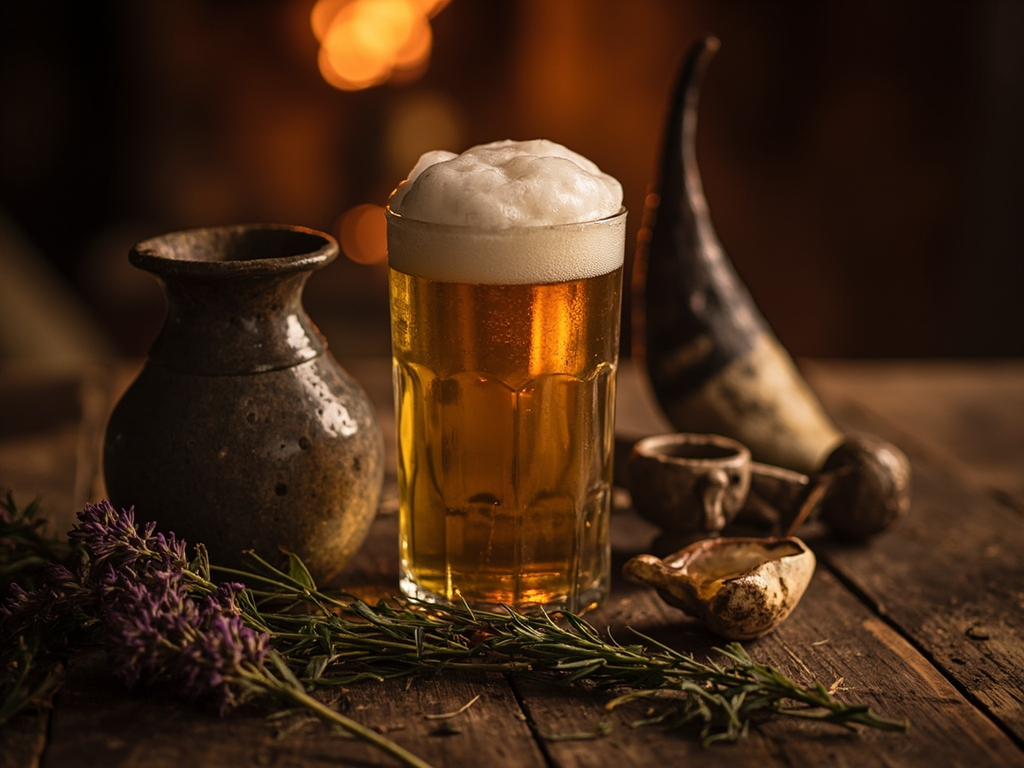
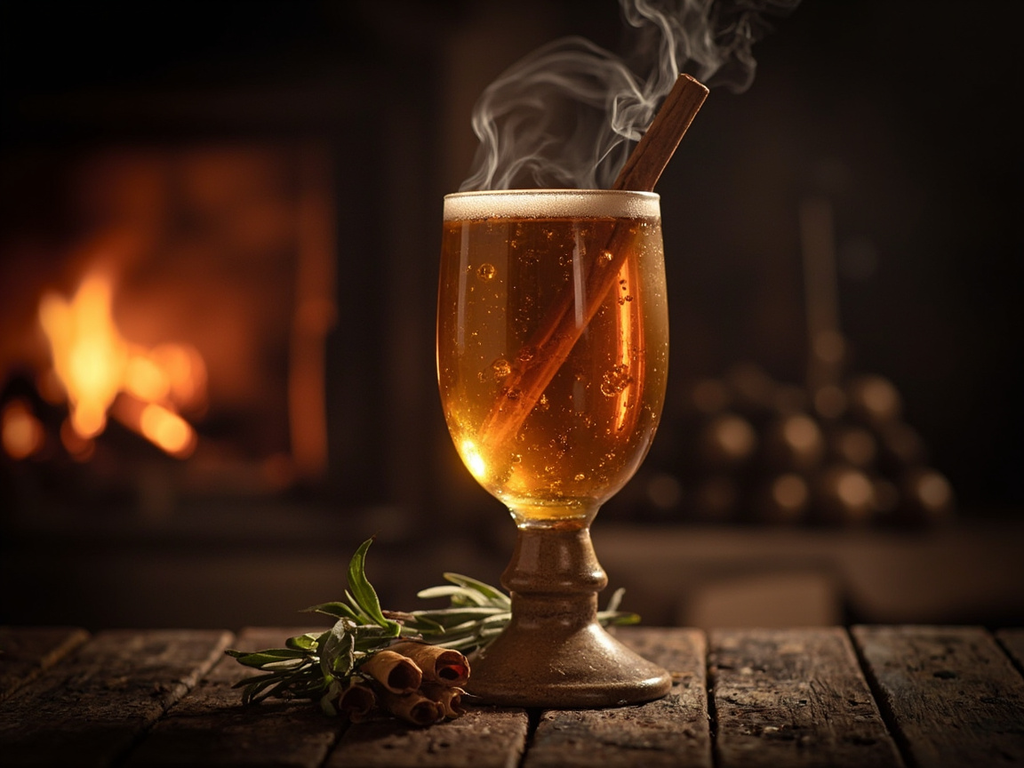
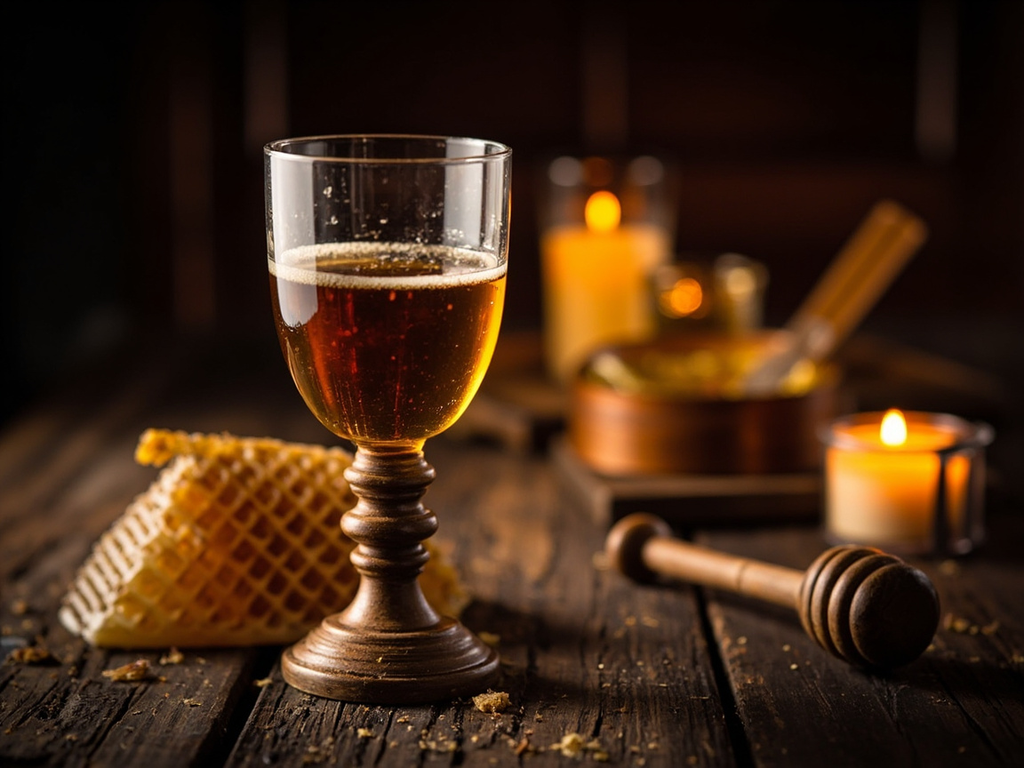
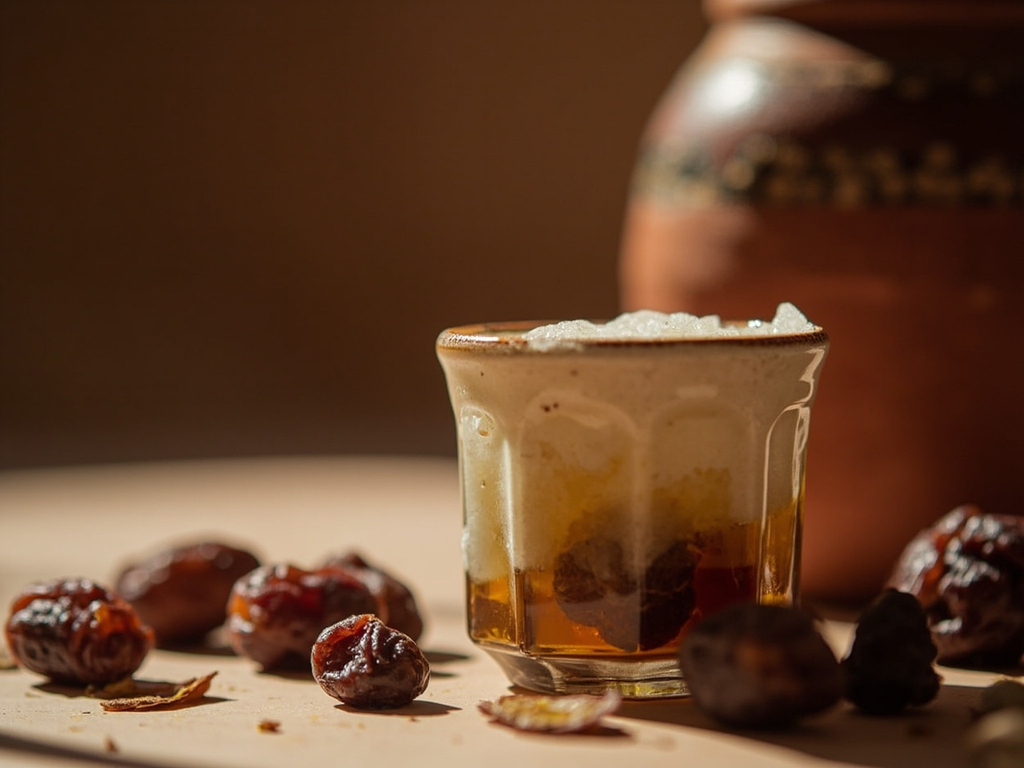
A golden, slightly sparkling drink born from the slow fermentation of honey in water, flavored with herbs. Neither quite wine nor beer, mead accompanies feasts and seals oaths. Sweet and heady, it is the nectar of Frankish banquets.
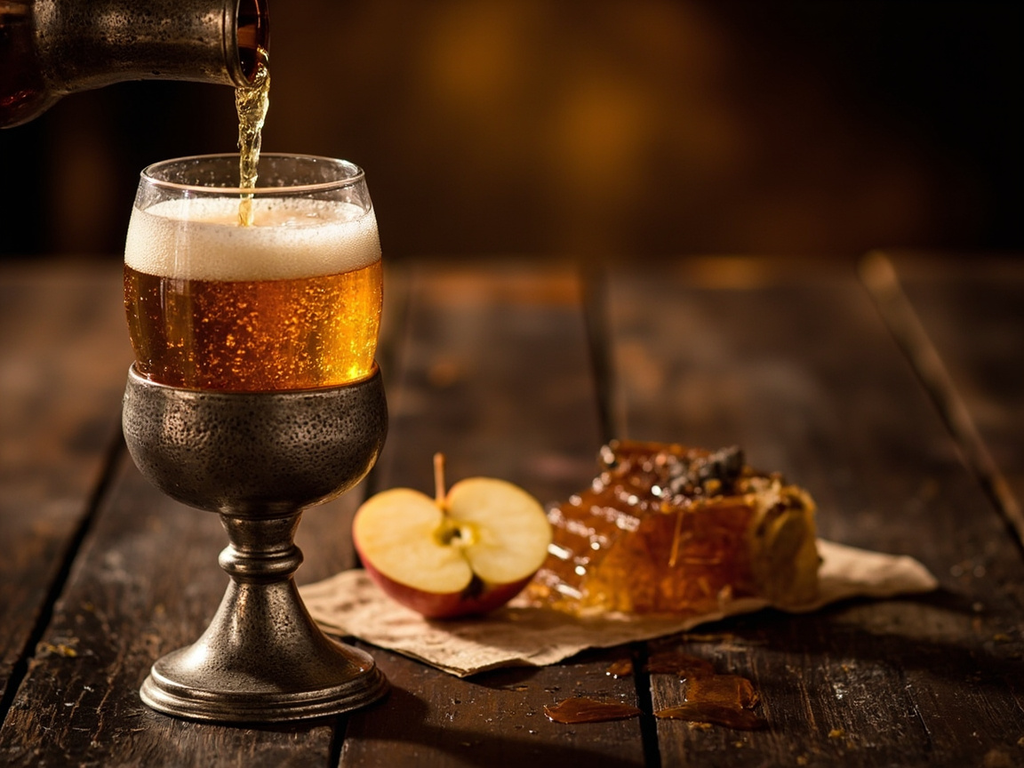
Raise your cup with me. What you see flowing there, golden like the oil of my coronation, is the honey-wine that the monks of Saint-Denis draw from their hives. You mix honey in spring water, let time and warmth work for weeks, and behold, it begins to sing and prickle the tongue. On joyous days, I have the cups filled to the brim — for a king who shares his honey shares his joy. Drink, but keep a clear head: this nectar has betrayed many an unseasoned warrior.
- •Honey — a good part (fermentable sugar)
- •Spring water — three parts (base)
- •Herbs or aromatics (savory, rare ginger) — as available (flavor)
Mead from the Monastic Beehives
A golden, slightly sparkling drink born from the slow fermentation of honey in water, flavored with herbs. Neither quite wine nor beer, mead accompanies feasts and seals oaths. Sweet and heady, it is the nectar of Frankish banquets.
Why this dish? Wine and ale were the drinks of the Franks, but mead — honey-wine — held a special place at royal banquets and often came from the beehives of the abbeys that Pepin protected, such as Saint-Denis. Drinking mead was toasting to the prosperity of the kingdom.
Raise your cup with me. What you see flowing there, golden like the oil of my coronation, is the honey-wine that the monks of Saint-Denis draw from their hives. You mix honey in spring water, let time and warmth work for weeks, and behold, it begins to sing and prickle the tongue. On joyous days, I have the cups filled to the brim — for a king who shares his honey shares his joy. Drink, but keep a clear head: this nectar has betrayed many an unseasoned warrior.
Ingredients (period version)
- Honey — a good part (fermentable sugar)
- Spring water — three parts (base)
- Herbs or aromatics (savory, rare ginger) — as available (flavor)
Ingredients
- Honey (preferably unpasteurized) — 300 g (fermentable sugar)
- Spring water — 1 liter (base)
- Baker's yeast or mead yeast — 1 g (fermentation)
- A few berries or a pinch of mild spices — optional (flavor)
Method
- Warm the water (do not boil) and dissolve the honey until homogeneous; let cool to room temperature.
- Pour into a clean bottle or carboy, add the yeast and any aromatics.
- Close with a stopper that allows gas to escape (airlock or pierced balloon) and let ferment for 2 to 4 weeks away from light.
- When bubbling stops, siphon off the clear liquid, leaving the sediment at the bottom.
- Serve chilled. Warning: alcoholic drink, for adults only — for children, stop at non-fermented honey-water (honey + water + herbs, simply infused and chilled).
How it was made : Mead is one of the oldest fermented drinks in Europe, predating viticulture in northern areas. Among the Franks, honey came largely from monastic apiaries, and mead accompanied banquets and court rituals. The monks mastered its production, along with ale.
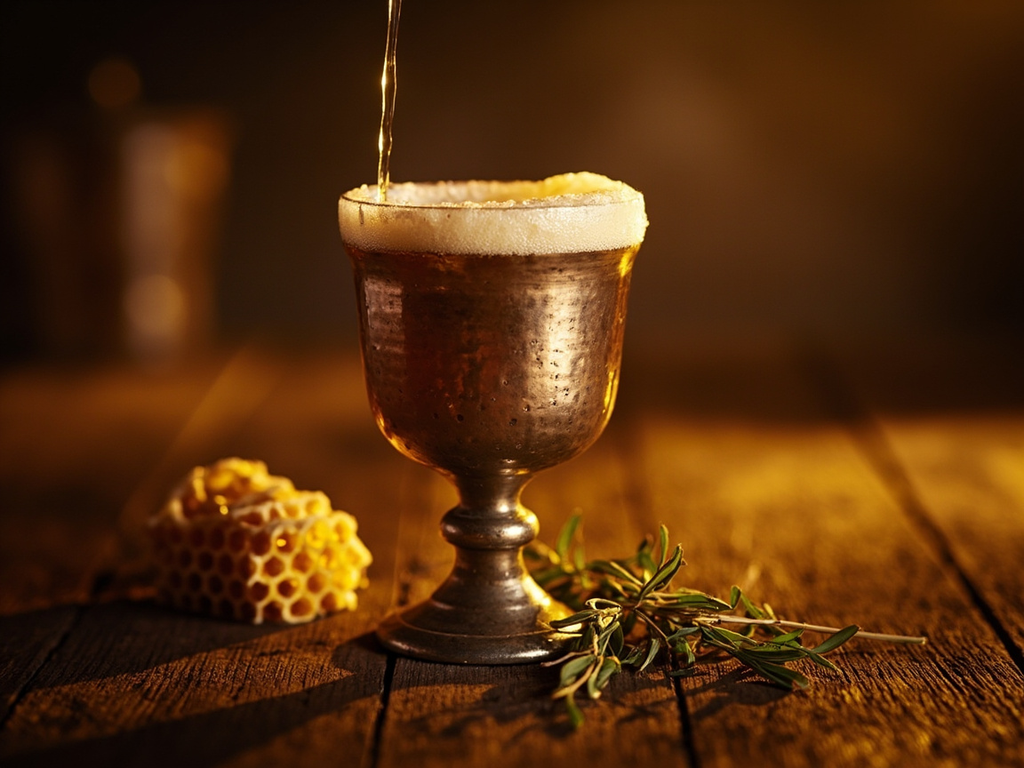
The contemporary twist : A non-alcoholic "children's mead" version: infuse honey and mint in sparkling water, served ice-cold in a metal cup for a royal goblet effect.
Pepin the Short · Charactorium