 flip
flipKnight Errant's Venison Pasty
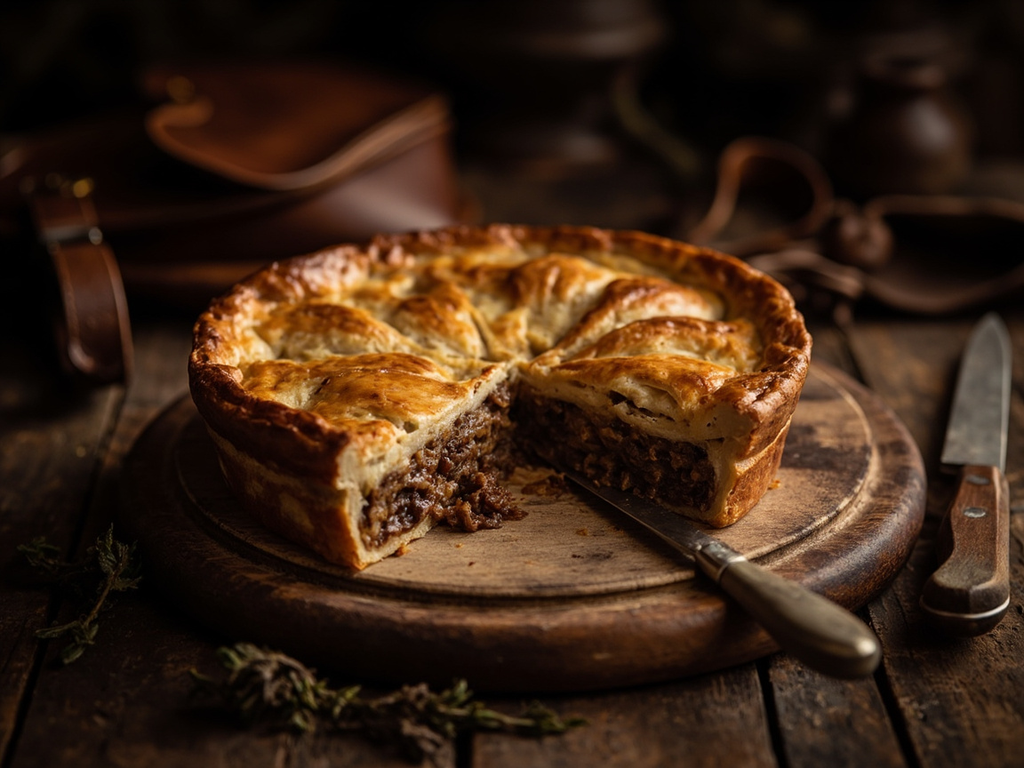
Knight Errant's Venison Pasty
Why this dish? The quest for the Grail throws Perceval onto the roads, for weeks at a time, far from any table. The pasty — a pie with a thick, hard crust (the "coffin") that seals and preserves spiced meat — is the provision of the knight errant: it is slipped into the saddlebag and keeps well for several days of riding.
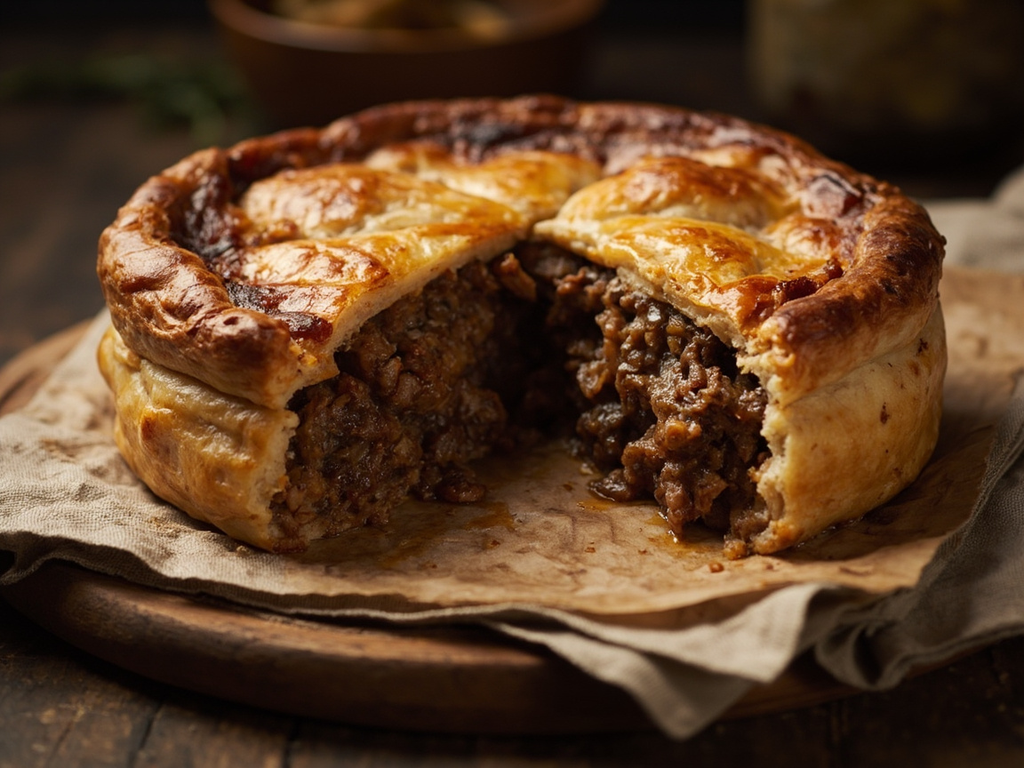
Minced game meat, larded and heavily spiced, enclosed in a compact rye crust baked blind. The crust protects the meat like armor and keeps cool; it is sliced cold at the halt, in the forest.
The knight who seeks the Grail does not find an inn at every turn, know that well. So, before leaving, I would have minced venison well peppered sealed in a hard, thick paste — the coffin, as they call it — which keeps the meat sound for several days. The crust I did not always eat: it serves as armor for the dish as much as a bowl. At the halt, under an oak, I would break the pasty with my knife, and it was a king's feast for a lone man. Always keep one in your saddlebag, friend, who rides afar.
- •Venison (deer, wild boar) — a good piece, minced (filling)
- •Lard — in parts (fat, preservation and tenderness)
- •Fine powder (ginger, pepper, clove) — generous (spices and preservation)
- •Rye flour — for the paste (hard crust (coffin))
- •Salt — well (seasoning and preservation)
Knight Errant's Venison Pasty
Minced game meat, larded and heavily spiced, enclosed in a compact rye crust baked blind. The crust protects the meat like armor and keeps cool; it is sliced cold at the halt, in the forest.
Why this dish? The quest for the Grail throws Perceval onto the roads, for weeks at a time, far from any table. The pasty — a pie with a thick, hard crust (the "coffin") that seals and preserves spiced meat — is the provision of the knight errant: it is slipped into the saddlebag and keeps well for several days of riding.
The knight who seeks the Grail does not find an inn at every turn, know that well. So, before leaving, I would have minced venison well peppered sealed in a hard, thick paste — the coffin, as they call it — which keeps the meat sound for several days. The crust I did not always eat: it serves as armor for the dish as much as a bowl. At the halt, under an oak, I would break the pasty with my knife, and it was a king's feast for a lone man. Always keep one in your saddlebag, friend, who rides afar.
Ingredients (period version)
- Venison (deer, wild boar) — a good piece, minced (filling)
- Lard — in parts (fat, preservation and tenderness)
- Fine powder (ginger, pepper, clove) — generous (spices and preservation)
- Rye flour — for the paste (hard crust (coffin))
- Salt — well (seasoning and preservation)
Ingredients
- Minced game meat (venison or wild boar) — 500 g (filling)
- Lard or fatty bacon — 150 g (moisture)
- Rye flour (+ a little wheat) — 400 g (crust)
- Lard or butter — 120 g (hot-water crust)
- Hot water — 150 ml (hot-water crust)
- Ginger, pepper, clove, salt — 1 tsp each (salt to taste) (spices)
Method
- Mix the minced meat, lard, salt and spice powder. Refrigerate.
- Prepare the hot-water crust: melt the fat in boiling water, pour over the salted flour, knead quickly. Work while warm.
- Line a tall mold (or shape the paste by hand, medieval-style), fill with the packed stuffing, close with a pastry lid, seal, cut a steam vent.
- Bake at medium heat (170°C) for 1 h 30; the crust should harden and brown.
- Cool completely before transporting. Slice cold at the halt; keeps 3-4 days in a cool place.
How it was made : The "coffin" (thick crust not meant to be eaten, serving as container and preservative) is typical of medieval English cuisine. Heavily spiced venison pasties were prized by nobles and the crust allowed transport — the ancestor of canned food. No New World products: only rye, game and Eastern spices.
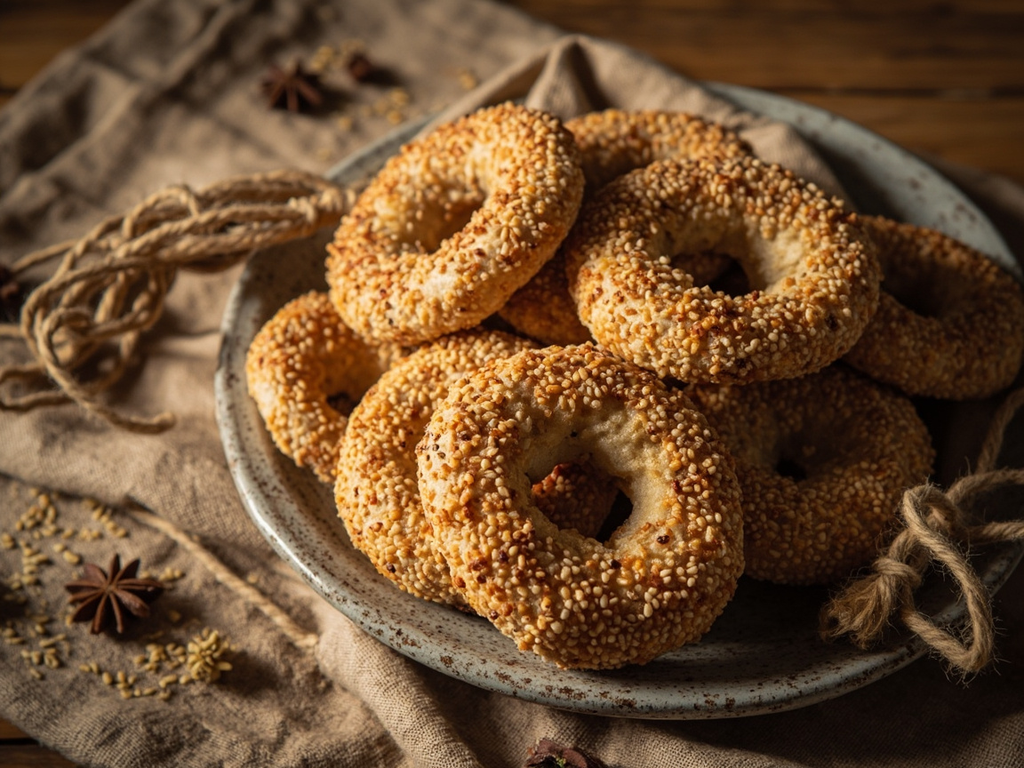
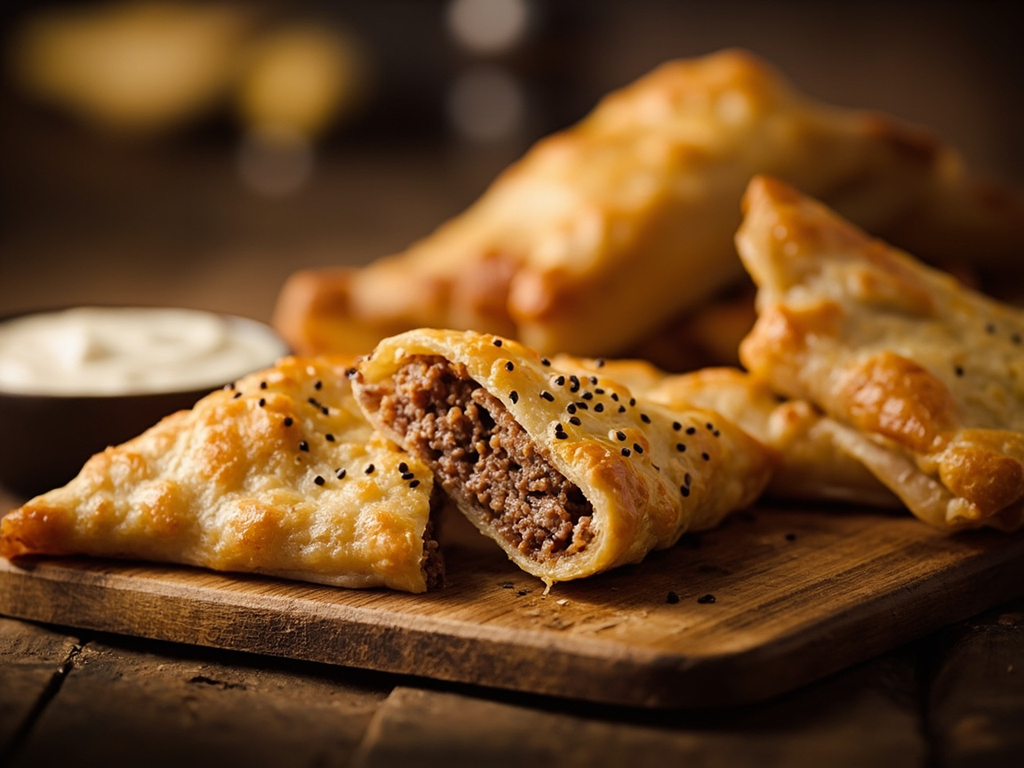
The contemporary twist : Knight's saddlebag version: small individual pasties with golden crust, tied with jute string, to take on hikes or medieval picnics.
Sources : Tradition of medieval crusted pie (coffin), Anglo-Norman cuisine
Perceval · Charactorium