 flip
flipSinge and Hardtack
Singe and Hardtack
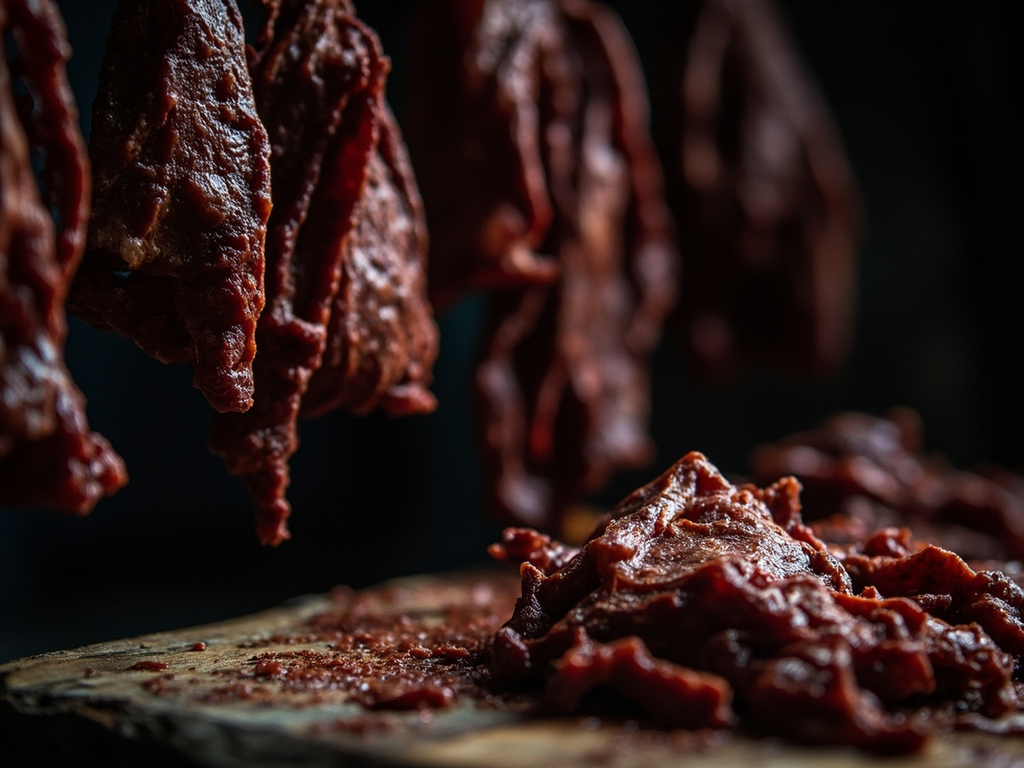
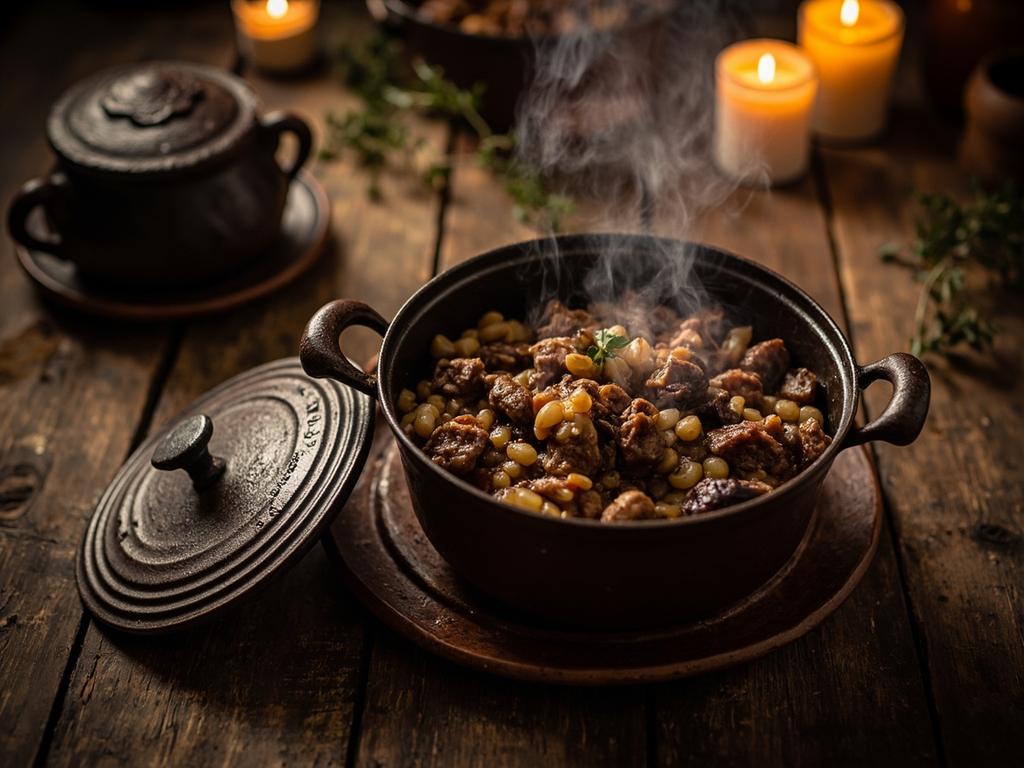
Why this dish? When hot rata could not reach the front line, Pétain's soldier opened his tin of 'singe' — boiled beef in preserve — and crunched his hardtack, the hard reserve biscuit. This was the survival food of the positional warfare that Pétain waged.
Beef cooked long then set in salted jelly, preserved in a can, eaten cold on a soldier's biscuit softened in broth. More than a recipe, a lesson in preservation and resourcefulness.
Here is the fare of bad days, when hot supplies could not cross the artillery barrage. They called it 'singe', this canned beef set in its jelly, and you broke the hard biscuit over it, softening it in a little juice. It was hardly cheerful, I grant you — but the soldier who can endure scarcity can also endure fire. I have always held that a man must know how to be content with little: it is in privation that character is measured.
- •Lean beef — a piece (meat to confit)
- •Gelatinous broth (with marrow bones) — enough to cover (preserving jelly)
- •Salt — generously (preservative)
- •Hardtack (flour, water, salt) — separate (reserve bread)
Singe and Hardtack
Beef cooked long then set in salted jelly, preserved in a can, eaten cold on a soldier's biscuit softened in broth. More than a recipe, a lesson in preservation and resourcefulness.
Why this dish? When hot rata could not reach the front line, Pétain's soldier opened his tin of 'singe' — boiled beef in preserve — and crunched his hardtack, the hard reserve biscuit. This was the survival food of the positional warfare that Pétain waged.
Here is the fare of bad days, when hot supplies could not cross the artillery barrage. They called it 'singe', this canned beef set in its jelly, and you broke the hard biscuit over it, softening it in a little juice. It was hardly cheerful, I grant you — but the soldier who can endure scarcity can also endure fire. I have always held that a man must know how to be content with little: it is in privation that character is measured.
Ingredients (period version)
- Lean beef — a piece (meat to confit)
- Gelatinous broth (with marrow bones) — enough to cover (preserving jelly)
- Salt — generously (preservative)
- Hardtack (flour, water, salt) — separate (reserve bread)
Ingredients
- Beef for pot-au-feu (shin) — 600 g (meat)
- Marrow bone or calf's foot — 1 (gelatin source)
- Carrot, onion, clove — 1 each (broth aromatics)
- Salt, pepper, bay leaf — to taste (seasoning)
- Stale country bread or thick rusks — 4 slices (base)
Method
- Cook the beef in a pot-au-feu with the marrow bone, aromatics, and salt for 3 hours, until tender.
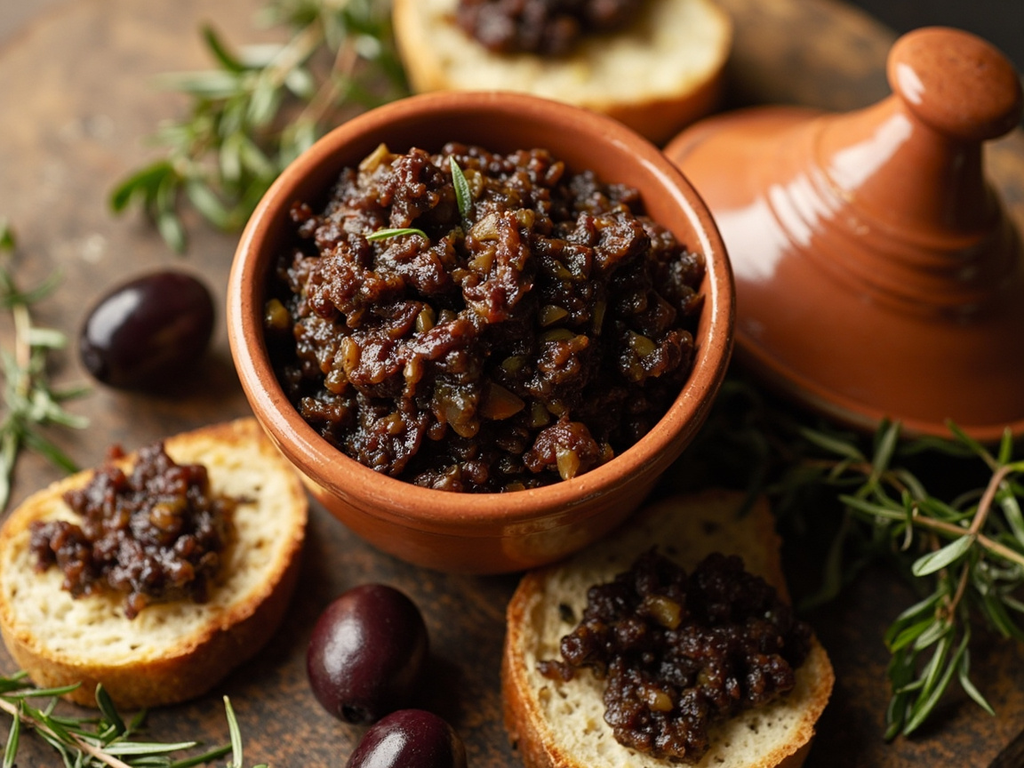
- Shred the meat, pack it into jars or ramekins.
- Strain the broth, reduce it to be rich in gelatin, then pour over the meat. Refrigerate: it sets into jelly.
- Unmold cold. Slice.
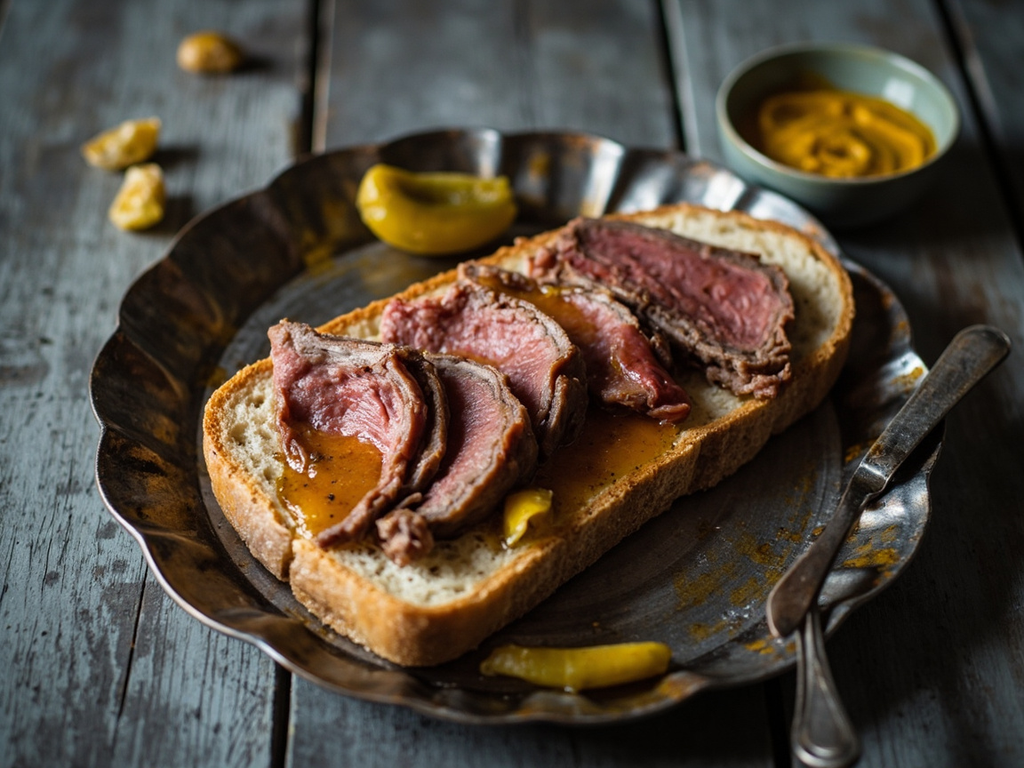
- Serve on stale bread lightly moistened with hot broth, trench-ration style.
How it was made : The 'singe' was boiled beef in cans (often imported from Madagascar or South America), nicknamed mockingly by the poilus. The hardtack or 'biscuit' was so hard it had to be soaked. These reserve rations were only opened on order.
The contemporary twist : Rebranded as 'beef terrine in aspic, with a country bread dipper', it has become a perfectly respectable bistro starter, with a streak of mustard and a few cornichons.
Sources : Silvano Serventi, À table dans les tranchées, 2014
Philippe Pétain · Charactorium