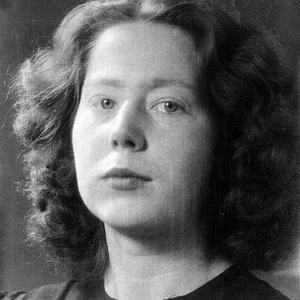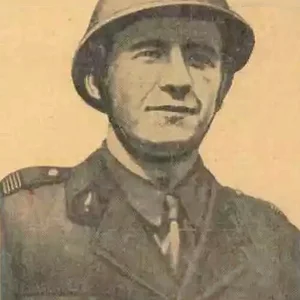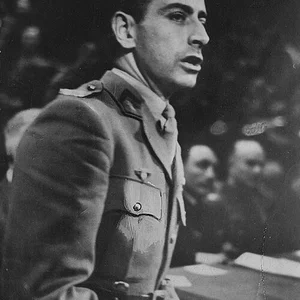

Journalist, politician, and French resistance fighter (1903–1944), Pierre Brossolette was one of the principal organizers of the internal Resistance in liaison with Free France. Arrested by the Gestapo, he took his own life to avoid betraying his comrades under torture.
Pierre Brossolette(1903 — 1944)
Pierre Brossolette
France
8 min read
Frequently asked questions
Famous Quotes
« There are no deaths in vain when those deaths remind the living of their duty.»
Key Facts
- 1903: Born in Paris
- 1940: Joined the Resistance and made contact with de Gaulle's Free France
- 1942–1943: Clandestine missions in France to organize the internal Resistance (BCRA agent)
- February 1944: Arrested by the Gestapo in Paris
- 22 March 1944: Death by defenestration to avoid betraying his comrades under torture
Works & Achievements
As a political journalist at the SFIO's press organ, Brossolette published hundreds of articles sounding the alarm about the rise of Nazism and the fragile state of European democracy. His analyses proved remarkably prescient about the danger posed by Hitler.
His regular appearances on BBC airwaves earned him an underground fame throughout occupied France. These broadcasts served as a tool of moral resistance and information for millions of French people who secretly tuned in to Radio Londres.
This confidential report addressed to General de Gaulle laid out Brossolette's vision for a resistant and reformed France, rejecting any simple restoration of the parties of the Third Republic. It illustrates the fundamental political debates taking place within Free France.
Following his clandestine missions into occupied France, Brossolette produced detailed reports on the state of resistance networks, their needs for weapons and funds, and the tensions between movements. These documents stand as major historical sources.
Anecdotes
A brilliant graduate of the École Normale Supérieure, Pierre Brossolette earned his *agrégation* in history and geography and became a journalist at *Le Populaire* in the 1930s. His articles sounded the alarm very early on the rise of Nazism in Germany, long before most of his contemporaries grasped the scale of the danger. This early political acuity would make him an indispensable voice of intellectual resistance.
At the BBC in London, Brossolette took part in the broadcasts “Les Français parlent aux Français” under the pseudonym “Brumaire.” His voice carried across the shortwave airwaves to galvanize resistance fighters in occupied France. Listening to the BBC was forbidden and punishable by imprisonment, yet millions of French people defied the ban, ears pressed to their hidden radios.
A fierce opponent of rebuilding the old political parties, Brossolette clashed with Jean Moulin over the role they should play in the unified Resistance. He championed a new France, rebuilt on entirely fresh foundations, refusing to let the divisions of the Third Republic resurface after the Liberation. This passionate debate illustrates the richness and ideological tensions at the heart of Free France.
Arrested on 3 February 1944 in Audierne (Finistère) while waiting for a boat to England, Brossolette was taken to SD headquarters at 84 avenue Foch in Paris. After several weeks of torture, he threw himself from the fifth floor on 22 March 1944 rather than risk revealing his comrades’ names under duress. His ashes were transferred to the Panthéon in 2015, seventy-one years after his death.
Primary Sources
Resistance movements cannot be the instrument of yesterday's parties. The France that fights deserves better than the restoration of the quarrels that weakened it. We must build, not restore.
Frenchmen, remember that you are a free people and that no military defeat can strip you of your dignity or your right to choose your own destiny.
Hitler did not conceal his intentions. Mein Kampf is there for anyone who wishes to read it. European democracy is playing with fire in believing that negotiation will be enough to contain this barbarism.
The networks exist, they fight, they die. But they lack weapons, money, and coordination. Without increased support from London, the internal Resistance risks running out of steam before the liberation.
Key Places
Pierre Brossolette was born in Paris in 1903. Throughout his life, the capital was his workplace as a journalist at *Le Populaire* and the main stage for his clandestine activities during the German Occupation.
From the BBC studios in London, Brossolette took part in the broadcasts of "Les Français parlent aux Français" and worked at the BCRA alongside the Free French forces of General de Gaulle.
It was in this small Breton port that Brossolette was arrested on **3 February 1944**, while waiting for a boat to take him back to England at the end of his second clandestine mission in occupied France.
In this building requisitioned by the Nazi SD, Brossolette was held and subjected to torture from February 1944. On **22 March 1944**, rather than betray his comrades under the pain of interrogation, he threw himself from the fifth floor.
On **27 May 2015**, the ashes of Pierre Brossolette were transferred to the Panthéon alongside those of Germaine Tillion, Geneviève de Gaulle-Anthonioz, and Jean Zay, cementing his place among the great resistance figures of the French nation.
Typical Objects

During the Occupation, Brossolette operated under several pseudonyms and false identities provided by the BCRA. These forged documents allowed him to move through the occupied zone without being immediately recognized by the Gestapo or the collaborationist French police.

BCRA agents used portable radio sets hidden inside suitcases to transmit coded messages between occupied France and London. These devices exposed their operators to German radio direction-finding, which sought to locate clandestine transmitters.

Before and during the war, the pen was Brossolette's primary weapon. He used it to write his articles for *Le Populaire*, his political reports for de Gaulle, and his analyses of the internal Resistance — an instrument emblematic of interwar journalism.

In London, Brossolette spoke before BBC microphones to broadcast messages of resistance to occupied France. These shortwave broadcasts were one of the rare links between Free France and the population living under German Occupation.

Personal messages broadcast by the BBC in the form of seemingly innocuous phrases were used to send instructions to Resistance networks in France. These codes formed the nervous system of the organized Resistance, intelligible only to those in the know.

Introduced by Vichy under German pressure, these official documents restricted every French citizen's access to limited quantities of bread, meat, sugar, and fats. While living underground, Brossolette depended entirely on his Resistance hosts to feed him.
School Curriculum
Vocabulary & Tags
Key Vocabulary
Daily Life
Morning
During his clandestine period, Brossolette rises early under a false identity, lodging with trusted resistance members in makeshift accommodations. Each morning begins with a discreet check of the surrounding area and a reading of the collaborationist press — deciphering information between the lines and watching for any wanted notices.
Afternoon
The afternoon is devoted to clandestine meetings, often in cafés or temporary apartments across Paris. Brossolette coordinates contacts between networks, receives coded messages, and prepares his reports for London. Every journey demands constant vigilance to avoid police checkpoints and Gestapo surveillance.
Evening
In the evening, he drafts his political analyses and intelligence reports to be transmitted to London by radio or diplomatic courier. In rare moments of respite, he discusses the future of a liberated France with his resistance hosts. The relentless strain of living underground and the ever-present awareness of danger weigh heavily on his nights.
Food
Like the rest of the French population under the Occupation, Brossolette is subject to the strict food rationing imposed by the German authorities. Ration cards limit access to bread, meat, and fats. While in hiding, his meals depend entirely on the generosity and resources of those sheltering him.
Clothing
On missions, Brossolette dresses plainly to blend in with ordinary Parisians: a conventional bourgeois suit, wool jacket and trousers, an overcoat. He takes care to wear nothing that might draw attention. His forged papers must match his appearance precisely to pass the frequent identity checks.
Housing
During his clandestine missions, Brossolette moves frequently between addresses to throw off surveillance. He stays in ordinary Parisian apartments belonging to trusted resistance members — these safe houses must appear completely unremarkable to neighbours and building concierges who might report any suspicious activity to the authorities.
Historical Timeline
Period Vocabulary
Liens externes & ressources
Références
Œuvres
Articles dans Le Populaire (1929-1939)
1929-1939
Émissions radiophoniques à la BBC (« Les Français parlent aux Français »)
1941-1943
Note sur les partis politiques en France (rapport à de Gaulle)
1943
Rapports de mission au BCRA
1942-1944