World War II
Leaders, resistance fighters, strategists and witnesses of the deadliest conflict in history — from 1939 to 1945.
93 characters
93 characters
Adolf Hitler
1889 — 1945
Adolf Hitler (1889-1945) was an Austrian politician and military leader who founded the National Socialist German Workers' Party (Nazi Party) and became dictator of Germany from 1933 to 1945. His totalitarian regime, built on Nazi ideology, was responsible for World War II and the Holocaust, a genocide that killed six million Jews.
Albert Einstein
1879 — 1955
German-born physicist who became Swiss and later American (1879–1955), Albert Einstein revolutionized physics by developing the theories of special and general relativity. He is the author of the famous equation E=mc² and received the Nobel Prize in Physics in 1921 for his work on the photoelectric effect.
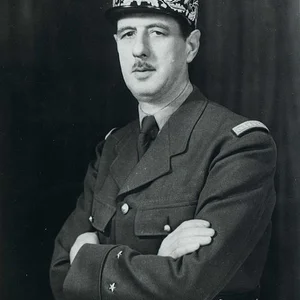
Charles de Gaulle
1890 — 1970
French military officer and statesman (1890–1970), leader of the French Resistance during World War II and founder of the Fifth Republic. A defining figure of the 20th century, he shaped French history through his unwavering commitment to national independence and the greatness of France.
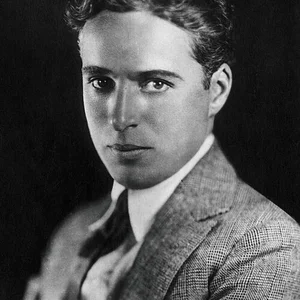
Charlie Chaplin
1889 — 1977
British actor, director and composer (1889-1977), pioneer of silent cinema. Creator of the iconic Tramp character, he shaped film history through his comedic genius and social commentary, most notably in The Great Dictator (1940).
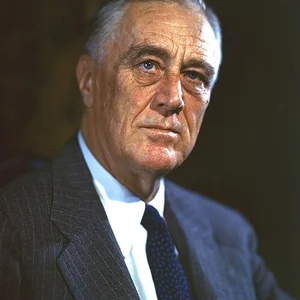
Franklin D. Roosevelt
1882 — 1945
President of the United States from 1933 to 1945, Franklin D. Roosevelt led the country through the Great Depression and World War II. He implemented the New Deal, a sweeping program of social and economic reforms, and played a decisive role in the Allied victory.
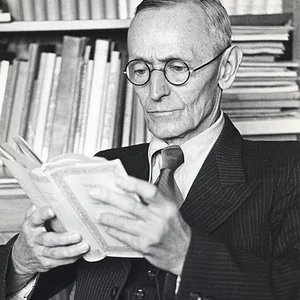
Hermann Hesse
1877 — 1962
Hermann Hesse (1877-1962) was a German-born Swiss writer and poet, awarded the Nobel Prize in Literature in 1946. His work, marked by spiritual quest and introspection, blends Eastern influences and psychoanalysis in novels such as “Siddhartha,” “Steppenwolf,” and “The Glass Bead Game.”
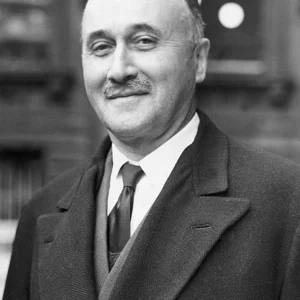
Jean Monnet
1888 — 1979
French statesman (1888–1979), Jean Monnet is regarded as one of the founding fathers of the European Union. He played a decisive role in the creation of the European Coal and Steel Community (ECSC) and championed the economic and political integration of Europe.
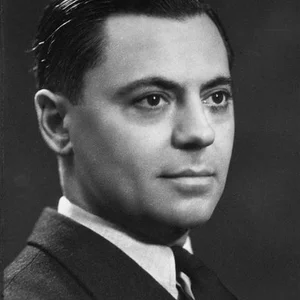
Jean Moulin
1899 — 1943
French senior civil servant (1899–1943), Jean Moulin is one of the most prominent figures of the French Resistance. He unified the resistance movements and created the National Council of the Resistance (CNR) before being arrested and tortured to death by the Nazis.
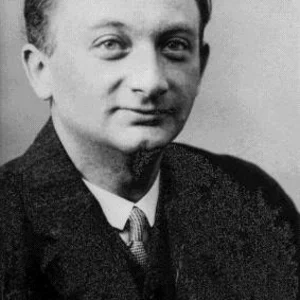
Joseph Roth
1894 — 1939
Joseph Roth (1894-1939) was an Austrian writer and journalist, a major figure in German-language literature between the wars. Author of "The Radetzky March", he celebrated the nostalgia for the vanished Austro-Hungarian Empire and denounced the rise of Nazism before dying in exile in Paris.
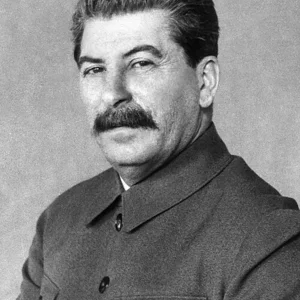
Joseph Stalin
1878 — 1953
Soviet dictator from 1922 to 1953, Joseph Stalin established a totalitarian regime characterized by massive political repression and forced industrialization. His leadership transformed the USSR into a superpower, but at the cost of millions of lives.
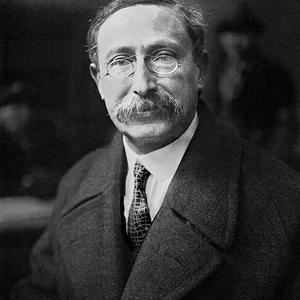
Léon Blum
1872 — 1950
Léon Blum (1872–1950) was a French politician and intellectual, leader of the French Socialist Party and a major figure of the left in the 20th century. He is best known for leading the Popular Front government in 1936, which marked the first time the left came to power in France.
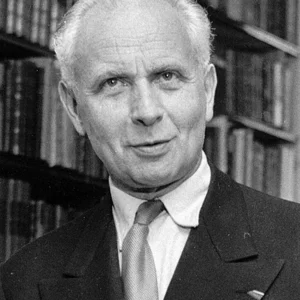
Louis Aragon
1897 — 1982
French poet and novelist (1897-1982), Louis Aragon is a major figure of committed poetry in the 20th century. A founding member of Surrealism alongside André Breton, he became one of the greatest poets of the French Resistance during the Second World War, blending lyricism with political engagement.
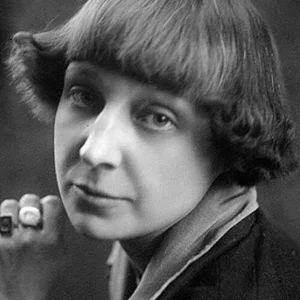
Marina Tsvetaeva
1892 — 1941
One of the greatest Russian poets of the 20th century, Marina Tsvetaeva was born in Moscow in 1892. Exiled in Europe after the Bolshevik Revolution, she returned to the USSR in 1939 and took her own life in 1941, leaving behind a body of lyric poetry of rare intensity.
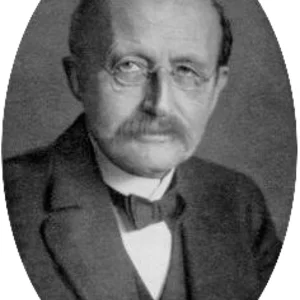
Max Planck
1858 — 1947
German physicist (1858–1947) who revolutionized physics by discovering quantum theory in 1900. He established that energy is emitted in small discrete portions called quanta, laying the foundations of quantum mechanics. His work marked the transition from classical physics to modern physics.
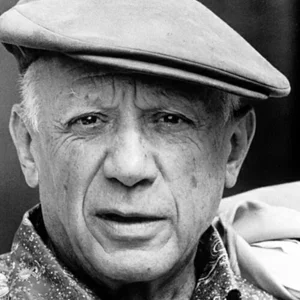
Pablo Picasso
1881 — 1973
Spanish painter, sculptor and printmaker (1881-1973), Pablo Picasso was the co-founder of Cubism and one of the most influential figures in modern art. His work revolutionized artistic representation in the 20th century through radical formal innovations and political engagement, particularly against war.
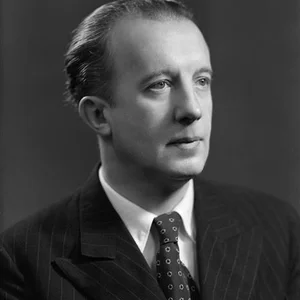
Paul Éluard
1895 — 1952
French poet (1895-1952), a major figure of Surrealism and committed poetry. Author of 'Liberty' (1942), he joined the Resistance during World War II and became a symbol of militant poetry against oppression.
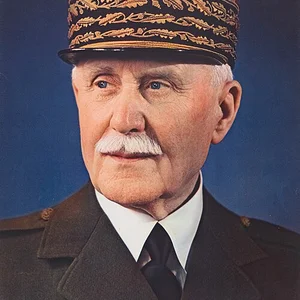
Philippe Pétain
1856 — 1951
Marshal of France and celebrated military commander known for his victory at Verdun in 1916, Philippe Pétain became head of the French government in 1940 and established the authoritarian French State of Vichy. A collaborator during the German occupation, he remains one of the most controversial figures in French history.
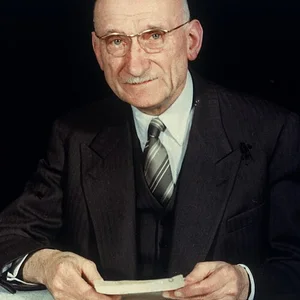
Robert Schuman
1886 — 1963
French statesman (1886-1963), Robert Schuman is one of the principal founding fathers of the European Union. As Foreign Minister, he proposed in 1950 the plan to create the European Coal and Steel Community (ECSC), laying the foundations for European integration.
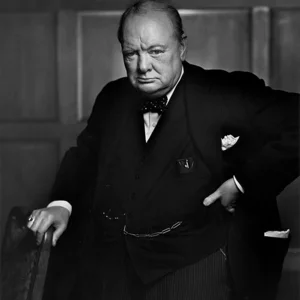
Winston Churchill
1874 — 1965
British statesman and writer (1874–1965), Winston Churchill is best known for his role as Prime Minister of the United Kingdom during the Second World War. As the leader of British resistance against Nazism, he embodied Allied resolve until victory in 1945.
Alan Turing
1912 — 1954
British mathematician and cryptologist (1912-1954), Alan Turing is the founder of theoretical computer science and artificial intelligence. He contributed to the decryption of the Enigma machine during the Second World War and formalized the concepts of computability and algorithm.
Albert Camus
1913 — 1960
French writer, philosopher, and journalist (1913–1960), Albert Camus is one of the major figures of 20th-century literature. Author of The Stranger and The Plague, he developed a philosophy of the absurd and received the Nobel Prize in Literature in 1957.
Alfred Nakache
1915 — 1983
Alfred Nakache (1915-1983) was a French swimmer and water polo player, nicknamed “the swimmer of Auschwitz.” The 1941 world record holder in the 200 m breaststroke, he was deported to Auschwitz in 1944, where he survived, before returning to competition and taking part in the 1948 Olympic Games.
Anne Frank
1929 — 1945
Anne Frank (1929-1945) was a young Dutch-Jewish girl whose diary, written in hiding during the Nazi occupation, became a poignant testimony of the Holocaust. She died in deportation at Bergen-Belsen, and her work remains a major source for understanding persecution and humanity in the face of horror.
Anselm Kiefer
1945 — ?
Anselm Kiefer is a German painter and sculptor born in 1945, a leading figure of Neo-Expressionism. His monumental work confronts German history, the memory of Nazism, and the traumas of the Second World War.
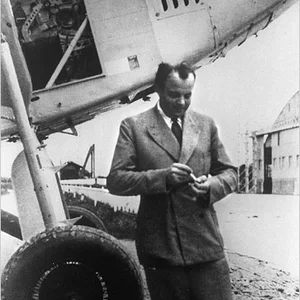
Antoine de Saint-Exupéry
1900 — 1944
French writer and aviator (1900–1944), Antoine de Saint-Exupéry left a lasting mark on 20th-century literature through his poetic and philosophical works. Author of the celebrated The Little Prince, he also explored themes of commitment, friendship, and self-transcendence through his tales of aerial adventure.
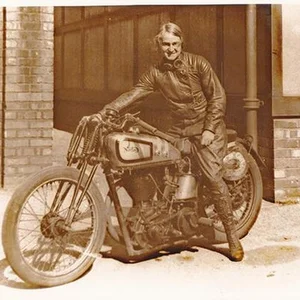
Beatrice Shilling
1909 — 1990
Beatrice Shilling (1909-1990) was a British aeronautical engineer. She is famous for solving a serious flaw in the Rolls-Royce Merlin engines that powered RAF fighters during the Second World War.
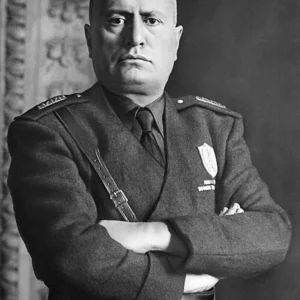
Benito Mussolini
1883 — 1945
Italian politician, founder of fascism and head of the government from 1922 to 1943. A dictator (“Duce”), he established a totalitarian regime in Italy and brought the country into World War II alongside Nazi Germany.
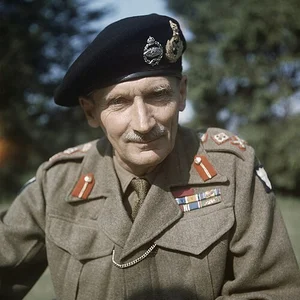
Bernard Montgomery
1887 — 1976
British field marshal, one of the principal Allied military commanders of the Second World War. He led the victorious 8th Army at El Alamein and then commanded the Allied ground forces during the Normandy landings.
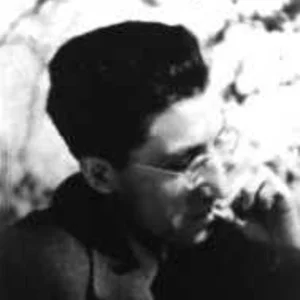
Cesare Pavese
1908 — 1950
Cesare Pavese was an Italian writer, poet, and translator, a major figure in 20th-century literature. Author of novels and poems marked by solitude and fate, he was also a great translator of American literature. He took his own life in 1950, shortly after receiving the Strega Prize.
Consuelo Suncín
A Salvadoran writer and sculptor, Consuelo Suncín is best known as the wife of Antoine de Saint-Exupéry. A woman of letters and an artist, she inspired the character of the Rose in *The Little Prince*.
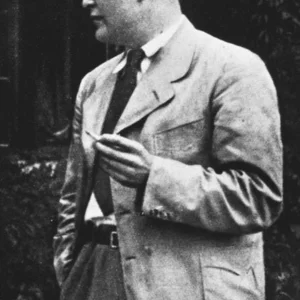
Dietrich Bonhoeffer
1906 — 1945
Dietrich Bonhoeffer was a German Lutheran pastor and theologian, a major figure of Christian resistance to Nazism. A member of the Confessing Church, he became involved in a plot against Hitler and was executed in 1945. His theological work left a profound mark on twentieth-century Christian thought.
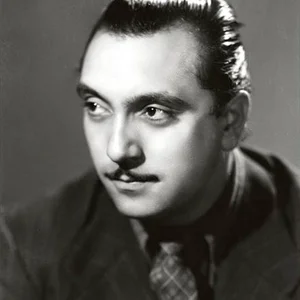
Django Reinhardt
1910 — 1953
French jazz guitarist
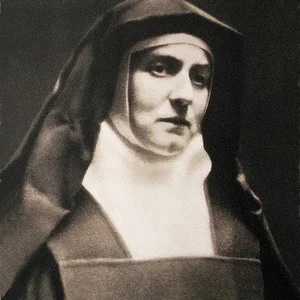
Edith Stein
1891 — 1942
Edith Stein, a German philosopher and student of Husserl, converted from Judaism to Catholicism and became a Carmelite nun under the name Teresa Benedicta of the Cross. Arrested by the Nazis because of her Jewish origins, she died at Auschwitz in 1942. Beatified and then canonized by John Paul II, she is co-patroness of Europe.
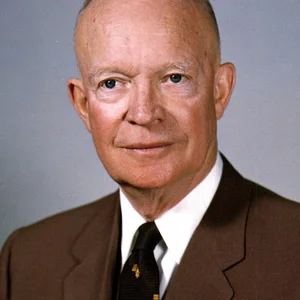
Eisenhower
American general, Supreme Commander of the Allied forces in Europe during World War II and architect of the Normandy landings. He went on to become the 34th President of the United States from 1953 to 1961.
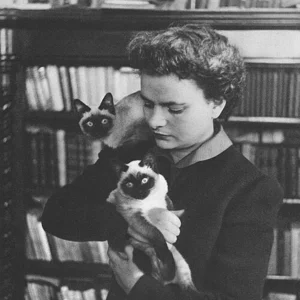
Elsa Morante
1912 — 1985
A major Italian novelist of the 20th century, Elsa Morante is known for her powerful works blending realism with a mythic dimension. Her novel *La Storia* (1974) paints a moving portrait of the Second World War through the eyes of ordinary people.
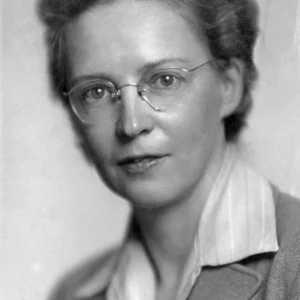
Elsie MacGill
1905 — 1980
Elsie MacGill (1905-1980) was a Canadian aeronautical engineer, the first woman in the world to earn a degree in that discipline. Nicknamed the “Queen of the Hurricanes,” she led the production of fighter aircraft during the Second World War and was a feminist activist.
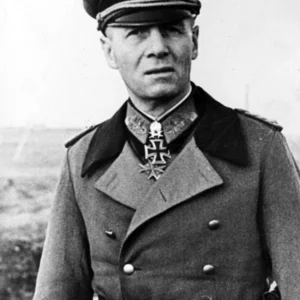
Erwin Rommel
1891 — 1944
Erwin Rommel was a German field marshal of the Second World War, nicknamed the “Desert Fox” for his command of the Afrikakorps in North Africa. Marginally implicated in the 20 July 1944 plot against Hitler, he was forced to commit suicide.
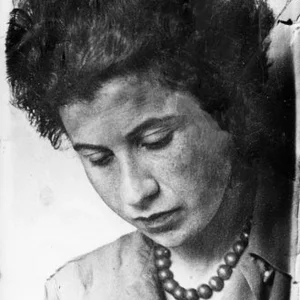
Etty Hillesum
1914 — 1943
Etty Hillesum was a young Dutch Jewish woman whose diary, written between 1941 and 1943, bears witness to a profound inner life in the face of Nazi persecution. Working as a social worker at the Westerbork transit camp, she refused to flee and chose to share the fate of her people. She was deported to Auschwitz, where she died in November 1943 at the age of 29.
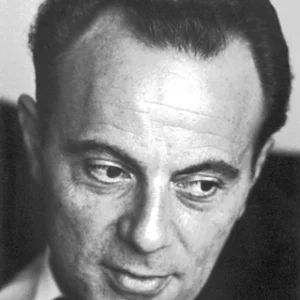
François Jacob
1920 — 2013
François Jacob (1920-2013) was a French biologist and geneticist. Together with Jacques Monod, he uncovered the mechanism of gene regulation, which earned him the Nobel Prize in Physiology or Medicine in 1965.
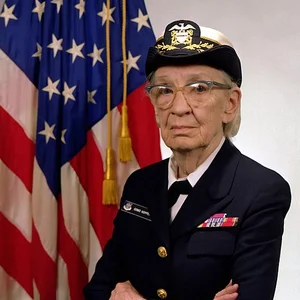
Grace Hopper
1906 — 1992
Grace Hopper, American mathematician and rear admiral, is one of the pioneers of computer science. She developed one of the first compilers and contributed to the creation of the COBOL programming language, revolutionizing programming. She popularized the term "bug" in computing after finding a real insect inside a computer.
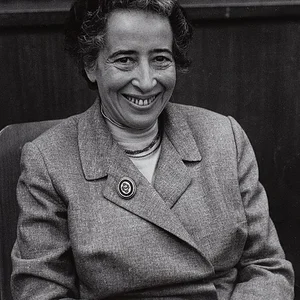
Hannah Arendt
1906 — 1975
German-born American philosopher (1906–1975), Hannah Arendt is one of the most influential thinkers of the 20th century. A refugee in the United States after fleeing Nazism, she developed a critical analysis of totalitarianism, political violence, and the human condition in the modern world.
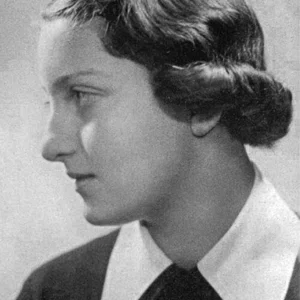
Hannah Senesh
Hungarian Jewish poet and resistance fighter. After emigrating to Mandatory Palestine, she enlisted as a paratrooper in the British army to rescue the Jews of Hungary. Captured, tortured, and executed by the Nazis in 1944, she became a national heroine in Israel.
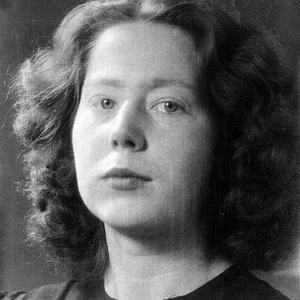
Hannie Schaft
1920 — 1945
Dutch resistance fighter during the Nazi occupation of the Netherlands. Nicknamed “the girl with the red hair,” she took part in sabotage operations and the execution of collaborators before being arrested and shot at the age of 24, three weeks before the liberation.
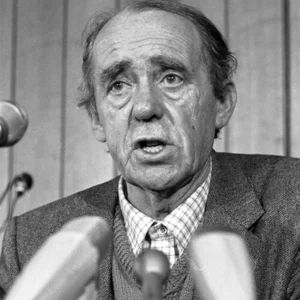
Heinrich Böll
1917 — 1985
German writer, a major figure of post-war literature. His work, marked by a moral critique of West German society and the memory of Nazism, earned him the Nobel Prize in Literature in 1972.
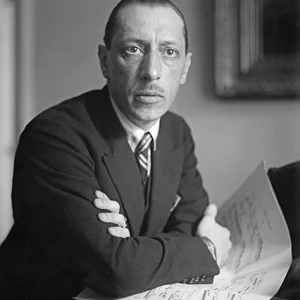
Igor Stravinsky
1882 — 1971
Igor Stravinsky is one of the most influential composers of the 20th century. With his ballets for the Ballets Russes — *The Firebird*, *Petrushka*, and above all *The Rite of Spring* — he revolutionized musical language through bold rhythms and dissonances. Naturalized as a French then American citizen, he traversed all the major aesthetic movements of his time.
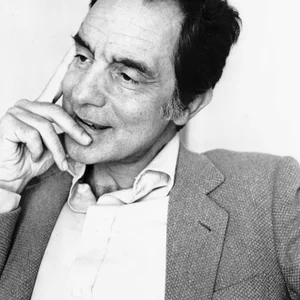
Italo Calvino
1923 — 1985
Italo Calvino (1923-1985) is one of the major Italian writers of the 20th century. Author of fantastical and combinatorial tales such as “The Baron in the Trees” and “Invisible Cities”, he blended fable, science, and literary play with boundless imagination.
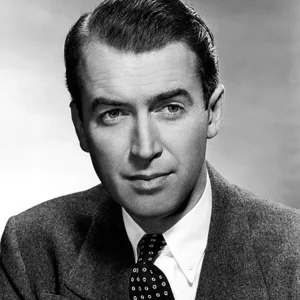
James Stewart
1908 — 1997
James Stewart was one of the most popular actors of classic Hollywood cinema. An embodiment of the ordinary, upright American, he worked under the direction of Frank Capra and Alfred Hitchcock from the 1930s to the 1970s.
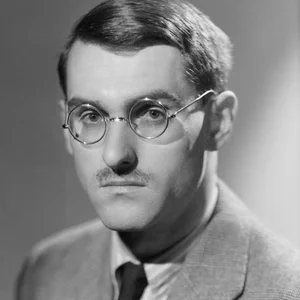
Jean Anouilh
1910 — 1987
French playwright (1910–1987), Jean Anouilh wrote modern plays that reinterpret ancient myths. His 1944 adaptation of Antigone became a landmark work of 20th-century French theatre.
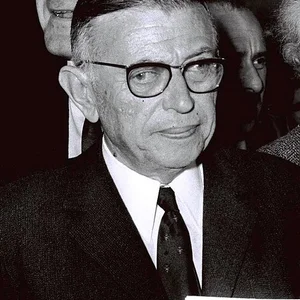
Jean-Paul Sartre
1905 — 1980
French philosopher, writer, and playwright (1905–1980), founder of existentialism. He explored human freedom, responsibility, and commitment through his major philosophical and literary works.
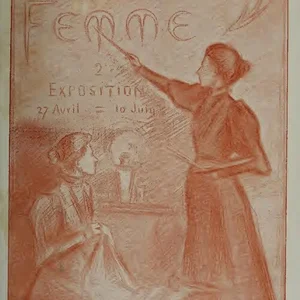
Jeanne Levylier
Jeanne Levylier, known as Janot, was the third wife of Léon Blum, the French socialist statesman. She voluntarily joined him in deportation and married him at the Buchenwald concentration camp in 1943.
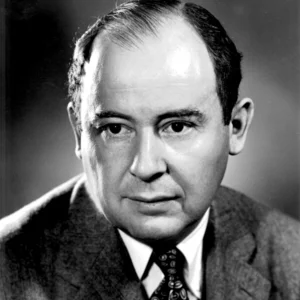
John von Neumann
1903 — 1957
Hungarian-American mathematician and physicist (1903–1957), pioneer of modern computing and game theory. He is the founding architect of the programmable digital computer and contributed to the development of nuclear energy.
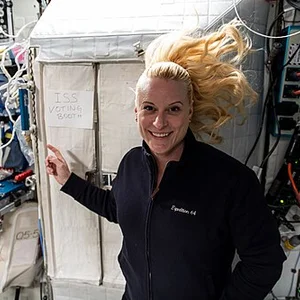
Kathleen Booth
1922 — 2022
Kathleen Booth (1922-2022) was a British computer scientist and mathematician, a pioneer of the early days of computing. She is credited with inventing assembly language and designing the first computers at Birkbeck College in London, alongside Andrew Booth.
Klára Dán von Neumann
American mathematician and programmer of Hungarian origin, regarded as one of the first programmers in history. She wrote and coded programs for the ENIAC computer, notably for weather calculations and simulations related to nuclear weapons.
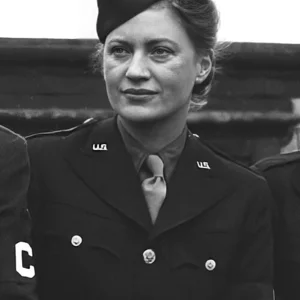
Lee Miller
1907 — 1977
Lee Miller was an American photographer, first a fashion model and then a figure of Surrealism alongside Man Ray. Having become a war correspondent, she photographed the liberation of Europe and the concentration camps in 1945.
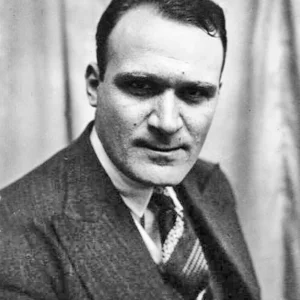
Léo Lagrange
1900 — 1940
A French socialist politician, Léo Lagrange was appointed Under-Secretary of State for Sports and Leisure in the Popular Front government in 1936. He worked to make sport and holidays accessible to the working classes, before dying in combat in June 1940.
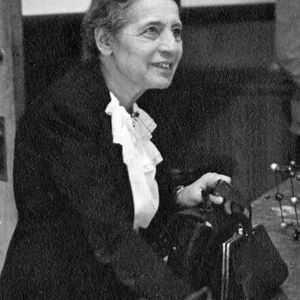
Lise Meitner
1878 — 1968
Austro-Swedish physicist
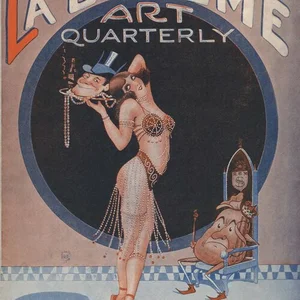
Louise Baldy
1886 — 1949
Louise Baldy is a Frenchwoman recognized as Righteous Among the Nations for having hidden and protected a Jewish family in Pézenas during the Second World War, at the risk of her own life.
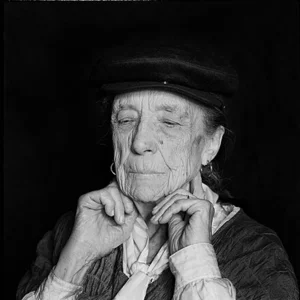
Louise Bourgeois
1911 — 2010
Franco-American sculptor
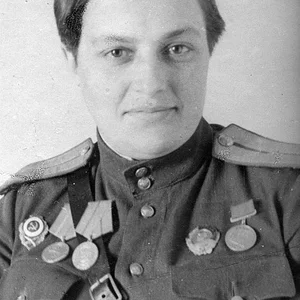
Lyudmila Pavlichenko
1916 — 1974
Lyudmila Pavlichenko is the deadliest sniper in history, credited with 309 confirmed kills on the Soviet-German front. Nicknamed “Lady Death,” she became a symbol of Soviet resistance and an international ambassador as early as 1942.
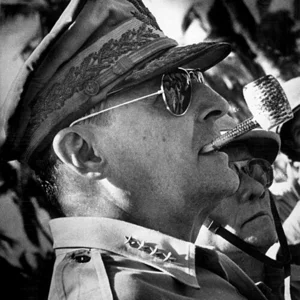
MacArthur
American general, one of the great military figures of the United States in the 20th century. Allied commander-in-chief in the Pacific during the Second World War, he then led the occupation of Japan and afterward the UN forces at the start of the Korean War.
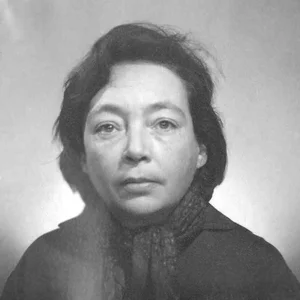
Marguerite Duras
1914 — 1996
French writer, playwright, screenwriter, and filmmaker (1914–1996), Marguerite Duras is a major figure in contemporary literature. Author of The Lover, she revolutionized the novel form by exploring psychological introspection and the formal ruptures of the Nouveau Roman.
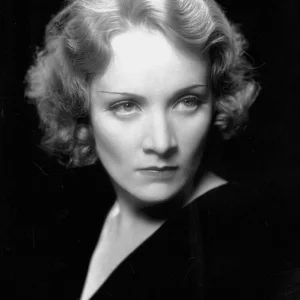
Marlene Dietrich
1901 — 1992
A German-American actress and singer, Marlene Dietrich established herself as an icon of Hollywood cinema in the 1930s. Refusing to collaborate with the Nazi regime, she committed herself to the Allied cause during the Second World War.
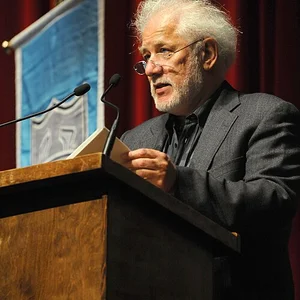
Michael Ondaatje
1943 — ?
Michael Ondaatje is a Canadian writer and poet of Sri Lankan origin, born in 1943 in Colombo. He is known worldwide for his novel The English Patient (1992), which won the Booker Prize and was adapted into a film.
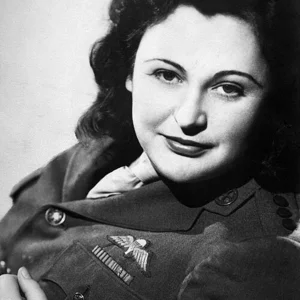
Nancy Wake
1912 — 2011
Resistance fighter of New Zealand and Australian origin, an agent of the British SOE during the Second World War. Nicknamed “the White Mouse” by the Gestapo, she was one of the most decorated women of the conflict for her work in the French Resistance.
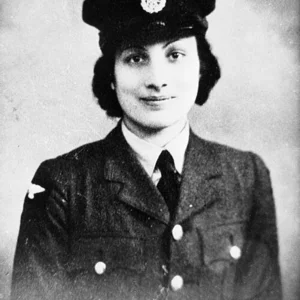
Noor Inayat Khan
1914 — 1944
A radio operator for the British Special Operations Executive (SOE), of Indian origin and Sufi tradition, she was parachuted into occupied France in 1943. Arrested by the Gestapo, she was executed at the Dachau camp in 1944 and posthumously awarded the George Cross.
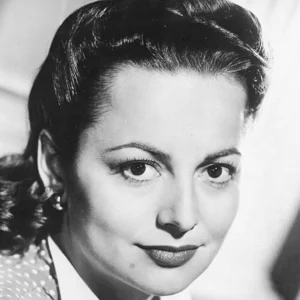
Olivia de Havilland
1916 — 2020
A British actress born in 1916 in Tokyo, Olivia de Havilland was one of Hollywood's greatest stars of the 1930s and 1940s. She won two Academy Awards for Best Actress and successfully fought against the Hollywood studio system, paving the way for actors' contractual freedom.
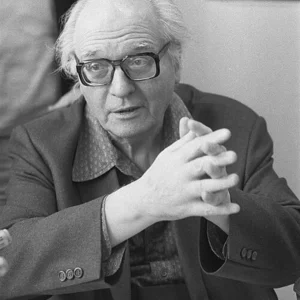
Olivier Messiaen
1908 — 1992
Olivier Messiaen (1908-1992) was a French composer, organist and teacher, one of the major figures of 20th-century music. A deeply devout Catholic and a passionate ornithologist, he renewed musical language through his research into rhythm, sound color and birdsong.
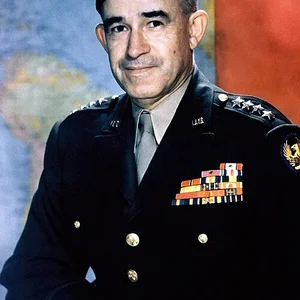
Omar Bradley
1893 — 1981
American general of World War II, he commanded U.S. ground forces during the Normandy landings in June 1944. Nicknamed "the G.I.'s general," he later became the first Chairman of the Joint Chiefs of Staff and the last five-star general in the United States.
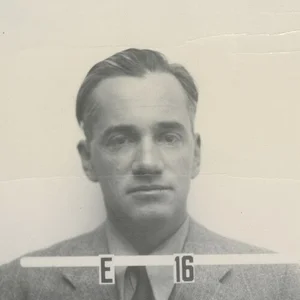
Otto Frisch
1904 — 1979
Austrian-born physicist who became a naturalized British citizen, and nephew of Lise Meitner. Together with his aunt, he provided the first theoretical explanation of nuclear fission in 1939. During the Second World War, he took part in the Manhattan Project and co-wrote the Frisch-Peierls memorandum demonstrating the feasibility of an atomic bomb.
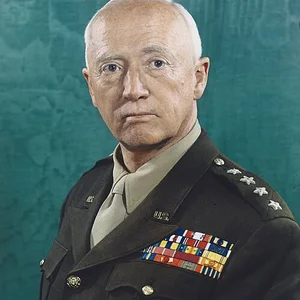
Patton
American general of the Second World War, renowned for his boldness and his mastery of armored warfare. He commanded the U.S. Seventh and then the Third Army during the campaigns in Sicily, Normandy, and Germany.
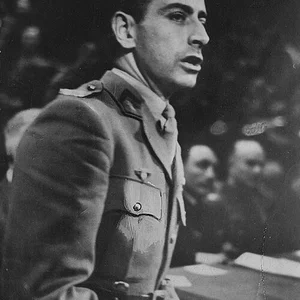
Pierre Brossolette
1903 — 1944
Journalist, politician, and French resistance fighter (1903–1944), Pierre Brossolette was one of the principal organizers of the internal Resistance in liaison with Free France. Arrested by the Gestapo, he took his own life to avoid betraying his comrades under torture.
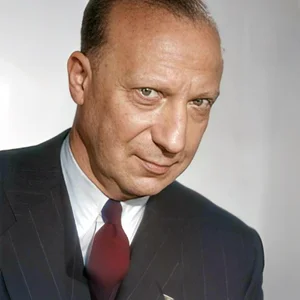
Pierre Dac
1893 — 1975
Pierre Dac (1893-1975) was a French humorist, cabaret songwriter and actor, a major figure of absurdist humour. A member of the Resistance, he became the voice of Free France on Radio London during the Occupation. Together with Francis Blanche he created the famous radio serial “Signé Furax”.
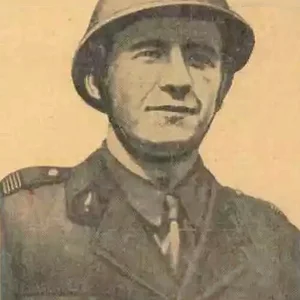
Pierre Georges (Colonel Fabien)
A French communist militant and resistance fighter, he became famous for shooting German officer candidate Alfons Moser at a Paris Métro station on 21 August 1941, the first armed attack against the Nazi occupiers in Paris. He went on to fight with the FTP and later commanded a Free French brigade, dying in combat in Alsace in December 1944.
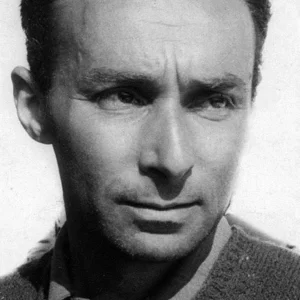
Primo Levi
1919 — 1987
Italian writer and chemist (1919-1987), Primo Levi is the author of landmark testimonies about the Holocaust. Arrested in 1943 as an antifascist partisan, he was deported to Auschwitz where he survived thanks to his skills as a chemist. After the war, he became an essential voice in witness literature.
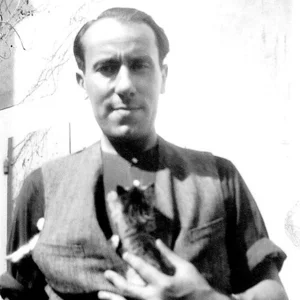
René Char
1907 — 1988
A major French poet of the 20th century, René Char is known for his modern poetry and his involvement in the French Resistance during World War II. His works combine poetic innovation with political commitment, exploring themes of freedom and revolt.
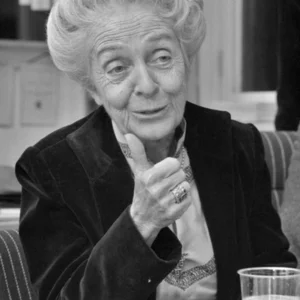
Rita Levi-Montalcini
1909 — 2012
An Italian-American neurologist, Rita Levi-Montalcini discovered nerve growth factor (NGF), revolutionizing neurobiology. She won the Nobel Prize in Medicine in 1986, and continued her research despite fascist racial laws that forced her to work in secret. She remained active in science past the age of 100.
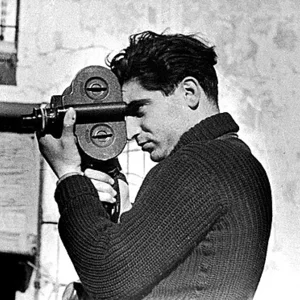
Robert Capa
1913 — 1954
Robert Capa (1913-1954) was a photographer and war correspondent of Hungarian origin. A co-founder of the Magnum Photos agency, he covered five major conflicts of the 20th century and embodies war photojournalism.
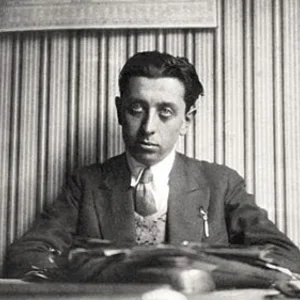
Robert Desnos
1900 — 1945
French poet (1900–1945) and major figure of Surrealism, celebrated for his wordplay and innovative poetry. A committed member of the French Resistance during World War II, he was deported and died at the Terezín concentration camp in 1945.
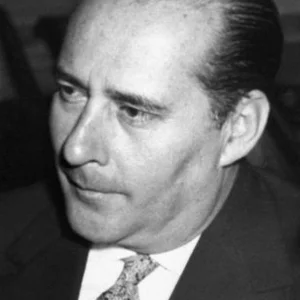
Roberto Rossellini
1906 — 1977
Roberto Rossellini (1906-1977) was an Italian director and a major figure of neorealism. With films like *Rome, Open City*, he revolutionized cinema by capturing the reality of postwar Italy, shooting with a handheld camera and non-professional actors.
Romain Gary
1914 — 1980
Romain Gary, born Roman Kacew in Vilnius in 1914, was a French novelist, aviator, and diplomat. He is the only author to have won the Prix Goncourt twice, one of them under the pen name Émile Ajar.
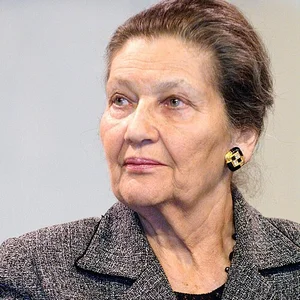
Simone Veil
1927 — 2017
French politician (1927-2017), Holocaust survivor, and Minister of Health under Valéry Giscard d'Estaing. She is celebrated for championing the law decriminalizing abortion in France in 1975, a landmark victory for women's rights.
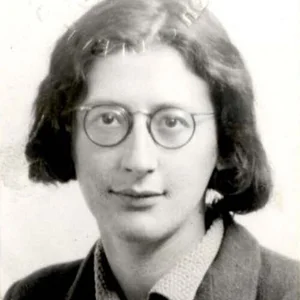
Simone Weil
1909 — 1943
French philosopher (1909-1943) committed to social and spiritual engagement. She combined philosophical reflection with direct action alongside workers and the oppressed, while developing an original mystical thought. Her work, published posthumously, explores the relationships between labor, justice, and transcendence.
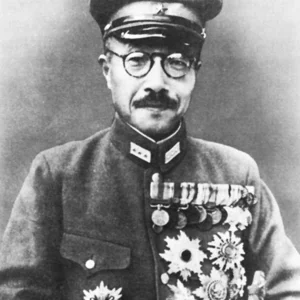
Tojo
1884 — 1948
Japanese general and statesman, Prime Minister of Japan from 1941 to 1944. A leading figure of Japanese militarism, he ordered the attack on Pearl Harbor, which brought Japan into war against the United States. Tried as a Class A war criminal, he was sentenced to death and executed in 1948.
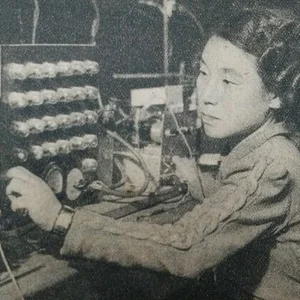
Toshiko Yuasa
1909 — 1980
Toshiko Yuasa (1909-1980) was the first female Japanese physicist. A specialist in radioactivity and nuclear physics, she spent the bulk of her career in France, at the CNRS, following in the footsteps of the Joliot-Curies' work.
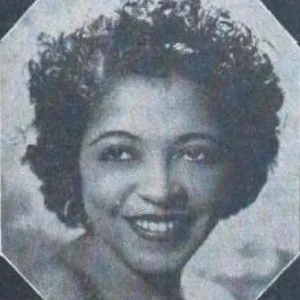
Valaida Snow
1904 — 1956
Valaida Snow (1904-1956) was an African American jazz trumpeter, singer, and bandleader. Nicknamed “the Queen of the Trumpet,” she enjoyed an international career between the two World Wars before the Second World War shattered her trajectory.
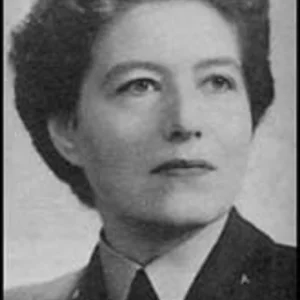
Vera Atkins
1908 — 2000
Vera Atkins was a British intelligence officer of Romanian origin and a leading figure in the French section of the Special Operations Executive (SOE) during the Second World War. As a recruiter and trainer of the agents sent into occupied France, she devoted the post-war years to tracing the fate of the agents who had gone missing, especially the women who had been deported.
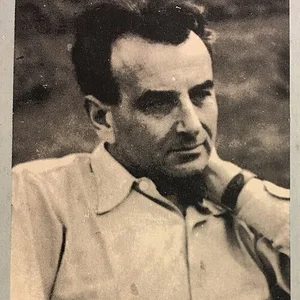
Vercors
1902 — 1991
French writer and illustrator (1902-1991), Vercors is the author of the Resistance novel "The Silence of the Sea" (1942), published clandestinely during the Occupation. Co-founder of Les Éditions de Minuit, he fought against Nazism through the power of writing.
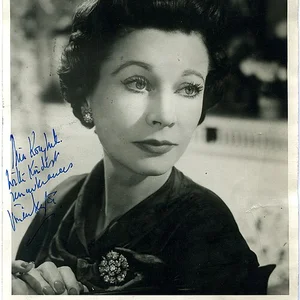
Vivien Leigh
1913 — 1967
British actress born in 1913, Vivien Leigh is world-famous for her role as Scarlett O'Hara in Gone with the Wind (1939). A two-time Oscar winner, she embodied Hollywood glamour while also pursuing a demanding stage career in London.
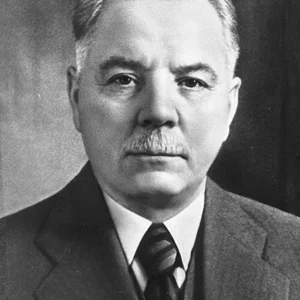
Voroshilov
1881 — 1969
Soviet marshal and statesman, one of the first Marshals of the Soviet Union appointed in 1935. A close associate of Stalin, he served as People's Commissar for Defence and later as the nominal head of the Soviet state from 1953 to 1960.
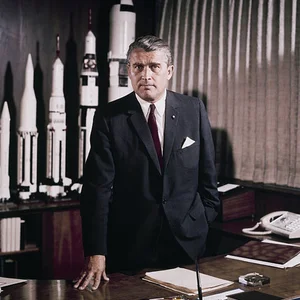
Wernher von Braun
1912 — 1977
A German-American aerospace engineer, he designed the V-2 rocket for Nazi Germany before being recruited by the United States. He then led NASA's Saturn V program, which carried Apollo 11 to the Moon in 1969.
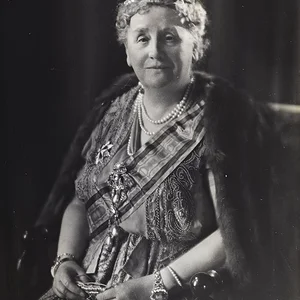
Wilhelmine
1880 — 1962
Queen of the Netherlands from 1890 to 1948, Wilhelmine embodied the national resistance during the Nazi occupation. Taking refuge in London, she led the government in exile and kept the morale of the Dutch people alive through her radio broadcasts.
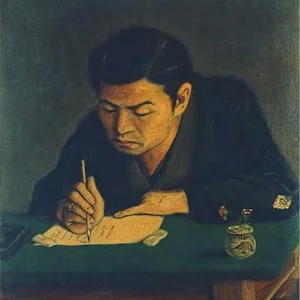
Yamamoto
1984 — ?
Japanese admiral, commander-in-chief of the Combined Fleet of the Imperial Japanese Navy during World War II. The architect of the surprise attack on Pearl Harbor in 1941, he was one of the leading naval strategists in the Pacific before being shot down in 1943.
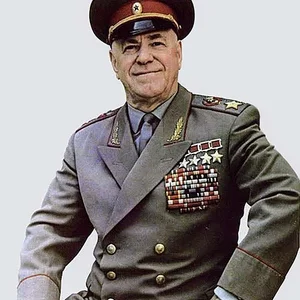
Zhukov
1896 — 1974
Marshal of the Soviet Union and the leading military commander of the Red Army during the Second World War. Victorious in decisive battles against Nazi Germany, he led the final assault on Berlin in 1945.