 flip
flipMaza — Barley Flatbread of Mortals
Maza — Barley Flatbread of Mortals
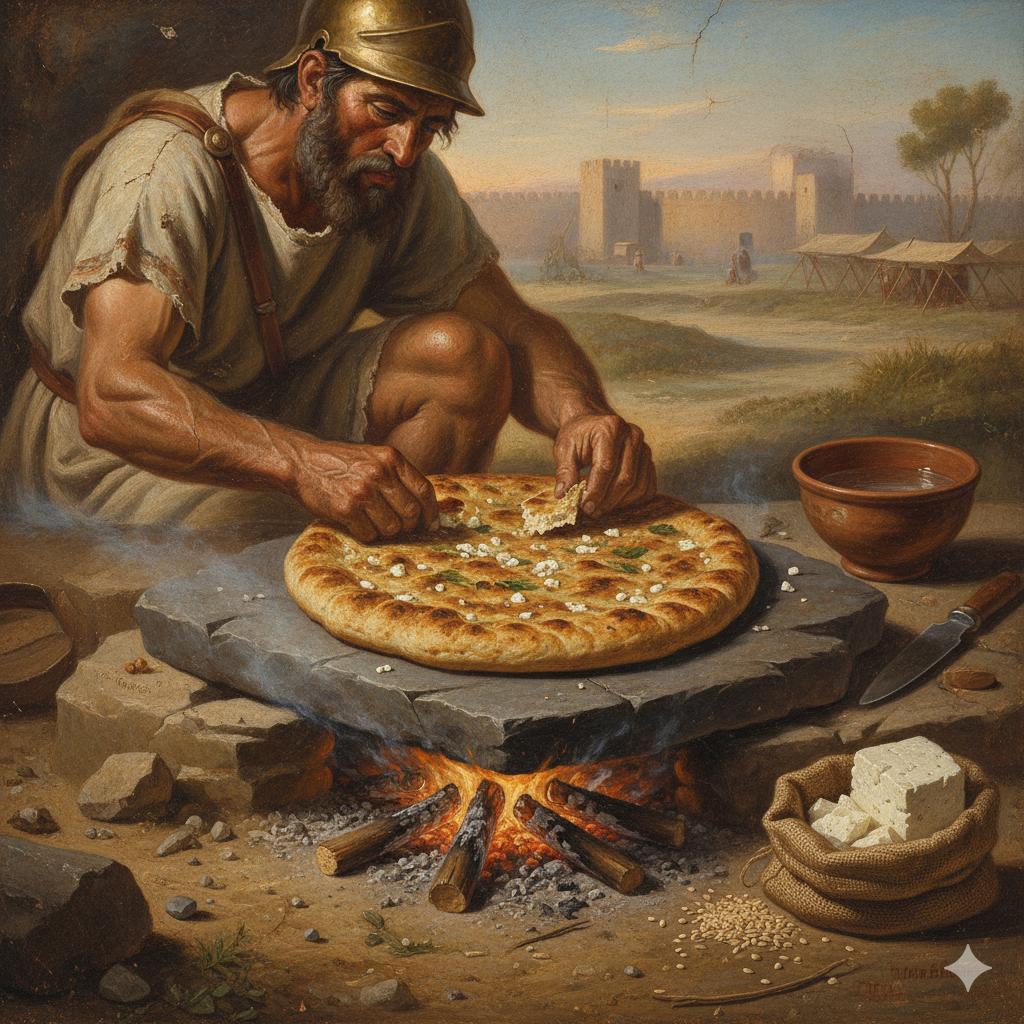
Why this dish? Before Prometheus, men ate raw and lived like beasts. Fire allowed them to roast barley and make maza, the daily bread of all Greece. This humble dish is the very symbol of the civilization it made possible: grain, fire, and an ordered life.
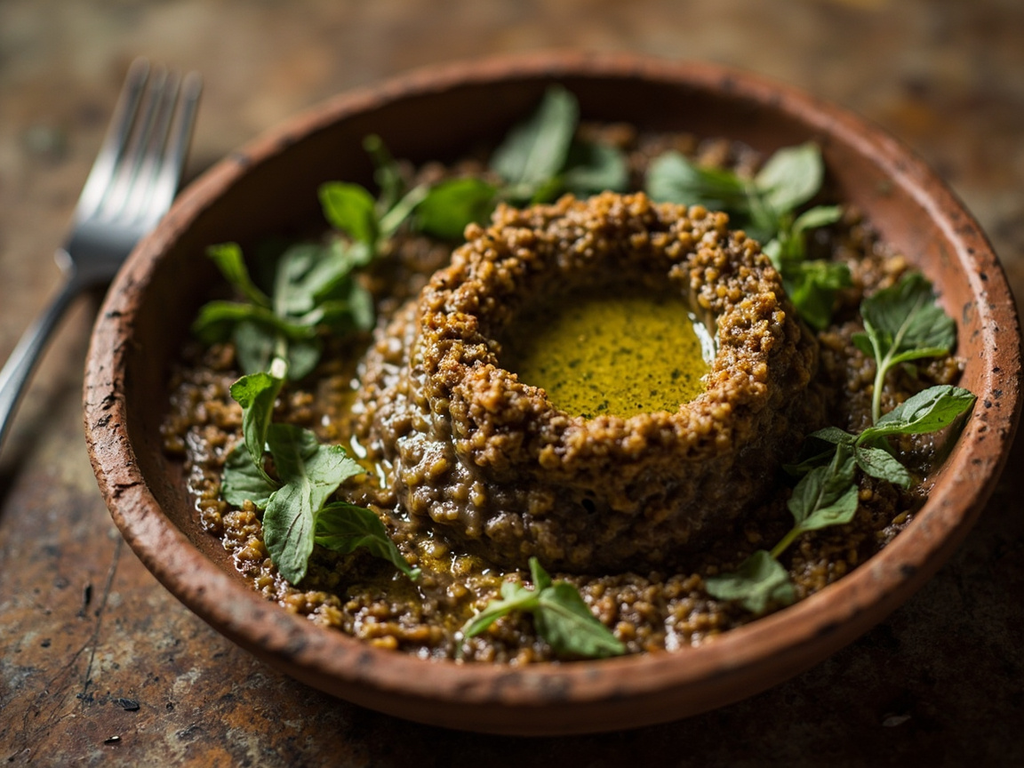
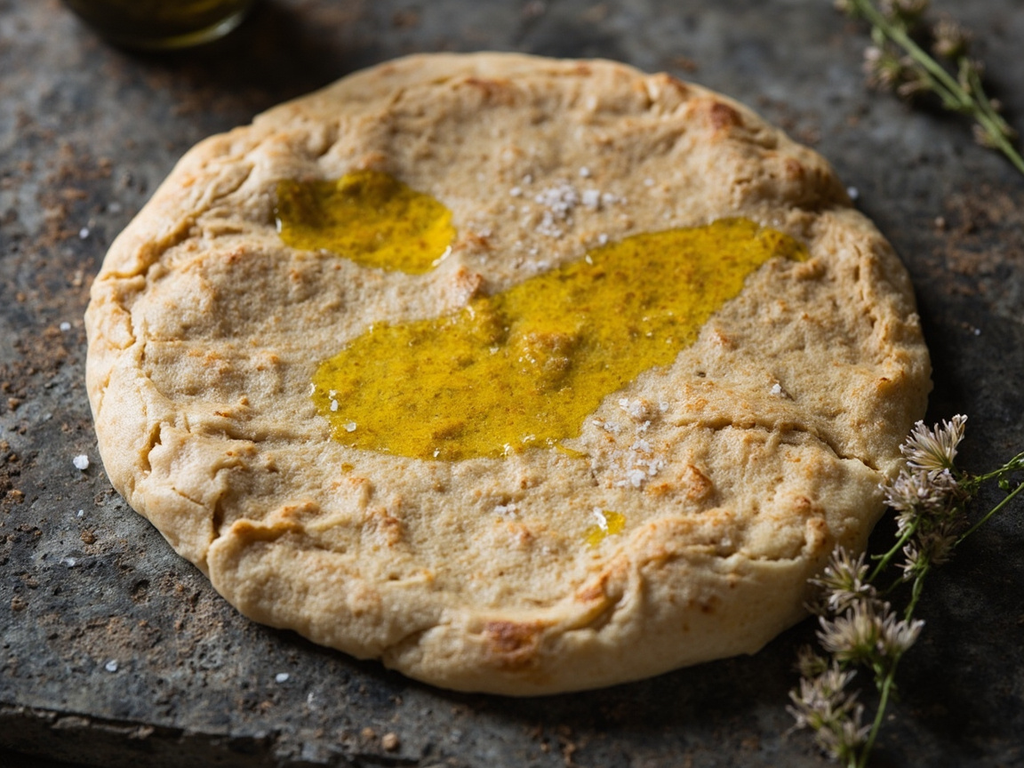
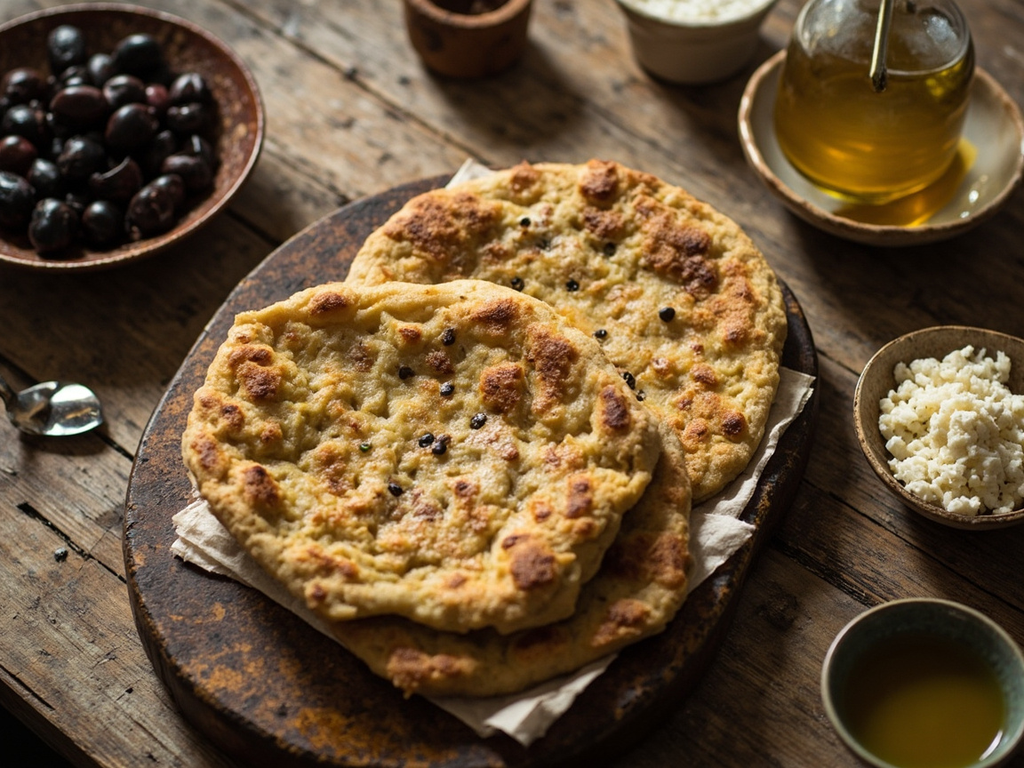
A grilled barley flatbread, barely cooked, kneaded with water and oil — the everyday bread of the ordinary Greek, eaten with olives and cheese.
Look at this poor flatbread, mortal, and do not despise it. Before me, you browsed your food raw, without hearth or table. It is the stolen fire that taught you to roast barley grain, to grind it and knead it into this maza that fills your belly each day. Kings have their meats, but it is this modest flatbread that made you a civilized being — I am prouder of it than of all the gold of Olympus.
- •Roasted barley flour (alphita) — two handfuls (grain base)
- •Water — as needed (binder)
- •Olive oil — a drizzle (softness and flavor)
- •Salt — a pinch (seasoning)
Maza — Barley Flatbread of Mortals
A grilled barley flatbread, barely cooked, kneaded with water and oil — the everyday bread of the ordinary Greek, eaten with olives and cheese.
Why this dish? Before Prometheus, men ate raw and lived like beasts. Fire allowed them to roast barley and make maza, the daily bread of all Greece. This humble dish is the very symbol of the civilization it made possible: grain, fire, and an ordered life.
Look at this poor flatbread, mortal, and do not despise it. Before me, you browsed your food raw, without hearth or table. It is the stolen fire that taught you to roast barley grain, to grind it and knead it into this maza that fills your belly each day. Kings have their meats, but it is this modest flatbread that made you a civilized being — I am prouder of it than of all the gold of Olympus.
Ingredients (period version)
- Roasted barley flour (alphita) — two handfuls (grain base)
- Water — as needed (binder)
- Olive oil — a drizzle (softness and flavor)
- Salt — a pinch (seasoning)
Ingredients
- Barley flour — 200 g (base)
- Warm water — about 120 ml (binder)
- Olive oil — 2 tbsp (suppleness and flavor)
- Salt — 1/2 tsp (seasoning)
- Olives and fresh cheese (feta or brousse) — to accompany (opson, the "that-which-goes-with")
Method
- Lightly toast the barley flour in a dry pan for 2-3 minutes to bring out its nutty flavor, then let cool.
- Mix the flour, salt, oil and warm water to obtain a soft, non-sticky dough.
- Shape into flat discs about half a centimeter thick.
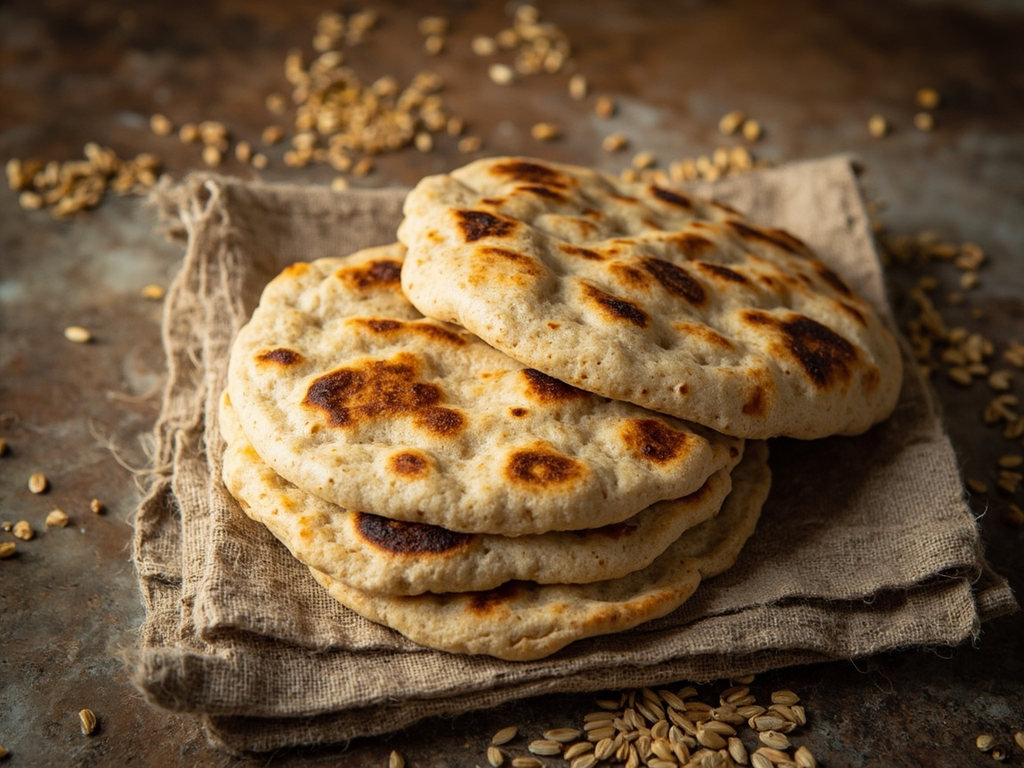
- Cook on a hot griddle or pan for 3-4 minutes per side, until golden spots appear.
- Serve warm, accompanied by olives and fresh cheese.
How it was made : Maza, made from barley flour (the Greeks roasted the grain before grinding it, as barley does not rise well), was the staple food much more than wheat bread (artos), which was reserved for feast days or the wealthy. It was often eaten barely cooked, almost like a firm paste, with an opson.
The contemporary twist : Present as mini appetizer flatbreads topped with an olive and a crumble of feta, a "civilization to share" version.
Sources : Andrew Dalby, Siren Feasts: A History of Food and Gastronomy in Greece (1996) · Athenaeus, Deipnosophists, Book III (on maza)
Prometheus · Charactorium