 flip
flipEgg and Cheese Rissoles, the Fox's Fried Street Snack
Egg and Cheese Rissoles, the Fox's Fried Street Snack
Why this dish? Renart is also a character of towns and fairs, where he cheats merchants and bystanders. Rissoles—small fried pastries sold piping hot in medieval streets—are the food of the hurried trickster: you grab one on the go, steal it from the stall, and dash away before the merchant cries thief.
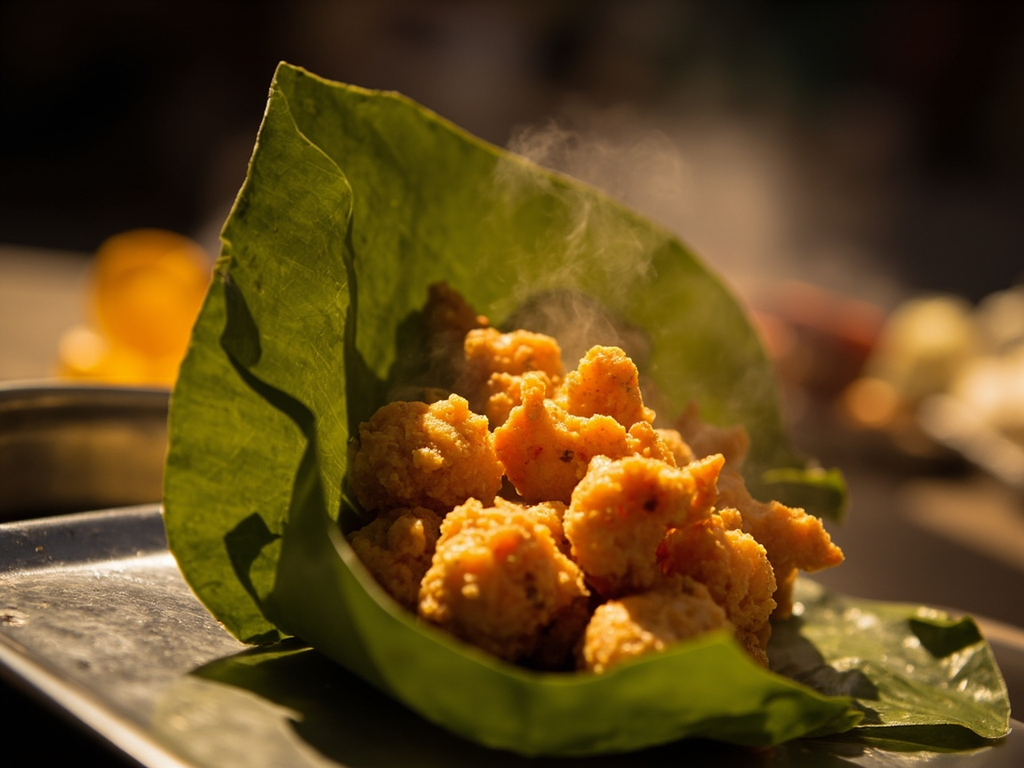
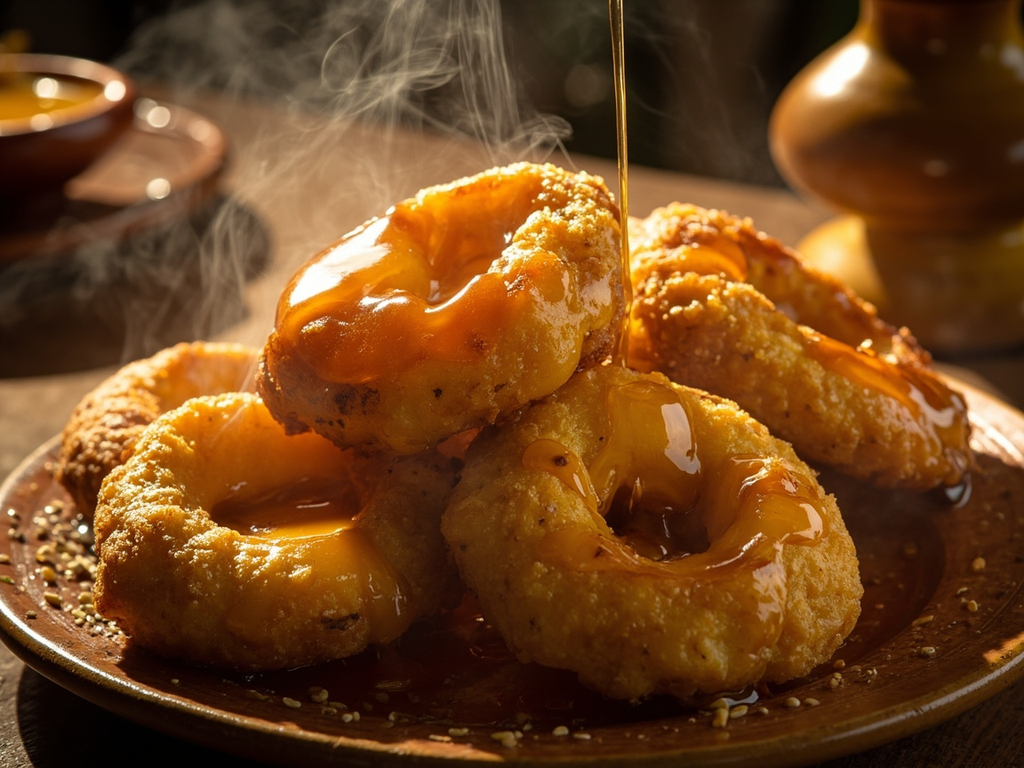
Small pastry turnovers filled with mashed hard-boiled eggs and aged cheese, fried until golden. The quintessential medieval street food, sold hot by pastry cooks and waferers at crossroads and fairs.
Here, friend, bite into this while it's hot—but don't ask where I got it! It's a rissole, a little golden turnover, stuffed with crushed eggs and sharp cheese that smells of the cellar. The pastry cook piles them on his stall at the fair corner; I pass by, greet with one paw, snatch one with the other, and hop, already gone. Hot fried food in the palm of the hand—that's the true feast of the running fox: no tablecloth, no ceremony, just a quick tooth and a light foot.
- •Hard-boiled eggs — several (filling)
- •Aged cheese — a good handful (fermented flavor)
- •Fine spices (ginger, pepper) — a pinch (lift)
- •Wheat pastry — for the turnovers (wrapper)
- •Lard or oil — for frying (cooking)
Egg and Cheese Rissoles, the Fox's Fried Street Snack
Small pastry turnovers filled with mashed hard-boiled eggs and aged cheese, fried until golden. The quintessential medieval street food, sold hot by pastry cooks and waferers at crossroads and fairs.
Why this dish? Renart is also a character of towns and fairs, where he cheats merchants and bystanders. Rissoles—small fried pastries sold piping hot in medieval streets—are the food of the hurried trickster: you grab one on the go, steal it from the stall, and dash away before the merchant cries thief.
Here, friend, bite into this while it's hot—but don't ask where I got it! It's a rissole, a little golden turnover, stuffed with crushed eggs and sharp cheese that smells of the cellar. The pastry cook piles them on his stall at the fair corner; I pass by, greet with one paw, snatch one with the other, and hop, already gone. Hot fried food in the palm of the hand—that's the true feast of the running fox: no tablecloth, no ceremony, just a quick tooth and a light foot.
Ingredients (period version)
- Hard-boiled eggs — several (filling)
- Aged cheese — a good handful (fermented flavor)
- Fine spices (ginger, pepper) — a pinch (lift)
- Wheat pastry — for the turnovers (wrapper)
- Lard or oil — for frying (cooking)
Ingredients
- Hard-boiled eggs — 4 (filling)
- Aged grated cheese (aged Comté, Tomme, or a mild blue) — 100 g (fermented flavor)
- Ginger and pepper — a pinch each (lift)
- Shortcrust or turnover pastry — 300 g (wrapper)
- Frying oil (or lard) — for cooking (frying)
- Salt — to taste (seasoning)
Method
- Mash the hard-boiled eggs with a fork, mix with the grated cheese, salt, pepper, and a pinch of ginger.
- Roll out the pastry thinly and cut into discs about 10 cm in diameter.
- Place a spoonful of filling in the center, fold over into a turnover, and seal the edges firmly by pinching.
- Fry in hot oil (170°C) for a few minutes per side until golden brown, then drain on a cloth.
- Eat hot, by hand, as at a medieval fair stall.
How it was made : Fried rissoles, sweet or savory, were common street and fair food in the Middle Ages, sold by pastry cooks and waferers. The egg-and-cheese filling is typical of 'lean' days without meat, and the aged cheese provided the bold, tangy fermented taste that was much appreciated.
The contemporary twist : Serve them in a paper cone as unabashed medieval street food, with a small pot of verjuice mustard for dipping.
Sources : Le Ménagier de Paris (c. 1393), rissole recipes · Le Viandier de Taillevent, small fried dishes
Renart · Charactorium