 flip
flipHypocras, the Spiced Wine of the Issue de Table
Hypocras, the Spiced Wine of the Issue de Table
Why this dish? When King Noble's banquet ends, hypocras is served to close and aid digestion. The cunning Renart, who always knows how to linger where good wine flows, appreciates this end-of-feast drink—and takes advantage of the other guests' drunkenness to better trick them.
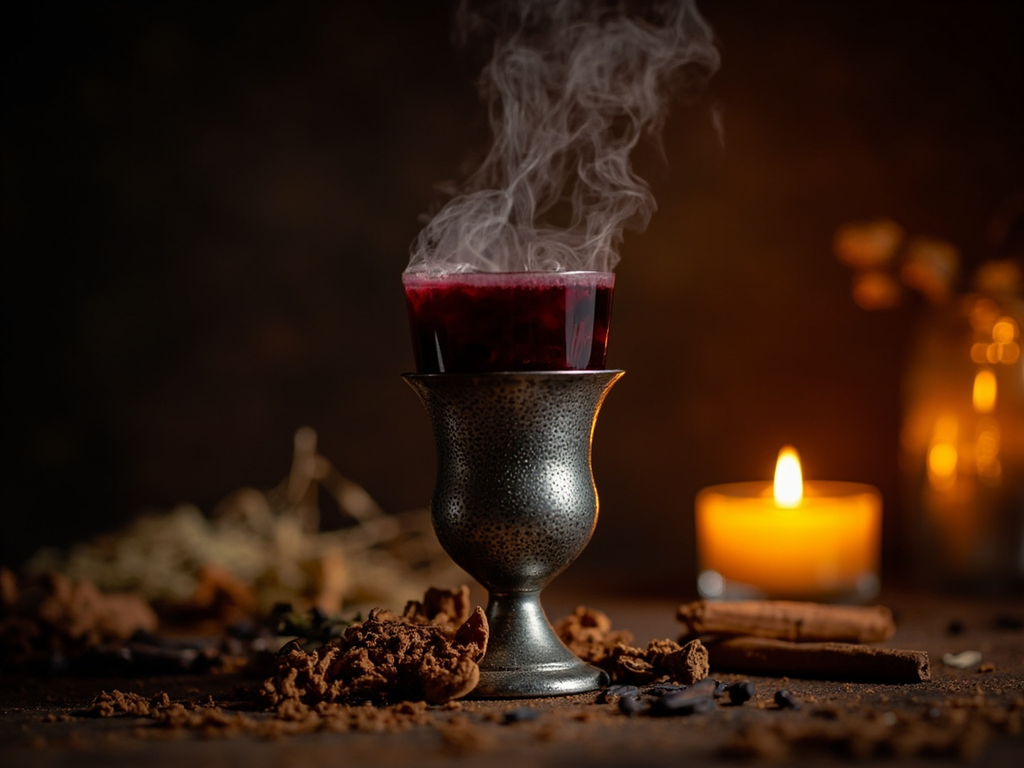
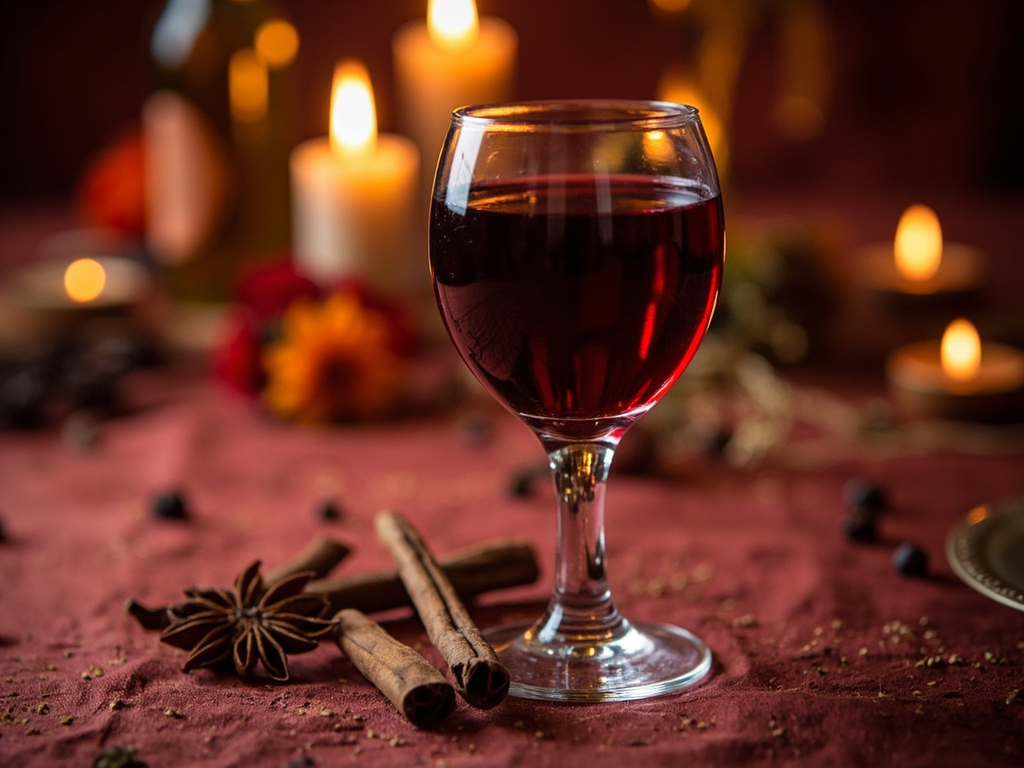
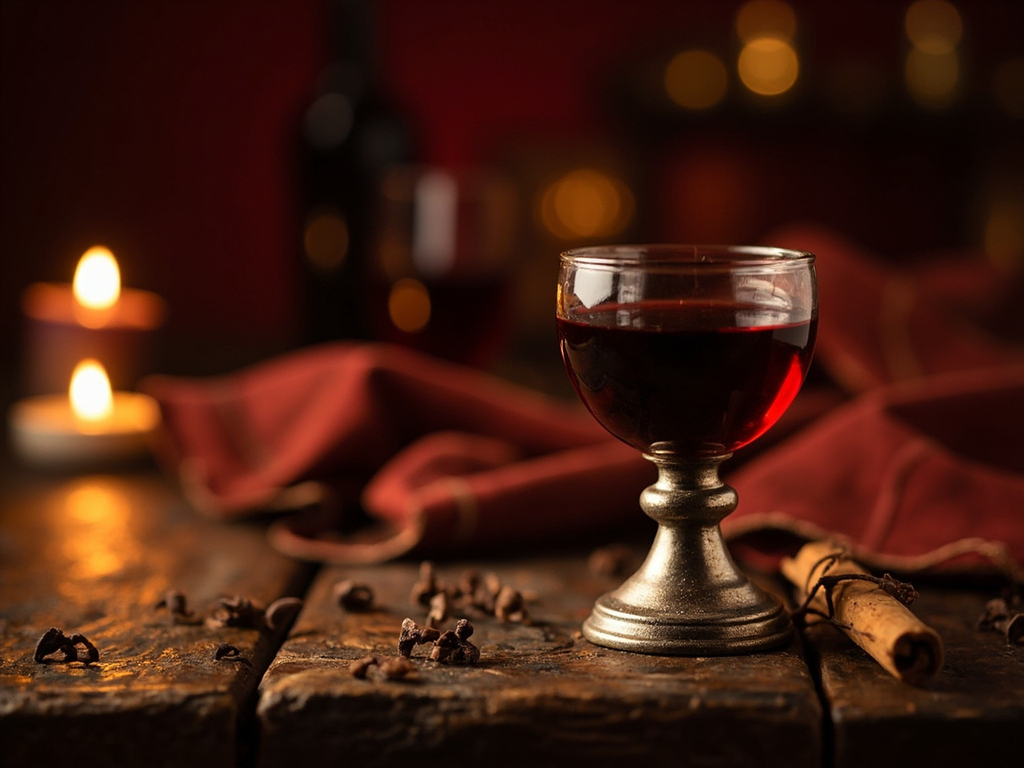
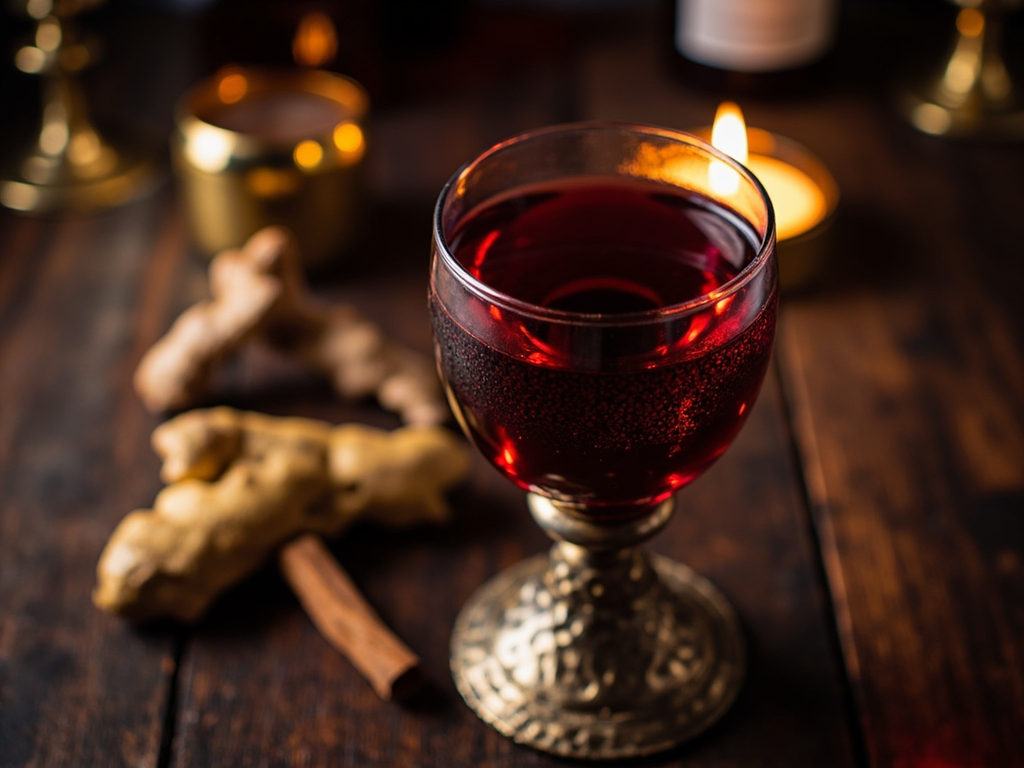
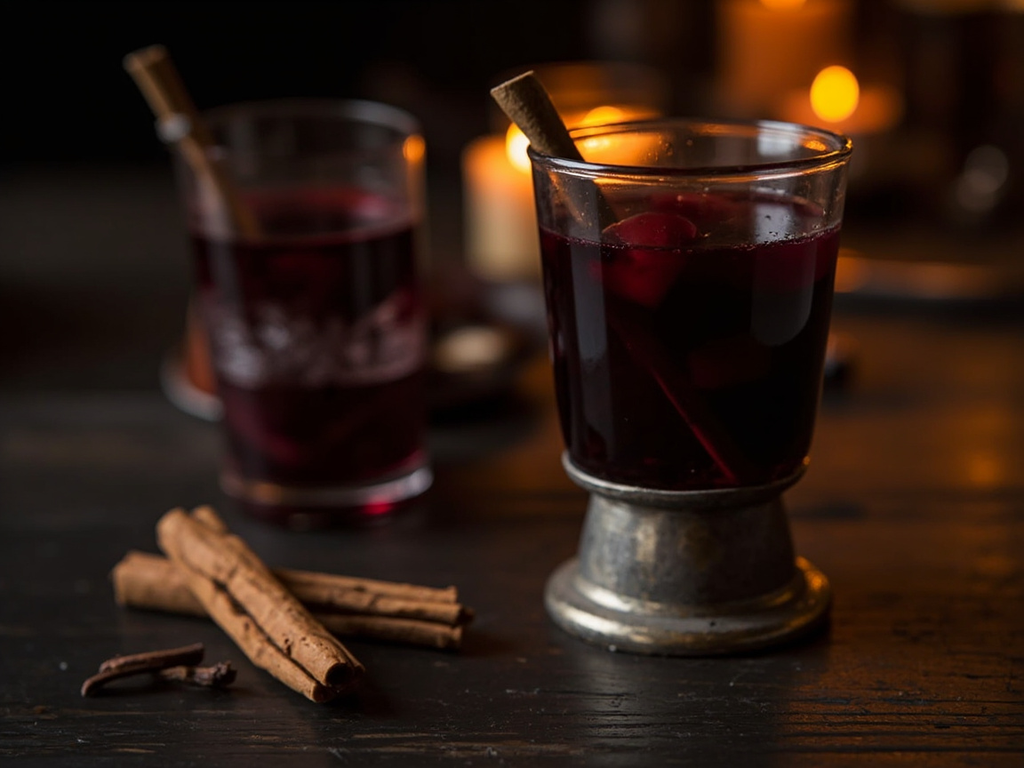
A red or white wine sweetened with honey and infused with spices (cinnamon, ginger, cloves), then filtered through a 'chausse' (a conical filter). The prestige drink that closed medieval meals, reputed to aid digestion.
The feast draws to a close, my lords, but do not rise yet: here is hypocras! Good wine in which I have melted honey, and within it cinnamon, ginger, cloves, left to steep overnight before straining everything through the chausse. Drink a cup, friend, it warms the belly and loosens the tongue—especially my neighbor's, who will soon say more than he wishes. While he babbles and his head spins, I, Renart, keep a clear mind: a wise fox knows how far to fill his cup.
- •Wine (red or white) — a pitcher (base)
- •Honey — a good handful (medieval sweetener (no common sugar))
- •Cinnamon — generous (master spice)
- •Ginger — a little (warmth)
- •Cloves — a few (fragrance)
- •Grains of paradise — a pinch (noble heat)
Hypocras, the Spiced Wine of the Issue de Table
A red or white wine sweetened with honey and infused with spices (cinnamon, ginger, cloves), then filtered through a 'chausse' (a conical filter). The prestige drink that closed medieval meals, reputed to aid digestion.
Why this dish? When King Noble's banquet ends, hypocras is served to close and aid digestion. The cunning Renart, who always knows how to linger where good wine flows, appreciates this end-of-feast drink—and takes advantage of the other guests' drunkenness to better trick them.
The feast draws to a close, my lords, but do not rise yet: here is hypocras! Good wine in which I have melted honey, and within it cinnamon, ginger, cloves, left to steep overnight before straining everything through the chausse. Drink a cup, friend, it warms the belly and loosens the tongue—especially my neighbor's, who will soon say more than he wishes. While he babbles and his head spins, I, Renart, keep a clear mind: a wise fox knows how far to fill his cup.
Ingredients (period version)
- Wine (red or white) — a pitcher (base)
- Honey — a good handful (medieval sweetener (no common sugar))
- Cinnamon — generous (master spice)
- Ginger — a little (warmth)
- Cloves — a few (fragrance)
- Grains of paradise — a pinch (noble heat)
Ingredients
- Fruity red wine (or semi-sweet white) — 1 bottle (75 cl) (base)
- Honey — 4 to 6 tablespoons (sweetener)
- Cinnamon stick — 1 (master spice)
- Fresh ginger — 3 thin slices (warmth)
- Cloves — 4 (fragrance)
- Grains of paradise or cardamom — 1 pinch (heat)
Method
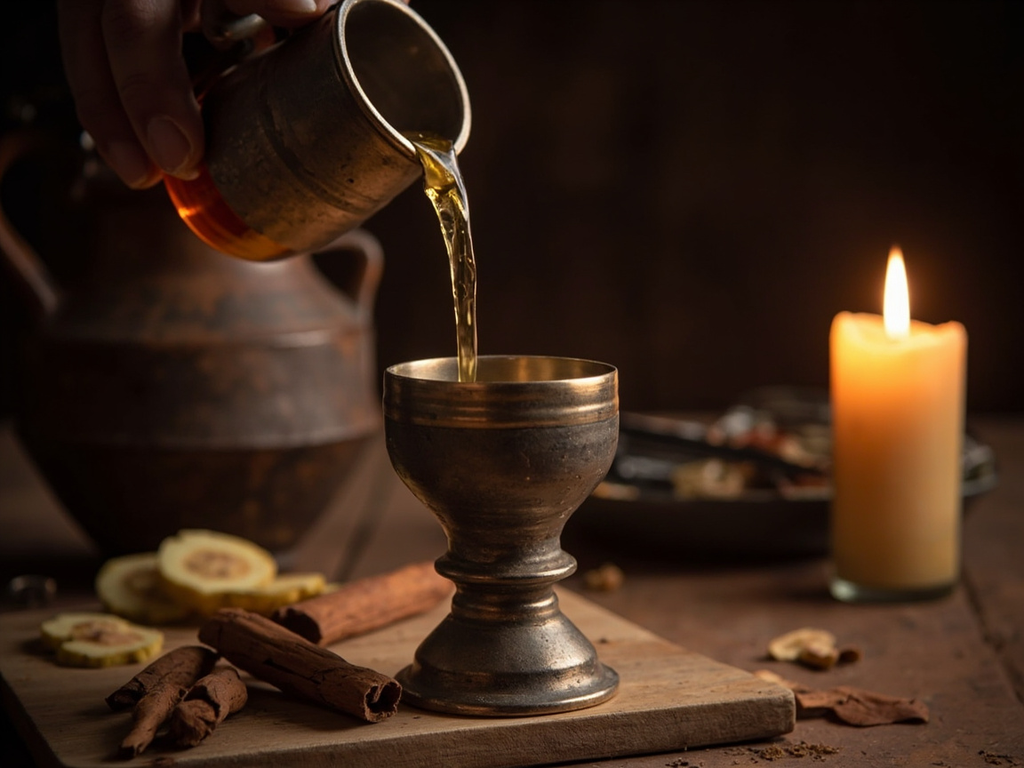
- Gently warm (do not boil) the wine with the honey until fully dissolved.
- Add cinnamon, ginger, cloves, and grains of paradise, remove from heat, and let infuse covered for several hours, ideally overnight.
- Filter carefully through a fine cloth (the medieval 'chausse') to obtain a clear liquid.
- Serve cool or slightly warm, in small cups, as a meal closer.
- Keeps for a few days in a sealed bottle in a cool place.
How it was made : Hypocras (whose name evokes Hippocrates, via the 'sleeve of Hippocrates' used to filter it) was the ceremonial drink of the issue de table. Sweetened with honey and richly spiced, it displayed the host's wealth and was thought to aid digestion after long banquets.
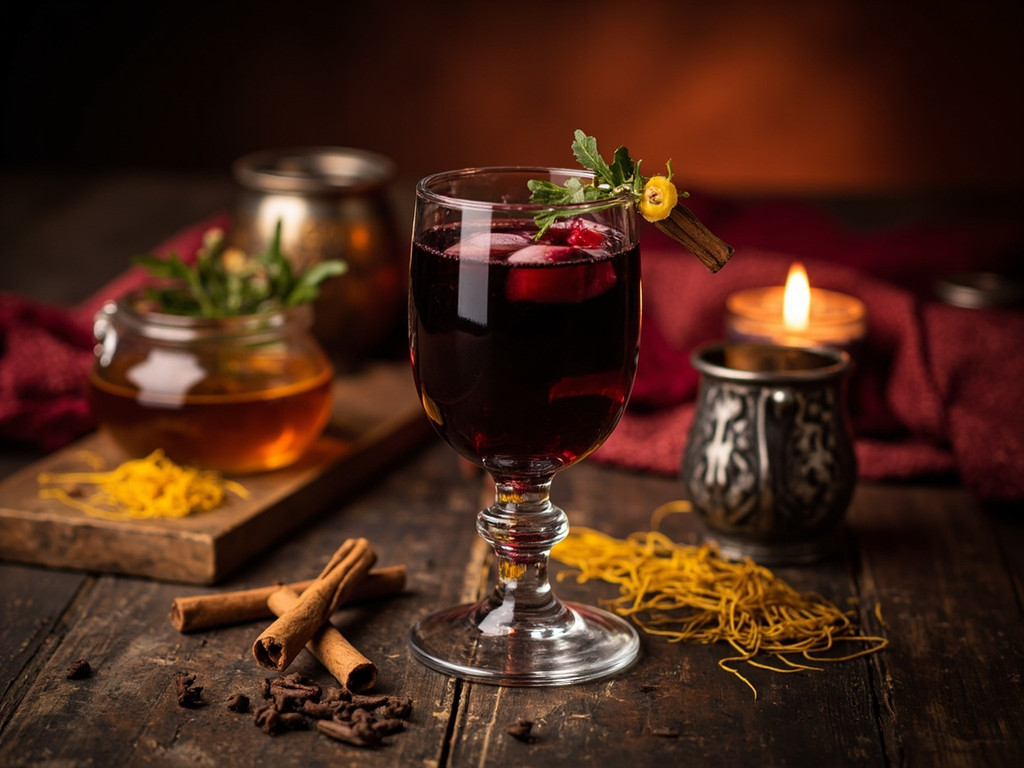
The contemporary twist : Serve it chilled in small glasses as a period apéritif, or make aromatic ice cubes to flavor a winter mulled wine.
Sources : Le Ménagier de Paris (c. 1393), hypocras recipe · Le Viandier de Taillevent, spiced wines for the end of meals
Renart · Charactorium