 flip
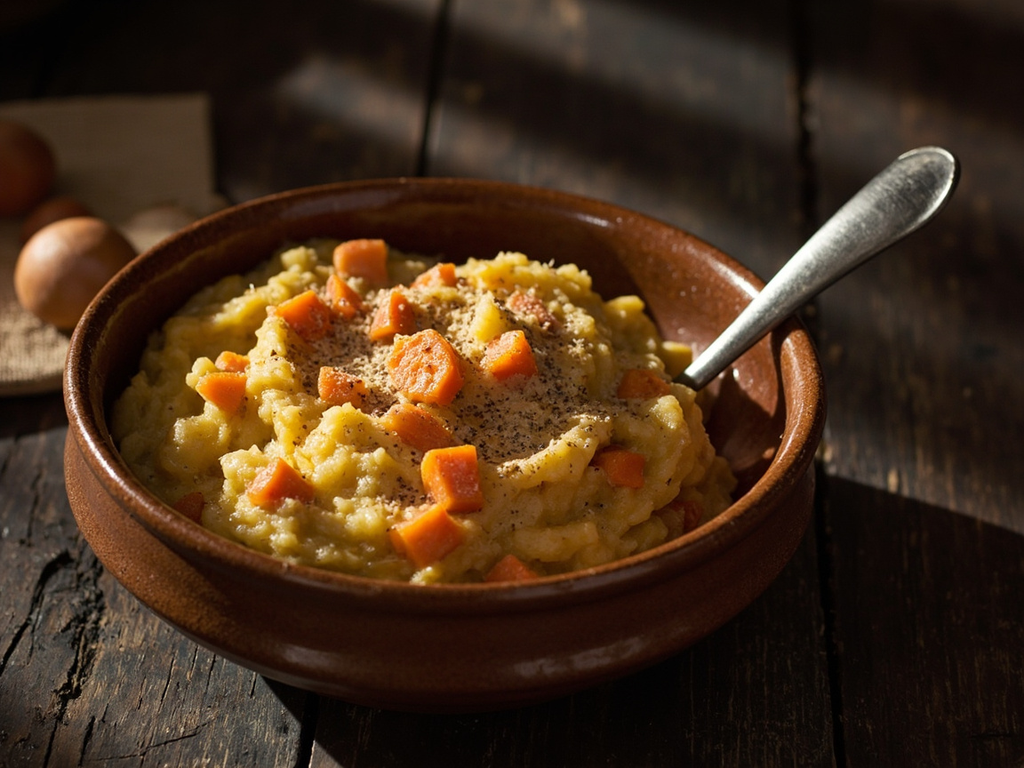
flipLeiden Hutspot with carrots and parsnips
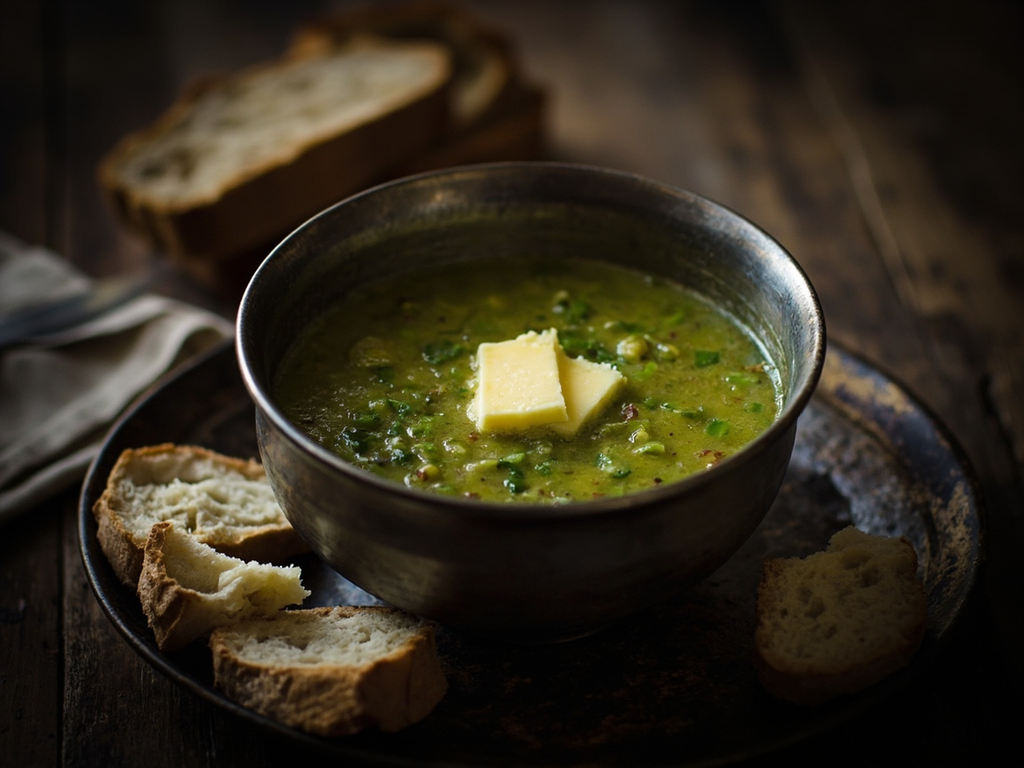
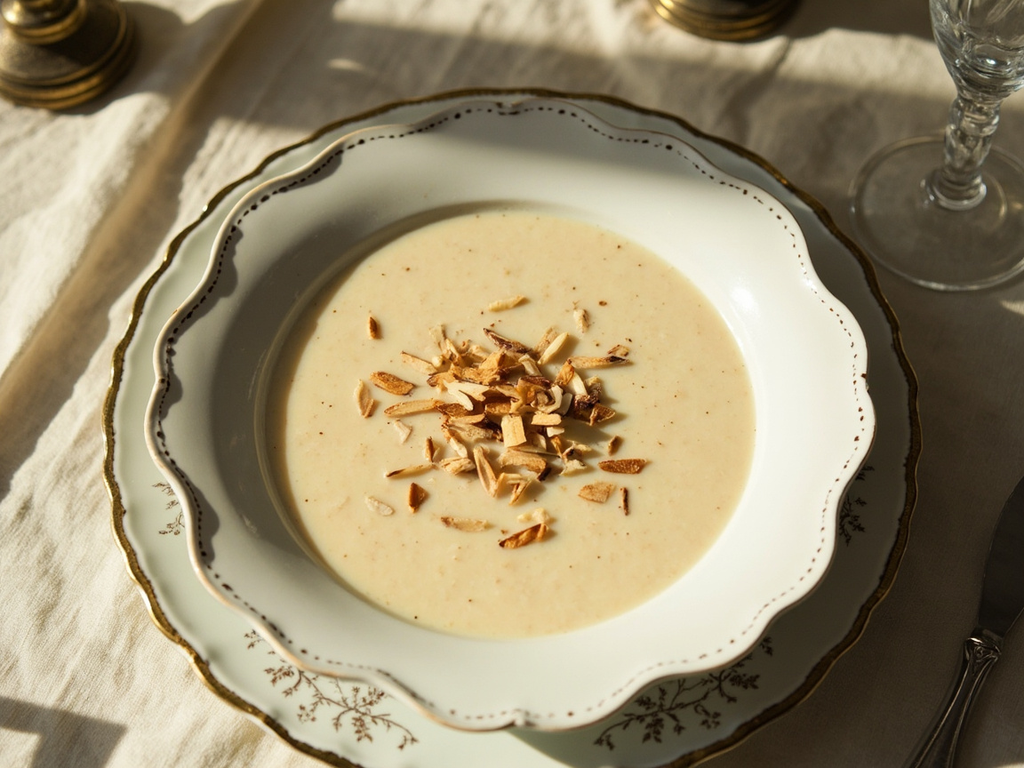
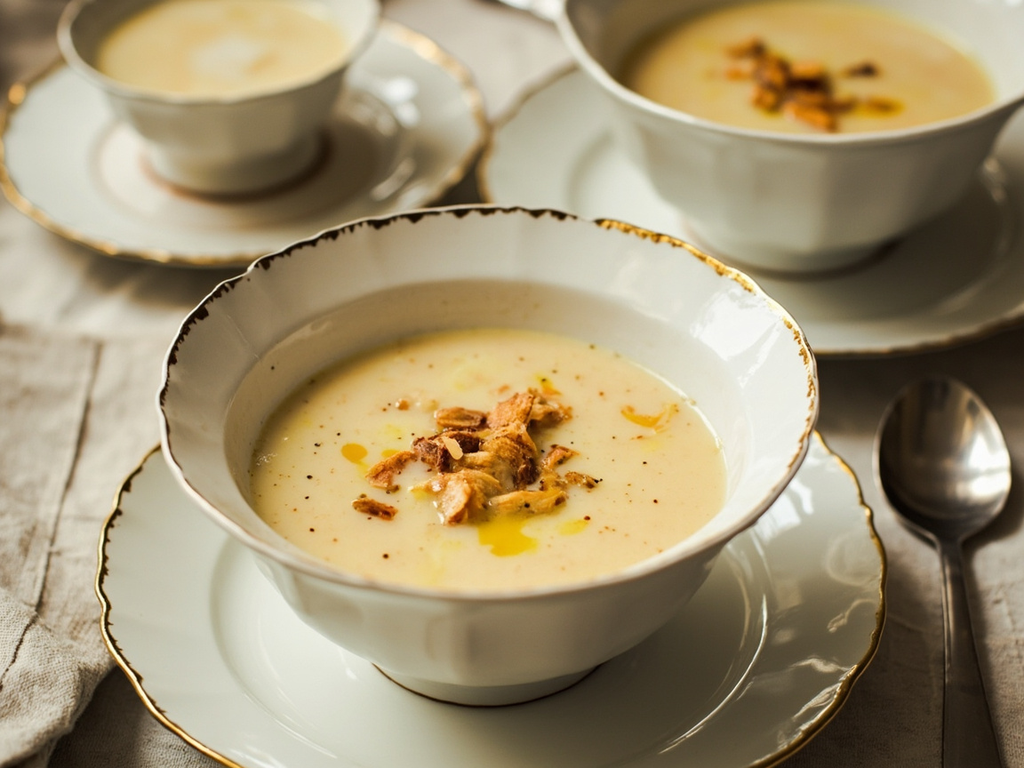
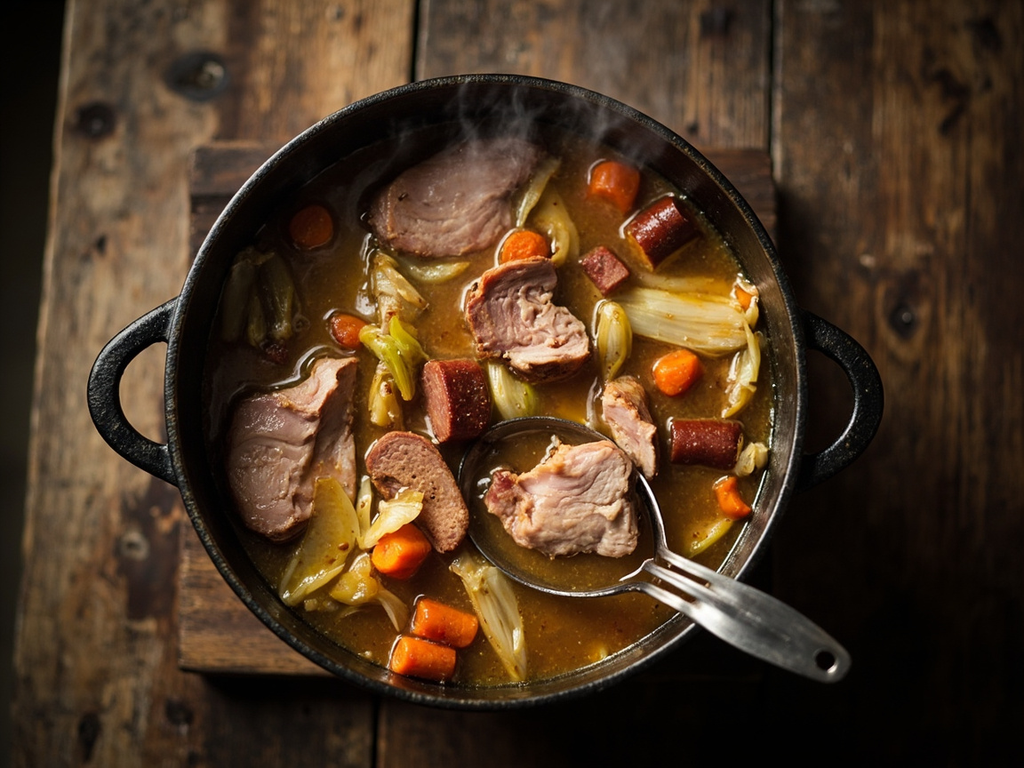
Leiden Hutspot with carrots and parsnips
Why this dish? Descartes studied and lodged in Leiden, a city whose hutspot has been emblematic since the 1574 siege, when it is said that a pot of this stew was found still steaming in the abandoned Spanish camp. This single dish, modest and nourishing, corresponds exactly to the frugal table he imposed on himself to keep his mind clear.
A melting mash of carrots, parsnips and onions slowly simmered, bound with broth and spiked with nutmeg. The dish of both commoner and scholar, served in a terrine from which everyone helps themselves.
Approach, and do not be deceived by its humble appearance. I lived in Leiden for years, and nowhere is this pot better made than in that city. See: I want simple foods that nourish the body without weighing down the understanding, for an overfull stomach clouds the judgment like a vapour. My Dutch landladies would let the roots reduce slowly over a low fire, then mash them with a little butter; I added only a grating of nutmeg, and ate it soberly, reflecting that bodily health is the first instrument of reason.
- •Carrots — a good armful (sweetness and body)
- •Parsnips — as many as carrots (melting root)
- •Onions — a few (aromatic base)
- •Broth (beef or bone) — enough to cover (cooking liquid, umami)
- •Butter — a generous knob (fatty binder)
- •Nutmeg — grated to taste (signature spice)
- •Salt — to taste (seasoning)
Leiden Hutspot with carrots and parsnips
A melting mash of carrots, parsnips and onions slowly simmered, bound with broth and spiked with nutmeg. The dish of both commoner and scholar, served in a terrine from which everyone helps themselves.
Why this dish? Descartes studied and lodged in Leiden, a city whose hutspot has been emblematic since the 1574 siege, when it is said that a pot of this stew was found still steaming in the abandoned Spanish camp. This single dish, modest and nourishing, corresponds exactly to the frugal table he imposed on himself to keep his mind clear.
Approach, and do not be deceived by its humble appearance. I lived in Leiden for years, and nowhere is this pot better made than in that city. See: I want simple foods that nourish the body without weighing down the understanding, for an overfull stomach clouds the judgment like a vapour. My Dutch landladies would let the roots reduce slowly over a low fire, then mash them with a little butter; I added only a grating of nutmeg, and ate it soberly, reflecting that bodily health is the first instrument of reason.
Ingredients (period version)
- Carrots — a good armful (sweetness and body)
- Parsnips — as many as carrots (melting root)
- Onions — a few (aromatic base)
- Broth (beef or bone) — enough to cover (cooking liquid, umami)
- Butter — a generous knob (fatty binder)
- Nutmeg — grated to taste (signature spice)
- Salt — to taste (seasoning)
Ingredients
- Carrots — 600 g (sweetness and body)
- Parsnips — 600 g (melting root)
- Onions — 2 large (aromatic base)
- Beef broth — 600 ml (cooking liquid, umami)
- Butter — 50 g (binder)
- Nutmeg — ½ tsp grated (signature spice)
- Salt and pepper — to taste (seasoning)
Method
- Peel and cut carrots, parsnips and onions into large chunks.
- Place everything in a pot, cover with broth, lightly salt and bring to a simmer.
- Let simmer covered for 35–40 minutes, until the roots crush easily under a fork.
- Drain, reserving a little broth. Coarsely mash with a potato masher or fork together with the butter.
- Loosen with the reserved broth to a melting texture, grate nutmeg over, adjust salt and serve hot in a communal terrine.
How it was made : In the 17th century, this stew simmered for hours in an iron pot hung from a hook over the fire, without potatoes (the tuber had not yet entered everyday diet in the Dutch Republic): it was thickened by the roots themselves and sometimes a piece of fatty meat.
The contemporary twist : Serve the mash as quenelles on a slate board, topped with a curl of freshly grated nutmeg in front of the guest—a nod to the theatre of Amsterdam's spice markets.
Sources : De verstandige kock (Amsterdam, 1667) · Tradition of Leiden hutspot (siege of 1574)
René Descartes · Charactorium