 flip
flipMaza, the barley flatbread of the Athenians
Maza, the barley flatbread of the Athenians
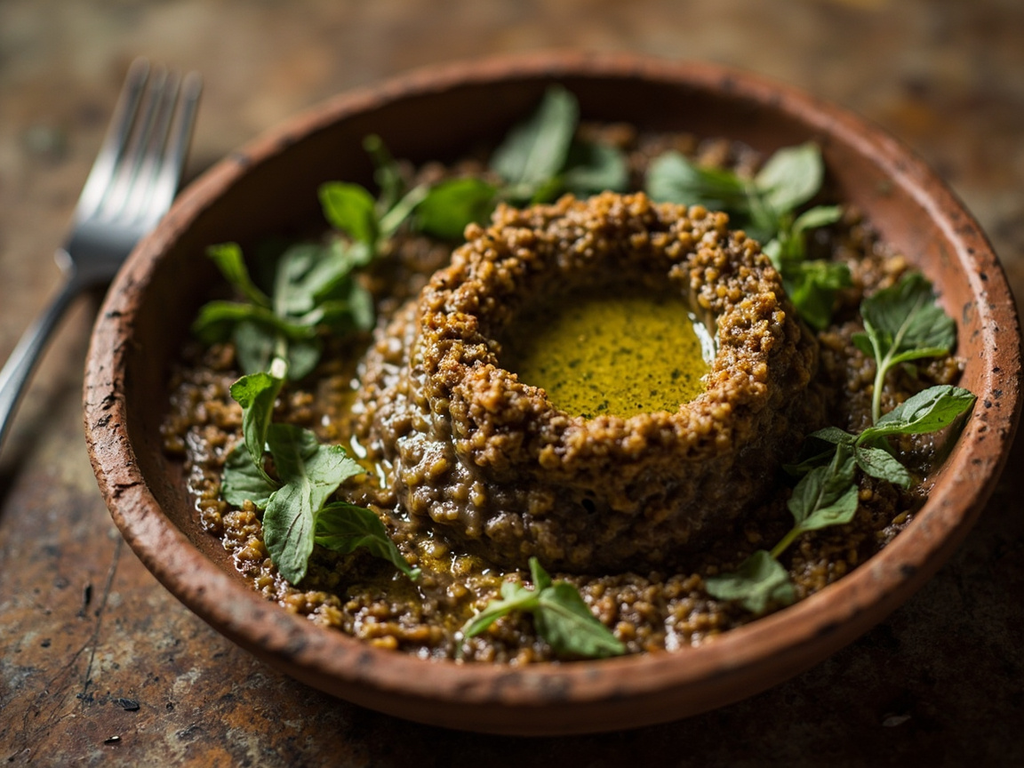
Why this dish? King of Athens and unifier of Attica, Theseus fed his people the same staple as all Greeks: barley far more than wheat. This dense, rustic flatbread is the daily bread, the one that accompanies olives and cheese at his table as in the humblest home.
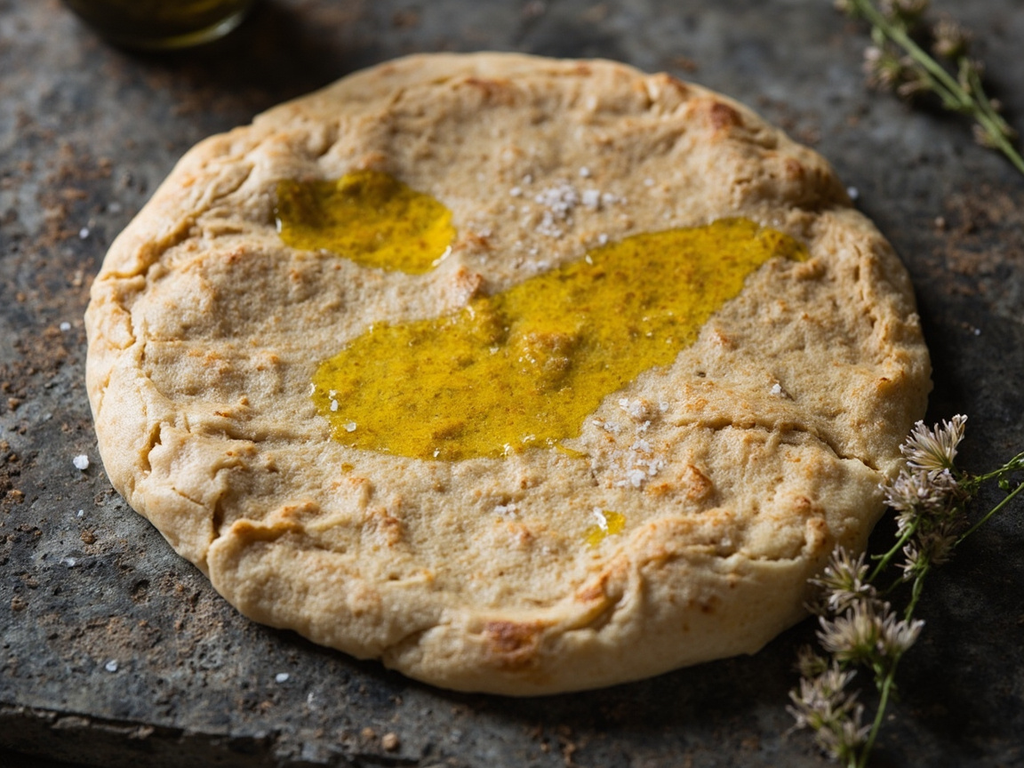
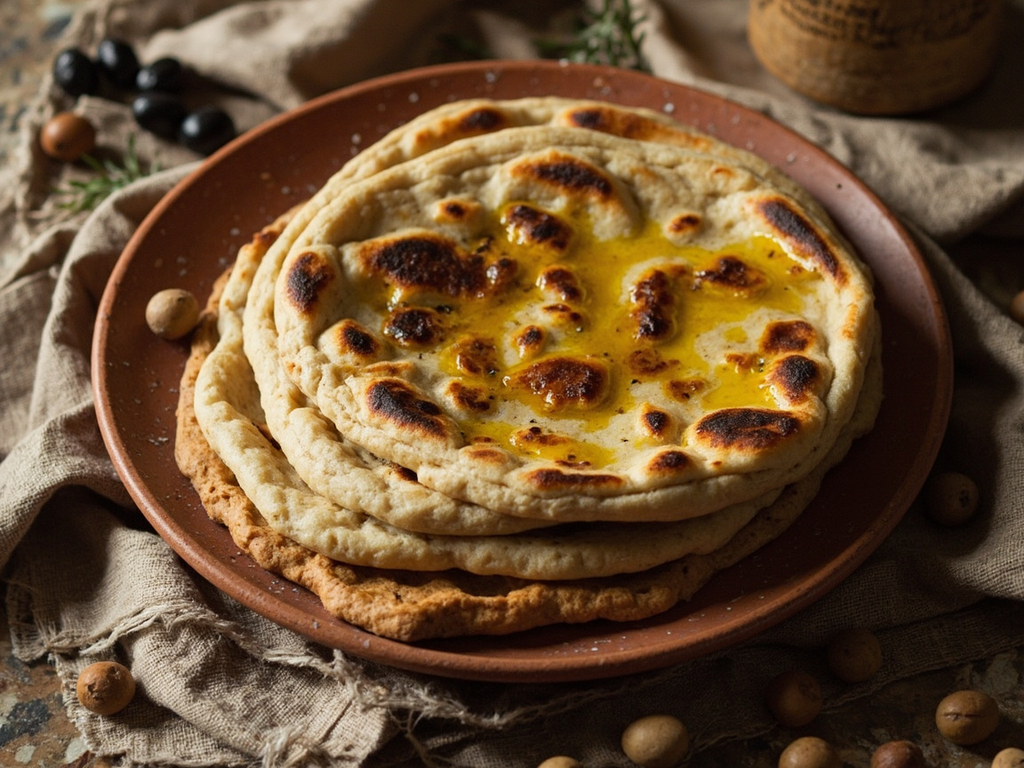
A flat barley flatbread, lightly oiled and salted, dense and nourishing. You break it by hand to soak up oil, crush an olive, or top with a piece of cheese. It is the foundation of the Greek plate, sober and solid as a hero.
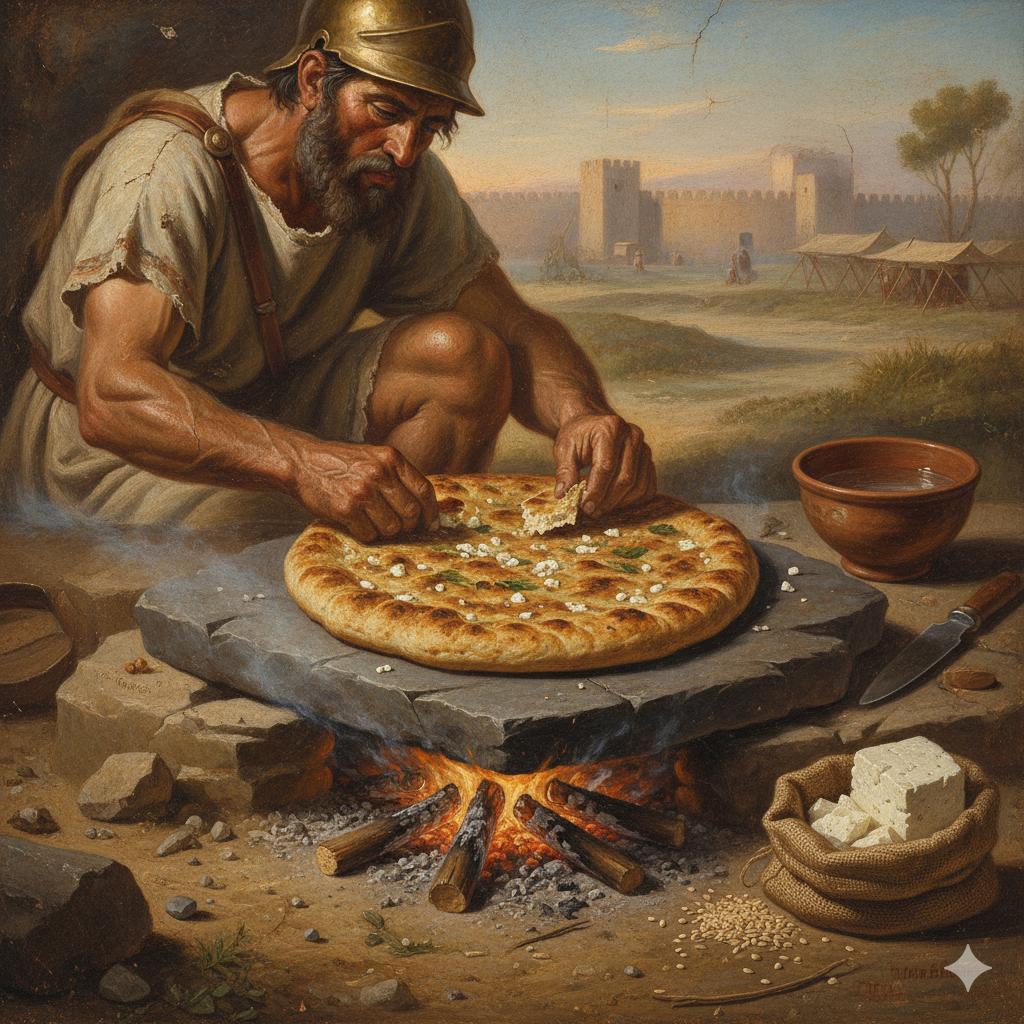
Approach, stranger, and do not scorn this flatbread: it is on barley, not soft wheat, that the walls of Athens were built. My cupbearer roasts the grains until they smell fragrant, passes them under the millstone, then kneads the flour with a little water, oil, and salt — nothing more. Break it with your fingers, dip it in oil, and you will eat what my soldiers ate on the road to the Isthmus. Luxury is for the gods; barley, on the other hand, keeps men standing.
- •Barley grains — two handfuls per guest (staple grain, roasted then ground)
- •Spring water — enough to bind (binder)
- •Olive oil — a drizzle (softness and flavor)
- •Sea salt — a pinch (seasoning)
Maza, the barley flatbread of the Athenians
A flat barley flatbread, lightly oiled and salted, dense and nourishing. You break it by hand to soak up oil, crush an olive, or top with a piece of cheese. It is the foundation of the Greek plate, sober and solid as a hero.
Why this dish? King of Athens and unifier of Attica, Theseus fed his people the same staple as all Greeks: barley far more than wheat. This dense, rustic flatbread is the daily bread, the one that accompanies olives and cheese at his table as in the humblest home.
Approach, stranger, and do not scorn this flatbread: it is on barley, not soft wheat, that the walls of Athens were built. My cupbearer roasts the grains until they smell fragrant, passes them under the millstone, then kneads the flour with a little water, oil, and salt — nothing more. Break it with your fingers, dip it in oil, and you will eat what my soldiers ate on the road to the Isthmus. Luxury is for the gods; barley, on the other hand, keeps men standing.
Ingredients (period version)
- Barley grains — two handfuls per guest (staple grain, roasted then ground)
- Spring water — enough to bind (binder)
- Olive oil — a drizzle (softness and flavor)
- Sea salt — a pinch (seasoning)
Ingredients
- Barley flour — 200 g (base of the flatbread)
- Warm water — about 120 ml (hydration)
- Olive oil — 2 tbsp (binder and flavor)
- Salt — 1/2 tsp (seasoning)
Method
- In a bowl, mix the barley flour and salt.
- Add the olive oil, then gradually pour in the warm water until a soft, non-sticky dough forms.
- Knead for 5 minutes, then let rest for 20 minutes under a cloth.
- Divide into balls and flatten into 1 cm thick flatbreads.
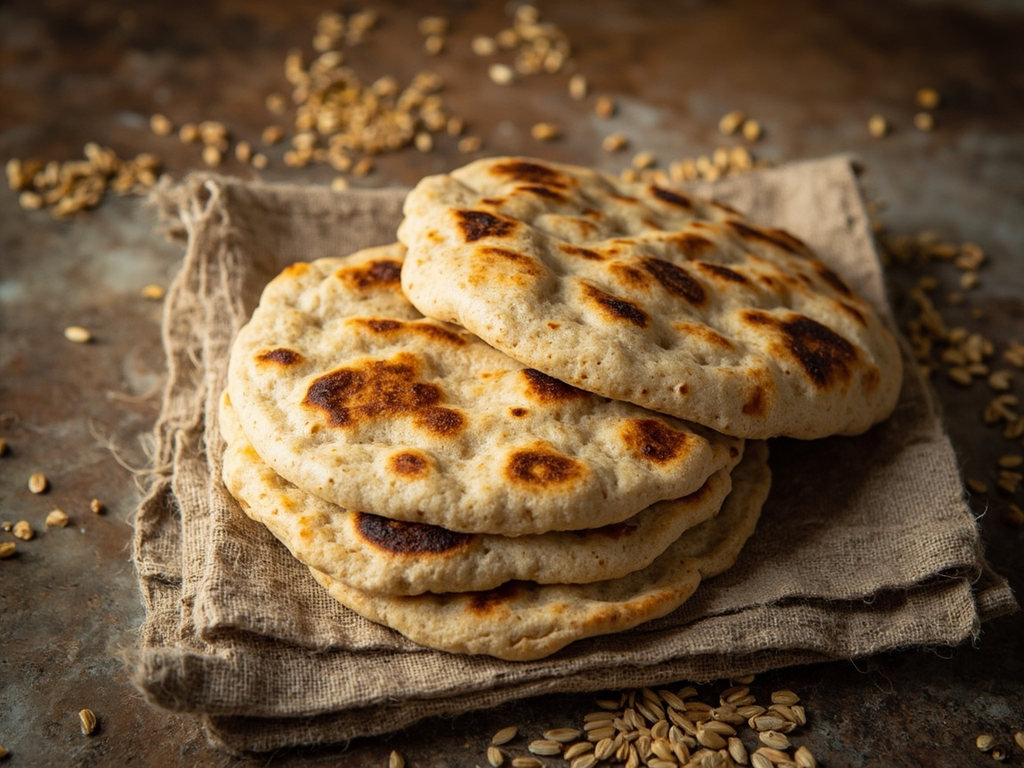
- Cook in a dry, very hot pan (or on a stone) for 3 to 4 minutes per side, until nicely golden spots appear.
- Serve warm, drizzled with olive oil.
How it was made : Barley dominated Greek diet because it grew better than wheat on the poor soils of Attica. It was roasted before grinding, which facilitated preservation and gave maza its toasted flavor. Often it was not even cooked: barley flour was simply moistened and kneaded.
The contemporary twist : Serve as mini appetizer flatbreads with a spread of black olives and thyme, a "hero's meze" style.
Theseus · Charactorium