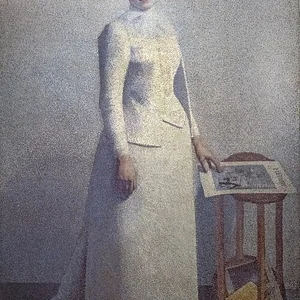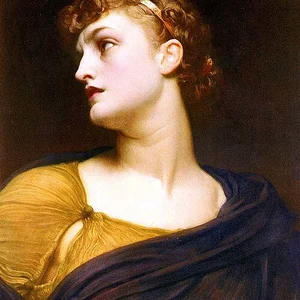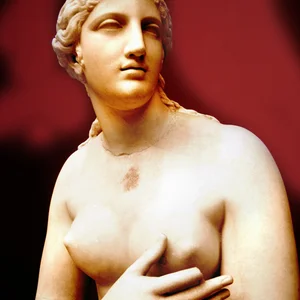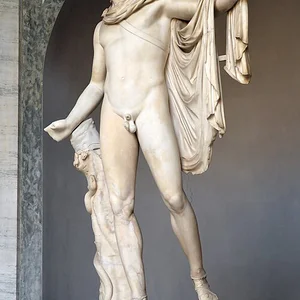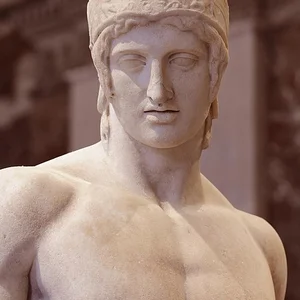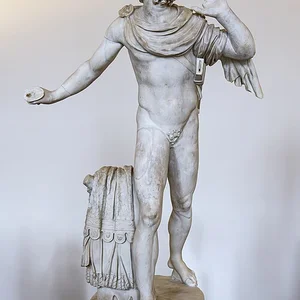

Legendary king of Ithaca, hero of Greek mythology celebrated for his intelligence and cunning. He is the central character of Homer's Odyssey, an epic poem recounting his ten years of wandering to return home after the Trojan War.
Odysseus
Odysseus
8 min read
Frequently asked questions
Key Facts
- Takes part in the Trojan War for ten years and devises the Trojan Horse to defeat the Trojans
- Embarks on a ten-year journey to return to Ithaca after the fall of Troy, facing monsters and gods along the way
- Encounters Nausicaa in Phaeacia, Circe on the island of Aeaea, and crosses the Ocean — all while enduring the wrath of the god Poseidon (the Odyssey is traditionally dated to around the 8th century BCE)
- Returns to Ithaca and reclaims his throne by defeating the suitors competing for Penelope's hand
- Symbol of intelligence (metis) in Greek mythology, celebrated for his ingenuity and perseverance
Works & Achievements
A military stratagem devised by Odysseus to conquer the city of Troy by building an enormous wooden horse concealing Greek warriors inside. This ruse brought the Trojan War to an end after ten years of siege.
A foundational epic of Greek literature recounting the ten years of wandering Odysseus endures on his journey home to Ithaca after the Trojan War. This landmark work explores his encounters with mythical creatures and deities.
A central episode of the Odyssey in which Odysseus, disguised as a beggar, must prove his identity to his wife Penelope by accomplishing the feat of stringing his own bow. This trial symbolizes the rightful hero's return to his throne.
The restoration of his authority as king of Ithaca upon his return, including the elimination of Penelope's suitors. His reign represents the reestablishment of order and dynastic legitimacy.
His role as a Greek warrior and strategist in the Trojan War, where he distinguished himself through his tactical intelligence and his crucial part in the Greeks' ultimate victory.
Anecdotes
Odysseus is the central hero of the Odyssey, the epic poem composed by Homer around the 8th century BCE. In this foundational work of Western literature, Homer tells how the king of Ithaca spends ten years making his way home after the fall of Troy, facing fantastical creatures such as the Cyclops Polyphemus and the sorceress Circe. Though legendary, this story was regarded as historical fact by the ancient Greeks.
According to the legend passed down by Greek poets, Odysseus devises the famous Trojan Horse to allow the Greeks to infiltrate the besieged city. Thanks to this brilliant stratagem, Greek warriors hidden inside the horse are finally able to enter Troy and claim victory after ten years of war. This feat exemplifies Odysseus's famous "mètis" — his practical cunning and his ability to triumph through wit rather than brute strength.
In the Odyssey, Odysseus encounters the Cyclops Polyphemus, who imprisons his companions in a cave. To escape, Odysseus tells the monster his name is "Nobody" (Nemo in Latin), then blinds him; when Polyphemus cries out "Nobody has blinded me!", the other Cyclopes assume he is struck by a divine ailment and come to no one's aid. This episode illustrates how Odysseus uses intelligence and cunning to overcome an adversary far more powerful in physical strength.
Homer portrays Odysseus as a warrior of exceptional skill with a bow and remarkable strategic intelligence. Upon his return to Ithaca, Odysseus uses an ancient bow to dispatch the suitors who had been competing for his wife Penelope's hand, ultimately reclaiming his throne and restoring order to his kingdom. This conclusion shows that Odysseus's cunning and wisdom allow him to prevail without ever needing to rely on brute force.
Primary Sources
Sing to me of the man, Muse, the man of twists and turns driven time and again off course, once he had plundered the hallowed heights of Troy. Many cities of men he saw and learned their minds, many pains he suffered, heartsick on the open sea, fighting to save his life and bring his comrades home.
Odysseus rose, holding in his powerful hand the bronze staff that Athena had given him. He strode through the ranks, shining with cunning and courage.
Sophocles places Odysseus at the center of this tragedy, showing how the man of many wiles wins the arms of Achilles through the power of words rather than the force of arms.
Odysseus, that hero whose cunning matched his courage, had to wait ten long years before he could once again see the shores of Ithaca and the outstretched arms of his faithful Penelope.
Key Places
Greek island in the Ionian Sea, legendary kingdom of Odysseus and his birthplace. It is his beloved homeland, the destination he longs to return to throughout his entire odyssey.
Ancient city in Asia Minor where Odysseus takes part in the ten-year war against the Trojans. He is famous for devising the ruse of the Trojan Horse, which brings about the Greek victory.
The setting of one of the most famous adventures in the Odyssey, where Odysseus encounters the Cyclops Polyphemus. This episode showcases the hero's intelligence and cunning as he engineers an escape from the giant's cave.
Mythological island where the sorceress-goddess Circe holds Odysseus and his companions captive. This episode illustrates the supernatural dangers encountered on his journey back to Ithaca.
A legendary region described in the Odyssey where the inhabitants eat lotus plants that cause forgetfulness. Odysseus must drag his men away from this place of oblivion and endless longing.
The fabled kingdom of the Phaeacians, who welcome the shipwrecked Odysseus. King Alcinous helps the hero make his way back to Ithaca by providing him with a ship and safe passage.
Typical Objects

The legendary bow Odysseus used to slaughter the suitors upon his return to Ithaca. This bow symbolizes his warrior skill and tactical intelligence — key elements of his final victory.

The oar- and sail-powered warship used by Odysseus and his companions during their ten years of wandering. This vessel represents the maritime odyssey and adventures that form the very essence of the Odyssey.

Typical military equipment of the Mycenaean era, worn by Odysseus during the Trojan War. The helmet symbolizes the courageous warrior and military commander that he was.

An ancient musical instrument used by bards to tell the tales of heroes. The kithara is associated with the very telling of the Odyssey — the epic that immortalized the exploits of Odysseus.

The giant wooden construction that became the emblem of Odysseus's cunning stratagem, allowing the Greeks to conquer Troy. This object embodies the hero's intellectual trickery and ingenuity.

The weapon of the god Poseidon, who hounded Odysseus throughout his journey home to Ithaca out of revenge. The trident symbolizes the supernatural obstacles and storms the hero had to face at sea.

A symbol of Odysseus's royal power as king of Ithaca. The crown represents his status as a ruler and the ultimate goal of his long journey: to reclaim his throne and his kingdom.

A terracotta vessel used to store wine, oil, or water in ancient Greece. The amphora is characteristic of everyday life and the trade of Odysseus's era.
School Curriculum
Vocabulary & Tags
Key Vocabulary
Daily Life
Morning
As king of Ithaca, Odysseus would begin his day by rising at dawn. He would perform ritual ablutions and take a light meal of bread, cheese, and watered-down wine before attending to the affairs of the kingdom or preparing his maritime expeditions.
Afternoon
The afternoon would be devoted to administering the kingdom, holding councils with his warriors and officers, or engaging in martial activities such as combat training and hunting. In times of peace, he would take part in assemblies of the nobility and strategic discussions concerning Ithaca and its alliances.
Evening
In the evening, Odysseus would attend royal banquets where he sat among nobles and warriors. These meals were an occasion to recount feats of valor, honor the gods, and strengthen social bonds — in keeping with the aristocratic Greek customs of the Archaic period.
Food
His diet would consist mainly of bread, barley, vegetables, goat's or sheep's milk cheese, and fish, owing to Ithaca's proximity to the sea. Wine was consumed diluted with water, occasionally accompanied by meat during sacrifices to the gods and royal feasts.
Clothing
Odysseus would wear a linen or wool tunic fastened with a belt, covered by a himation (a large Greek cloak). As king, he would display symbols of power such as a crown or diadem, and would wear leather sandals or go barefoot depending on the circumstances.
Housing
As king of Ithaca, Odysseus would reside in a fortified palace typical of the Mycenaean period, with multiple rooms, an inner courtyard, and spaces set aside for receiving guests and holding assemblies. This palace would also serve as an administrative stronghold and a symbolic seat of royal power over the island.
Historical Timeline
Period Vocabulary
Visual Style
Un style qui fusionne l'esthétique de la céramique grecque antique avec l'atmosphère épique des voyages héroïques, utilisant des teintes chaudes terracotta et or, des ombrages dramatiques et des motifs géométriques classiques pour évoquer l'errance mythologique d'Ulysse.
Sound Ambience
Une ambiance sonore épique mêlant les bruits authentiques du voyage maritime antique—vagues déferlantes, voiles claquant au vent, craquement des navires—avec une musique instrumentale grecque mystérieuse aux cordes anciennes, évoquant les périls mythologiques et la quête intemporelle du héros.
Liens externes & ressources
Références
Œuvres
Le Cheval de Troie
Tradition légendaire, XIIe siècle av. J.-C.
L'Odyssée (épopée d'Homère)
Tradition orale, datée entre VIIIe et VIIe siècle av. J.-C.
Reconnaissance par Pénélope
Tradition légendaire
Règne sur Ithaque
Tradition légendaire, XIIe siècle av. J.-C.
Participation à la guerre de Troie
Tradition légendaire, XIIe siècle av. J.-C.