 flip
flipChristmas Plum Pudding at the Court of Windsor
Christmas Plum Pudding at the Court of Windsor
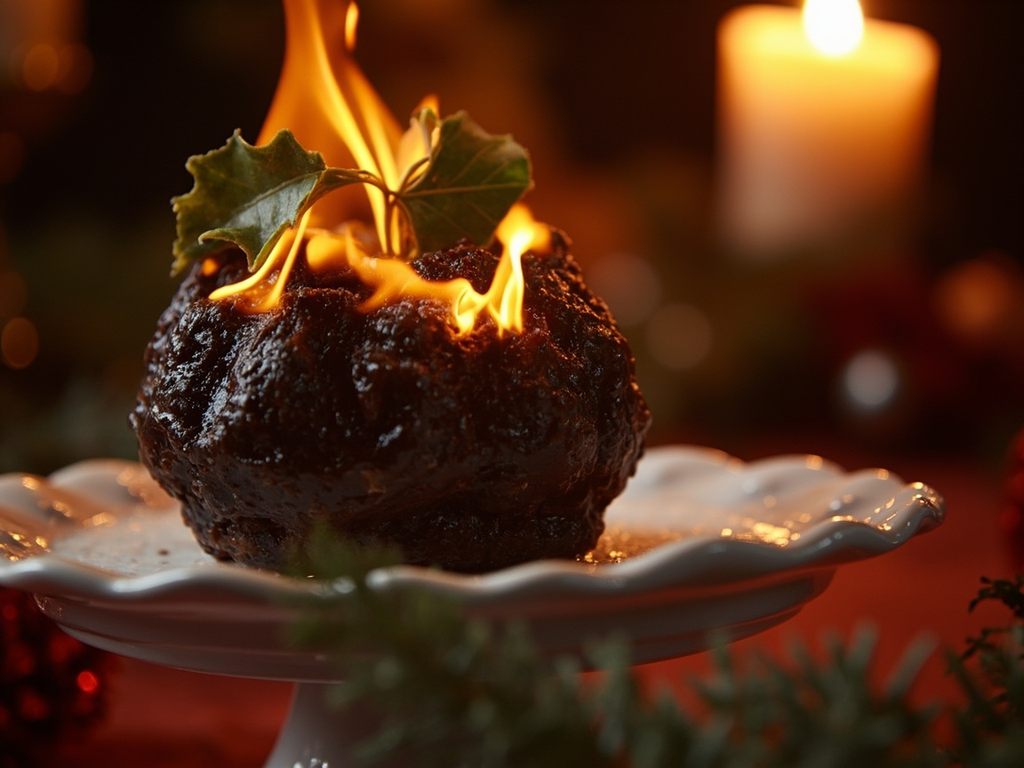
Why this dish? Victoria and Albert, a prince of German origin, popularized Christmas celebrations in Great Britain — the Christmas tree, the puddings. The flaming plum pudding crowned the Christmas dinner at Windsor and Osborne; prepared weeks in advance, it was preserved thanks to its sugar, fat, and alcohol.
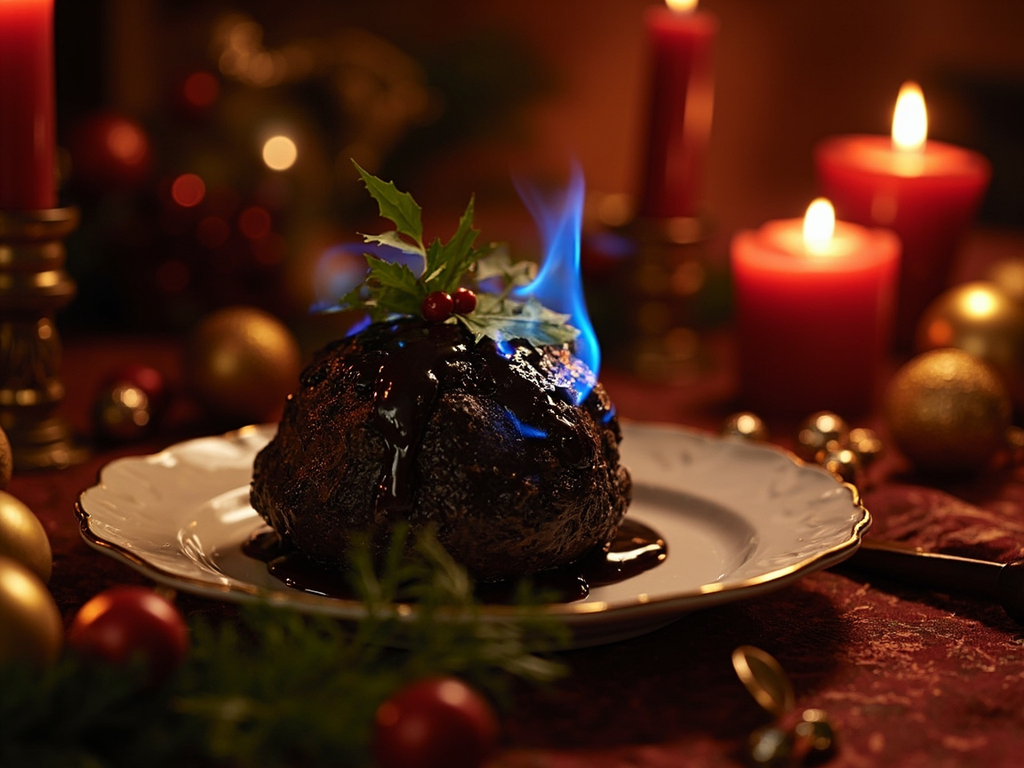
A dense, dark pudding, steamed, packed with dried fruits, spices, and fat, soaked in brandy. Prepared long before the holidays, it improves with aging — a preservation dessert as much as a celebration one.
Christmas is, ever since my beloved Albert brought it from his dear Germany, the sweetest feast in our house. Weeks ahead, the whole household stirs the pudding batter, each making a wish — the children take it most seriously! One wraps it in a cloth, steams it long, then keeps it cool until the great day, when it appears at table all ablaze with brandy. What delight in the little ones' eyes!
- •Raisins and currants — abundantly (sweet filling)
- •Beef suet — a good portion (moistness and preservation)
- •Breadcrumbs and flour — in equal parts (structure)
- •Brown sugar (muscovado) — generously (sweetness)
- •Spices (nutmeg, cinnamon, ginger, clove) — to taste (flavor)
- •Candied citrus peel — a handful (tangy flavor)
- •Brandy — a good glass (preservation and flaming)
- •Eggs — a few (binder)
Christmas Plum Pudding at the Court of Windsor
A dense, dark pudding, steamed, packed with dried fruits, spices, and fat, soaked in brandy. Prepared long before the holidays, it improves with aging — a preservation dessert as much as a celebration one.
Why this dish? Victoria and Albert, a prince of German origin, popularized Christmas celebrations in Great Britain — the Christmas tree, the puddings. The flaming plum pudding crowned the Christmas dinner at Windsor and Osborne; prepared weeks in advance, it was preserved thanks to its sugar, fat, and alcohol.
Christmas is, ever since my beloved Albert brought it from his dear Germany, the sweetest feast in our house. Weeks ahead, the whole household stirs the pudding batter, each making a wish — the children take it most seriously! One wraps it in a cloth, steams it long, then keeps it cool until the great day, when it appears at table all ablaze with brandy. What delight in the little ones' eyes!
Ingredients (period version)
- Raisins and currants — abundantly (sweet filling)
- Beef suet — a good portion (moistness and preservation)
- Breadcrumbs and flour — in equal parts (structure)
- Brown sugar (muscovado) — generously (sweetness)
- Spices (nutmeg, cinnamon, ginger, clove) — to taste (flavor)
- Candied citrus peel — a handful (tangy flavor)
- Brandy — a good glass (preservation and flaming)
- Eggs — a few (binder)
Ingredients
- Mixed dried fruit — 400 g (sweet filling)
- Vegetable suet or butter — 150 g (moistness)
- Breadcrumbs — 100 g (structure)
- Flour — 100 g (structure)
- Muscovado sugar — 150 g (sweetness)
- Mixed spice (nutmeg, cinnamon, ginger, clove) — 2 tsp (flavor)
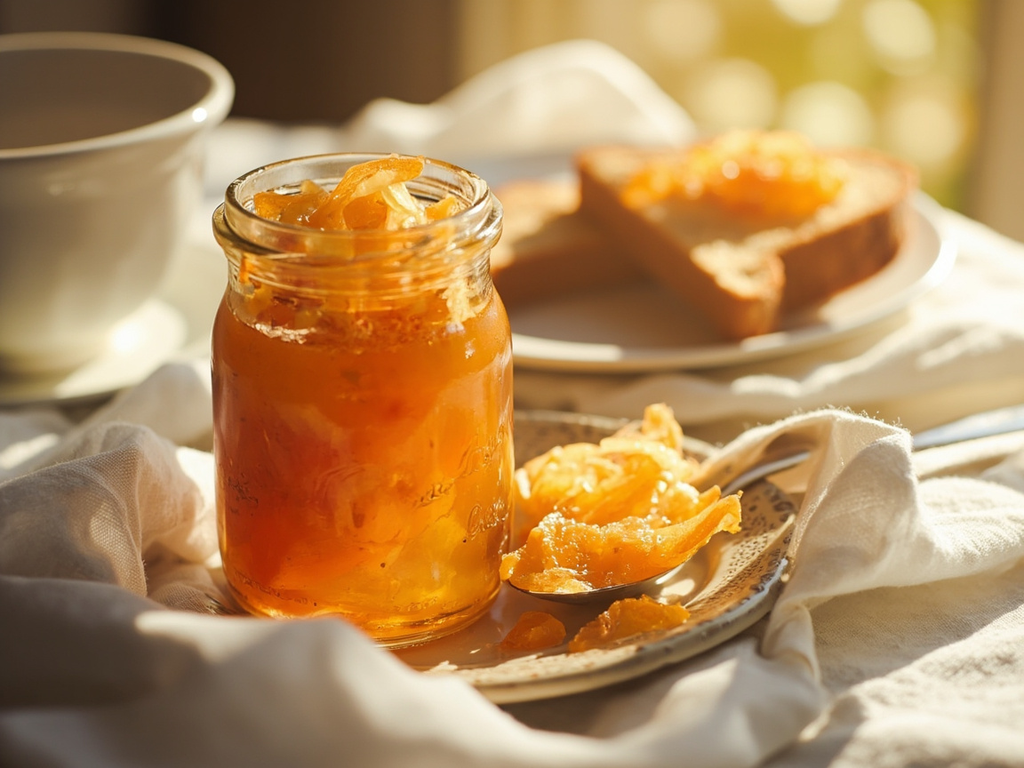
- Orange and lemon zest — from 2 fruits (tangy flavor)
- Brandy — 100 ml (soaking and flaming)
- Eggs — 2 (binder)
Method
- Mix all dry ingredients, fruits, and spices in a large bowl.
- Add beaten eggs and brandy; everyone can stir and make a wish.
- Press the mixture into a buttered pudding mold, cover with paper and tied cloth.
- Steam (covered bain-marie) for 5-6 h, checking water level.
- Let cool and store in a cool place for several weeks; on the day, re-steam for 1-2 h.
- To serve, pour warm brandy over and flambé before guests.
How it was made : Plum pudding (without plums despite its name: 'plum' referred to raisins) descends from a medieval thickened porridge. In the Victorian era, 'Stir-up Sunday' established the ritual: families prepared the pudding five weeks before Christmas, each stirring east to west in memory of the Magi.
The contemporary twist : Serve with custard or brandy butter, and hide a cleaned coin in the batter before cooking — tradition holds it brings luck to whoever finds it.
Victoria · Charactorium