 flip
flipApple and Quince Compote with Honey
Apple and Quince Compote with Honey
Why this dish? Voltaire's diet made room for fruits, gentle on his fragile stomach. Fruit compote — apples and quinces sweetened with honey and scented with spices — was the ideal light entremets at the end of supper, both a table sweet and a digestive remedy reputed for delicate constitutions.
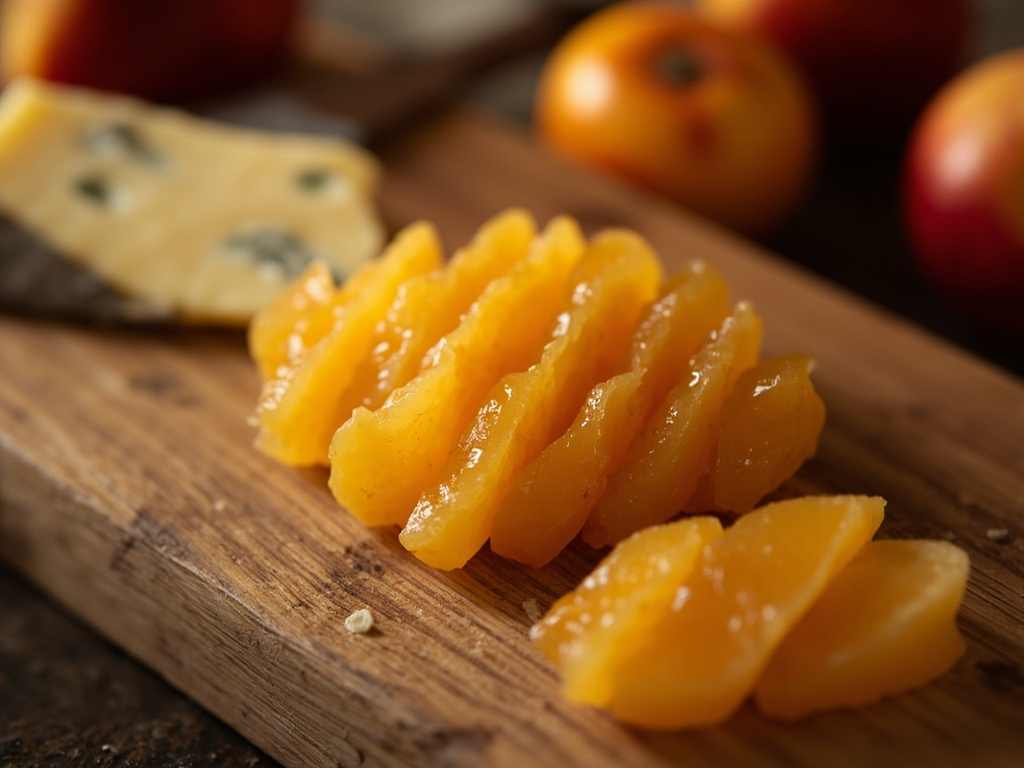
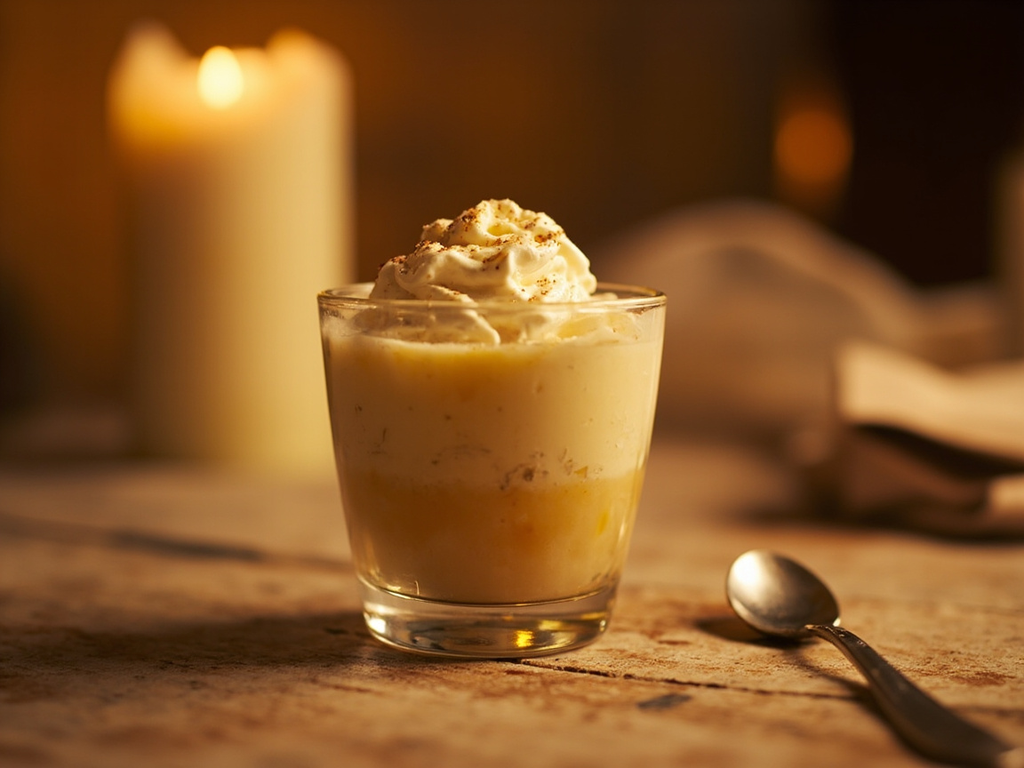
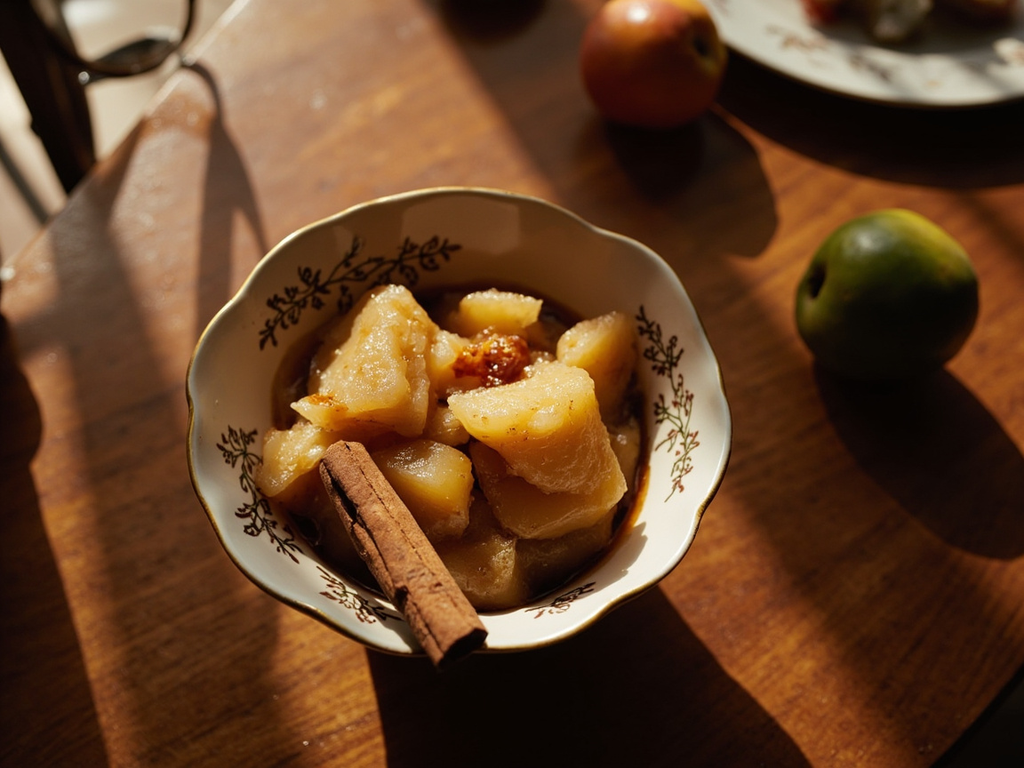
A melting compote of apples and quinces, golden and scented with cinnamon, neither too sweet nor heavy — a comforting sweetness that closes the meal by soothing the stomach.
At my age, one sups only on cooked fruits and reason. This compote of apples and quinces, my housekeeper prepares with a little honey and a hint of cinnamon, and it is worth all the remedies of the charlatans who prescribe their drugs. The quince is harsh raw, but heat softens it and makes it fragrant like a Persian garden. Eat of it after your excesses, reader: it is better to end a meal with a sweetness than with an indigestion of philosophy.
- •Orchard apples — several (base fruit, sweetness)
- •Quinces — one or two (fragrance, acidity, texture)
- •Honey — to discretion (sweetness)
- •Cinnamon and lemon zest — a little (fragrance)
- •Water — a little (cooking)
Apple and Quince Compote with Honey
A melting compote of apples and quinces, golden and scented with cinnamon, neither too sweet nor heavy — a comforting sweetness that closes the meal by soothing the stomach.
Why this dish? Voltaire's diet made room for fruits, gentle on his fragile stomach. Fruit compote — apples and quinces sweetened with honey and scented with spices — was the ideal light entremets at the end of supper, both a table sweet and a digestive remedy reputed for delicate constitutions.
At my age, one sups only on cooked fruits and reason. This compote of apples and quinces, my housekeeper prepares with a little honey and a hint of cinnamon, and it is worth all the remedies of the charlatans who prescribe their drugs. The quince is harsh raw, but heat softens it and makes it fragrant like a Persian garden. Eat of it after your excesses, reader: it is better to end a meal with a sweetness than with an indigestion of philosophy.
Ingredients (period version)
- Orchard apples — several (base fruit, sweetness)
- Quinces — one or two (fragrance, acidity, texture)
- Honey — to discretion (sweetness)
- Cinnamon and lemon zest — a little (fragrance)
- Water — a little (cooking)
Ingredients
- Apples (Reinette or Golden) — 4 (base)
- Quinces — 2 (fragrance and acidity)
- Honey — 2 to 3 tbsp (sweetness)
- Cinnamon (stick or powder) — 1 stick or 1 tsp (fragrance)
- Zest and juice of half a lemon — 1/2 (freshness, prevents browning)
- Water — 15 cl (cooking)
Method
- Peel and cut the quinces into small dice (they are hard); cook them first with the water, honey, cinnamon and lemon zest.
- After about ten minutes, add the peeled and chopped apples.
- Cover and let simmer on low heat for 20 to 25 minutes, stirring, until the fruits are tender.
- Mash roughly with a fork to keep some texture, or blend for a smooth compote.
- Add the lemon juice, adjust honey, remove the cinnamon stick and let cool slightly before serving.
How it was made : Fruit compotes and marmalades were common entremets on 18th-century tables and appear in culinary treatises of the time. The quince, very ancient, was valued cooked and used in "cotignac" (quince paste). Cooked fruits were believed to have digestive virtues, making them a choice dish for delicate stomachs.
The contemporary twist : Served warm in a verrine with a crumble of dry biscuit and a drizzle of honey, or as an accompaniment to fresh cheese.
Sources : Menon, La Cuisinière bourgeoise (1746) · Massialot, Nouvelle Instruction pour les confitures (1692)
Voltaire · Charactorium