Imaginary interview with Apollo
by Charactorium · Apollo · Mythology · 5 min read
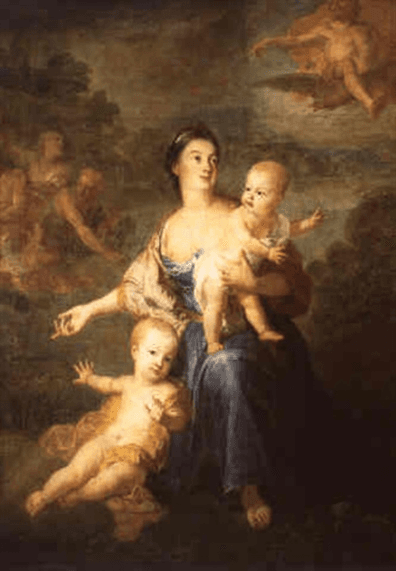
On the slopes of Parnassus, where the smoke of offerings still rises toward the sky of Delphi, the archer god agrees to answer. He holds his lyre against him, the laurel crown tilted on his brow. His voice carries like a restrained song.
—How did you become the master of the sanctuary of Delphi?
Before me, a huge serpent, Python, coiled its rings around the spring and poisoned the slopes of Parnassus. I struck it down with my silver bow, arrow after arrow, until the earth drank its venom. On that dried blood I planted my temple. Since then, the Pythia sits on the sacred tripod, breathes the vapors rising from the ground, and my voice passes through her mouth. Kings, cities, warriors climb the path to hear what mortals call the oracle. They think they come to seek the future; they come above all to seek the order I wrested from chaos. Where the monster hissed, now prophecy is heard.
Where the monster hissed, now prophecy is heard.
—What really happens when the Pythia delivers an oracle?
She does not speak for herself. She purifies herself, drinks the water of the spring, chews laurel, then sits on the tripod in the heart of the temple of Delphi. Then the breath rises within her and my thought finds a path through her words. What I give is never a simple answer: it is a riddle folded upon itself, which enlightens the one who knows how to open it and ruins the one who tries to force it. Alexander himself came, before launching his armies toward Asia, to wrest an omen from me. They think me obscure; I am merely exact. Fate does not have the brutal clarity of noon: it has the oblique light of the threshold, between day and shadow.
They think me obscure; I am merely exact.
—You are also called the god of music. Where does your lyre come from?
The seven-stringed lyre was born from an exchange. Hermes, still a cunning child, had fashioned it from a tortoise shell; he ceded it to me, and in my hands it found its true voice. Seven strings, like seven degrees of harmony, by which I keep men and gods in tune. When I play it on Olympus, divine conversations fall silent — not out of fear, but because beauty imposes its own silence. I do not separate music from justice: a people that has lost the just accord of its city has first lost its ear. My lyre does not amuse; it orders the world.
My lyre does not amuse; it orders the world.
—Why did you want contests organized in your honor?
Because art without rivalry falls asleep. At Delphi, I wanted the Pythian Games where poets and lyre players compete as elsewhere runners and wrestlers do. The Greek world flocks, and these jousts rival in prestige the Olympic Games of my father. The winner is crowned with my laurel, not gold, for what I reward cannot be weighed. I have seen mortals challenge me, thinking to equal me; musical pride is a trap I know well. But he who sings truly, out of love for harmony and not glory, touches for an instant my nature. A well-held cithara is worth a prayer.
What I reward cannot be weighed.
—Do you remember Daphne?
I remember her like a wound the centuries have not healed. I pursued her through the woods, convinced my race would overtake her refusal. The more ground I gained, the more she begged the earth to deliver her from me. And the earth heard her: her feet took root, her arms were covered with bark, her hair became foliage. I clasped against me a trunk still warm with her former life. Thus, as Ovid's Metamorphoses tell, the laurel became my sacred tree. Since then, I crown poets and victors with it: I wear on my brow the one I could not keep. A god learns measure not in victory, but in what escapes him.
I wear on my brow the one I could not keep.
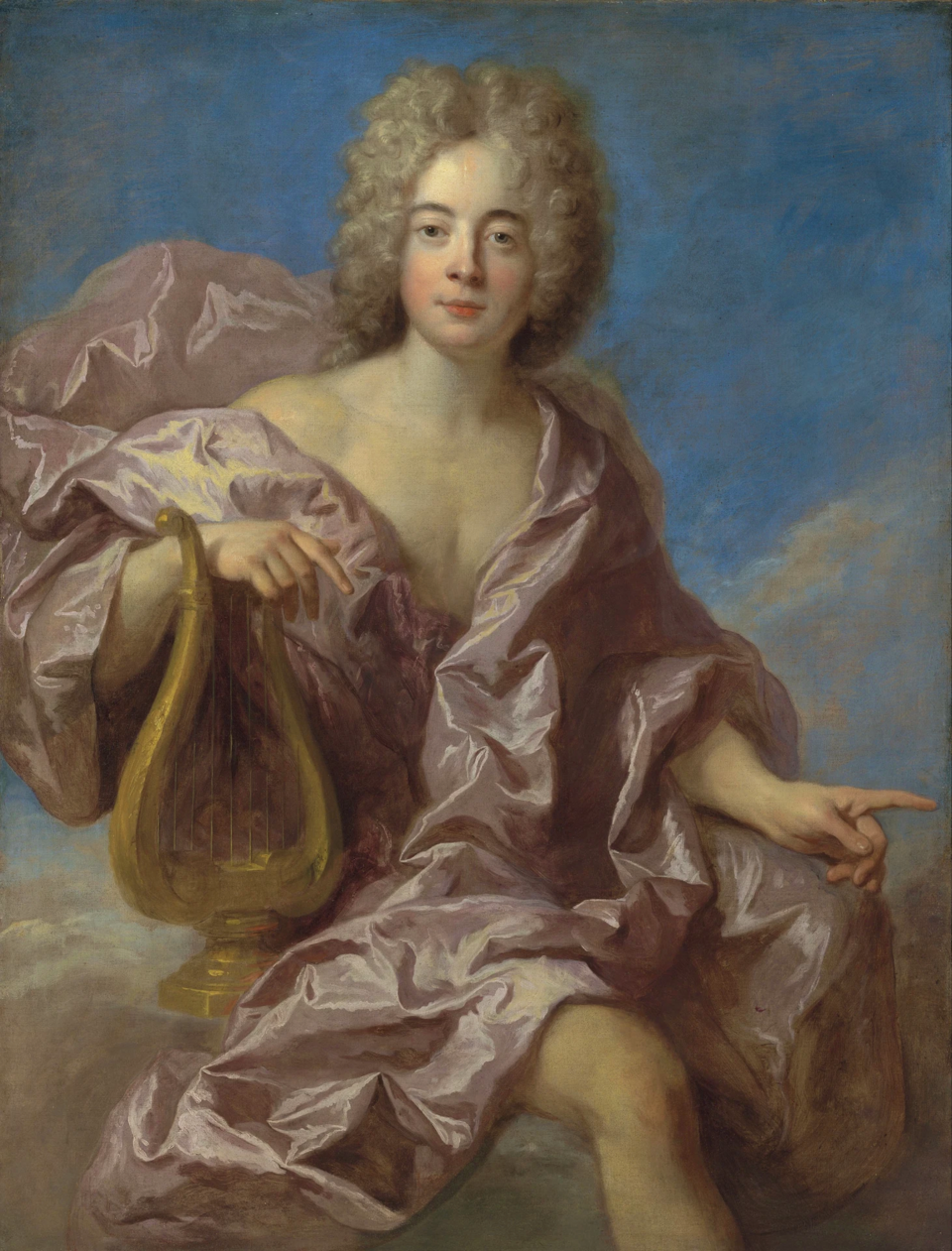
—Your silver bow inspires as much fear as your songs. How do you reconcile these two faces?
Men would have me be only gentleness. But the Hymn they sing to me begins with the silver bow, not the lyre — and they are right. My arrows strike from afar: they bring plague upon the camps that offend me, and they also carry away evil when I consent to heal. For I am also the father of Asclepius, and on Cos I am venerated as the one who knows how to close wounds. Drawing the bowstring or plucking the string is the same gesture, the same hand. Healing and wounding dwell in the same hand because they obey the same precision. Whoever does not understand that understands neither my medicine nor my music.
Healing and wounding dwell in the same hand.
—You are often depicted driving the chariot of the Sun. What is your morning like?
Before mortals open their eyes, I harness the four horses and launch the chariot above the horizon. It is not a ride: it is a charge that maintains the order of the world. If I slowed down, the seasons would go awry, the sowings would miss their time, and the chaos I conquered at Delphi would return through the sky this time. Each dawn, I replay my victory over shadow. When the course is finished, I descend to my sanctuaries to prepare the omens. Men see a beautiful sunrise; I know the weight of the axle. Light is not a free gift: it is a labor renewed each day.
Men see a beautiful sunrise; I know the weight of the axle.
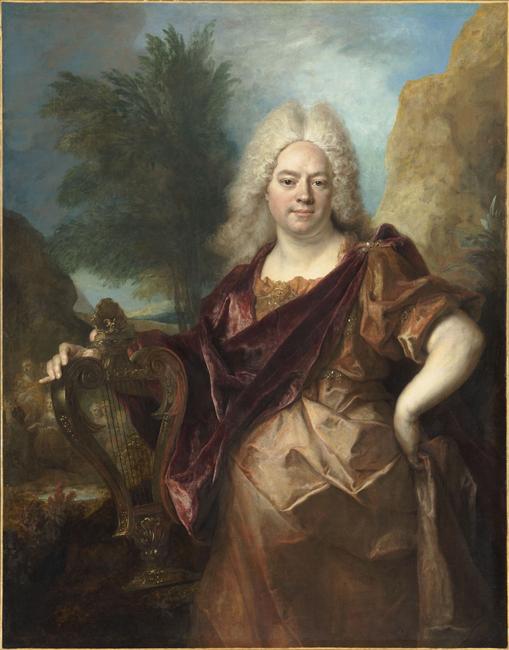
—What would you say of those distant peoples who give you other names and other faces?
My name travels with merchants and soldiers. In Egypt, they blended my face with that of their sun god, Ra, as if our two chariots were one in the sky. This does not trouble me: light is the same for all, whether called by a Greek name or a river name. Wherever an altar is raised to a sun god, whether I am recognized there or not, it is still my cosmic order that is honored. Men need faces to love what surpasses them; they change them across lands and ages. What remains, under all these masks, is the star that does not deviate from its course.
What remains, under all these masks, is the star that does not deviate from its course.
—Why does the island of Delos hold such a special place for you?
That is where I was born, on a land that floated, rootless, until my mother Leto found refuge there to give me birth. Delos was only a wandering rock of the Cyclades; my birth fixed it, and a great temple rose there. The Greeks come to celebrate the Delian Games, singing and dancing around the altar. I love this island more than a golden palace, because it welcomed my mother when all other lands, fearing Hera's wrath, closed their shores to her. They honor the gods in their sanctuaries; but they love them where they began. Delos is the only place where I was, for an instant, fragile.
They honor the gods in their sanctuaries; but they love them where they began.
—Do you feel that your cult will last through the centuries?
As long as men lift their eyes to the sun and strain their ears to beautiful music, something of me will live. I have seen Rome adopt me, and perhaps a day will come when a powerful ruler calls himself my protégé to adorn his reign with my light. But I also know the fate of gods: the sanctuaries eventually fall silent, the smoke of offerings fades, and the temples built on the blood of Python are closed. This I know without bitterness. A city may forget its gods; it does not forget the need for harmony and oracle that gave them birth. They may wall up my temple at Delphi: they will not wall up the question that men came there to ask.
They may wall up my temple: they will not wall up the question that men came there to ask.
This imaginary interview was generated by artificial intelligence from sources documented in Apollo's profile. It dramatises what the figure might have said based on what we know about them, but does not constitute attested historical testimony. For primary sources and factual documentation, refer to the full profile.