Kids interview Apollo
by Charactorium · Apollo · Mythology · 5 min read
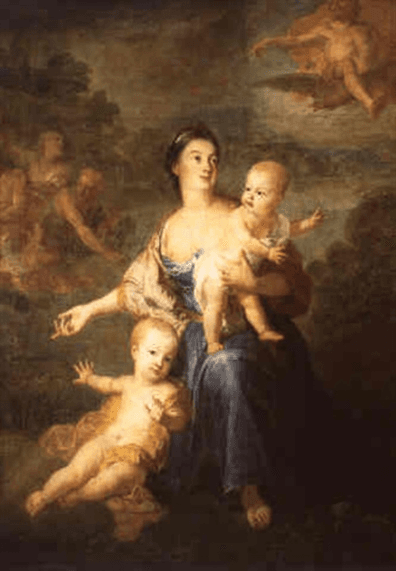
Two twelve-year-old visitors climb the steps of a temple bathed in golden light. At the top, a god with a lyre waits for them, smiling. He places his fingers on the strings and invites them to sit near him.
—What was that serpent you killed at Delphi?
Ah, Python! Imagine a huge serpent, coiled around a spring at the foot of Mount Parnassus. It guarded the place and terrorized everyone. I was young, but I had my bow and arrows. I faced it and struck it down. You know, it wasn't just a battle of strength. By killing Python, I brought order and light where chaos reigned. That's why my first temple was built at Delphi, around 650 BC. That place became the heart of my cult. Think of a sanctuary so important that people came there for a thousand years.
By striking down the serpent, I brought light where chaos reigned.
—Is it true that kings came to ask you for advice?
Yes, my child, and not only kings! Entire cities sent messengers. At Delphi, there was a priestess, the Pythia. She was a woman who went into a trance and spoke in my name. This is called an oracle: a message from the gods about the future. Before a war, before founding a city, people came to listen to me. Imagine a traveler walking for weeks, heart pounding, just to hear a sentence. Even Alexander the Great came to consult me around 330 BC before setting out to conquer Asia. My words could change the destiny of a people.
A single sentence from the Pythia could change the destiny of a people.
—And what exactly did the Pythia say when she spoke?
She sat on a large tripod, a three-legged seat, over a fissure in the rock. There, she murmured strange words, sometimes hard to understand. You know, my answers were often like riddles. Why? Because the future is never simple. Herodotus, a great Greek traveler, tells that kings came to ask my advice before their greatest decisions. During the Persian Wars, around 480 BC, when the Persians threatened Greece, people came to question me. Imagine the weight of those words: an entire people hanging on the voice of a single woman.
The future is never simple, so my answers were like riddles.
—Why do you always have a lyre in your hands?
Because music is my greatest joy! My lyre has seven strings, and when I play it, even the other gods stop to listen. It's a simple instrument: a wooden frame, taut strings plucked with the fingers. You know, I even gave it to my brother Hermes. Music, to me, is harmony: making everything sound right, like the world. In my honor, the Greeks held the Pythian Games, great competitions where the best artists came to sing and play. It was as prestigious as the Olympic Games, but with music!
When I play the lyre, even the gods stop to listen.
—And why do you wear a crown of leaves on your head?
Those are laurel leaves, my child, and behind them is a rather sad story. The poet Ovid tells it: I loved a nymph, Daphne, but she fled from me. To escape, she was turned into a tree, a laurel tree. Since then, this tree has been sacred to me. I wear a crown to remember her. You know, the laurel became a symbol of victory and poetry. That's why winners of contests were crowned with it. Imagine receiving green leaves on your head as the greatest reward.
The laurel is the memory of a lost love turned into a crown of victory.
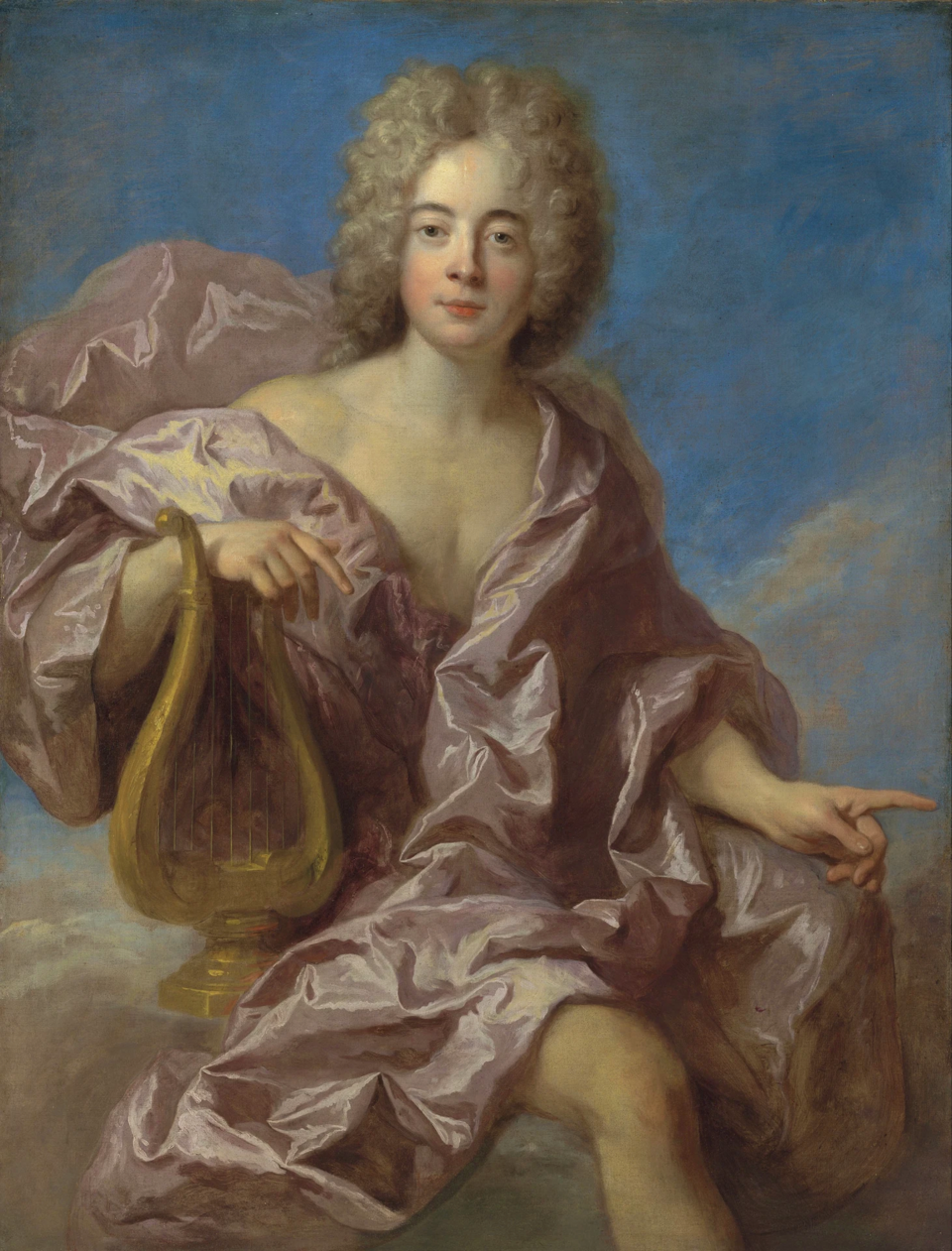
—They say you drive the sun across the sky, is that true?
Every morning, yes! Imagine a great chariot pulled by four fiery horses, soaring across the sky from dawn to dusk. It is I who lead this light, day after day, so that order reigns and the world does not stay in darkness. You know, my sun cult became very powerful in an era called Hellenistic, that is, after the great Greek conquests. In Egypt, I was even associated with their sun god, Ra. Later, the Roman emperor Augustus claimed to be my protégé. Everywhere, I was seen as the guardian of light.
Every morning, I lead the light across the sky so the world does not stay in darkness.
—What's it like to start the day by driving the sun?
It's a great responsibility, you know. From the morning, I have to be punctual: if I dawdle, the day does not dawn! I guide my chariot across the sky, I watch over the light and order of the world. Then I join my sanctuaries, like Delphi, to listen to the faithful and prepare my oracles. In the afternoon, I devote myself to music and poetry with the Muses, those nine sisters who inspire artists. Imagine a day where you carry light in the morning and beauty in the afternoon. Being a god is not resting: it is serving the world tirelessly.
Being a god is not resting, it's serving the world tirelessly.
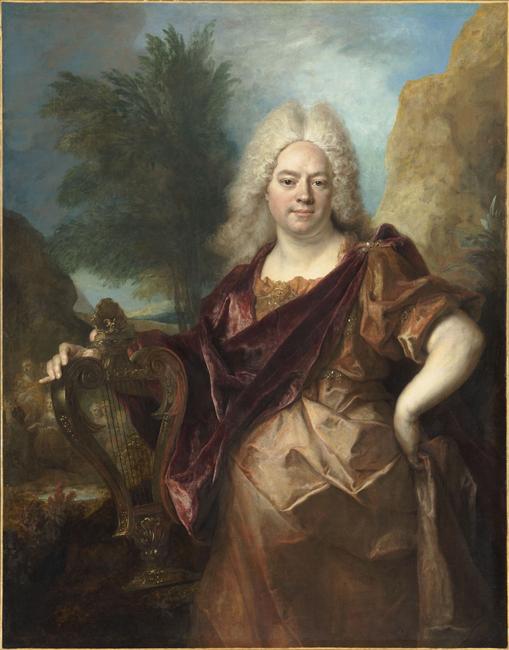
—Where were you born? Did you have a home?
I was born on a small rocky island, Delos, in the middle of the sea. The Homeric Hymn that celebrates me tells that my mother Leto gave birth to me there. That island remained my first sanctuary, and festivals were held there in my honor, the Delian Games. But you know, a god does not stay in one place! I was worshipped in temples everywhere: at Corinth, at Claros in Asia Minor, all the way to Epirus. Imagine sanctuaries scattered over hundreds of kilometers, all turned toward me. My true home was Mount Olympus, but my heart beat on Delos.
I was born on a rock in the middle of the sea, and the whole world built temples for me.
—Why were there so many temples for you all over?
Because the Greeks traveled a lot, my child! When they founded a new city, far from home, they carried me in their hearts. So they built a temple for me to protect them. Around 550 BC, my cult was at its peak: sanctuaries were built from Ionia in Asia to Epirus on the sea. At Claros, there was even another oracle, like at Delphi. Imagine that wherever you went in the Greek world, you could find a home to honor me. That's what it means to be a god of all Greeks: to be at home everywhere.
Wherever the Greeks went, they carried me in their hearts.
—And today, what remains of you and Delphi?
You know, my child, not all temples last forever. Around AD 390, a Roman emperor, Theodosius, had sanctuaries like mine closed. The Pythia fell silent, the tripod grew cold. But imagine: people still visit the ruins of Delphi, on the slopes of Parnassus, and look up as in ancient times. My lyre, my laurel, my oracles — all of it continues to tell a story. As long as a child like you comes to listen, climb these steps, and ask questions, then something of me still lives. The light, you see, never quite goes out.
As long as a child comes to listen, something of me still lives.
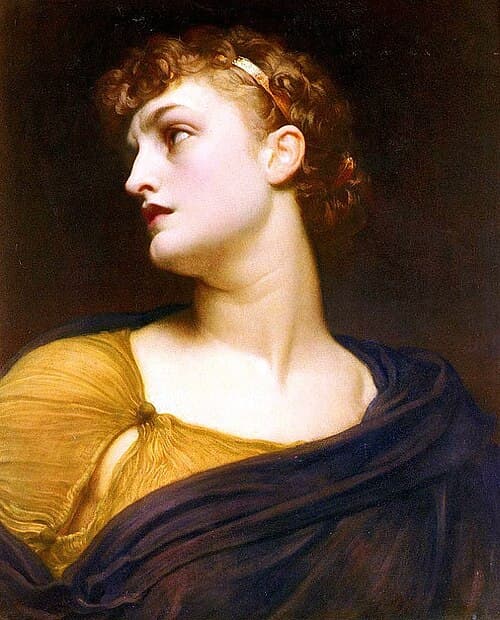
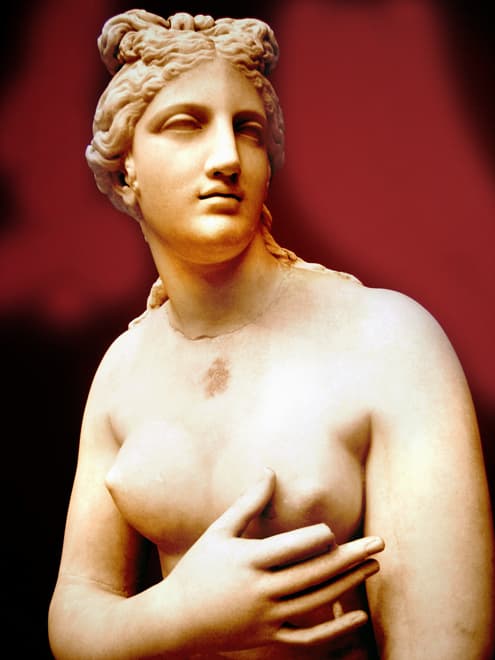
This imaginary interview was generated by artificial intelligence from sources documented in Apollo's profile. It dramatises what the figure might have said based on what we know about them, but does not constitute attested historical testimony. For primary sources and factual documentation, refer to the full profile.