Imaginary dialogue between Hermès and Apollo
by Charactorium · Apollo · Mythology · 5 min read
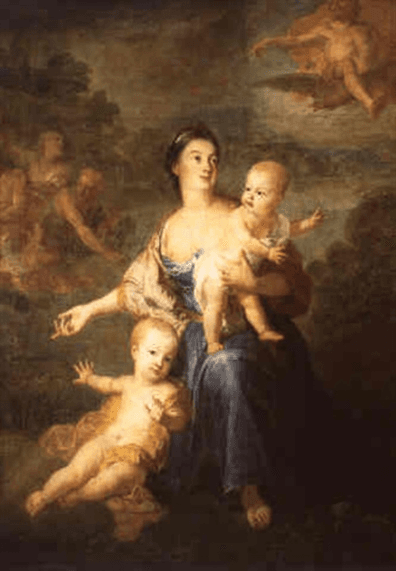
It is on the slopes of Mount Parnassus, in the shadow of the temple at Delphi, that I find my brother Apollo one evening when the setting light still gilds the Pythia's tripod. The air smells of burnt laurel and the smoke of libations. We have known each other since the morning of my birth, when I stole his cattle and offered him in exchange a tortoise shell strung with cords. This time, I have come not to trick, but to listen — I, Hermes, who know better than anyone the worth of his words.
—Brother, before Delphi there was Delos. You who reigned so quickly over gods and mortals, do you remember that first rock?
How could I forget it, Hermes? Delos was a wandering island, bare and poor, the only one that dared to welcome our mother Leto when Hera's jealousy closed every land. I was born there under a palm tree, and the island immediately anchored itself in the sea, fixed forever. They say the swans circled it seven times. From my first breath, I demanded the silver bow and the lyre, and the gift of telling men the infallible will of our father Zeus. You know this, you who were born in a cave in Arcadia: a god reveals himself entirely from the dawn of his existence. But Delos remains my cradle, the poor rock I made more glorious than palaces.
Delos was the poorest island, and I made it more glorious than palaces.
—Here once watched the serpent Python. Tell me about the day you slew him to make this place your sanctuary.
When I came here, Hermes, this valley was nothing but darkness. Python, the dragon born of the earth, guarded the spring and terrorized the land, stifling every oracle under his coils. I drew my silver bow and riddled him with arrows until the beast collapsed and rotted in the sun — hence the name Pytho given to this place. It was not a simple murder: it was order driving out chaos, light taking possession of shadow. On the body of the conquered serpent, I established my prophetic throne. You know how much I love measure and harmony; I had first to crush the ancient confusion so that clear speech could spring forth.
It was not a murder: it was order driving out chaos.
—From that tripod, your voice speaks through the mouth of the Pythia. How does a god speak through a mortal?
I do not descend to speak to kings in person, Hermes — that would crush them. I choose a woman, the Pythia, I fill her with my breath, and it is through her lips that my thought passes. Seated on the tripod, above the chasm from which the sacred vapor rises, she loses her own voice to take mine. The Greeks come from everywhere: Athens, Sparta, and even distant cities, asking whether to found a colony, wage battle, atone for a crime. I never lie, but I speak veiled — the oracle requires that one listen with wisdom. He who interprets poorly has only his own haste to blame, not my word.
I never lie, but I speak veiled: the oracle requires that one listen with wisdom.
—They say that kings and cities suspend their wars on your answer. Does this power over men sometimes weigh on you?
It does not weigh on me, but it obliges me. When a people consults the tripod before taking up arms, the future of thousands of men depends on a single word. I have seen cities saved by a well-understood response, and others lost for twisting it to their convenience. Prophecy is not a favor one buys: it is a mirror held up to those who dare to look into it. That is why my sanctuary remains, for so many generations, the center where the heart of the Greek world beats. On the pediment are engraved the maxims of moderation — know thyself, nothing in excess. Those who despise them rarely return.
Prophecy is not a favor one buys: it is a mirror held up to those who dare to look into it.
—Brother, I must come to it at last: the lyre. On the morning of my birth, I handed it to you. Do you regret that exchange?
Regret it? Hermes, little thief of Arcadia, you stole my herd before you could even walk! I came to claim what was mine, furious — and you placed on my lap that tortoise shell strung with seven cords. From the first chord, my anger fell away. You gave me the instrument that would become my dearest attribute, and I left you my cows and the caduceus. What a trick! You turned a theft into an alliance between us. The seven-stringed lyre became the very symbol of my harmony, the soul of my sanctuaries. Without your morning theft, I might never have held in my hands what sings better than my own voice.
You turned a theft into an alliance: without your theft, I would never have held the lyre.
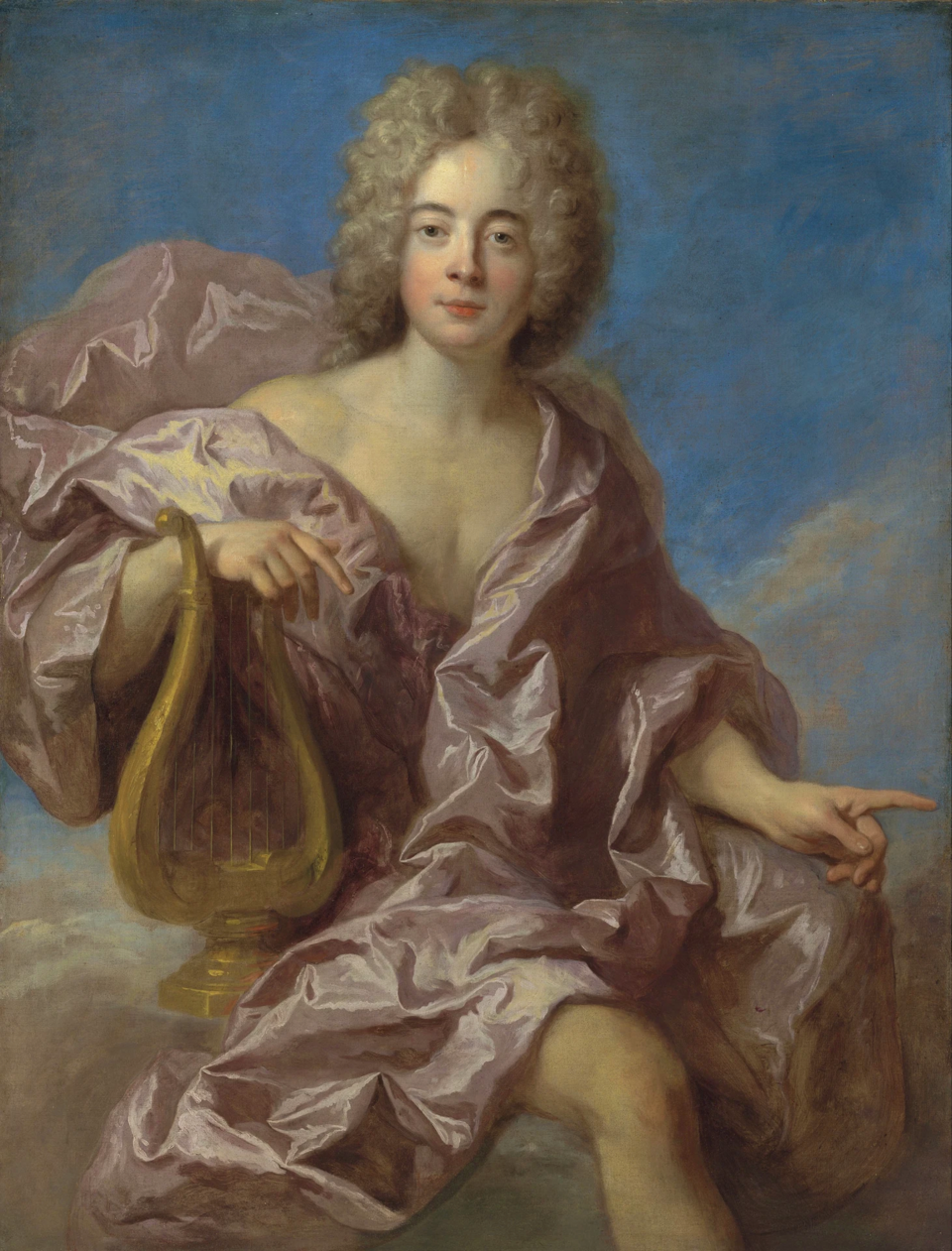
—You play, they say, so perfectly that even the Olympians fall silent. Why did you institute musical games in your name?
Because harmony is not kept for oneself; it is shared and nobly contested. When I touch the strings on Olympus, conversations die down, the Muses gather around me, and even our father Zeus lends an ear. But I did not want mortals to remain silent. At the Pythian Games, here at Delphi, I wanted them to compete in song and cithara as they compete elsewhere in the stadium. These contests rival the prestige of the Olympic Games. A poet crowned in my honor carries more than a victory: he proves that man can, for an instant, touch the divine order of sound. Music, Hermes, is the only weapon that wounds no one.
Music is the only weapon that wounds no one.
—I know you as glorious, but a shadow follows you: Daphne. Will you tell me why the laurel became so sacred to you?
You touch a wound there, Hermes, and you know it well. I was pursuing Daphne, the nymph, my heart aflame with a desire I thought unstoppable — I who slay Python, how could a mortal escape me? But she fled, terrified, and at the moment I was about to catch her, she implored the earth and her father the river. Under my fingers, her skin became bark, her hair foliage, her arms branches: she had changed into a laurel. I embraced only a trunk still warm from her beating heart. Then I swore that this tree would be mine forever. The most powerful of gods can do anything except force a heart that refuses him. That is the lesson I wear on my brow.
The most powerful of gods can do anything except force a heart that refuses him.
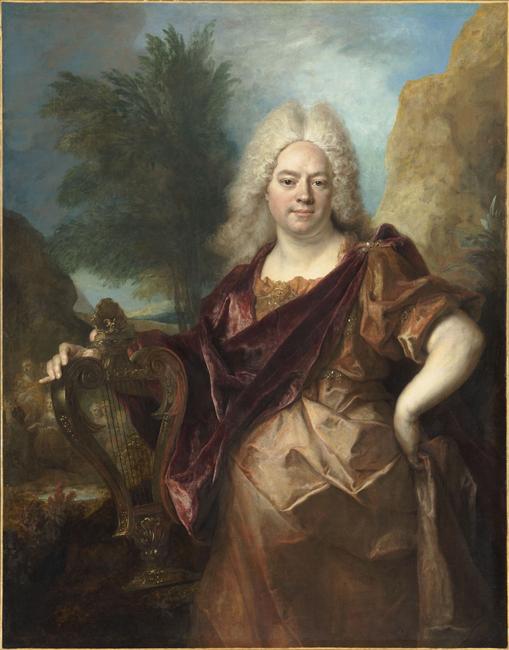
—Thus the laurel crowns the brows of victors and poets. Did you intend to turn a grief into a crown?
You have a sharp eye, cunning brother. From my pain, I drew an honor. Since Daphne had fled me by becoming a laurel, I decided that her leaves would henceforth crown what is highest among mortals: the inspired poet, the truthful prophet, the victor of the Pythian Games. The laurel stays green all year, like the glory it signifies. Thus she who did not want me follows me everywhere, woven around my head and that of my chosen ones. It is my way, perhaps, of not losing her entirely. Beauty that refuses itself becomes a symbol; disappointed desire becomes a lasting offering. That is how a god turns his pain into light.
She who did not want me follows me everywhere, woven around my head.
—This sanctuary has lasted for endless generations. What, in your opinion, keeps it at the center of the Greek world?
What keeps it, Hermes, is that people come here seeking something other than riches: they come seeking the truth. Since I built my first temple on the body of Python, men from every city climb this path to hear, through the Pythia, a word more enduring than their walls. As long as mortals fear the future and desire justice, they will come here. Kings pass, cities rise and fall, but the sacred vapor continues to blow. I made this obscure valley the navel of the earth, the omphalos. One does not consult Delphi to be flattered: one consults it to be enlightened, even by a light that burns.
One does not consult Delphi to be flattered: one consults it to be enlightened.
—One last thing, brother. From Delos to Delphi, from the lyre to the oracle — if you had to name what holds you together, what would you say?
A single word, Hermes: harmony. The bow that draws the string and the lyre that makes it sing obey the same law — the right tension. I kill the serpent as I tune an instrument: so that order prevails over confusion. My prophecy, my music, my daylight, my laurel itself — all say the same thing: there is a measure, and man rises when he respects it. You love passage, roads, tricks; I love the fixed point from which everything radiates. That is why our paths cross endlessly without ever merging. And that is why, despite your thefts, I have never stopped loving you as a brother.
I kill the serpent as I tune an instrument: so that order prevails over confusion.
This imaginary interview was generated by artificial intelligence from sources documented in Apollo's profile. It dramatises what the figure might have said based on what we know about them, but does not constitute attested historical testimony. For primary sources and factual documentation, refer to the full profile.