Kids interview Beaumarchais
by Charactorium · Beaumarchais (1732 — 1799) · Literature · 5 min read
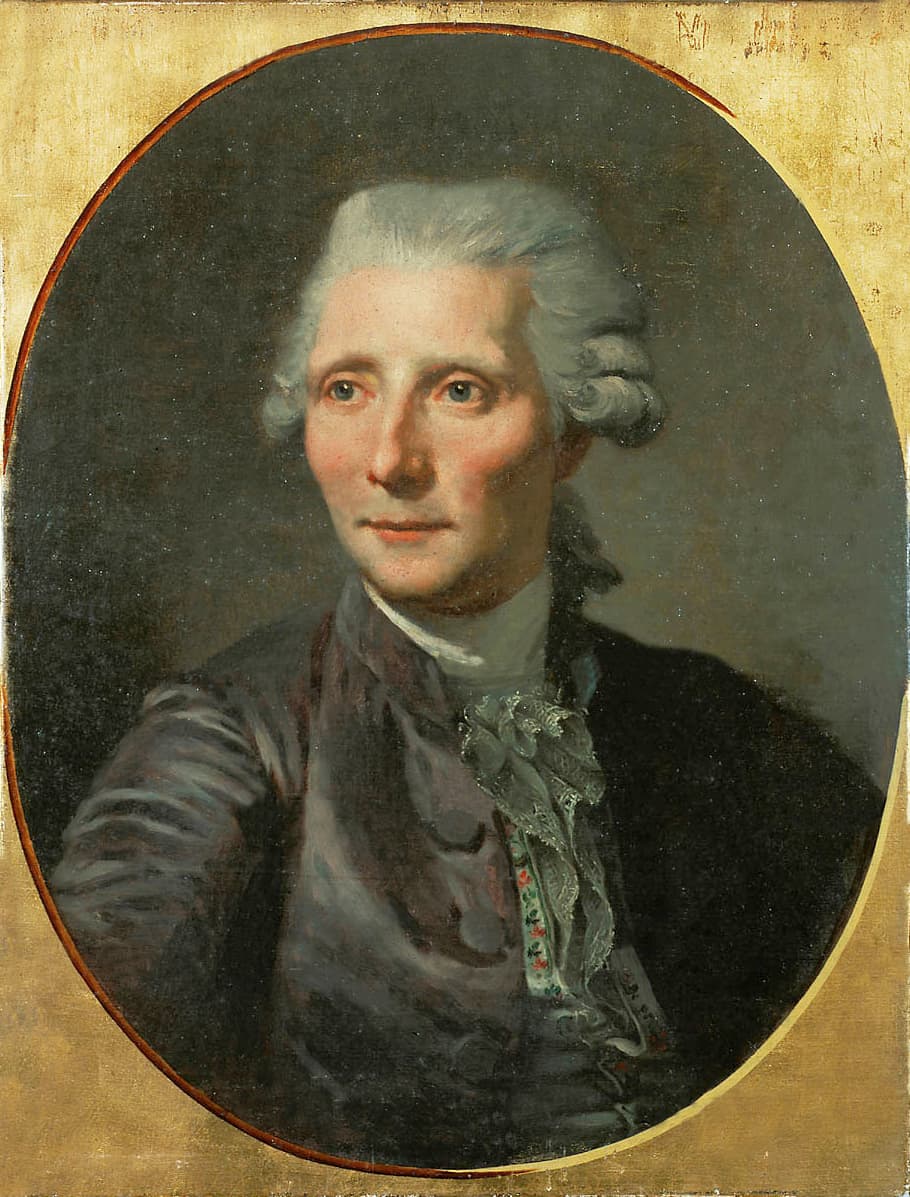
It's a morning during a school trip. Two twelve-year-old students step forward, a little intimidated, toward a man in silk clothes who awaits them with a smile. Beaumarchais, the author of Figaro, has agreed to answer all their questions.
—How old were you when you invented your first watch?
You know, my child, I was 21 years old. My father was a watchmaker, and I spent my days bent over tiny gears. One day, I found a new escapement mechanism — the little part that makes a watch tick at the right pace, tick, tock, without running slow. Imagine my pride! But a watchmaker to the king, one Lepaute, claimed the invention was his. The thief! So I fought, not with a sword, but before the Académie des sciences. And in 1754, they ruled in my favor. That was my very first battle. The first of a long series, believe me.
—What was it like, playing music for a king's daughters?
Ah, that's a funny story! I had taught myself the harp, without a teacher, by plucking the strings in the evening. I became so good that I was asked to give lessons to the daughters of Louis XV at Versailles. Imagine for a moment: me, the son of a craftsman, walking in the gilded galleries of the palace! Music opened doors that my birth kept closed. Later, I bought an office — a position you paid the king for — and it gave me nobility. That's when I became Beaumarchais. Before, I was just little Caron.
—Is it true that people died just to see your play?
Alas, yes, and it still saddens me. On April 27, 1784, my Marriage of Figaro was finally performed at the Comédie-Française. All of Paris wanted to get in! The crowd crushed at the doors — the pit, you know, is where the audience stands, right near the stage. There was such a stampede that three people were suffocated to death. Three! For a comedy! I had never seen such madness. People had waited for this play for years, because the king had banned it. And you'll see, my child: when a fruit is forbidden, everyone wants a bite.
When a fruit is forbidden, everyone wants a bite.
—Why didn't the king want your play to be performed?
Because my play bit, you see. In the Marriage of Figaro, a simple valet dares to stand up to his master, a great lord. Figaro tells him that he has done only one thing to deserve all his riches: take the trouble to be born, and nothing more. Can you imagine the audacity? Louis XVI read that and took fright. He banned it several times — that was royal censorship, the power to prevent a play from being performed. But at court, everyone was burning to see it. The king finally gave in. A piece of writing makes no noise, my child, but it makes the powerful tremble.
—What is a judicial brief?
Good question! When you have a trial, you can write a text to defend your case, print it, and have everyone read it. That's called a judicial brief. In 1773, I was attacked by a judge named Goëzman. They wanted to tarnish my honor and fortune. So I wrote four briefs. But instead of being boring like old court papers, I made them funny, lively, biting. All of Paris snatched them up and laughed with me. I won public opinion long before I won the trial. That's when I understood a very simple thing.
A well-dipped pen is worth a thousand lawyers.
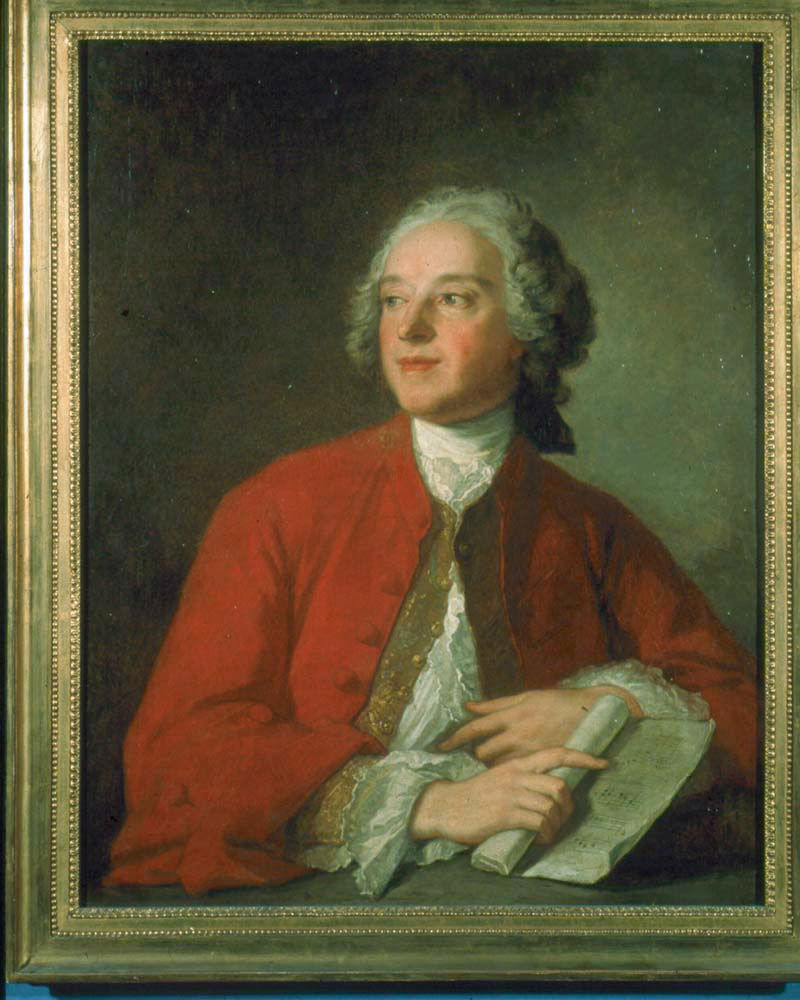
—Did you earn a lot of money from your plays?
Ah, precisely, almost nothing! In my time, when an author gave a play to the actors, they performed it and kept the receipts. The writer often went away empty-handed. I found that deeply unfair. So in 1777, I gathered other authors and we founded a society to defend our rights — what is now called copyright. It was one more battle, but a fine one: to make people recognize that a play belongs to the one who writes it, not only to those who perform it. You see, my child, I spent my life fighting. For a watch, for my honor, and even for words.
—Is it true that you secretly helped America?
Yes, and very few people know it! Across the ocean, in 1776, colonists were revolting against England to become free — the United States were about to be born. They lacked everything: guns, powder, uniforms. So I set up a company with a mysterious name, Rodrigue Hortalez et Compagnie, to send them weapons in secret. Everything went through letters sealed with wax, so that no one would guess. Imagine: me, the man of the theater, playing spy! I put my own money into it, enormous sums, because I believed in their freedom more than in my safe.
—And were you reimbursed all that money you gave?
Well… no. That's the sad part of my story. I had advanced a fortune to arm the American insurgents. France never paid me back fully, and the United States, once free, no more. I helped give birth to a great country, and I ended up with almost empty pockets! Later, during the Revolution, it continued: I tried to buy thousands of rifles for the Republic, the deal went wrong, and I was even suspected of treason. I had to go into exile in Hamburg, far from Paris. You can be generous, my child, and end up poorly rewarded. Yet I regret nothing.
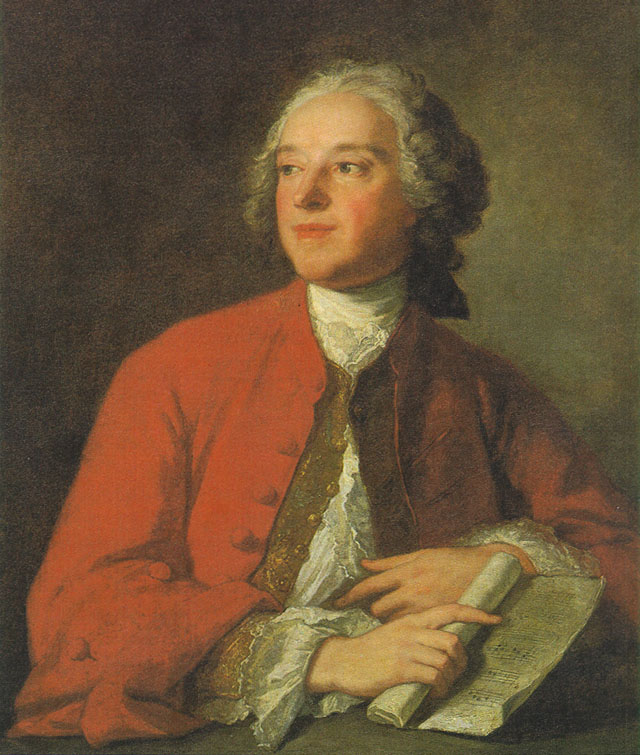
—Why did you reprint all of Voltaire's books?
Because Voltaire was a giant, and I didn't want his ideas to die with him. At his death, many of his writings were banned in France. So I had a somewhat crazy idea: to publish everything, his complete works, in 70 volumes! I set up a printing press across the Rhine, in Kehl, in German territory, to escape the kingdom's censorship. It cost me a fortune, once again. But imagine entire crates of books leaving for roads all over Europe, loaded with Enlightenment ideas — reason, tolerance.
A man dies, but his books continue to enlighten.
—What did it mean, deep down, to be a man of the Enlightenment?
It meant believing in reason, my child — the idea that by thinking well, you can make the world more just, like a lamp that chases away the shadow. In my time, an immense book gathered all knowledge: the Encyclopédie. To own it was like holding the whole world in your library! I wanted to do the same with Voltaire, so that his ideas would not go out. You see, I wasn't just a man of the theater who made people laugh. I was also a passer — someone who takes the fire of ideas and hands it to the next hand. Making people laugh, defending justice, passing on knowledge: for me, it was the same fight.
—If we could come to your house, what would we see upon arriving?
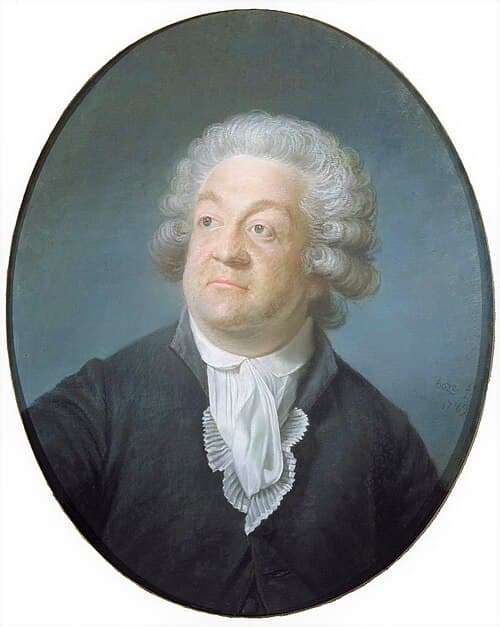
Ah, you would be dazzled! I had built a magnificent mansion, right opposite the Bastille, that great prison. What cheek, isn't it? Gardens, a music room, a huge library full of books. You would see me there in embroidered silk clothes, powdered wig — me, the grandson of a watchmaker become a gentleman! And in the evening, perhaps, I would take my harp just for you. But what I want you to remember is not the silk or the gilding. It's that you can be born from nothing and fight your whole life for words, justice, and freedom. That is my true treasure, in 1789 as today.
This imaginary interview was generated by artificial intelligence from sources documented in Beaumarchais's profile. It dramatises what the figure might have said based on what we know about them, but does not constitute attested historical testimony. For primary sources and factual documentation, refer to the full profile.