Imaginary dialogue between Herman Boerhaave and Carl von Linnaeus
by Charactorium · Carl von Linnaeus (1707 — 1778) · Sciences · 5 min read
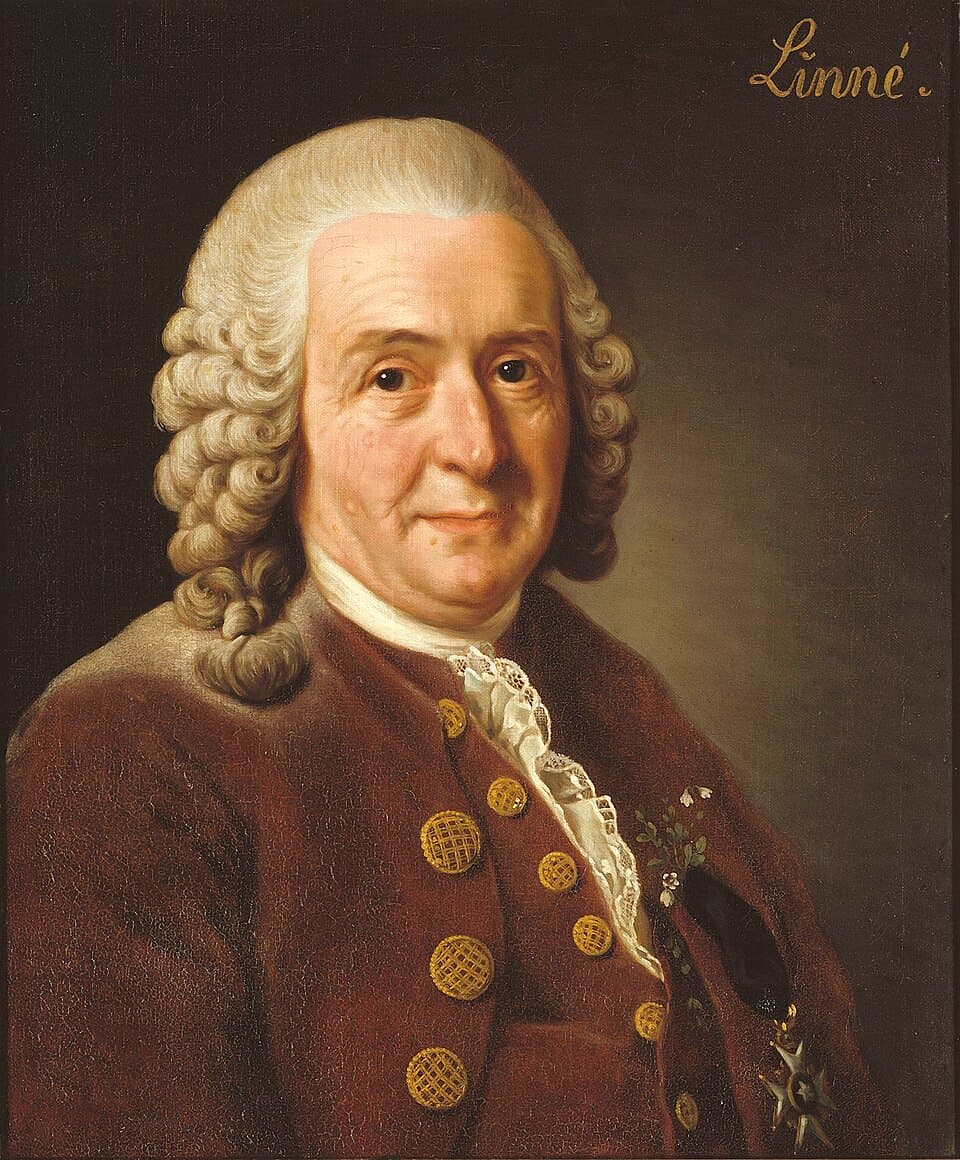
It is in the warm greenhouses of the Hartekamp estate, near Haarlem, that Herman Boerhaave meets young Carl again in the winter of 1738. The stoves create an artificial spring where a banana tree—the first to bloom in Europe thanks to the Swede—flourishes. The old Leiden physician had once recommended him to George Clifford, and he comes to see what his protégé has made of this opportunity before he heads back north. Amid the smell of damp soil and the rustling of herbarium leaves, the conversation begins.
—Carl, I already heard of you as the Swede who returned from Lapland. What did you go looking for so far north?
I was twenty-five, Sir, and the Royal Society of Uppsala entrusted me with a few coins to describe those lands that no naturalist had ever traversed. I covered nearly 4,600 kilometers in five months, on foot, on horseback, sometimes by boat, in cold and hunger. A swollen river nearly swept me away, and I thought I would never see a Christian steeple again. But I brought back about a hundred new plants and all the material for my Flora Lapponica. That wilderness taught me what no library can: that nature is read in the field, on your knees in the moss. Without Lapland, I would be just another student; that journey made me a naturalist.
Without Lapland, I would be just another student; that journey made me a naturalist.
—I hear you are having yourself painted in a strange outfit you brought back from up there. Why are you so attached to that Lapp costume?
You have seen it on me, the costume of the Sami people: the tunic, the pointed hat, the belt, and even the little drum. I wear it because it says what books leave unsaid. Up there, I learned how that people feeds, heals, and warms itself with almost nothing: which plants they eat, which they give to their reindeer, which they keep for remedies. A naturalist does not just classify stamens, Sir; he observes how men live off nature. This garment reminds me that science begins by looking, humbly, at those who already know. And, I confess, it sets me apart in the salons of Holland, where curiosities from the cold are welcomed.
—Let's talk about your Systema Naturae, that thin broadsheet you showed me in Leiden. How dare you classify all living things in it?
That broadsheet, yes, a few leaves where I dared to order the three kingdoms. For plants, I looked for a sure and constant character that anyone could count with their own eyes: the very organs of the flower. So I divided plants into twenty-four classes, according to the number and arrangement of their stamens and pistils. I am reproached for founding my method on the nuptials of plants, on their marriage if you will. But nature does not blush, Sir; it is we who blush. A simple key that the humblest schoolboy can apply is better than a confused knowledge that no one can pass on.
Nature does not blush, Sir; it is we who blush.
—But those endless Latin names we drag from the ancients, do you really plan to replace them? And with what?
That is my greatest undertaking, Sir, and it is far from finished. Today, to name a single plant, one recites an entire sentence of Latin words, different from one author to another: a real chaos. I dream of a name of just two words, the first for the genus, the second for the species. Thus each being would bear its own proper name, the same from Stockholm to Leiden, from peasant to prince. I began by fixing the genera in my Genera Plantarum. The rest will take years of patient labor, but I already hold it in my mind: to name is already to know, and a clear name is knowledge never lost again.
—One thing troubles me in your system, Carl: you place man very close to the ape. Do you realize the scandal?
I realize it, Sir, and I stand by it. When I drew up the class of Anthropomorpha, I searched in vain for a character that, according to the rules of natural history, would surely separate man from ape. I found not a single one I could honestly write down. This displeases the theologians, I know, and I am already thought impious. But I do not touch the soul; I describe a body among bodies. God created, and I merely put in order what He made. If truth scandalizes, it is not for the naturalist to gloss it over to spare delicate sensibilities.
God created, and I merely put in order what He made.
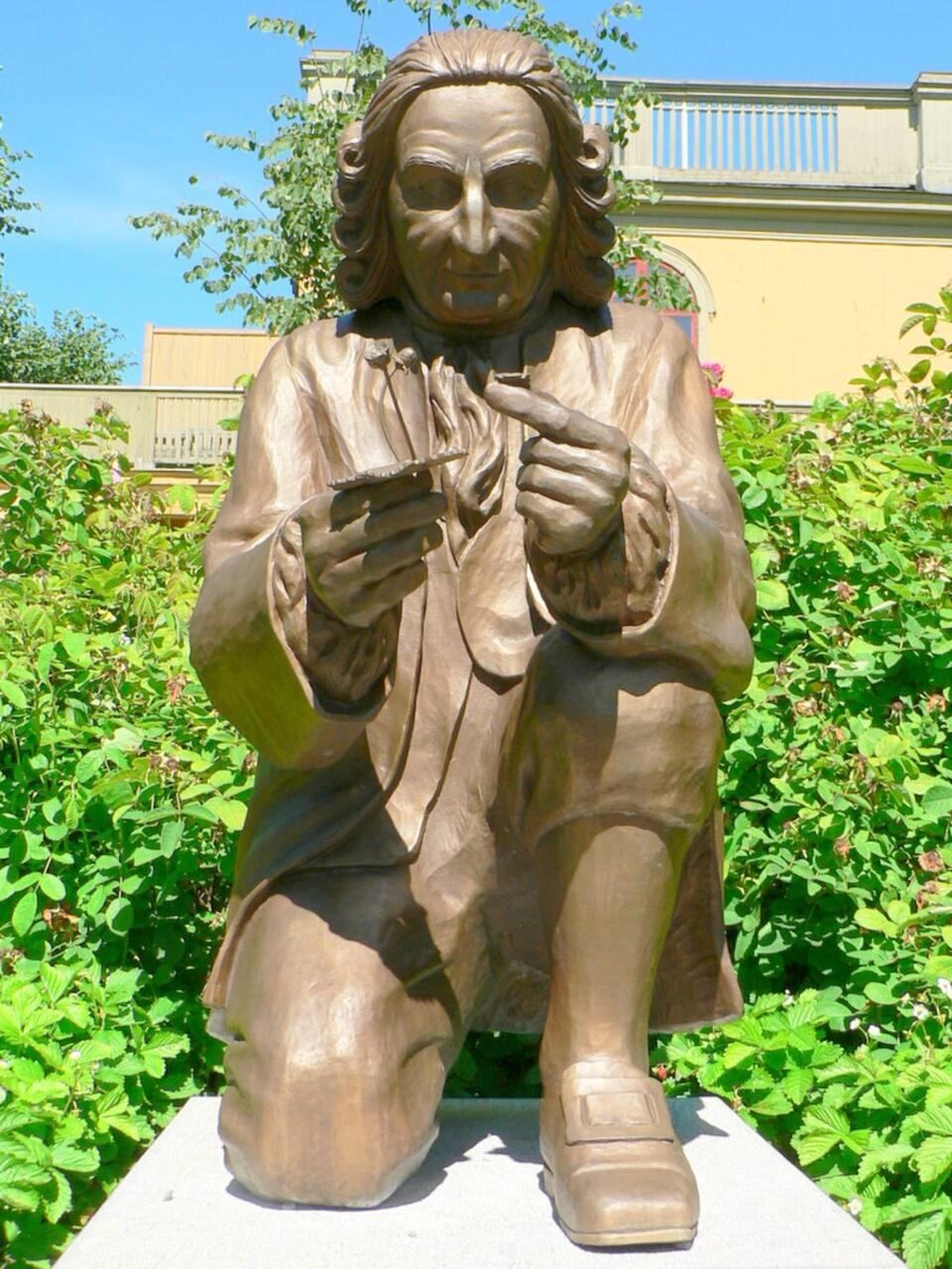
—It is whispered that you named a stinking weed after a colleague who criticized you. Is that worthy of a scholar?
You already know the answer, Sir, since you are smiling. Johann Siegesbeck published a pamphlet against me in which he called my plant nuptials an obscenity unfit to be taught to youth. So I gave his name to a small plant, Sigesbeckia: creeping, graceless, and strong-smelling. Everyone will see in it what they will. I know it is a sin of vanity, and you scold me with your eyes as you did in Leiden when I lost my temper. But naming is my power, and I sometimes use it to laugh at my adversaries. A scholar, too, has blood in his veins, Sir.
—You will soon leave us for Sweden. What kind of teacher do you want to become there, in that Uppsala you talk about so much?
God willing, I will obtain a chair at Uppsala, and I dream of it every night since you opened my eyes to what a garden can be. I will restore the botanical garden, now neglected. And I want to teach differently than within four walls: to lead my students into the fields, to have them recognize each plant in the living state, to go herborizing together from morning to night. I already imagine them numerous, returning in procession, drums and fanfares, hats adorned with flowers. A professor who shows only dried herbaria trains copyists; I want to train eyes. Knowledge that does not walk in the meadows withers like a flower forgotten between two pages.
A professor who shows only dried herbaria trains copyists; I want to train eyes.
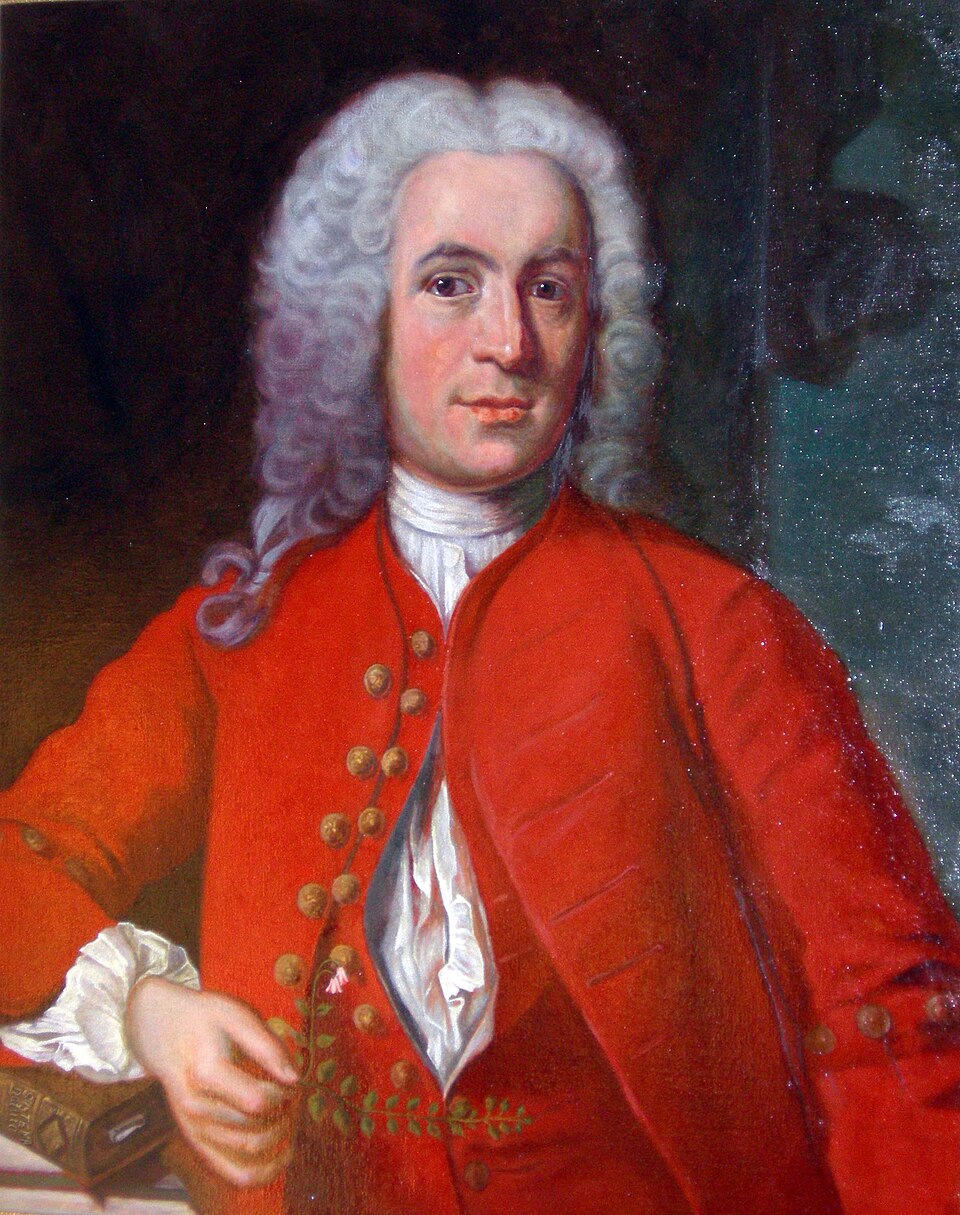
—Do you remember the day I sent you to Clifford, at Hartekamp? What did you find here that Sweden denied you?
How could I forget it, Sir? I arrived in Holland poor, unknown, my papers under my arm, and you opened every door for me, Clifford's first. Here, at the Hartekamp, I had for the first time a garden without limits, warm greenhouses, rare books, and the leisure to write without worrying about bread. It was in Holland that my Systema Naturae, my Flora Lapponica, my Genera Plantarum appeared. In Sweden, I would have treated the sick to survive, and botany would have remained my Sunday pastime; here, you gave me back entirely to it. That debt, Sir, is not recorded in any catalogue.
—Deep down, Carl, what is your true purpose? Sticking labels, or something grander?
Something grander, Sir, I admit without hesitation. The world God made overflows with creatures, and the human mind gets lost in it for lack of order. My purpose is to give every plant, every animal, every stone its exact place in a single system: kingdoms, classes, orders, genera, species. Not to imprison nature, but so that a single mind can embrace it whole. When a name suffices to situate a being in the immense creation, then chaos becomes a garden and inventory becomes knowledge. That is my sole ambition: that nothing that lives, grows, or rests remain without name or rank.
—You leave in a few weeks. What do you take from Holland, and what do you fear upon returning home?
I take crates of specimens, a few precious friendships, and above all, the proof that a man can live for science alone. What do I fear? The cold of oblivion, far more than that of the North. A young man returning home quickly becomes just another physician, and my stamens will make the burghers of Uppsala smile. But you taught me patience, Sir, you who built your work lesson by lesson, patient by patient. I will sow, I will classify, I will write, and I will let time separate the wheat from the chaff. If my system survives my quarrels, I will have lived enough.
Read further
This imaginary interview was generated by artificial intelligence from sources documented in Carl von Linnaeus's profile. It dramatises what the figure might have said based on what we know about them, but does not constitute attested historical testimony. For primary sources and factual documentation, refer to the full profile.