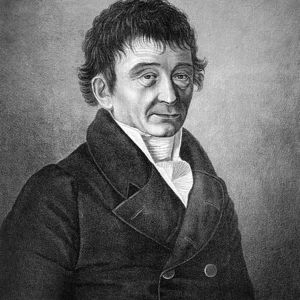
Eighteenth-century German physician and botanist, director of the Saint Petersburg botanical garden. He is best known for his fierce opposition to Carl von Linné's sexual system of plant classification.
Johann Siegesbeck
Johann Georg Siegesbeck
4 min read
Frequently asked questions
Key Facts
- Born in 1686 in Naumburg, died in 1755 in Saint Petersburg
- Director of the botanical garden of the Saint Petersburg Academy of Sciences
- In 1737, he published an attack on Linné's sexual system of plant classification, deeming it immoral
- In retaliation, Linné gave the name 'Sigesbeckia' (a small, unattractive plant) to a plant genus
- A figure of the conservative opposition to the taxonomic innovations of the Enlightenment
Works & Achievements
Pamphlet attacking Linnaeus's sexual system of plant classification, the main work that secured Siegesbeck's place in the history of science.
Management and development of one of the leading scientific gardens of the Russian Empire, dedicated to medicinal and study plants.
Participation in the scientific life of the Academy as a botanist and physician in the service of imperial Russia.
A resounding debate over plant classification, which gave rise to the vengeful genus “Sigesbeckia” named by Linnaeus.
Anecdotes
When Siegesbeck attacked his classification based on the sexual organs of plants, Linnaeus retaliated with mischief: he gave the name “Sigesbeckia” to a small creeping weed, sticky and foul-smelling. The message was clear: as insignificant and unpleasant as his opponent's criticisms.
Siegesbeck considered Linnaeus's system scandalous. He was outraged that one could teach young people that flowers have “husbands” and “wives” in the same bed: to him, such vegetal “lust” was unworthy of a Christian education.
It is said that Linnaeus, receiving one day some seeds of the famous Sigesbeckia, sowed them with undisguised pleasure, savouring his little botanical revenge, which has remained famous in the history of science.
As director of the botanical garden of Saint Petersburg, Siegesbeck ran one of the most northerly scientific establishments in Europe, where acclimatising plants in a harsh climate was a constant challenge.
The Siegesbeck-Linnaeus dispute illustrates an era when the classification of living things was not merely a matter of science: it also touched on morality, religion, and the sensitivities of scholars.
Primary Sources
Pamphlet in which Siegesbeck denounced Linnaeus's sexual system, deeming it indecent to attribute to plants unions in the human manner.
In it Linnaeus recorded the genus “Sigesbeckia”, a name given in response to Siegesbeck's attacks and which became the symbol of his retaliation.
Linnaeus's letters evoke Siegesbeck's opposition and the way he chose to dedicate to him a humble and neglected plant.
Key Places
Russian imperial capital where Siegesbeck directed the botanical garden and worked for the Academy of Sciences.
Scientific establishment where medicinal and exotic plants were cultivated and studied under his direction.
Learned institution founded by Peter the Great, the center of research in Russia during the 18th century.
Siegesbeck's region of origin, where he trained as a physician and botanist before moving to Russia.
Swedish university town, home of Carl Linnaeus, whose work sparked the controversy with Siegesbeck.
Liens externes & ressources
Références
Œuvres
Botanosophiae verioris brevis sciagraphia
1737
Direction du jardin botanique de Saint-Pétersbourg
vers 1735
Travaux pour l'Académie des sciences de Saint-Pétersbourg
années 1730-1750
Controverse avec Carl von Linné
1737