Kids interview Carl von Linnaeus
by Charactorium · Carl von Linnaeus (1707 — 1778) · Sciences · 5 min read
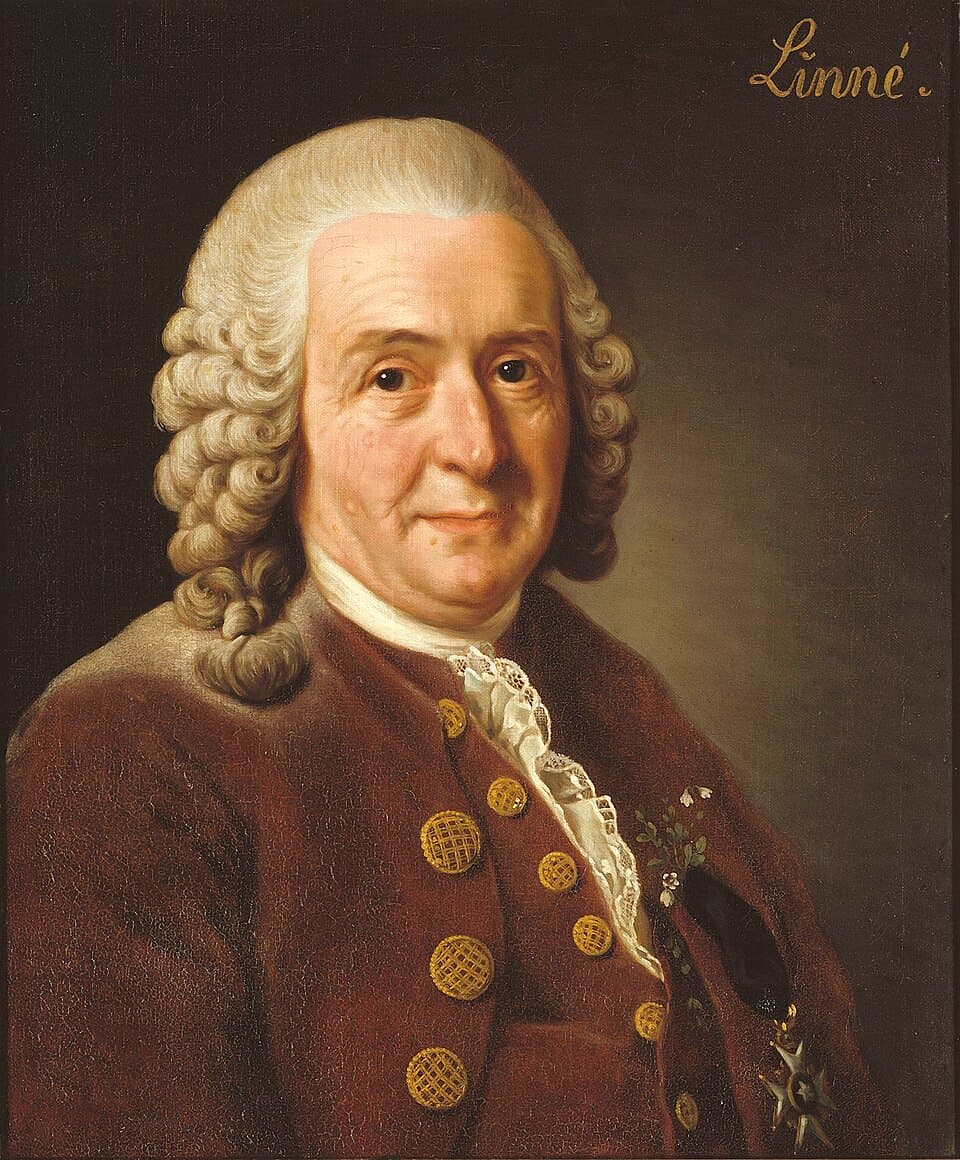
That morning, two young visitors pushed open the door of a house adjoining the Uppsala botanical garden. An old gentleman in a powdered wig greeted them, magnifying glass in hand. It was Carl von Linné, the man who wanted to give a name to every plant in the world.
—Is it true you walked thousands of kilometers alone in the cold?
Yes, my child, and I was barely twenty-five years old. In 1732, I set off to explore Lapland, in the far north of Sweden. Imagine a land with no roads, no villages for days, just marshes, rivers, and mosquitoes. I traveled nearly 4,600 kilometers in five months, often on foot or horseback. Once, I almost drowned crossing a swollen river: the water tore me from my horse. But do you know what I found up there? A hundred plants that no one had ever described. I made a book of them, my Flora Lapponica.
A land without roads, and yet a hundred new plants awaited me there.
—Up there, was it night or day? What did you eat?
Ah, that is the great surprise of the North! In summer, the sun never sets. I wrote that I had seen the midnight sun, and flowers that opened under that endless light. Imagine: you want to sleep, but it is broad daylight at two in the morning. For food, I did as the Sami people who live there do. Dried fish, wild berries picked along the way. I loved their way of life so much that I brought back an entire Sami costume. I wore it proudly afterward, and even had myself painted in it!
In summer, up there, the sun never sets.
—Why did you want to give a name to every plant? There are thousands!
Precisely because there are thousands, my child! In my time, it was chaos. The same flower had ten different names depending on the country, sometimes a long Latin phrase to describe it. No one understood each other. So I had a simple idea: two Latin words for each species. The first says the family, the second says the exact species. This is called binomial nomenclature. In my great book Species Plantarum, in 1753, I thus classified nearly 7,300 plants. And do you know what? Scientists still use my system today.
Two Latin words, and the whole Earth can finally understand each other.
—You must have been super proud to have organized all of nature, right?
Proud, yes, I admit it. I even had a little phrase I liked to repeat: Deus creavit, Linnaeus disposuit. That means "God created, Linnaeus organized." You see the idea? I did not think I was the creator of the world, just the one who brought order to the great jumble of life. Imagine a huge library where books are thrown on the floor in disorder. My job was to classify everything: kingdoms, classes, orders, genera, species. A shelf for every living being. That was my dream since childhood.
God created, and I organized.
—Did you say that humans were animals? Did that shock people?
You put your finger on my greatest audacity! In 1758, in a new edition of my Systema Naturae, I did something no one dared. I placed humans among the animals, right next to the apes. I called us Homo sapiens, which means "wise man." Imagine the scandal! In my time, in a very Christian Europe, many found it outrageous to place humans near beasts. But I, observing our hands, our teeth, saw no other way. A scientist must describe what he sees, not what is convenient for people.
A scientist describes what he sees, not what is convenient for people.
—What were your classes like? Were students bored like at school?
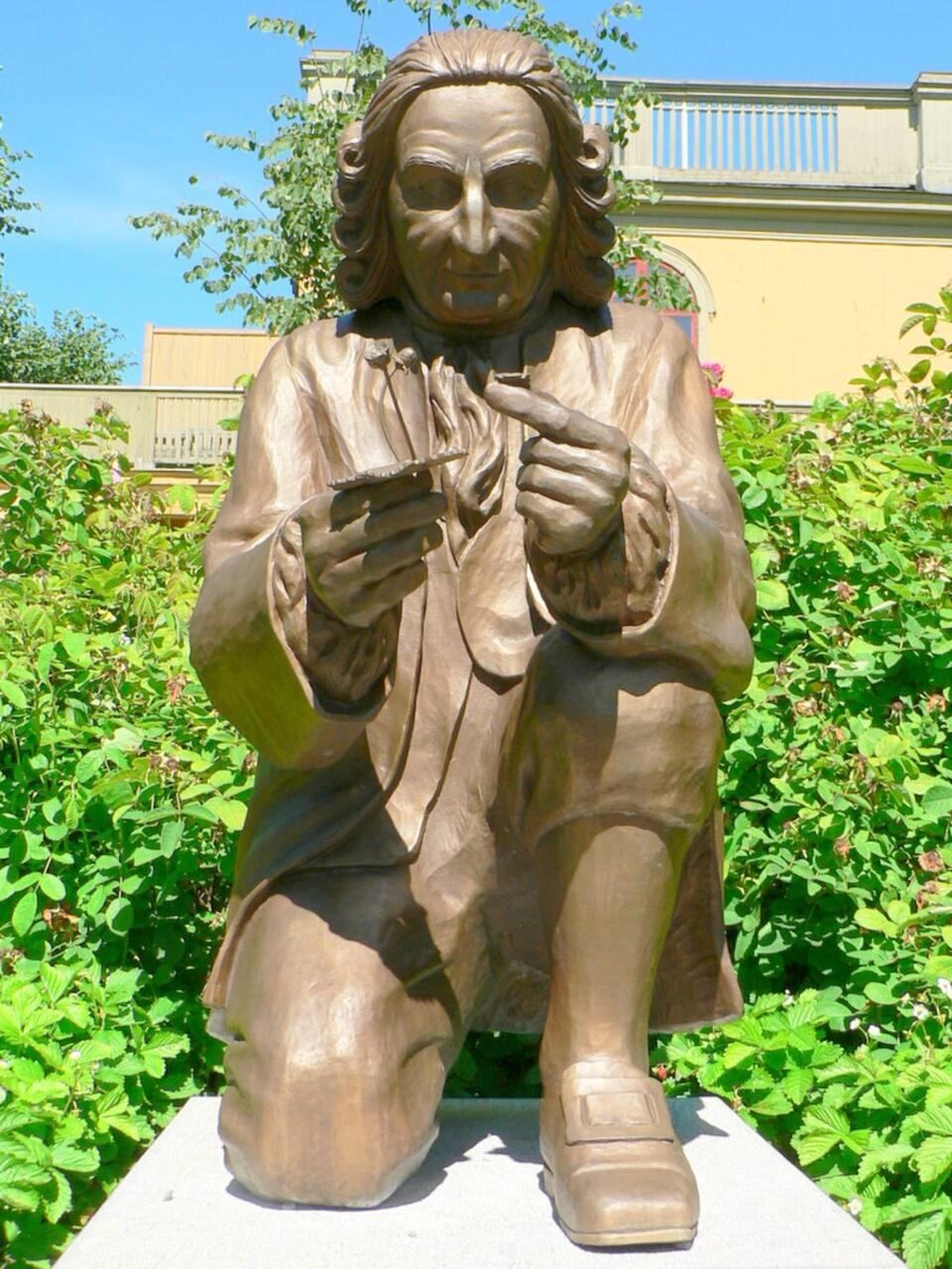
Bored? Oh no, my child, quite the opposite! My lessons at Uppsala attracted hundreds of young people from all over Europe. But the best were the herborizations: outings into the countryside to observe living plants. Sometimes we were as many as two hundred! Imagine a joyful troop marching through meadows, picking flowers, and returning to town to the sound of fanfares and shouts of joy. We were greeted like a festival. Learning was not sitting still: it was running through the fields with a magnifying glass in hand.
Learning was not sitting still: it was running through the fields.
—What time did you get up? Did you have a quiet day?
Quiet? Not a minute! I often got up at five in the morning, before everyone else, to enjoy the fresh light in the botanical garden. I would check my greenhouses, note which flowers had opened during the night. Then I received students, gave my lectures in Latin in the afternoon. In the evening, I sorted my dried plants and answered letters from around the world. You know, the King of Sweden, Frederick I, even ennobled me in 1757: that is where my "von" comes from. But despite all that, I went to bed early, because I often had headaches.
Before everyone else, I would go see which flowers had opened in the night.
—Is it true you named a stinky plant after someone you hated?
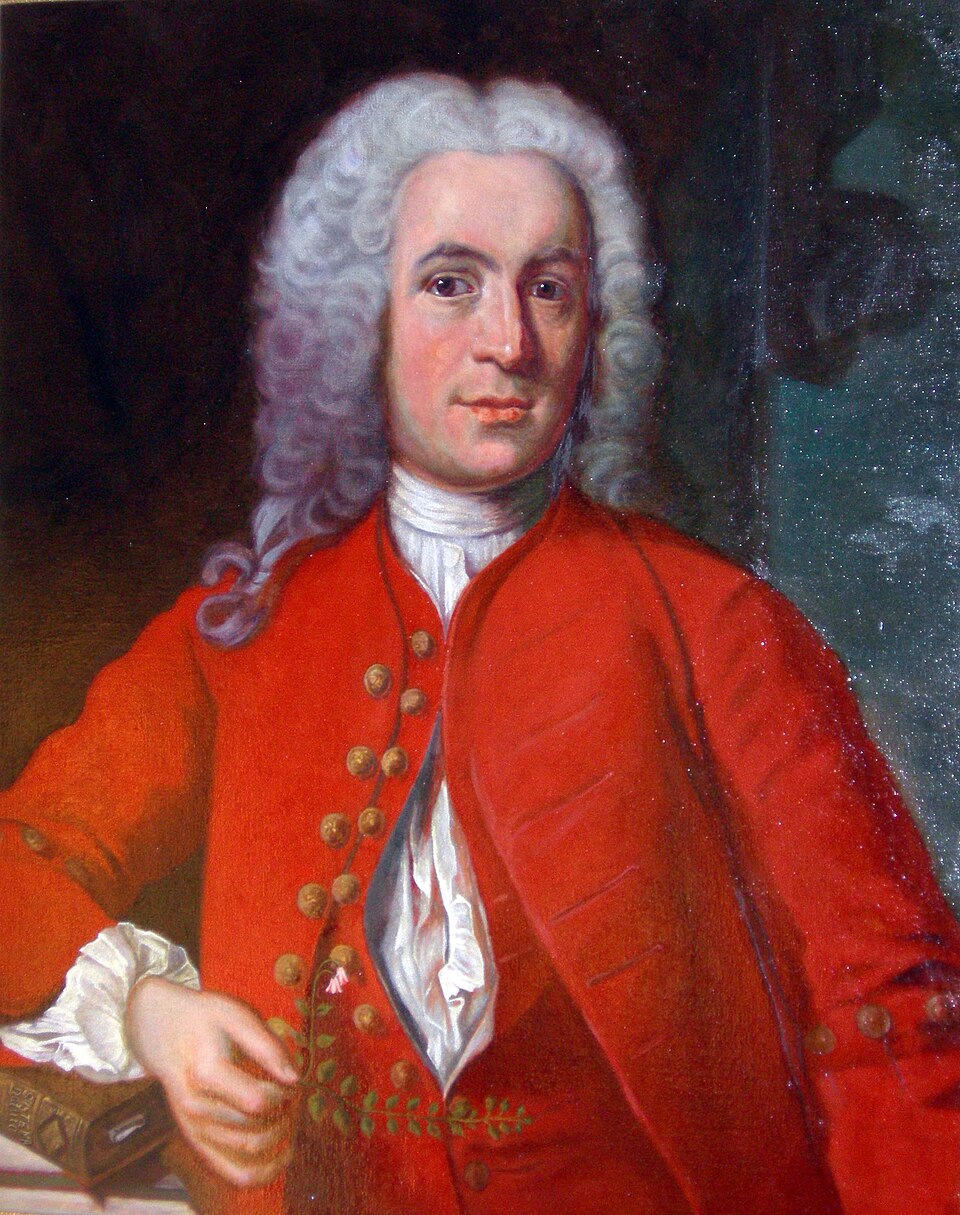
Ha! You heard that story? I admit, I was not always a saint. A botanist named Johann Siegesbeck had harshly criticized my classification system. So, to take a gentle revenge, I gave his name to a small sticky, foul-smelling plant: the Siegesbeckia. Can you imagine the joke? His name forever on a bad-smelling weed! I slipped my friendships and my angers into species names. For my friends, I chose pretty flowers. Giving a name, you see, was my greatest power.
For my friends, pretty flowers; for my rivals, a stinking weed.
—Did you keep all those plants at home? It must have been full everywhere!
Oh yes, my house overflowed! I had built an herbarium, that is, a large collection of dried plants flattened between sheets of paper. Mine contained nearly 14,000 specimens! Imagine hundreds of pressed flowers, each with its label: name, place, date. To dry them, I used a press, two wooden boards tightened with straps. And my faithful magnifying glass never left me: that is how I observed the heart of flowers. Today, my herbarium is carefully kept in London. Scientists still come to study it.
Fourteen thousand dried flowers, each with its name and date.
—If we could show you today's world, what would make you happiest?
What a beautiful question to end with, my child. What would touch me most? Knowing that my two little Latin words are still used. Every time a scientist names a new plant or animal, anywhere on Earth, they follow the rule I wrote in my Philosophia Botanica: a genus name, a species name. I spent my life putting order into the living world, like a child organizing his first garden. By the way, I was five years old when my father gave me mine, at Råshult. It all started there. Cultivate your curiosity, little one: it can cross centuries.
Cultivate your curiosity: it can cross centuries.
Read further
This imaginary interview was generated by artificial intelligence from sources documented in Carl von Linnaeus's profile. It dramatises what the figure might have said based on what we know about them, but does not constitute attested historical testimony. For primary sources and factual documentation, refer to the full profile.