Kids interview Chantal Akerman
by Charactorium · Chantal Akerman (1950 — 2015) · Performing Arts · Visual Arts · 5 min read
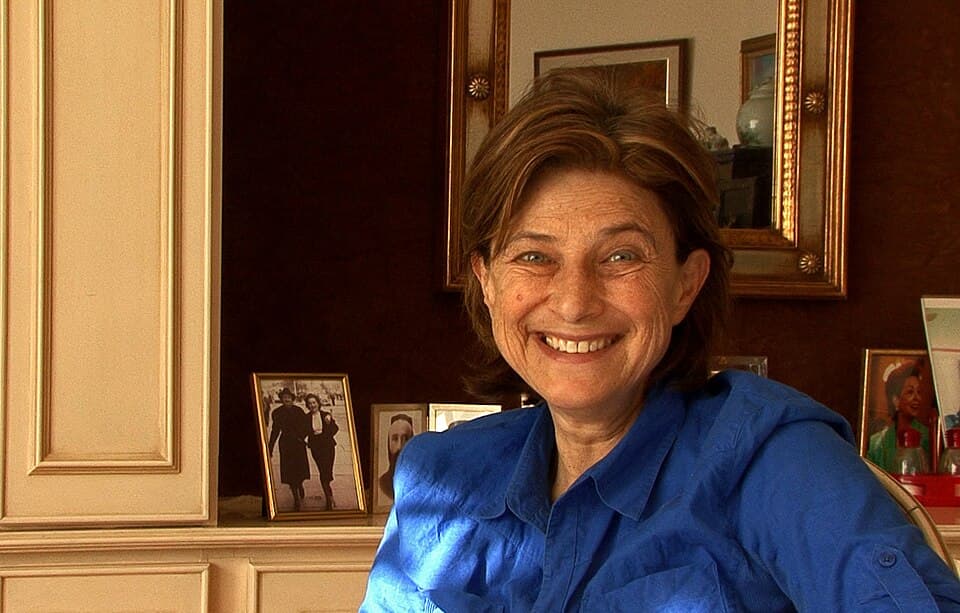
That morning, in a small museum screening her films, two middle-school students sit down before a woman with tousled hair and a gentle gaze. She lights a cigarette, smiles, and invites them to ask all their questions. Chantal Akerman liked children who aren't afraid to ask why.
—How old were you when you shot your most famous film?
You know, I was only 24 years old. That's young, very young, for a film three hours and twenty minutes long. It's called Jeanne Dielman, after a street in Brussels. And guess what: my crew was entirely made up of women. At the time, that was almost unheard of. Imagine a set where every person holding a light, a microphone, a camera, is a woman. We were proud, and a little anxious too. People told me I was too young, that my film was too long. I replied that time, precisely, was my subject.
People told me my film was too long. Time, precisely, was my subject.
—Why film a lady peeling potatoes for all that time?
Ah, that scene! It lasts over four minutes, without ever cutting. The lady peels her potatoes, really, just like in real life. Many people find it boring. But think: how many women, every day, perform these gestures that no one watches? Peeling, washing, cooking, starting over. I decided to show them in full, in their exact duration. That's called real time: I don't cheat, I don't skip the 'slow' moments. Because those moments aren't slow, my child. They're a whole life.
I showed the gestures that no one ever watches.
—What was New York like when you arrived as a young woman?
It was tough, and magnificent. I was barely twenty. I lived in seedy hotel rooms, dark, with endless corridors. I even made a film about it, Hôtel Monterey: nothing but fixed, silent shots of those corridors and those lonely people. Imagine a huge city where you know no one, where you count your coins to eat. I was often hungry. But I was free. At night, the city made a noise I had never heard in Brussels. That solitude, that waiting, entered all my films afterward.
I was often hungry. But I was free.
—Who taught you to film, over there in America?
No one really 'taught' me, and yet I learned everything! I frequented a wonderful place, the Anthology Film Archives, founded by a man named Jonas Mekas. They showed strange films, without stories, made by artists like Michael Snow or Stan Brakhage. It was experimental cinema: a cinema that doesn't try to tell you an adventure, but to make you feel time, light, an image that lasts. I was overwhelmed. Walking out, I understood my own rule: place the camera, don't move it, and let things happen. The fixed frame became my signature.
Place the camera, don't move it, and let things happen.
—Why did you mostly film women in your movies?
Because, for a very long time, cinema looked at them badly. An English critic, Laura Mulvey, even gave a name to this problem in 1975: the male gaze. It means filming women as pretty objects, to please a spectator imagined as a man. I wanted the opposite. To film a woman who works, who thinks, who is bored, who exists for herself. Imagine you've always been drawn from a distance, without ever being asked what you feel. One day, someone really looks at you. That's what I wanted to offer the women in my films.
To film a woman who exists for herself, not to please.
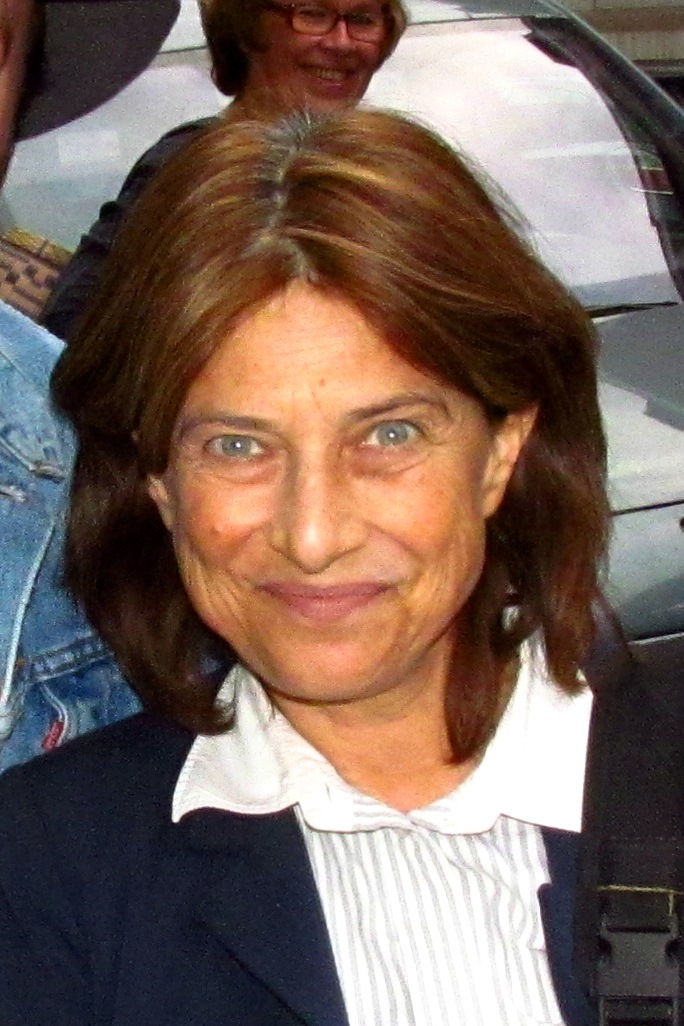
—So, were you a feminist filmmaker?
Yes and no, and I'll tell you why it's complicated. In 1977, in an American magazine, I explained that I didn't want to make a feminist film 'in the militant sense'. That's surprising, isn't it? I didn't want to give a lesson, or wave a flag. I just wanted to show women's work in its true duration, without speeding it up, without making it spectacular. But you know what? By showing it honestly, my film became one of the most feminist there is. Sometimes, you defend a cause much better by showing the truth than by shouting slogans.
You defend a cause better by showing the truth than by shouting.
—Is it true you moved all the time?
All my life, yes. Brussels, Paris, New York, and sometimes Tel Aviv. I never really had a home. I always had a suitcase ready, somewhere near the door. That suitcase is almost the symbol of who I am. I made a film about it, Les Rendez-vous d'Anna: a filmmaker crossing Europe by train, alone, from city to city, never stopping. It was a bit like me. Imagine never knowing where you'll sleep in a month. It's tiring, but it teaches you to see the world like a traveler, with always fresh eyes.
I never had a home, only a suitcase by the door.
—What did you do in the morning before work?
Oh, I wasn't a morning person, you know! I often worked at night, when everything is quiet. So I got up late. I drank black coffee, very strong, and I smoked — too much, I admit. Then I took my notebooks. I always had notebooks where I jotted down my ideas, camera angles, how long each shot should last. I thought about the film long before shooting it. Imagine an architect who draws the house before laying the first stone. For me, it was the same, but with images and time.
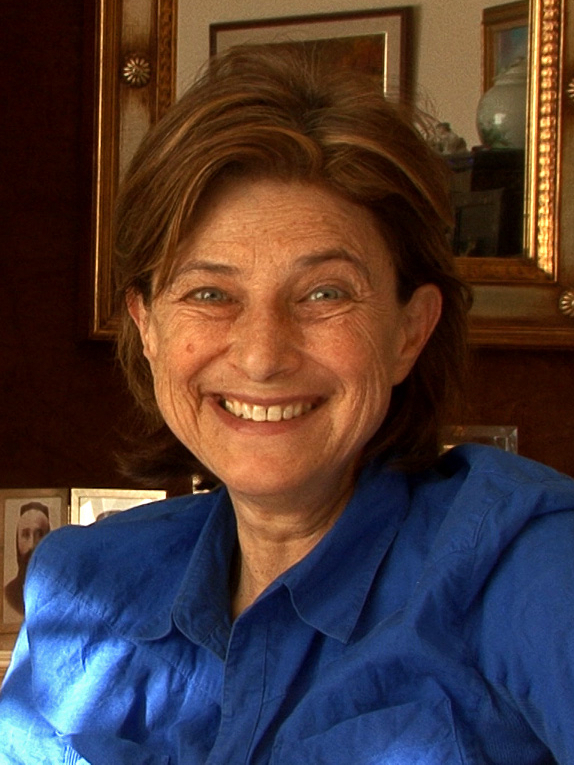
—Who was your mom? You talk about her often.
My mom was named Natalia. She is the secret heart of everything I did. You need to know something serious and important: she survived Auschwitz, one of the camps where, during the war, millions of people were murdered because they were Jewish, like my family. She came back, but she almost never spoke about it. I searched for her all my life in my films, without even always knowing it. When a mother has gone through such silence, the child learns to listen to what is not said. Maybe that's why I filmed so long, so patiently.
The child of such silence learns to listen to what is not said.
—Why did you want to film your mom right at the end?
Because I felt time was running out for both of us. My last film is called No Home Movie. I shot it in her apartment in Brussels, with a tiny camera, just the two of us talking, eating, being together. In a book I wrote, Ma mère rit, I said something simple: being there, together, is perhaps what I spent my life filming. She died shortly after the film. And I, a few weeks later. It was my farewell to her, and without knowing it, my own as well.
Being there, together: that's what I spent my life filming.
—If you were here today, what would make you proud?
There is one thing I didn't know in my lifetime, and it would have made me weep with joy. In 2022, seven years after my death, more than sixteen hundred film specialists around the world voted to name the greatest film of all time. They chose Jeanne Dielman — my film of potatoes and silent gestures! It was the very first time a film directed by a woman came out on top. So if you remember one thing from me: never be afraid to show what others find 'too slow' or 'too small'. That's often where the essential lies.
Never be afraid to show what others find too small.
This imaginary interview was generated by artificial intelligence from sources documented in Chantal Akerman's profile. It dramatises what the figure might have said based on what we know about them, but does not constitute attested historical testimony. For primary sources and factual documentation, refer to the full profile.