Imaginary dialogue between Ernest Chausson and Claude Debussy
by Charactorium · Claude Debussy (1862 — 1918) · Music · 6 min read

It is in the modest Paris apartment of Claude Debussy, one winter evening in 1894, that Ernest Chausson comes to meet his friend. On the walls, Japanese prints; in the center, the Blüthner piano left open, and the acrid smell of cigarettes that never leave him. The two composers have known each other for a few years, bound by a friendship of admiration and quarrels. Chausson, who has just received an impassioned letter from Claude about his thirst for freedom, has come to find the man behind the audacities — while the Prélude à l'après-midi d'un faune is causing both scandal and wonder.
—You who never attended ordinary school, tell me, Claude: what did you find at the Conservatory when they pushed you into it, so young?
You know, Ernest, I never wore out my trousers on the benches of an ordinary school. At ten, in 1872, I was pushed into the halls of the Conservatory, and my teachers quickly saw that I had fingers — and a head too hard. They spoke to me of rules, required cadences, wise resolutions; I heard chords that I was forbidden to connect and yet seemed to me the only living ones. They reproached me for my audacities as if they were grammatical errors. But who ever composed a grammar before the language? I believe that from that age I understood that teaching serves to know the rules in order to better choose which ones to betray. That earned me many teacher tantrums, and a few slammed doors.
—When you won the Prix de Rome in 1884, we all envied you. Yet you wrote me from the Villa Medici letters that tore the soul. What made you so unhappy there?
Ah, Ernest, that prize that was envied was my gilded prison. The Villa Medici is superb, I grant you, with its gardens and marbles — but they wanted me to be a well-behaved boarder, producing well-graded assignments for the Academy. I suffocated there. Far from Paris, far from the cafés, far from the minds that understood me, I felt in exile. I wrote you that I would rather be dead than locked up there making competition music. Rome taught me one thing: I can only create where I breathe, amid the city noises and lively conversations. Official glory does not nourish; it ties you down. I returned early, and I never regretted fleeing those honors.
That prize that was envied was my gilded prison.
—Do you remember the World's Fair of 1889? You told me you spent hours there in front of musicians from Asia. What did they reveal to you?
The Javanese gamelan, Ernest! Imagine an entire orchestra of bronze that rings and resounds, percussion answering each other like a rain of stars, without a single one of our heavy school harmonies. Those Javanese knew a music made of colors and layered rhythms, free from our counterpoint and our dominant chords that always fall back sagely on the tonic. I went back day after day. It confirmed what I suspected: our European music has locked itself in a corset. They played like water flows, like wind passes. Since then, I seek those timbres, those scales that float without support. If the music of tomorrow is to be reborn, it will draw not from our conservatories but from these sounds from the ends of the earth.
—These floating scales you speak of — this whole-tone scale you use — disorient the ear. Aren't you afraid of being judged incomprehensible, my friend?
Incomprehensible! That's the word they always throw at me, and you above all know how much it annoys me. The whole-tone scale has no semitones or obligatory point of arrival: it suspends the listener in a kind of dream, without telling them where to set foot. That is precisely what I seek — not the effect of reasoning, but sensation. What do I care if I am understood today? I work for ears that are not yet born. All music that is not written according to a formula is not understood here, I wrote you, and I maintain it. They want demonstrations; I offer landscapes. Those who accuse me of obscurity confuse clarity with habit.
All music that is not written according to a formula is not understood here.
—You wrote me a letter this year where you confessed to loving your freedom and your own ideas too much. And now you're composing an opera based on Maeterlinck. How do you sing Pelléas?
Yes, Ernest, I work on it like a convict, and it is the work where I risk everything. You see, I can no longer stand those operas where characters stop living to belt out a big aria for the glory of their voice. In Maeterlinck, beings speak in half-words, they keep the essential silent. I wanted my singers not to sing: to speak, to murmur, for the music to follow the natural fold of French speech. No more tirades, no more effects to wring applause. I already dread what they will say — that nothing happens, that it's boring, that it's not bel canto. But life also passes in a low voice. If I succeed, they will finally hear silence sing.
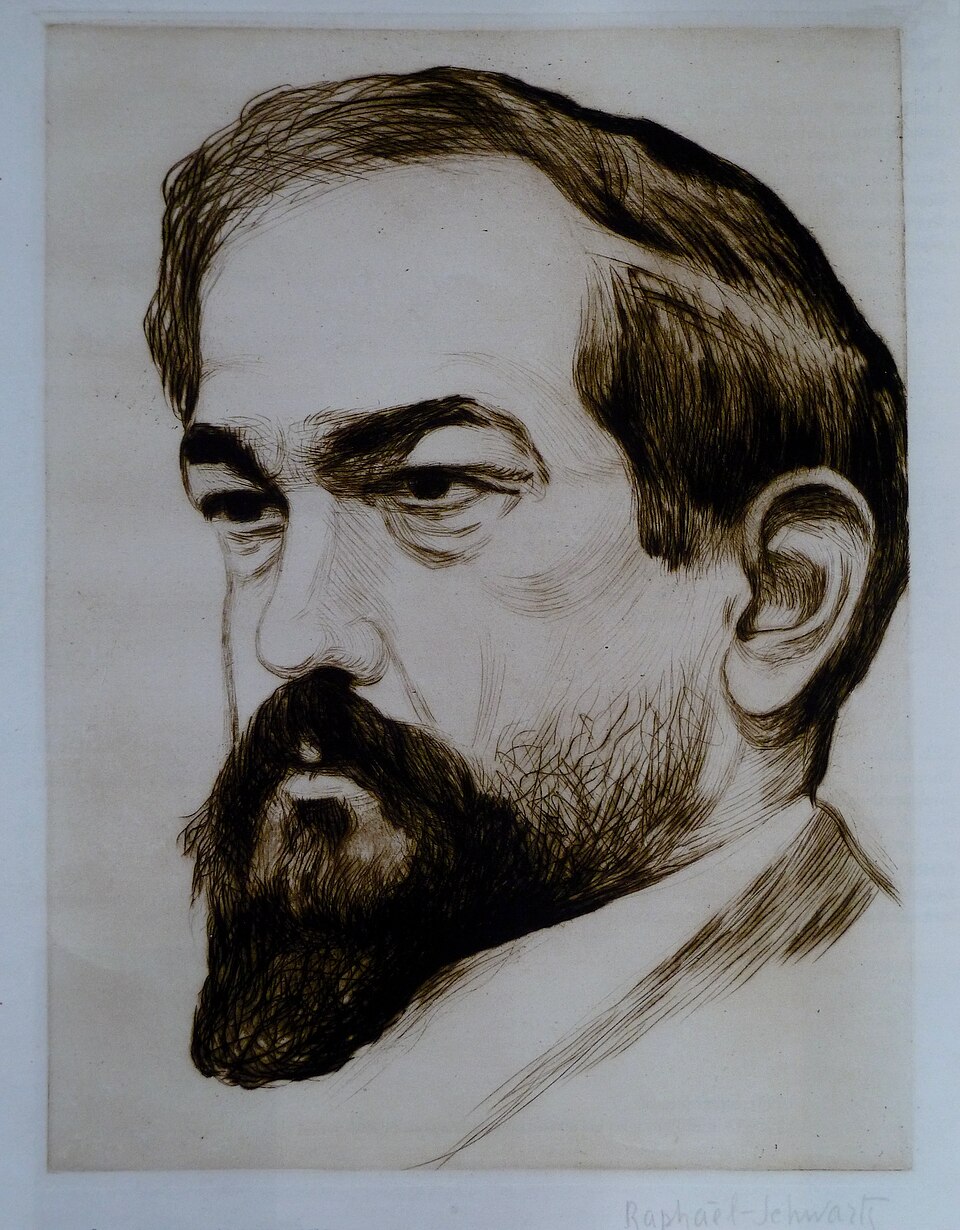
—But the audience at the Opéra-Comique loves grand arias and thundering passions. Do you really think they will accept this music that refuses to explode?
I don't know, and frankly I fear a battle. You know the public, Ernest: they want emotion hammered into them, to be told with great fanfare where to cry and where to applaud. Yet I offer them something gray, fluid, where drama smolders under the ash of words. My rehearsals, I am sure, will be a Calvary — the singers used to expanding will not know what to do with this line that does not rise to a triumphant high note. Some will think me mad, others impotent. So be it. I prefer a failure that resembles me to a success borrowed from others' recipes. If a handful of listeners leave shaken without knowing why, I will have won my bet.
—On your wall, that print by Hokusai, that immense wave — you never take your eyes off it. What do you seek in the sea, Claude?
That Great Wave, Ernest, I could look at it for hours. See how Hokusai captured the instant when water rears up, foam like claws, and those tiny boats at the mercy of the world's force — all without an ounce of narrative, just pure sensation. The sea has haunted me since childhood; I was even destined to become a sailor, did you know? I have kept a land-dweller's passion for it. One day, I want to write the sea — not to describe it like painting a history picture, but to translate its moods, its lights, its breath, into sounds that constantly move. Japanese painters teach me this: to suggest rather than tell, to fix a vibration rather than an anecdote. Nature does not tell stories; it breathes.
Nature does not tell stories; it breathes.
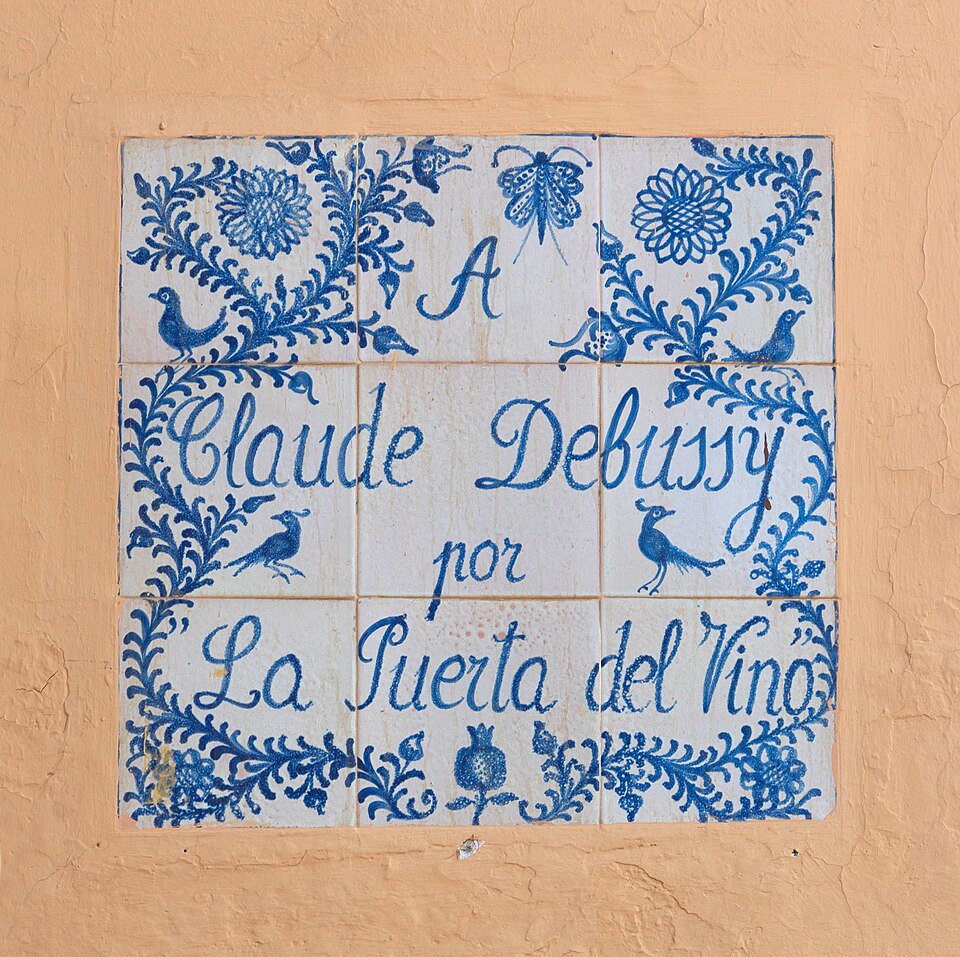
—You speak of suggesting rather than describing. But how can sounds, which pass and fade, render light or wind?
That is the whole mystery, and you who orchestrate so well you sense it. I do not believe we imitate nature by slapping a cymbal crash for thunder or a flute for a bird — that is cheap imagery. No: we must find the inner equivalent of the sensation. The color of a chord, the way a timbre settles and vanishes, a rhythm that undulates without ever marking time — that is how the impression of wind or water is born. I work less on themes than on atmospheres. My masters wanted a musical idea to develop, argue itself, conclude. I prefer it to float, to transform like a cloud. To sing inner landscapes, you see, truer than reality — that is my whole ambition.
—Knowing you, Claude, I know the uncompromising artist. But it is whispered that you dread the number thirteen and consult fortune-tellers. Is it true?
You mock, Ernest, but yes, I admit it without shame. Thirteen chills me; I would never sit down as a thirteenth guest for anything in the world, and some days seem cursed before they even begin. Yes, I have consulted card readers, and I keep on me small objects that bring me luck — don't laugh. Does that surprise you from a man who claims to overturn all rules? It is because the artist lives on the invisible. I spend my days watching for presences that others do not perceive, for sounds that do not yet exist. How can you expect me not to believe in signs, in premonitions, in obscure forces? My music itself seeks what eludes reason. My superstitions and my art come from the same source: I trust mystery more than reasoning.
My superstitions and my art come from the same source.
—Before I leave you to your piano — tell me, how do your days go, you who are said to be so little of a morning person?
A morning person, me? What a horror! I am good for nothing before ten o'clock, Ernest. My awakening is a coffee and a cigarette — always the cigarette, you know, it never leaves me — then I go through my mail in a dressing gown. That is when I sit at the piano, and then time no longer exists: I search for a chord, I take it up twenty times, I cross out my pages until the sound is right. In the afternoon, I see my publisher, I linger in some café, I meet friends to argue about everything. And at night, when Paris falls silent, I still work — that is the hour when music comes best. I live irregularly, I spend more than I have, but I could not compose otherwise than at my own time, in the disorder that suits me.
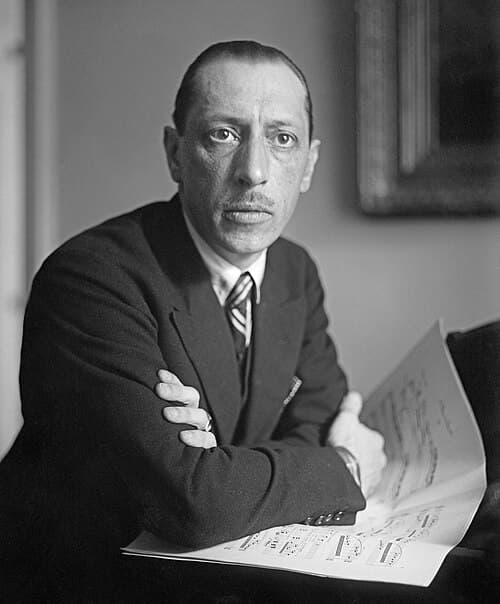
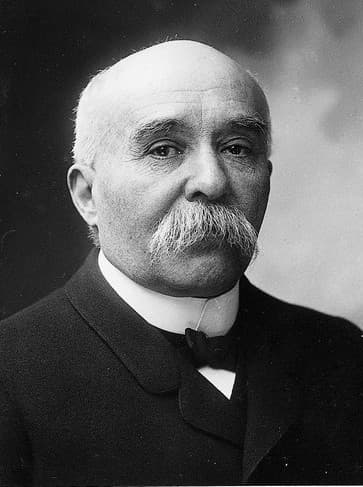
This imaginary interview was generated by artificial intelligence from sources documented in Claude Debussy's profile. It dramatises what the figure might have said based on what we know about them, but does not constitute attested historical testimony. For primary sources and factual documentation, refer to the full profile.