Imaginary interview with Elizabeth Taylor
by Charactorium · Elizabeth Taylor (1932 — 2011) · Performing Arts · Literature · 6 min read
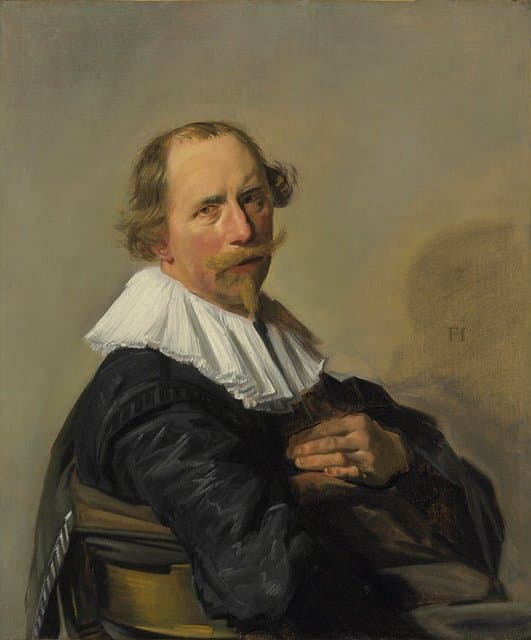
Bel Air, a late winter afternoon. California light falls on a living room cluttered with orchids, silver frames, and jewelry lying around like pebbles. Elizabeth Taylor receives, her voice husky and her eyes an impossible violet, a small red ribbon pinned to her lapel.
—How does an eleven-year-old girl get swept up by the big studio machine?
They put me in front of a camera for Lassie Come Home in 1943, and I think I never really came out. A collie and me, that was my first four-legged partner — I always said my best actors were dogs and horses. MGM signed me like buying a promising colt: morning classes, deportment teachers, a studio that decided my hair, my weight, my engagements if it had to. They called it the star system, a fancy word for a gilded cage. I gained Technicolor, those larger-than-life colors that made my eyes shine on screen; I lost the idea that a child could belong to herself. At eleven, I already knew how to smile on command. It's a terrible talent.
They called it the star system, a fancy word for a gilded cage.
—What remains of that child manufactured by Hollywood when you become an adult?
What remains is a woman who learned her craft before learning to live. At eleven I spent two, three hours in the makeup room while they turned me into someone else — and I ended up believing the character was more real than the little girl underneath. The studio controlled everything, down to the legend they wrote for the press. So when you've been Technicolor since childhood, you carry a strange nostalgia: for an innocence you never had the chance to have. I fought my whole life against my weight, against looks, against that mirror the camera held up mercilessly. I think my stubbornness comes from that. They made me young; it took all the rest to undo and remake myself in my own way.
—Do you remember the moment you negotiated your fee for Cleopatra?
I threw out a number laughing, almost to get rid of them: one million dollars. No one before had dared ask that for a single film. They said yes. 1963, the Cinecittà studios in Rome, and suddenly the power balance shifted — the star ceased to be the studio's property and became its creditor. They sewed me costumes by Irene Sharaff, some woven with real gold thread, so heavy I struggled to straighten up under the weight of Egypt. That overblown shoot nearly swallowed Fox whole; the clap of Cleopatra still echoes like the sound of magnificent madness. I wore a queen dead two thousand years earlier, and I buried along the way the old idea that an actor must remain on his knees before his masters.
The star ceased to be the studio's property and became its creditor.
—What was it like to live through such an extravagant shoot as Cleopatra?
Like living through a long war: in whole seasons. We shot on pharaonic sets built at Cinecittà, waited for hours under a blazing sun, then came the intense scenes you had to deliver in one go. Sharaff's costumes weighed several kilos; you didn't sit in them, you stood upright like a statue. The production dragged on, swallowed fortunes, made an entire studio tremble. And I, in the middle of this sumptuous chaos, discovered Rome — its trattorias, its endless nights. The peplum was a genre of excess, and Cleopatra was its peak and perhaps its tomb. I think we all knew, obscurely, that we were filming the end of a world: one where a studio could spend without counting to paint antiquity in Technicolor.
—That Roman shoot is also where everything turned in your private life. What would you say about that encounter?
Richard. Richard Burton. We found each other on the set of Cleopatra, both married to others, and the fire caught like in a dry barn. Rome buzzed, the paparazzi — that brand-new word from a Fellini film — hunted us day and night. The scandal went around the world; even the Vatican condemned us as a challenge to public morals. Imagine: two lovers reprimanded by Rome, in Rome. I've always admitted that my passions rule me — 'I've always admitted that I'm ruled by my passions. I think it's the secret of my staying power.' It wasn't a weakness. It was my fuel. Richard gave me Shakespeare's language and a devouring intelligence; I gave him vertigo. We burned magnificently.
The fire caught like in a dry barn.
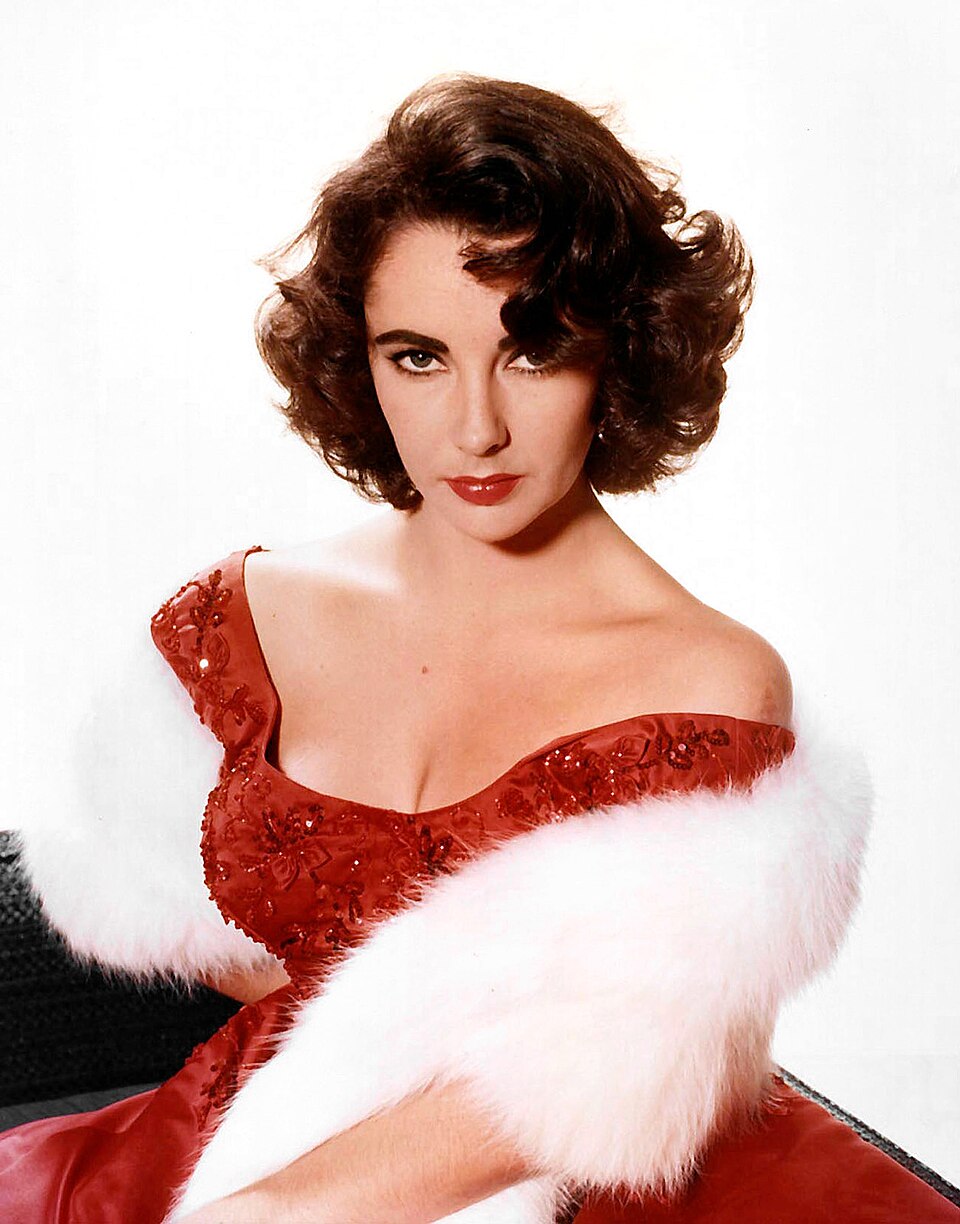
—The world reproached you for eight marriages. How do you carry that judgment?
Eight marriages, seven men — because I married Richard twice, in 1964 and then in 1975, as if one life weren't enough to contain us. They made me a caricature of the serial wife, and the press counted my weddings like scandals. But I never took a lover without putting a ring on his finger; it was my way, a bit old-fashioned, of respecting my passions. Richard covered me with stones — that Krupp diamond of thirty-three carats bought at auction in 1968, which weighed on my finger the weight of all our excessive love. We lived between our Gstaad chalet and the world's palaces, lavish, ruinous, impossible. They judged me frivolous; I was simply incapable of loving halfway.
I never took a lover without putting a ring on his finger.
—After so much glamour, how did you accept to play Martha, that role so ugly, so cruel?
Precisely because it was ugly. In 1966, for Who's Afraid of Virginia Woolf?, Mike Nichols asked me to give up everything that had made my legend: smooth beauty, slim waist, flawless makeup. I gained weight, aged my face, screamed until I lost my voice. Martha was a woman eaten away, alcoholic, cruel out of despair — the exact opposite of the goddess in Technicolor they expected from me. That role earned me my second Oscar, but above all it helped bring down the old Hays Code, those prudish rules that had muzzled cinema since 1934. I abandoned myself physically, psychologically, like throwing yourself off a cliff. For the first time, they no longer looked at my violet eyes. They looked at my pain.
For the first time, they no longer looked at my violet eyes. They looked at my pain.
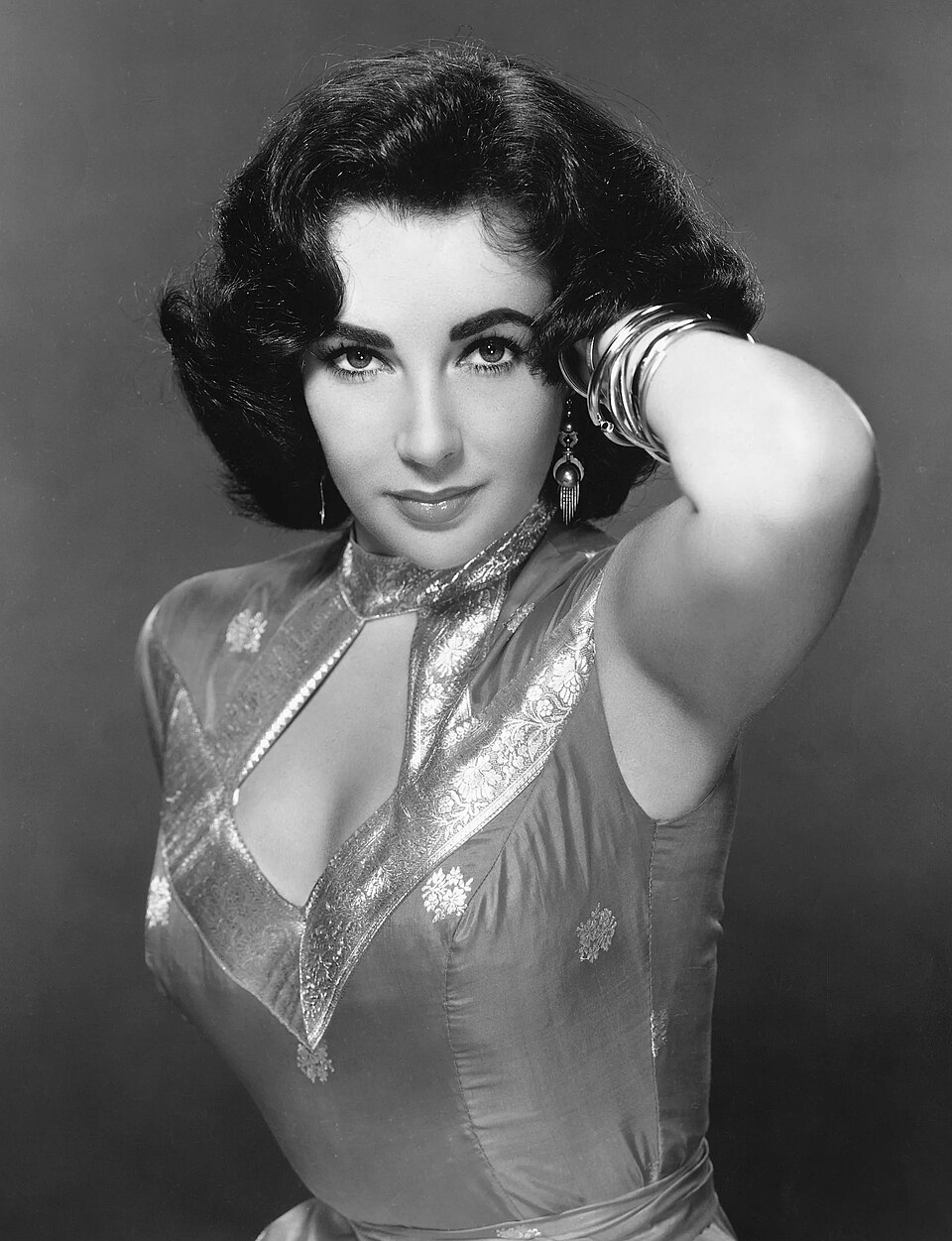
—What did such a role teach you about your own craft?
That a face is nothing without a crack behind it. All my youth, they sold me as an image — glamour, that sophisticated, inaccessible charm that sold magazines. Martha showed me the reverse: acting is not being beautiful, it's consenting to be seen naked inside. I understood that my first Oscar, for Butterfield 8 in 1960, I received for a film I thought mediocre — almost out of compassion, after my illness. The one in 1966, I tore out. There's justice in that. The star system taught me to appear; Nichols taught me to disappear into someone else. And I think nothing scared me more afterward: when you've played Martha, you've already hit rock bottom, so you have nothing left to protect.
Acting is not being beautiful, it's consenting to be seen naked inside.
—In the 1980s, you got involved against AIDS when the subject was taboo. Where did that urgency come from?
From the death of my friend Rock Hudson, in 1985. They let him die in silence, as if his illness were a shame to hide under Hollywood's rug. I watched this city I loved look away, and I felt ashamed for it. So I co-founded amfAR that year, with Dr. Mathilde Krim, to fund research that the authorities were abandoning. People begged me not to get involved — bad for the image, they said. But what is an image for, if not to spend it on something that matters? I had spent my life being looked at; it was time for that gaze to serve. I started wearing a little red ribbon, and forcing the Oscar cameras to see it.
What is an image for, if not to spend it on something that matters?
—You took that fight all the way to the U.S. Senate. What did you want to make heard there?
That the real scourge was not just the virus, but the silence around it. In 1990, I testified before the Senate for the Ryan White CARE Act, and I told them bluntly: 'Ignorance is the enemy. Silence is complicity. We must speak out about AIDS.' An actress they had always listened to talk about love and diamonds came to talk about the dying they refused to treat. Three years later, receiving the honorary Jean Hersholt Oscar, I called our entire community to fight, to support the sick, to find a cure. Glamour had given me a global microphone; I decided to make it a voice. They may remember my violet eyes, but I'd like them to remember above all what my mouth dared to say when so many others kept silent.
The real scourge was not the virus, but the silence around it.
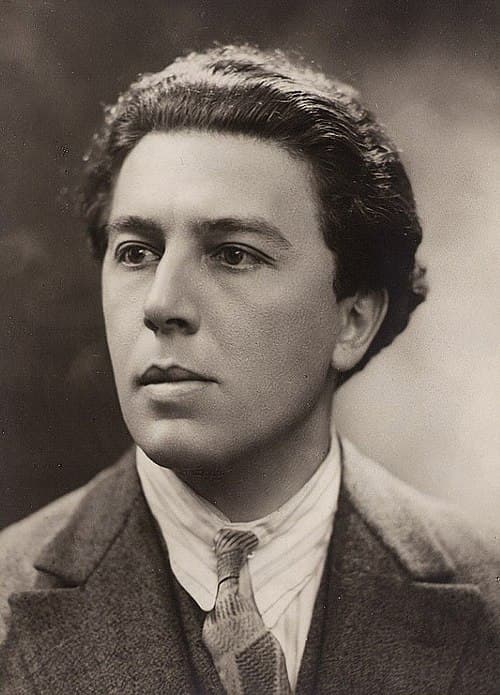
This imaginary interview was generated by artificial intelligence from sources documented in Elizabeth Taylor's profile. It dramatises what the figure might have said based on what we know about them, but does not constitute attested historical testimony. For primary sources and factual documentation, refer to the full profile.