Imaginary interview with Émile Zola
by Charactorium · Émile Zola (1840 — 1902) · Literature · 5 min read
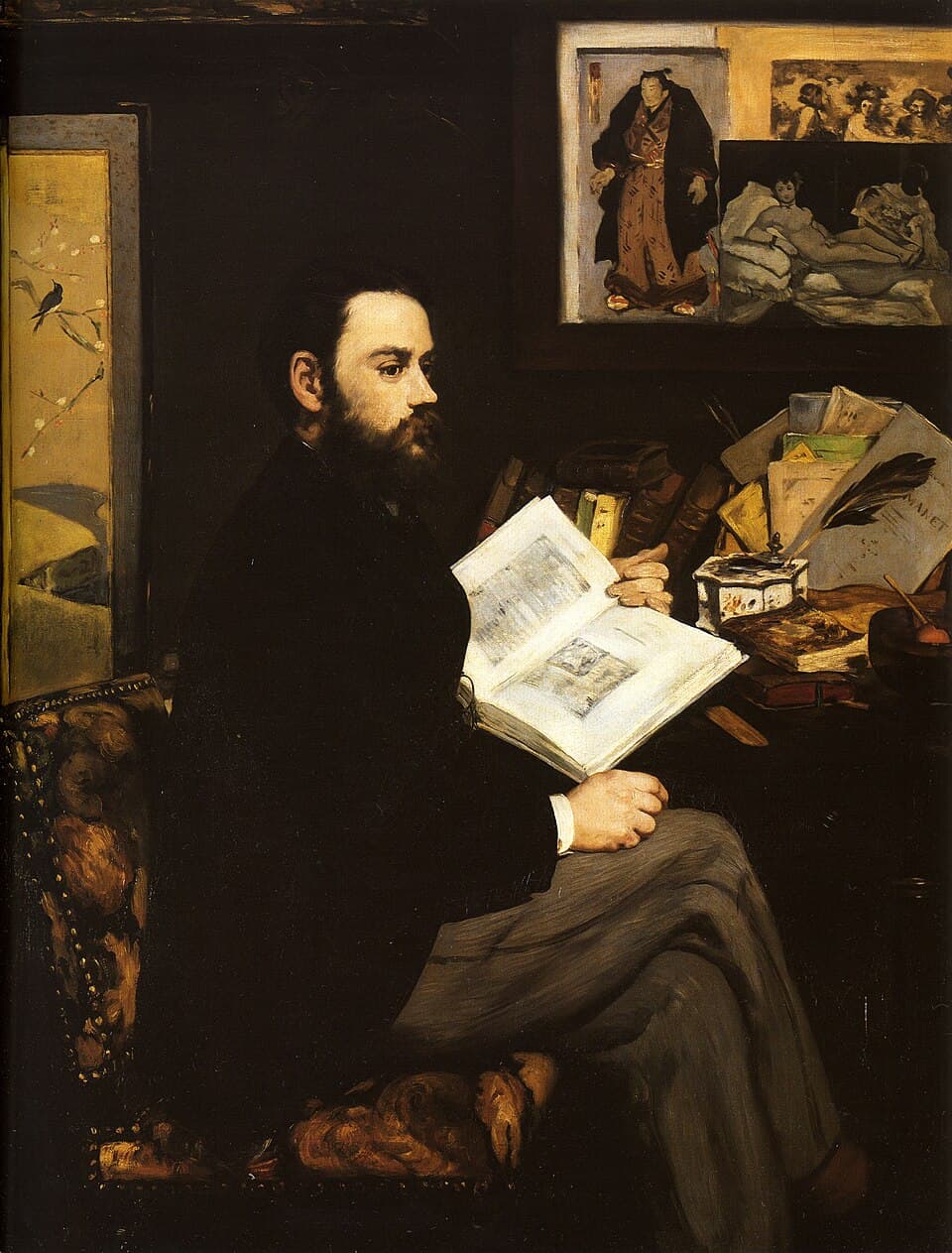
Médan, an autumn morning in 1898. Émile Zola has just returned from his English exile; he receives us in his vast study cluttered with notebooks and cameras, the Seine glistening beyond the windows. The man is massive, with a gray beard, a tired look but an eye still sharp, that of someone who has not finished fighting.
—How did you come to conceive of the novel as a matter of science rather than imagination?
I always thought that a novelist worthy of the name should work like a doctor leaning over a body. In The Experimental Novel, I wrote it in black and white: “The novelist is made up of an observer and an experimenter. The observer in him presents the facts as he has observed them, sets the starting point, establishes the solid ground on which the characters will walk.” I was relying on the work of Claude Bernard, his experimental medicine. Before each book, I fill entire notebooks: technical vocabulary, neighborhood maps, testimonies gathered on site. They accuse me of lacking soul; I reply that truth has its own beauty, and that it requires as much patience as a laboratory.
Truth has its own beauty, and it requires as much patience as a laboratory.
—Why did you draw a family tree before even writing the first line of the Rougon-Macquart?
Because one does not build twenty volumes on sand. I wanted to follow a single family through the Second Empire, and show how heredity works in blood like sap works in a tree. My family tree, I drew it with my own hand, branch by branch, fixing the cracks that are passed on: alcohol here, neurosis there, appetite elsewhere. Each character is the fruit of a lineage and an environment — that is my conviction. Aunt Dide, at the root, carries the original flaw; Gervaise, Nana, the miner, all descend from this poisoned source. It is a fresco, yes, but a fresco calculated like a demonstration.
—Do you remember the moment you decided to descend into the mines yourself?
February 1884. I could not write Germinal from my armchair in Médan, imagining the coal. I left for Anzin, in the North, I slept at miners' homes, shared their soup, listened to their wives. Then I went down. The cage drops into the dark, the air thickens, and you reach galleries more than six hundred meters underground, where the hewers cut the coal lying in the seam, drenched in sweat. They told me about firedamp, that gas that lurks and kills in a single breath. When I came back up to the light, I had my novel in my gut. You don't invent these things: you breathe them.
When I came back up to the light, I had my novel in my gut.
—What moved you the most in what you saw at Anzin?
The children. Seeing ten-year-old boys harness their day to a coal cart, in oven-like heat, gripped my heart more than anything. I brought back from there a miner’s lamp, which I keep like a relic — it reminds me why I write. Germinal is not a pamphlet, it is a statement: hunger on one side, capital on the other, and between them a crowd that one day rises up. I wanted people to hear the rumble of that crowd, the dull trampling rising from the depths. I exaggerated nothing; I only refused to look away.
—You were heavily criticized for the crudeness of L'Assommoir. How did you justify that choice?
They cried scandal, they called me a pornographer of the gutter. I answered in my preface, and I maintain it: “It is a work of truth, the first novel about the common people that does not lie and that has the smell of the people.” I did not want to dirty the worker; I wanted to show what the assommoir, that street-corner liquor shop, does to an honest man and woman. My characters are not bad, they are ignorant and spoiled by their environment. The book sold like never before, it made me rich and famous overnight — proof that the common people recognized themselves without feeling insulted.
I did not want to dirty the worker; I wanted to show what the gutter does to an honest man.
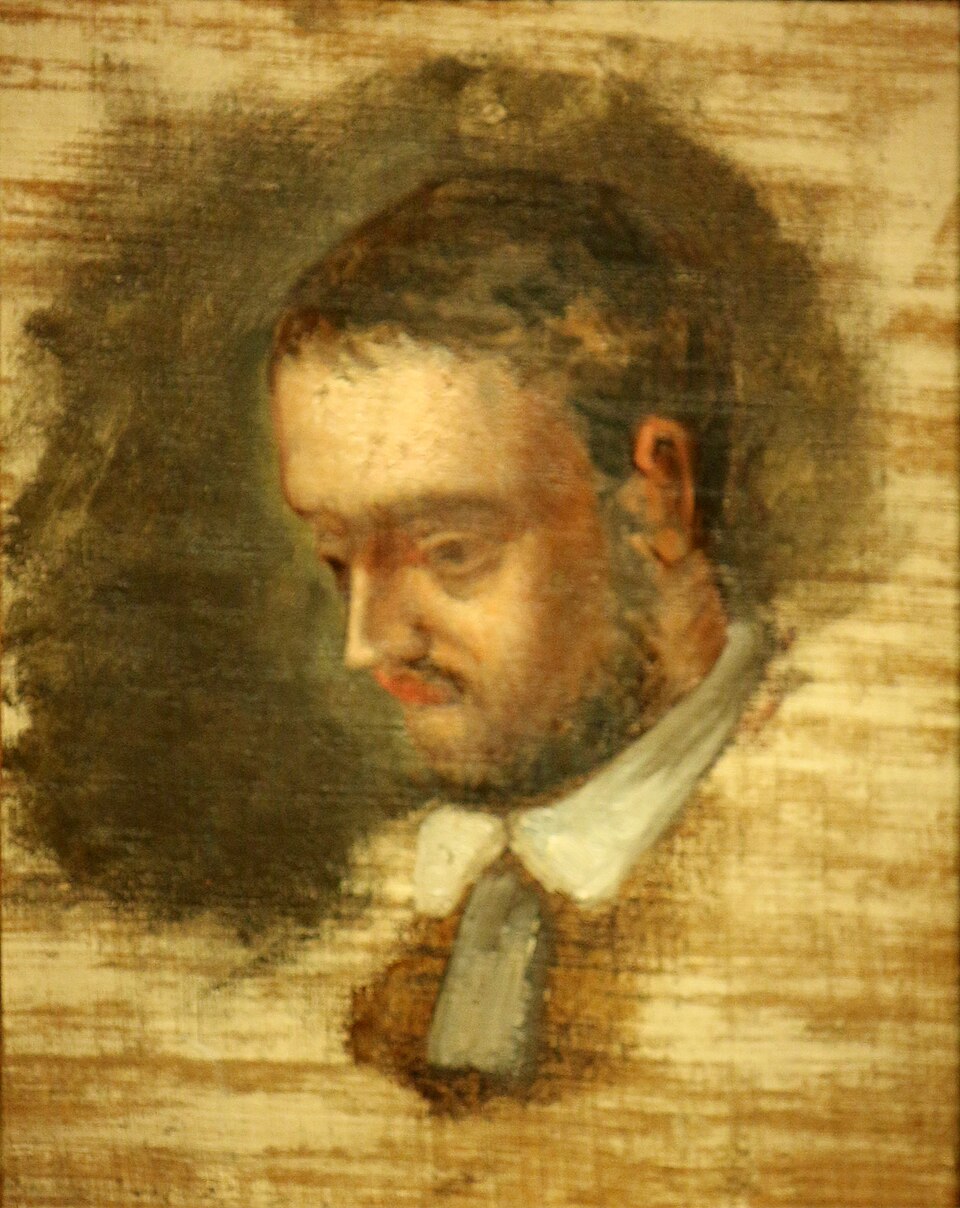
—What does this house in Médan, where we are, represent for you?
My fortress and my workshop. I bought it in 1878, a shack that the success of L'Assommoir allowed me to enlarge stone by stone, until this vast study where I work every morning at dawn. I installed my photographic laboratory there, for I develop my own prints. In the evening, my friends come up from Paris for our Thursdays: we even compiled a collection, Les Soirées de Médan, where my younger Naturalist colleagues contributed their short stories. The Seine flows there, beneath the windows; I cultivate my vegetable garden, I feed my pages. A happy man, believe me, despite the battles.
—Where does this passion for photography come from, which is less known in the writer?
It is the same desire as for my novels: to capture reality before it fades. I own about a dozen cameras and have taken thousands of shots — my family, my travels, the rooftops of Paris, the banks of Médan. The lens sees what the distracted eye lets escape: a shadow, a posture, fatigue on a face. It is the exact extension of my investigation notebooks, where I pile up notes before writing. Where words can lie or embroider, the plate does not cheat. I believe that one day I will be read through these images as well; they will tell my era better than a long speech.
The lens sees what the distracted eye lets escape.
—Your friendship with the painter Cézanne was broken. What happened?
Paul and I were inseparable since Collège Bourbon in Aix-en-Provence. We ran through the fields, we dreamed of glory, he with his brush, I with my pen. And then, in 1886, I published L'Œuvre, the story of Claude Lantier, a painter consumed by an ideal he cannot reach, who ends up broken. Paul recognized himself. He wrote me a brief, polite, icy letter — to thank me for sending the book. We never spoke again. I had not intended to paint him; I had wanted to paint the impotent artist, a drama I knew within myself as well. That lost friendship remains one of my deepest wounds.
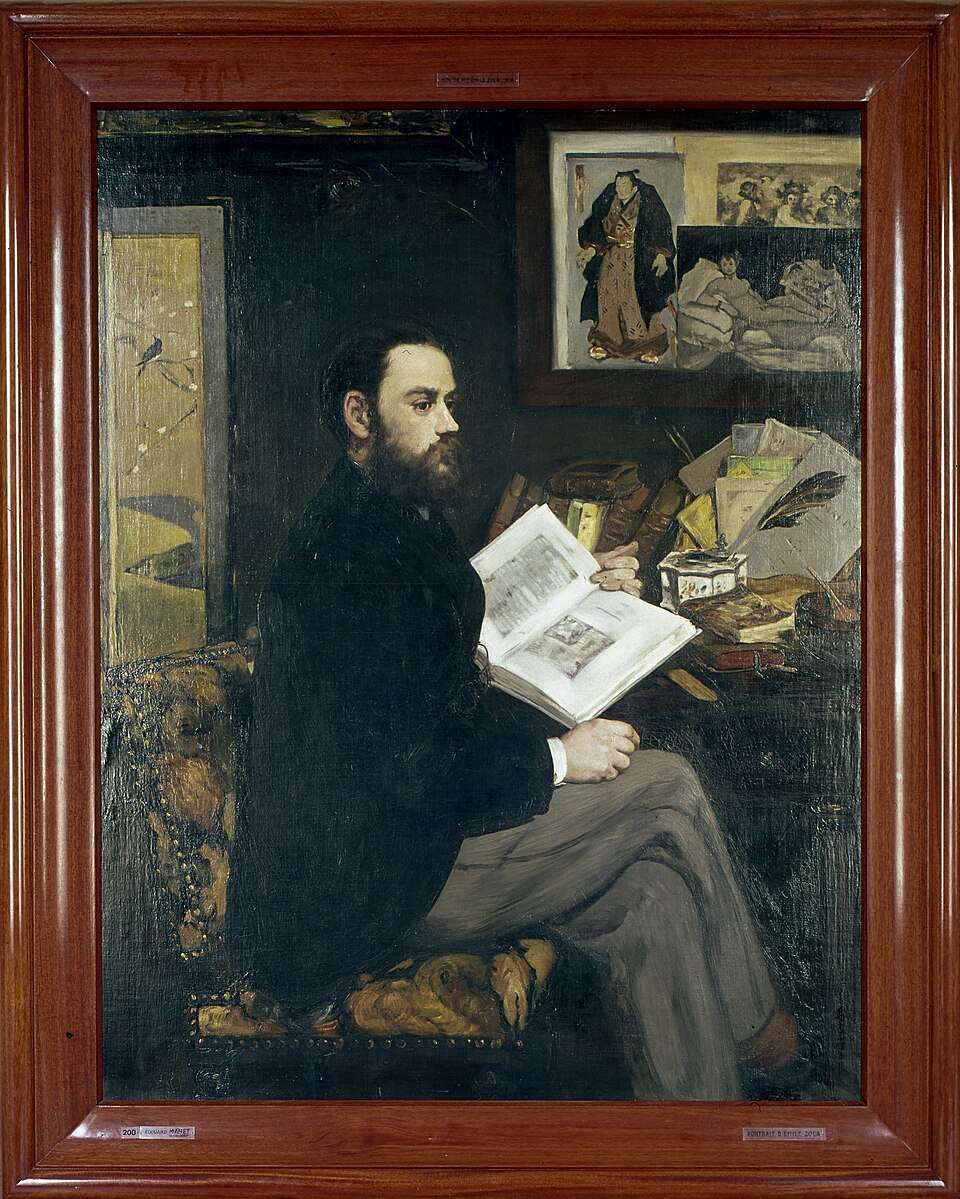
—How would you describe the morning J'accuse appeared in L'Aurore?
January 13, 1898. I had spent nights writing that open letter to President Félix Faure, accusing by name the real culprits in the conviction of Captain Dreyfus. The newspaper headlined in enormous letters that word, “J’accuse…!”, and sold more than three hundred thousand copies in a single day — Paris was snatching up the sheets still damp with ink. I knew what I risked. I wrote it myself: “I have only one passion, that of light, in the name of humanity which has suffered so much and which has the right to happiness.” A dreyfusard, that is what I had become, and proud to be so, even at the cost of everything.
Paris was snatching up the sheets still damp with ink.
—This commitment cost you a trial and exile. Would you do it again?
Without a second’s hesitation. I was sentenced to a year in prison and three thousand francs in fines for defamation, and I had to flee to England, eleven months away from my Médan, away from my loved ones, wandering in anonymous hotels under a false name. It was hard, yes. But what is a writer’s discomfort compared to an innocent man broken on Devil’s Island? I had already appealed to the students, asking them where they were running in crowds through the streets. A man of letters who remains silent when justice lies betrays his pen. I preferred exile to shame, and I sleep better for it.
A man of letters who remains silent when justice lies betrays his pen.
—After all this, what would you like to be remembered from your work?
That I looked my century in the face. I depicted the miners of Anzin, the laundresses of the Goutte-d'Or, the courtesans of the Second Empire, without looking away from either firedamp or misery. If I am still read in a hundred years — forgive a man this presumption — I hope that they will see not a maker of darkness, but a witness who loved humanity enough to show them their truth. Literature is not a drawing-room entertainment; it is a lamp that one lowers into the dark galleries. I held that lamp as best I could, and I pass it to those who will come.
Literature is a lamp that one lowers into the dark galleries.
This imaginary interview was generated by artificial intelligence from sources documented in Émile Zola's profile. It dramatises what the figure might have said based on what we know about them, but does not constitute attested historical testimony. For primary sources and factual documentation, refer to the full profile.