Kids interview Fontenelle
by Charactorium · Fontenelle (1657 — 1757) · Literature · Sciences · 5 min read
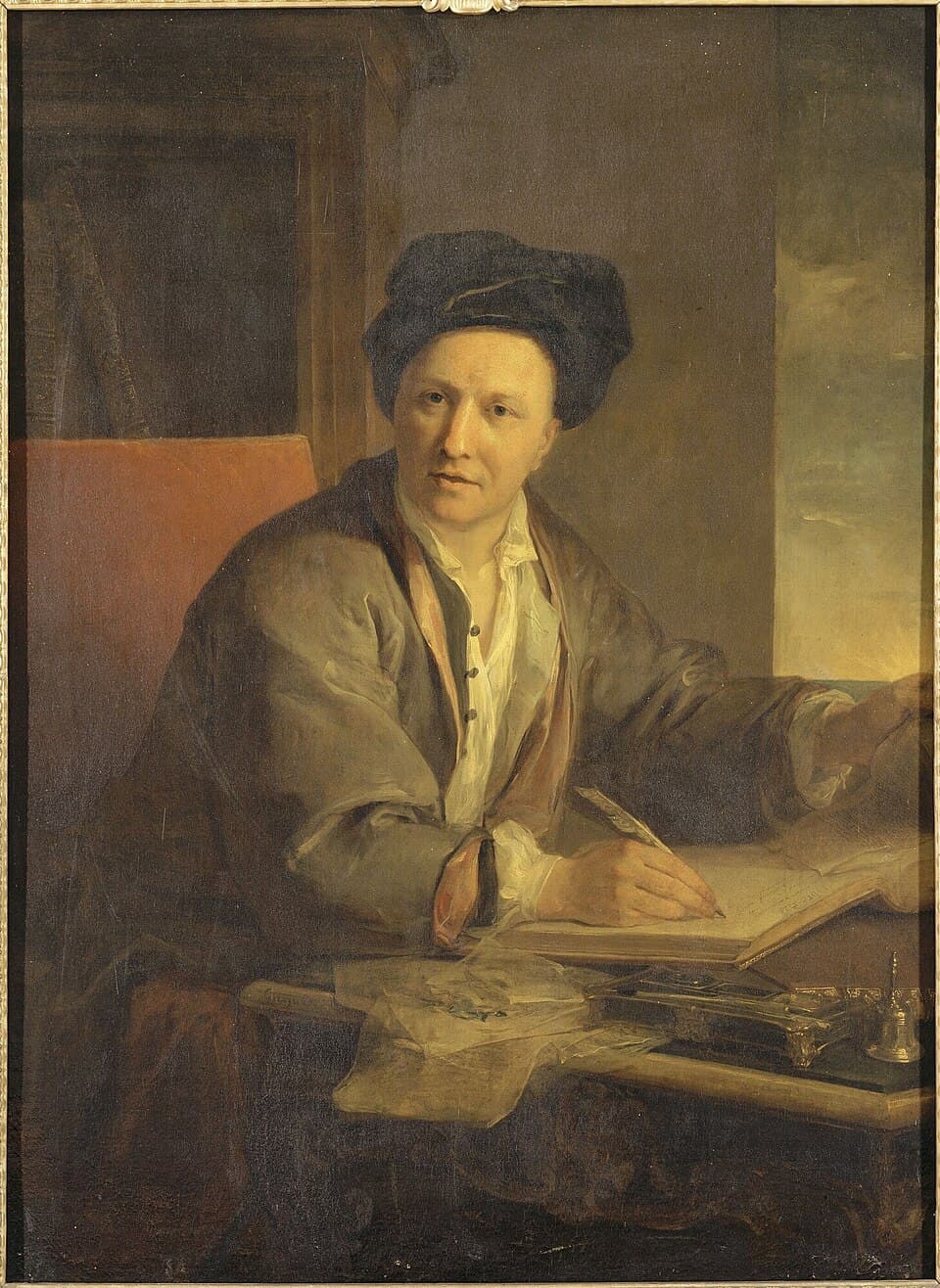
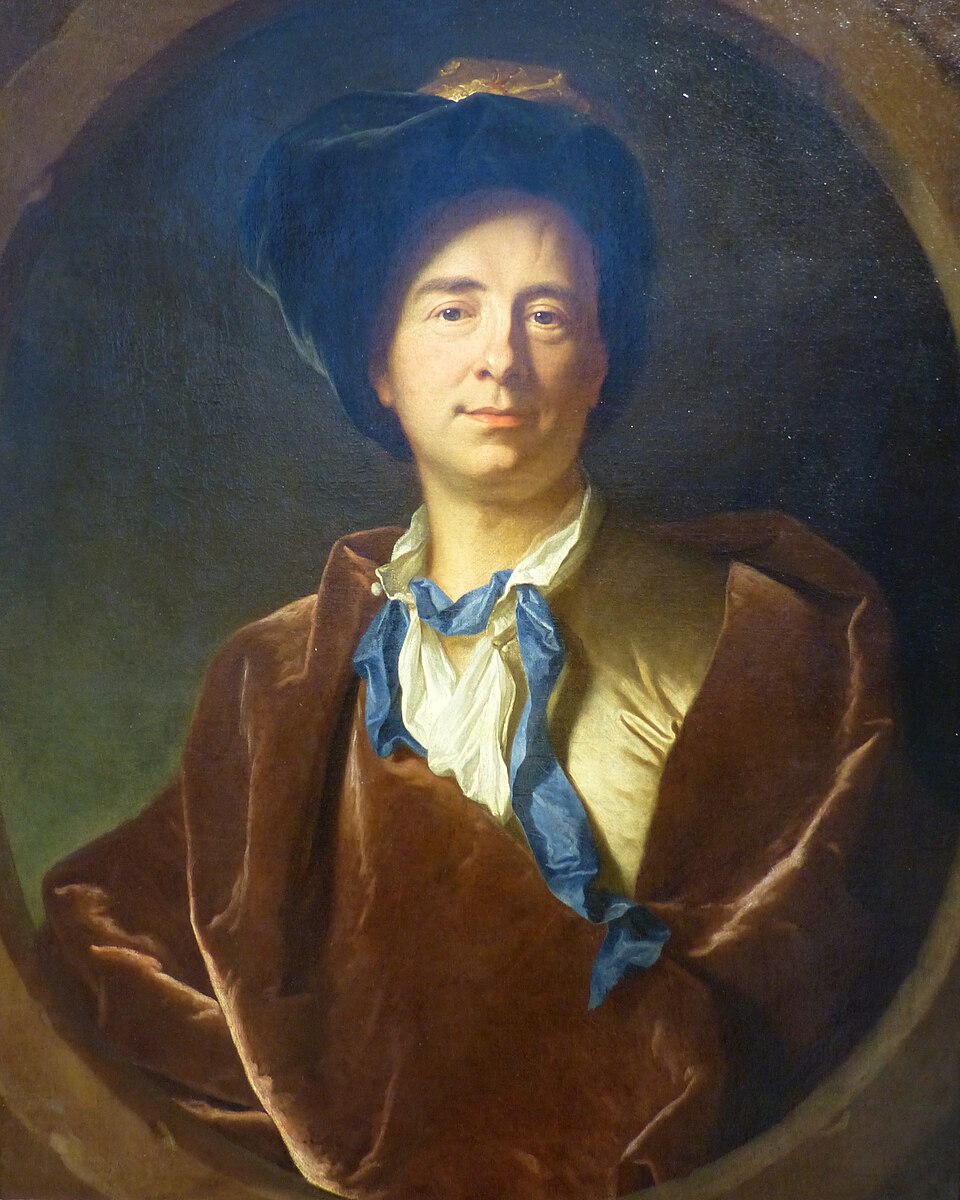
In a bright Parisian salon, two young visitors on a field trip push open a door. By the fireside, a very old gentleman of nearly a hundred years awaits them, a quill pen in hand. He smiles: few children come to listen to him, and it touches him deeply.
—Is it true you lived almost a hundred years? What's it like?
You know, my child, I was born in 1657 and I am speaking to you now that I am over ninety. Imagine: I saw Louis XIV reign for almost my entire life, then I saw another king come. A life like mine is very long. When I was born, people wrote with a quill and inkwell, and they still do today. Many of my friends died before me. The strangest thing is being the last one to remember a world that no one else has known. But I do not complain: each extra morning is a curious gift.
Being the last one to remember a world that no one else has known.
—And what was your secret to living so long, really?
Ah, I am always asked this question! I answer laughingly that I never chased honors, and that I eat strawberries. That is half true. I like strawberries, I like asparagus, and I drink very little wine. But the real secret, my child, is moderation in everything. I never get angry. I sleep well. I take my time. Imagine a calm man, who never hurries, who watches the world without agitation. That is how I have crossed nearly a century. The body is like a candle: if you burn it gently, it lasts much longer.
The body is like a candle: burn it gently, it lasts longer.
—They say you wrote a book about the stars with a lady?
Yes! That is my favorite book, the Conversations on the Plurality of Worlds, published in 1686. I imagined a very simple scene: in the evening, in a large garden, I walk with a marquise under the stars. And I explain to her, gently, that the Earth revolves around the Sun. At the time, that was a brand-new idea, and even a little dangerous to say! But I did not want to write a big scholarly book that puts people to sleep. I wanted a lady, or a child like you, to understand the sky while laughing. Imagine that I take your hand and show you a star: well, I wanted to write exactly like that.
—With your telescope, what did you see in the sky?
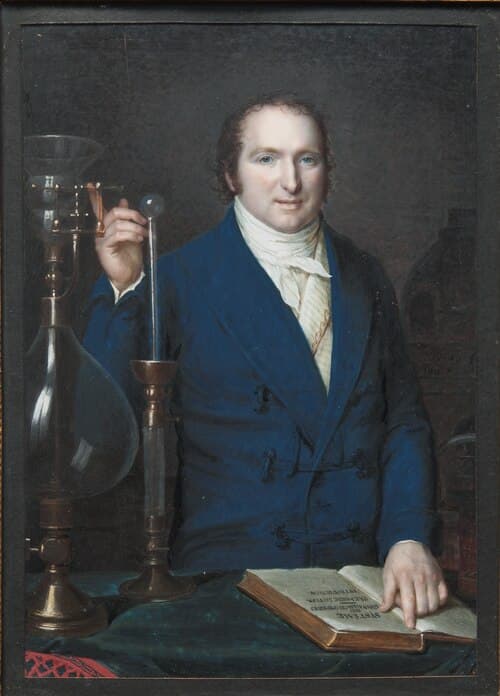
When I looked up at night, I saw thousands of tiny bright points. Many people believed they were simply lights attached to the sky. I, with an astronomical telescope and a celestial globe on my table, guessed something else. In my Conversations, I dared to write to the marquise: "if you had better eyes than you do, you would see whether the stars are suns." Do you understand? Each star is perhaps a sun, very, very far away. And around it, perhaps other worlds. In my time, saying that made people dream, and also a little afraid. The sky suddenly became immense.
Each star is perhaps a sun, and around it, other worlds.
—Why didn't you believe in oracles and magical stuff?
Good question, my child! In my book the History of Oracles, in 1687, I attacked old stories: they said that statues spoke, that priests predicted the future. Many believed without thinking. I said a very simple thing: "Let us be sure of the fact before we trouble ourselves about the cause." That means: before looking for why a statue speaks, ask yourself first if it really speaks! People always run toward magical explanations and forget to check. Imagine a friend who tells you he saw a ghost: the first question is "is it really true?", not "why did the ghost come?"
Before looking for why, ask yourself first if it is really true.
—What was that big quarrel between the Ancients and the Moderns?
Ah, in my time, scholars argued a lot! On one side, those who thought the Greeks and Romans of old were the greatest geniuses, unsurpassable. On the other, those who believed in progress. In my Digression on the Ancients and the Moderns, in 1688, I took the side of the Moderns. My idea was simple: a man of today is not dumber than an ancient, but he knows everything the ancients knew, PLUS what has been discovered since. Imagine you climb onto your grandfather's shoulders: you see farther than him, not because you are taller, but because you start from higher up. That is what progress is.
Climb onto the shoulders of the ancients, and you will see farther than they.
—Is it true that for forty years, your job was to write about the dead?
Almost! For forty-two years, from 1697 to 1740, I was the perpetual secretary of the Royal Academy of Sciences. Don't make that face: it just means I was the one who wrote everything. And when a great scholar died, I was the one who wrote his eulogy — a text to tell his life and discoveries. You know, many of these scholars worked alone, and the public did not even know their names. My job was to bring them to life through my words, even after their death. I spent my mornings, pen in hand, preventing geniuses from falling into oblivion. It was my duty of memory, in a way.
My job was to prevent geniuses from falling into oblivion.
—Did you know Newton? Was he a great scholar?
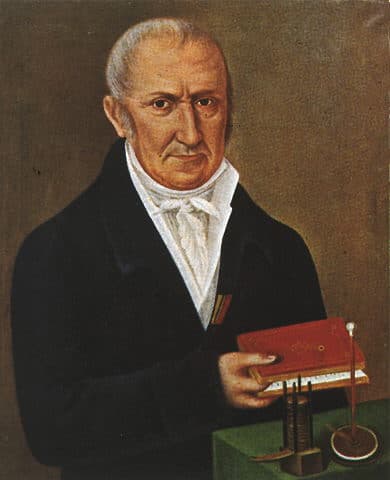
I did not know him personally, but I wrote his eulogy in 1727, when he died. What a man! He understood how the planets stay in the sky through an invisible force. I had grown up with another idea, that of Descartes and his vortices: we imagined that the planets were carried by eddies of matter, like leaves in a whirlpool. Newton, he said: no, it is an attraction. In my eulogy, I recounted that the English and Germans even argued over who had invented everything first. You see, my child, scholars squabble like children in a schoolyard!
—They say you were super funny in the salons. What was a salon?
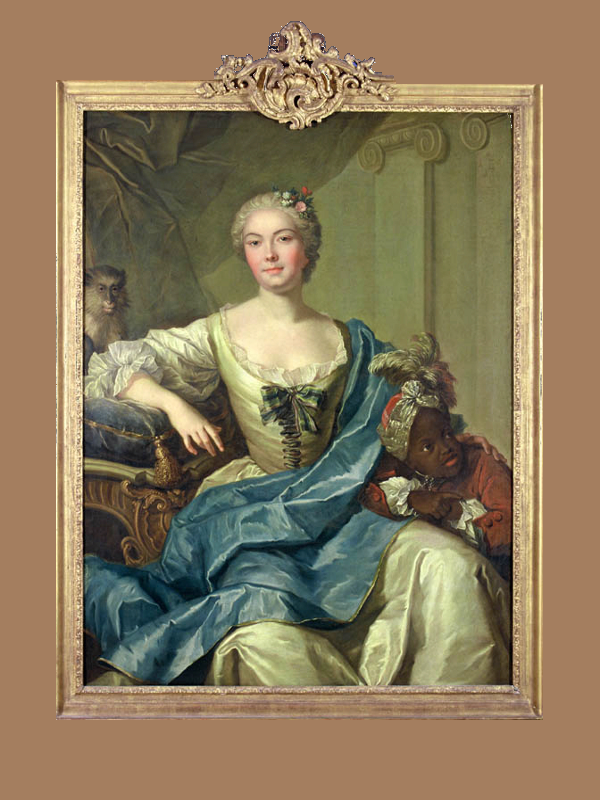
A salon, my child, was a large apartment where, in the evening, ladies received writers and scholars to chat. They were also called ruelles. I spent almost every evening at Madame de Lambert's, then at Madame de Tencin's. There we talked about science, books, and amused ourselves with witty remarks. Imagine a room lit by candles, full of laughter, with no noise outside, just the horses in the street. I was considered gallant, that is, elegant and pleasant. My greatest pleasure was explaining a difficult idea while making people smile. You see, science goes down much better with a bit of cheerfulness.
Science goes down much better with a bit of cheerfulness.
—What's the funniest thing you ever said to someone?
Ha! You want my witticisms? One day, a lady asked me what difference there was between her and a clock. I replied: "Madame, a clock marks the hours, and you, you make them forget." She laughed a lot! That was the spirit of the salons: quickly finding the pretty phrase that pleases. I was called a wit, that is, a cultivated person who shines in conversation. But be careful, my child: a good word is not for mocking. It is for making people happy for a second. All my life, I preferred to make people smile rather than hurt them. That is harder than one might think.
A clock marks the hours, and you, you make them forget.
Read further
This imaginary interview was generated by artificial intelligence from sources documented in Fontenelle's profile. It dramatises what the figure might have said based on what we know about them, but does not constitute attested historical testimony. For primary sources and factual documentation, refer to the full profile.