Imaginary dialogue between François-Antoine Devaux (« Panpan ») and Françoise de Graffigny
by Charactorium · Françoise de Graffigny (1695 — 1758) · Literature · 5 min read
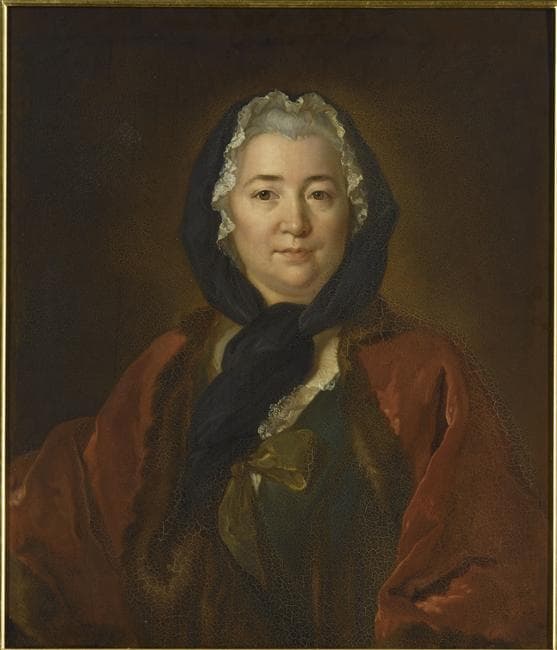
It is in the modest apartment on Rue Saint-Hyacinthe, one winter evening in 1751, that Panpan finds his lifelong friend. A hand-held candlestick lights the study cluttered with papers, and the portable writing desk is still open, the pen fresh with ink. They have written to each other almost every day since Lunéville, for nearly thirty years now, and tonight Devaux has set down his letter to come question her in person. He comes seeking the woman he knows behind the author Paris is clamoring for.
—My dear friend, you wrote me from Lunéville that you were making an Inca princess speak. Where did this Zilia who judges France come from?
You who read my drafts before anyone else, Panpan, you know Zilia was not born from a whimsy of exoticism. I needed a gaze indebted to none of our habits, fresh eyes set upon our salons, our convents, our arranged marriages. A Peruvian woman torn from her temple, who understands neither our language nor our customs, sees our absurdities better than we do. Her quipus, those knotted cords, serve as her memory and voice when everything else is taken from her. Through her I could say what a Frenchwoman cannot write in her own name: that we are poorly educated, married even worse, and left without status. The detour through Peru gave me the freedom my century denies me.
A Peruvian woman torn from her temple sees our absurdities better than we do.
—I've heard that your Letters from a Peruvian Woman are being reprinted endlessly. You who doubted so much, did you expect such a stir?
Not at all, my friend, and you remember my fears when I sent you the pages. I trembled that I would be found presumptuous, I who had neither fortune nor great name to protect me. And now the book runs all over Europe, is translated, and has sequels invented where others marry my Zilia to her knight—something I took care not to do. For that is my stubbornness: I did not want to make her happy with a husband. I left her alone, free, occupied with study and friendship. I am reproached for this ending; I consider it the truest. A woman can be fulfilled with a faithful heart and a nourished mind—you who know my life, you know I do not say this lightly.
I did not want to marry her off: a woman can be fulfilled with a faithful heart and a nourished mind.
—I never dared ask you again since your letters from December 1738. What really happened at Cirey, that evening when Voltaire accused you?
Ah, Panpan, my letters from those days, you received them soaked with tears. I was their guest, taken in almost out of charity, and I was treated like a criminal. Voltaire imagined I had circulated parts of his The Maid of Orleans—I who had only quoted a few lines to you, in the secrecy of our correspondence. He swooped down on me in front of the whole household, Émilie joining in the scene, dreadful reproaches, searches, public humiliation. I thought I was ruined. One does not know, when dependent on another's table, how quickly a friendship can turn overnight. I keep the lesson: a sealed letter is never safe enough, and the generosity of the great is always paid with a part of oneself.
One does not know, when dependent on another's table, how quickly a friendship can turn overnight.
—Before Paris, before glory, there was Graffigny. You who confided everything to me, how did you find the strength to break free from that marriage?
You were the first witness of those years, my dear confidant, and you know what my letters kept silent out of modesty. François Huguet was violent, spendthrift, and the law gave a wife no recourse that was willingly granted. I endured, as one endured then, until fear outweighed shame. Obtaining a legal separation in 1723 was a fight few women survive: it required proof, protections, iron patience. I was seen as a rebel. But I had no choice between my life and my reputation, and I chose to live. That freedom won, I paid for it with my fortune and my peace—and it is that, deep down, that made me a woman capable of writing.
I had no choice between my life and my reputation, and I chose to live.
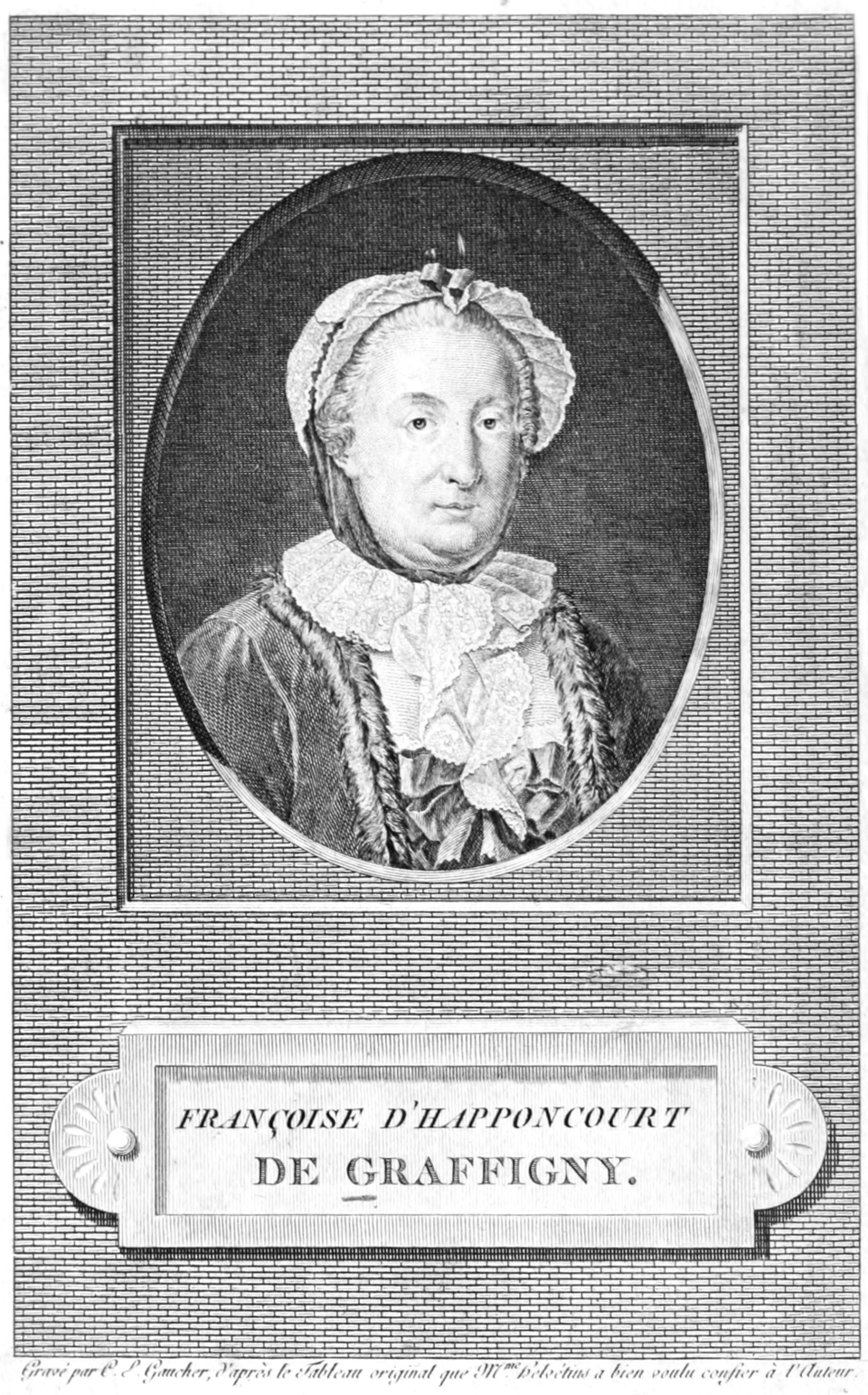
—Last year, your Cénie made all Paris weep at the Comédie-Française. You so modest, what did you feel at that triumph?
Picture me, Panpan, in the shadow of a box, my heart pounding fit to burst, watching the pit dissolve in tears at my comedy. Twenty-five consecutive performances! For a woman, and in that tearful genre some despise, it was beyond hope. I am reproached for moving rather than making laugh; I claim it. I believe that in theater, virtue touches more surely through emotion than through wit. Seeing grave men wipe their eyes for an honest young girl is my true reward. But you know me: after the triumph, I returned to my cold lodgings to count my debts. Glory does not heat the room, and the day after a success is often lonelier than the day before.
Glory does not heat the room, and the day after a success is lonelier than the day before.
—Even tonight, your study is full of people in my memory. Who comes to sit in your ruelle, and what do they seek?
My salon has none of the grand apartments, you have seen it with your own eyes: a few chairs, books in disarray, no pomp. Yet it attracts the finest minds—Helvétius, young Turgot, that Diderot bubbling with new ideas. I am honored to be considered a bel esprit, and I try to deserve that word by letting everyone speak freely. We debate novelties, forbidden books, what is printed and what is whispered. I am neither learned nor a philosopher, but I know how to make those who are converse, and that is an art. Modest, my salon? No doubt. But ideas have no need for gilding, and more light emerges from my humble ruelle than from many a palace.
Ideas have no need for gilding: more light emerges from my humble ruelle than from many a palace.
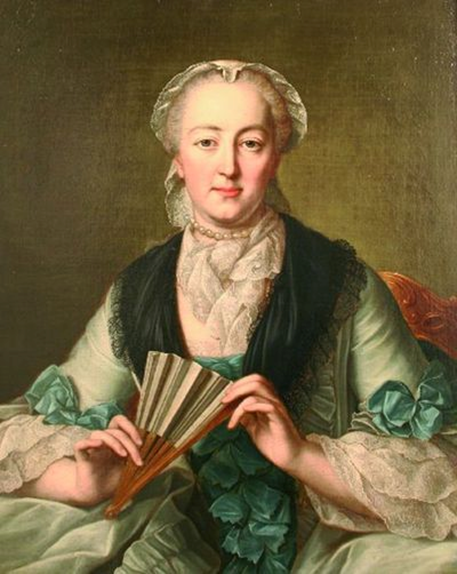
—You often write to me by candlelight, late. This correspondence we have kept for so many years, what has it become for you?
It is my breath, Panpan, and you know it better than anyone since you receive the best part. I write to you upon waking, while drinking my chocolate, and often again in the evening when my eyes burn in the candlelight. Thousands of letters between us—I believe no book will ever tell my life as truly as this daily flow. To you I tell everything: my debts, my moods, my theatrical hopes, the gossip of Paris. The letter is the only place where a woman can be wholly herself, without mask or privilege to ask of the king. Keep them, my friend, these papers. They are worth more than my plays: they are me, unadorned.
The letter is the only place where a woman can be wholly herself, without mask.
—You speak of theater with passion, but your letters betray anxiety. Do you already fear for the plays that will come after Cénie?
You read too well between my lines, old accomplice. Yes, I fear. A triumph puts a debt on your shoulders: you must repeat it, and the public is a cruel master who quickly forgets what it wept for yesterday. I am working on other works, but age is coming, illness too, and my sight declines as my ambitions rise. I knew success too late to enjoy it without trembling. I am thought to be settled in glory; I know I am on a thread, dependent on my booksellers, my protectors, the whim of a theater. If a play failed, I think I would have a broken heart. But I do not write for rest—I have never known how to do anything but continue.
I knew success too late to enjoy it without trembling: I know I am on a thread.
Read further
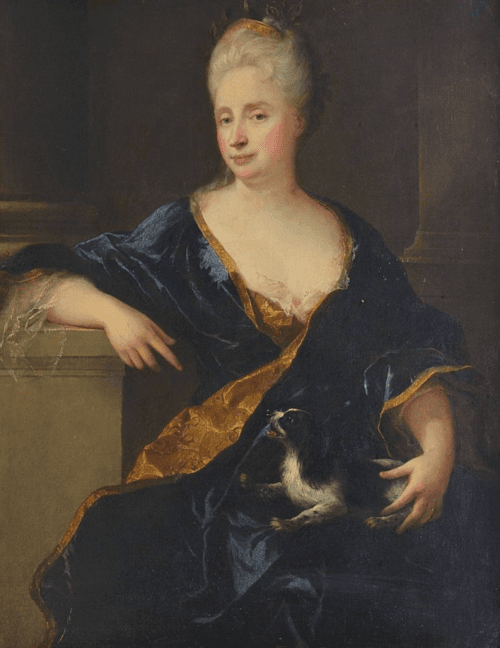
This imaginary interview was generated by artificial intelligence from sources documented in Françoise de Graffigny's profile. It dramatises what the figure might have said based on what we know about them, but does not constitute attested historical testimony. For primary sources and factual documentation, refer to the full profile.