Kids interview George Boole
by Charactorium · George Boole (1815 — 1864) · Sciences · 5 min read
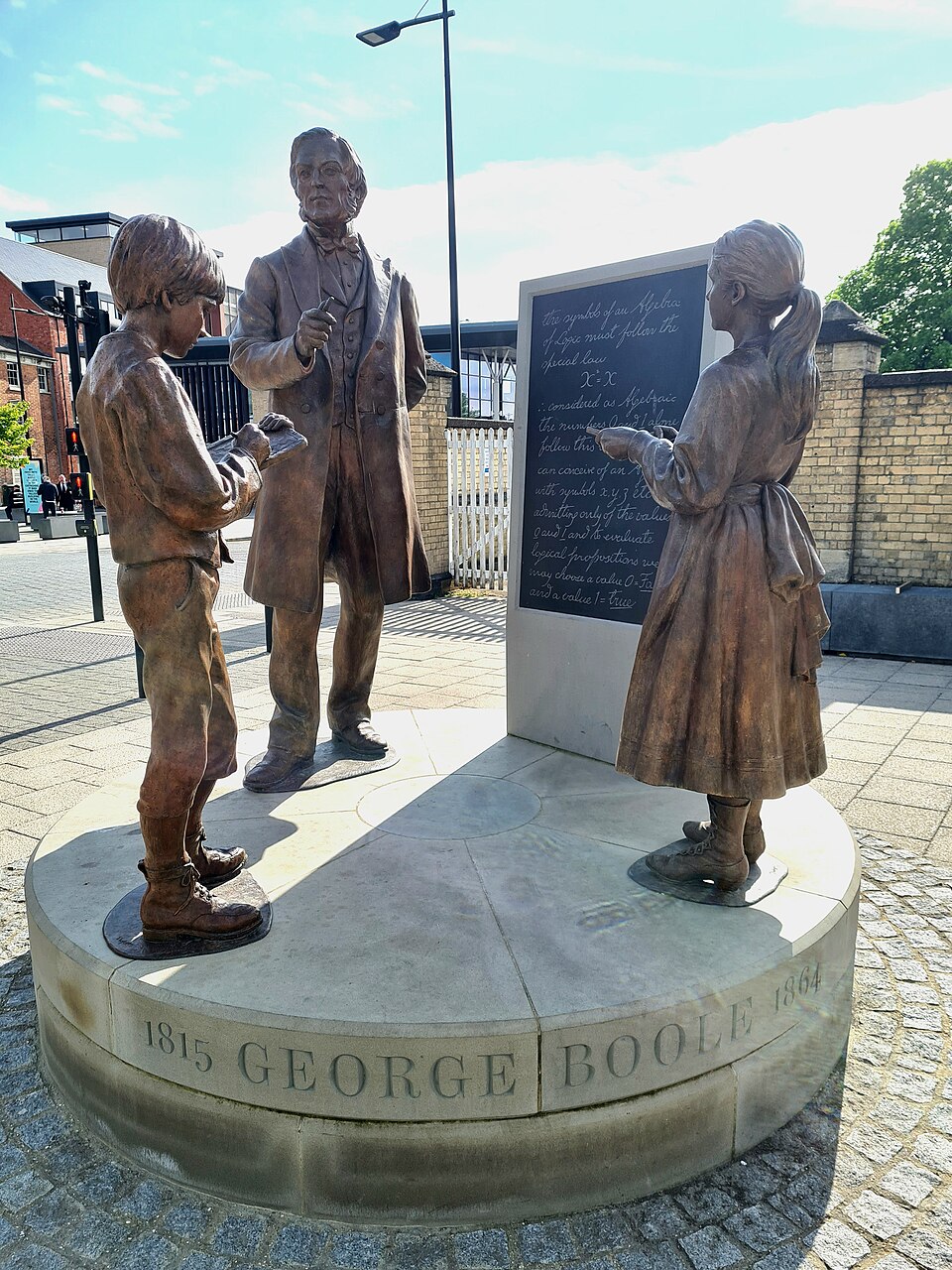
That morning, two fifth-graders on a field trip push open the door of an old Irish college. Before them, a gentle-looking man, a shoemaker's son turned professor, waits near a blackboard covered in symbols. George Boole gestures for them to sit down: the lesson is about to begin.
—Is it true you taught yourself Latin and Greek?
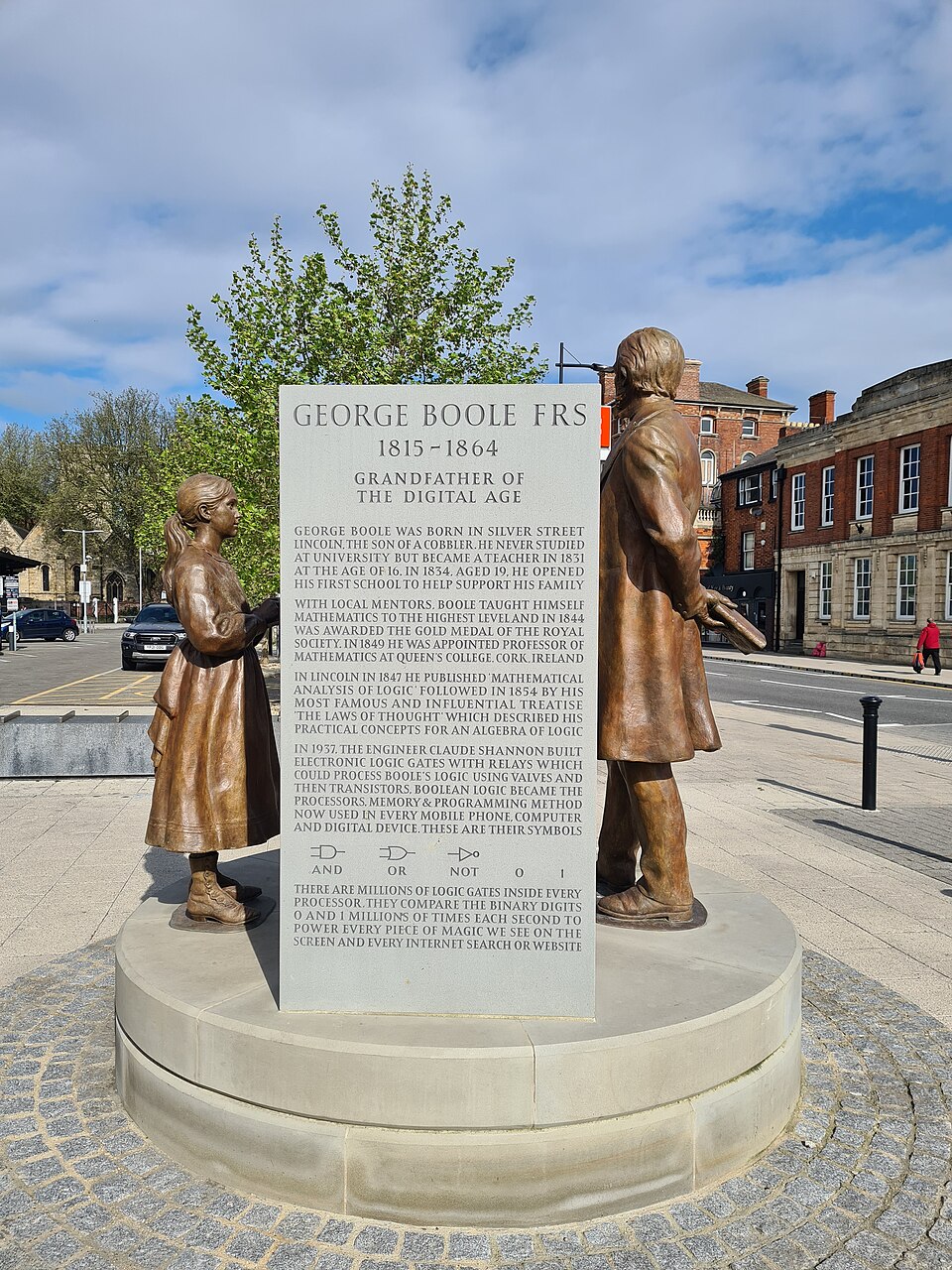
You know, my child, I was born in Lincoln, England, into a modest family. My father was a shoemaker; he repaired shoes. We had no money for great schools. So I borrowed books from the library and learned on my own. Latin first, then Greek, and even French and German. Imagine a boy hunched over old books in the evening by candlelight, deciphering a dead language word by word. That was me. At 16, I was already teaching in a school to help my parents. Poverty did not stop me: it taught me to fend for myself.
Poverty did not stop me: it taught me to fend for myself.
—What did you eat in the morning before teaching your classes?
In the morning, it was simple. A bowl of porridge — a hot, thick oatmeal that we ate a lot in our home. Sometimes bread and tea. Nothing fancy, you see. Then I would walk to Queen's College in Cork, Ireland, to give my lessons. I prepared my demonstrations carefully, because I wanted my students to truly understand. A poorly explained lesson is a wasted lesson. I valued clarity above all else. A good teacher, you see, does not show that he is learned: he makes things simple.
A good teacher does not show that he is learned: he makes things simple.
—Is it true you were awarded a gold medal? For what?
Yes! In 1844, the Royal Society of London awarded me its gold medal. It is the greatest society of scholars in my country. I was very proud. My work was on what are called differential operators — somewhat complicated calculation tools used to measure how things change. Imagine you want to describe the speed of a river that flows faster or slower: these tools do that. The funniest part? I had no university degree. Just my published papers. Sometimes, work speaks louder than a diploma.
Sometimes, work speaks louder than a diploma.
—How does one become a university professor without a degree?
That's a funny story! In 1849, Queen's College in Cork, Ireland, was looking for a mathematics professor. It was a brand-new college founded by Queen Victoria. And they chose me, the very first one! Without a degree, without ever having studied at university. They took me for my articles, for the ideas I had published. Scholars like De Morgan had noticed and supported me. I taught there until the end of my life. What matters is not the paper you hold. It's what you know how to do, and what you bring to others.
What matters is not the paper you hold, but what you know how to do.
—They say you turned thought into math. What does that mean?
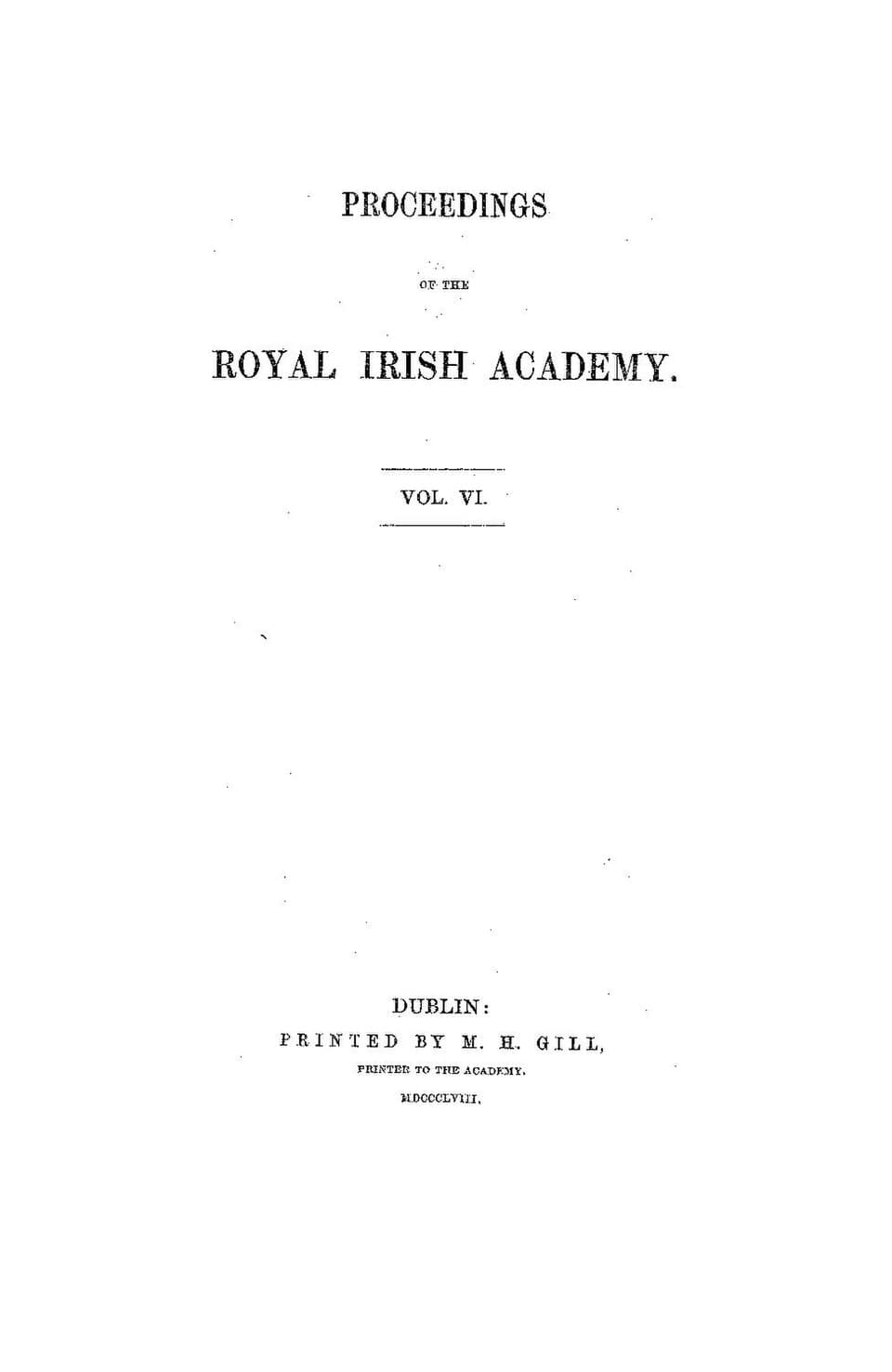
Ah, that is my dearest idea! Listen carefully. When you reason, you say: 'if this is true, then that is also true.' Well, I had a crazy idea: what if we wrote these reasonings with symbols, like a math operation? In 1847, I published The Mathematical Analysis of Logic. In it, I treat reasoning as a part of mathematics. A proposition — that is, a sentence that can be true or false — becomes a symbol that we manipulate. True equals 1, false equals 0. Imagine a game where ideas become numbers. Then we can calculate them, like adding apples.
What if we wrote our reasonings like a math operation?
—And your greatest book, which was it?
My magnum opus is An Investigation of the Laws of Thought, published in 1854. The title means 'an inquiry into the laws of thought.' I wanted to understand the hidden rules that govern how we reason, and write them in a language of symbols. You know, the ancient Greeks had invented the syllogism — a three-step reasoning, two starting ideas and a conclusion. Aristotle had founded it. I wanted to go further, to make all this more general and more powerful. In my lifetime, people found it quite abstract. But an abstract idea can sleep for a long time before being useful.
An abstract idea can sleep for a long time before being useful.
—Did you have scholarly friends? How did you talk to them?
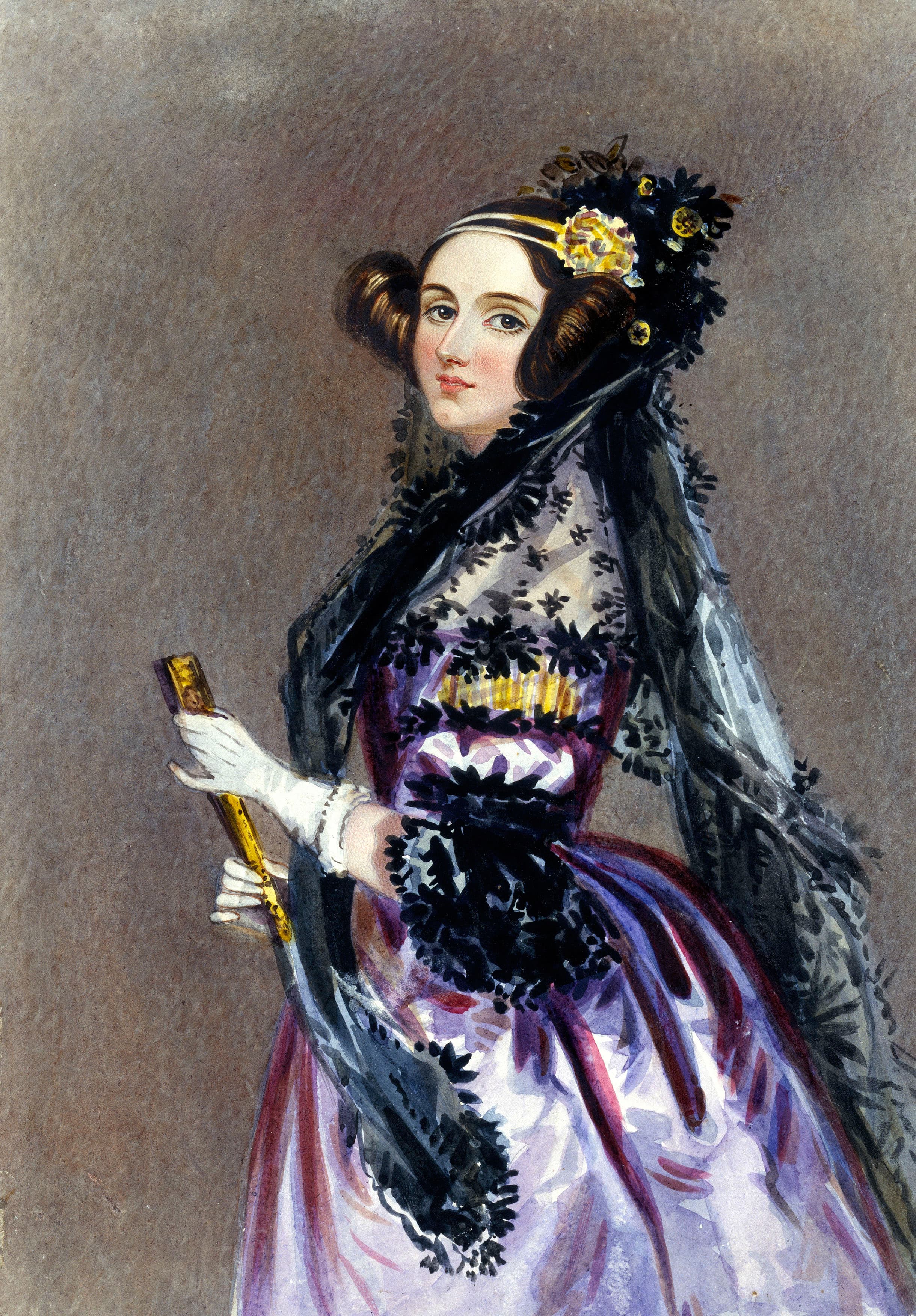
Yes, and one of them mattered a lot: Augustus De Morgan, another mathematician. We didn't see each other often. So we wrote — letters, many letters. When my 1847 book came out, he wrote to congratulate me. He recognized that reducing logic to a system of calculation was an important advance. Can you imagine my joy? A respected scholar telling you: 'you've got something.' In my time, you could send a letter for a single penny — it was called the 'penny post.' It changed everything. Ideas traveled from town to town, in envelopes.
Science was done with the pen, one letter after another.
—When you sent a letter, did it take long to get a reply?
Oh yes, you had to be patient! I wrote my letters with a quill, dipped in an inkwell, page after page. Then the letter would travel along the roads, sometimes for several days, before reaching De Morgan or another scholar. And then you had to wait for his reply! A single discussion could last weeks. Imagine: you ask a question, and you wait an entire season for the answer. But this slowness had its benefits. You thought before writing. Every word counted. You didn't scribble carelessly. Patience, you see, is the friend of thought.
Patience is the friend of thought.
—How did it feel to be recognized after being so poor?
It touched me deeply, my child. In 1857, I was elected a Fellow of the Royal Society — an official member of that great learned society. For a shoemaker's son without a degree, it was immense. I remembered the little boy in Lincoln who borrowed books for lack of money. And here he was, recognized by the greatest scholars of the kingdom. But I never forgot where I came from. Honors, you see, must not make you forget the journey. They should remind you that patient work always counts in the end. Stay humble, even when they applaud you.
Honors must not make you forget the journey.
—Is it true you died because of the rain?
That's a sad story, yes. One day in November 1864, I walked to the college in pouring rain. I had forgotten to protect myself. I gave my class soaking wet, shivering. The next day, I was sick — pneumonia, a serious lung infection. My wife, Mary, strongly believed in water treatments. She wrapped me in wet sheets, thinking to cure me. Alas, it only made things worse. I passed away at 49, in Cork. It was young, I know. But I had a beautiful life, filled with ideas. Don't be too sad: you never truly die when you have passed something on.
You never truly die when you have passed something on.
—If people remember you in a hundred years, what would you like them to say?
What a lovely question. I don't know what the future will make of my work. In my lifetime, my algebra of thought was considered a curiosity, almost a mental game. No one saw a use for it. But I have faith. True and false, 1 and 0 — these are simple and solid things. Perhaps someday someone will find what it is really for. I would like them to say: 'this shoemaker's son believed you could calculate with ideas, and he dared to write it down.' If you children remember one thing: don't be afraid of your ideas, even when they seem useless.
Don't be afraid of your ideas, even when they seem useless.
This imaginary interview was generated by artificial intelligence from sources documented in George Boole's profile. It dramatises what the figure might have said based on what we know about them, but does not constitute attested historical testimony. For primary sources and factual documentation, refer to the full profile.