Kids interview Georges Bizet
by Charactorium · Georges Bizet (1838 — 1875) · Music · 5 min read
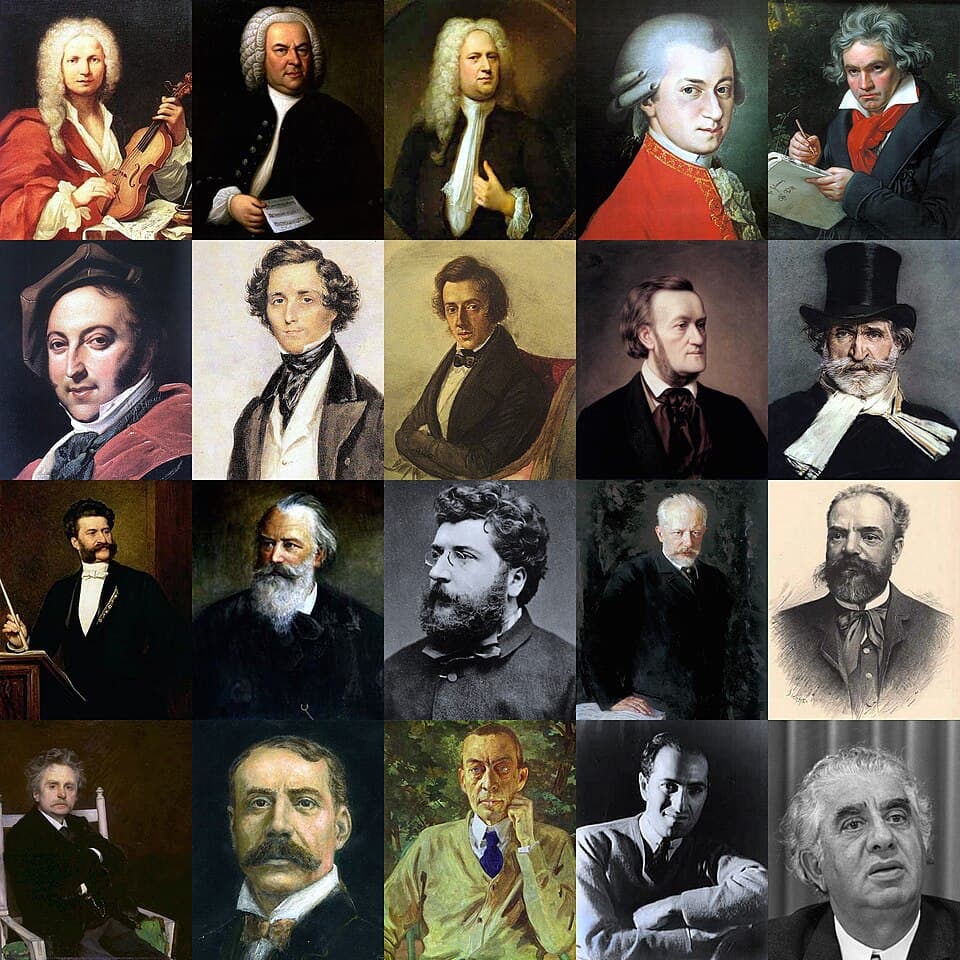
Two young visitors aged 12 push open the door of a study where the smell of cigar lingers. At the piano, a bespectacled man looks up and smiles. It is Georges Bizet, and he has agreed to answer all their questions.
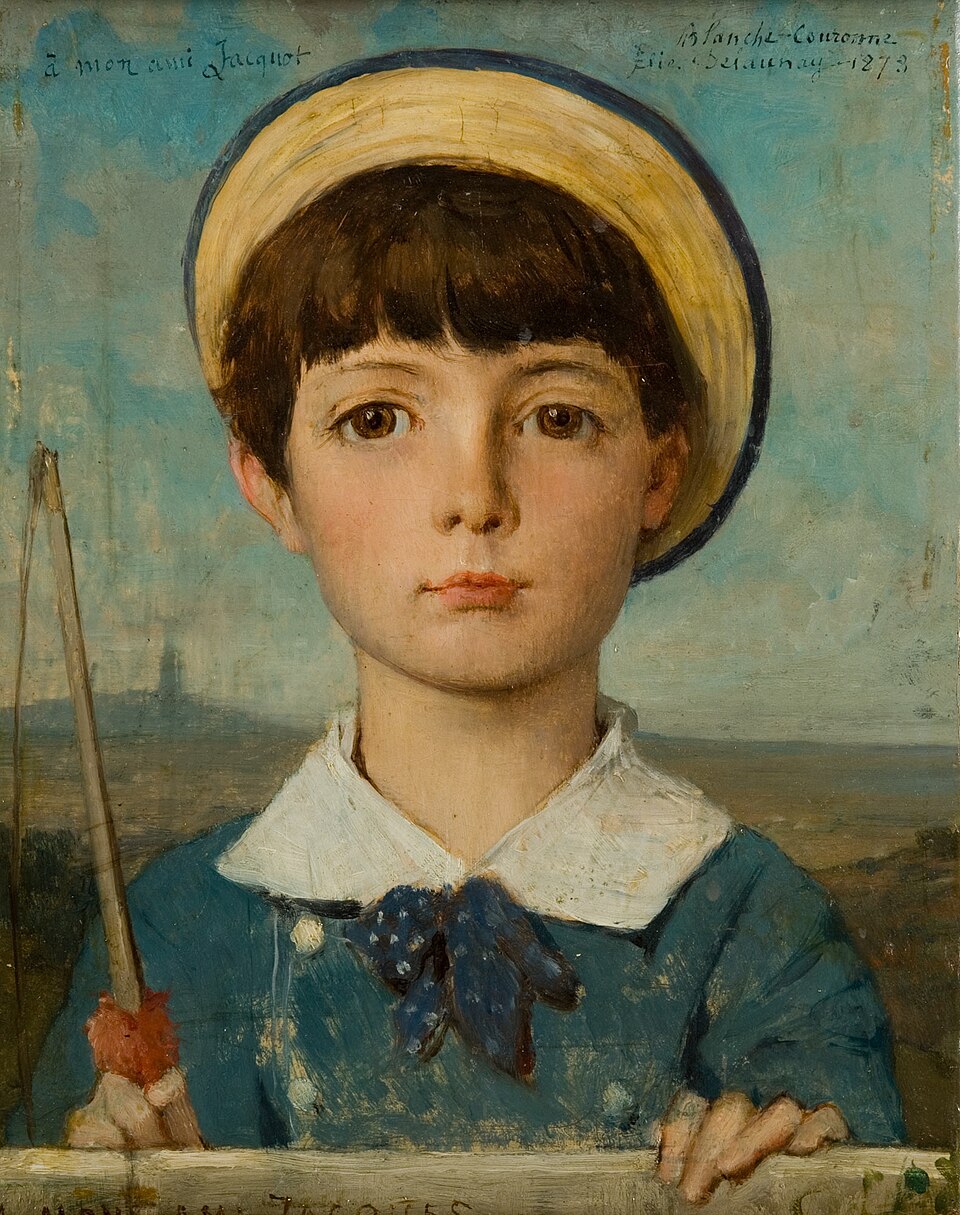
—How old were you when you entered the Conservatoire de musique?
You know, I was only nine years old. Imagine: most students arrived much older, and I was that little boy among them. My father was a singing teacher. He noticed very early that music entered my head as if by magic. At the Paris Conservatoire, I had wonderful teachers, like Gounod. I stayed there for years working on piano, harmony, everything. It was my home, truly. When you start so young, music doesn't become a trade you learn: it becomes your mother tongue.
Music was not my trade; it was my mother tongue.
—Is it true that a great musician thought you were super good at piano?
I was told so, yes. The great Franz Liszt supposedly heard me sight-read a difficult score, without preparation. And he said he counted me among the three best pianists in Europe! Can you imagine my pride. Yet, my child, I refused to become a pianist who travels from hall to hall. Many didn't understand this choice. I wanted to create music, not just play others'. Playing is wonderful. But composing is giving birth to something that didn't exist before you. That's what made my heart beat.
Playing music is beautiful; but giving birth to one is living.
—You won a prize that took you to Italy, right?
Exactly! In 1857, at eighteen, I won the famous Prix de Rome. It was a great competition: the winner went to live for several years at the Villa Medici in Rome, to compose in peace. Imagine a palace surrounded by gardens, under a sun I didn't know in Paris. I wrote to my mother that Italy gave me ideas that France would never have inspired in me. It was true. The colors, the voices, the light: all of that entered my music. When you change countries, sometimes your entire ear changes.
When you change countries, your entire ear changes.
—How did you feel, all alone so far from home?
Happy, believe it or not. I wrote to my mother from Rome: 'Rome is admirable. I work a lot and I am happy.' It wasn't a polite phrase. In the morning, I composed; in the afternoon, I walked through the alleys. Italian music sang everywhere, in the streets, in the churches. Of course, I missed my family. But at your age or a bit older, going far away is both frightening and wonderful. You grow up all at once. Those Roman years, from 1858 to 1860, nourished my entire way of writing for orchestra.
—What was a day like when you were composing?
In the morning, I got up early and shut myself in my study, at the piano. That's where everything began. I searched for notes, tried them, corrected them. And I smoked, my child — cigar after cigar, a real chimney! My scores, I wrote them with pen and ink, carefully noting each instrument. I liked to say: 'I am a man of the theater.' I cannot make music without a drama before me, living characters, passions. A melody alone is not enough for me. I need a story that breathes.
I am a man of the theater: I need a story that breathes.
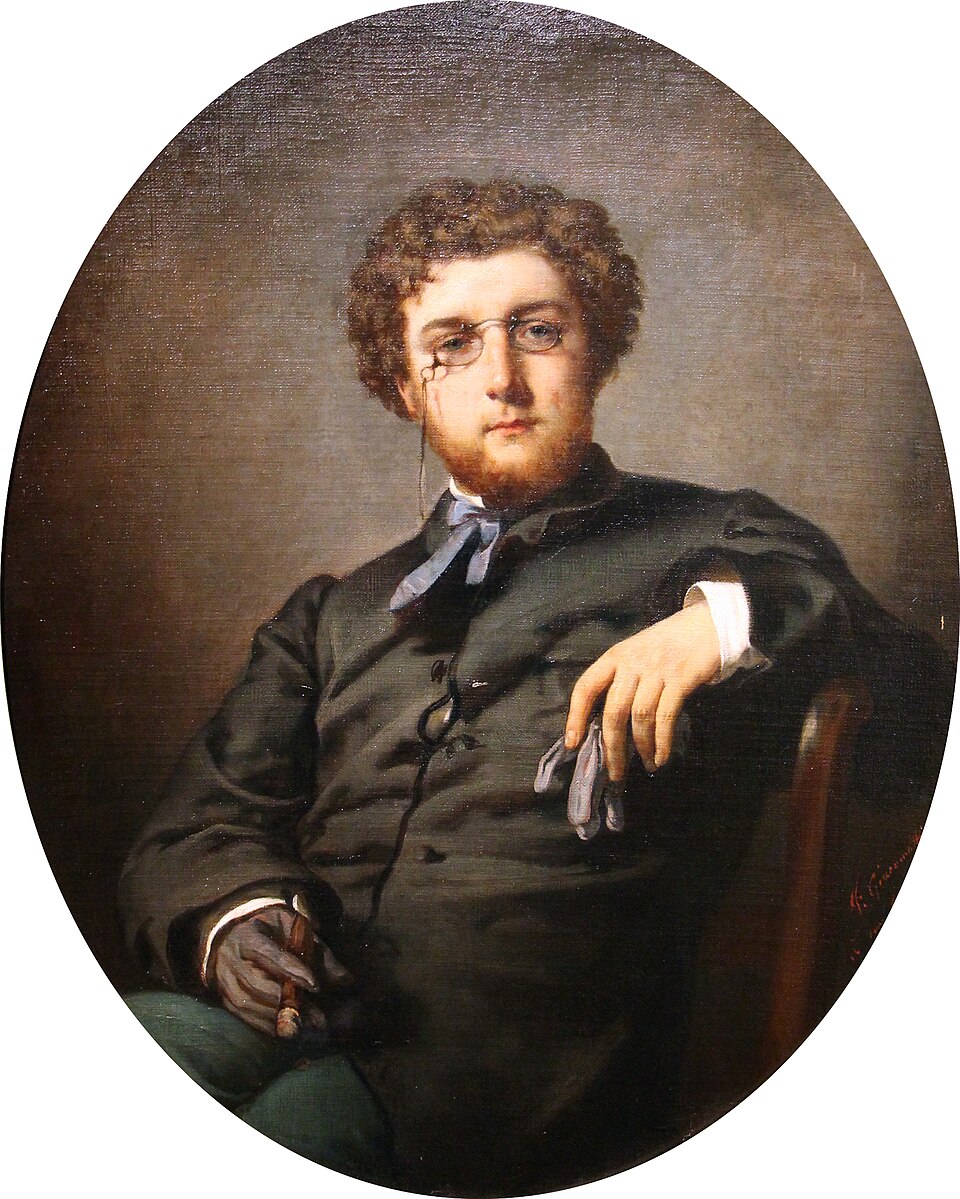
—What was in your house, what did it smell like at home?
Ah, it smelled of tobacco, of course! And the ink of drying scores. At the center of everything, my upright piano for work: without it, I could bring nothing to life. I lived in Paris, rue de Douai, in an artists' district called the Nouvelle-Athènes. But when the noise of the city tired me, I left for Bougival, my country house on the banks of the Seine. There, calm restored my ideas. Imagine a street with no motors, only the step of horses and the scratching of pens. That was my world.
—Did you really go to war, you, a musician?
Yes, and that always surprises. In 1870, war broke out against Prussia, and Paris was besieged. I was not a professional soldier, I was a composer. But when your city is encircled, you don't sit idly. I enlisted in the National Guard, like many men. Around us, everything was collapsing: the Second Empire fell, and soon the Third Republic would come. They were hard times, with hunger and cold. Yet, two years later, in 1872, I wrote the music for L'Arlésienne. Music, you see, always grows back after storms.
Music always grows back after storms.
—Was it hard to make beautiful music when everything around was going wrong?
Very hard, and at the same time necessary. Imagine: war, then the Commune, the city torn apart, and me searching for melodies. One might think it's useless. But no. For L'Arlésienne, in 1872, I composed for a play by Alphonse Daudet. That music is bright, dancing, full of Southern sun. People needed that light after so much darkness. That's the artist's work: he doesn't close his eyes to misfortune, but he offers others a place to breathe. Giving beauty when the world is ugly is almost a duty.
Giving beauty when the world is ugly is almost a duty.
—What is your opera Carmen, and why were people shocked?
Carmen is the story of a cigar-rolling factory worker, smugglers, and a murder shown on stage. For the audience on March 3, 1875, at the Opéra-Comique, it was scandalous! People weren't used to seeing common folk, such raw passions, a woman so free. Many cried out against an immoral work. A critic from Le Figaro even wrote that I despised the public! Can you imagine my pain. I had put all my truth into that music. And they threw it back in my face. That night, I went home with a heavy heart.
I had put all my truth into that music.
—Did you know that Carmen would become so famous worldwide?
No, my child, and that is the saddest part. I died on June 3, 1875, in Bougival, only three months after that stormy premiere. I left believing that Carmen was a failure. I didn't know. The great Russian composer Tchaikovsky, however, had guessed: he wrote that my opera would become the most performed lyrical work in the world. He was right. Today, Carmen resounds on every stage. Remember this lesson: a work booed one night can shine a hundred years later. The judgment of an audience is never the last word.
A work booed one night can shine a hundred years later.
—If we could have seen you on a workday, what would we have noticed first?
My pince-nez, surely! I was nearsighted, so I wore those little glasses to read my scores up close. And then the cloud of smoke from my cigar, always there. You would have seen me bent over the piano, pen in hand, humming softly a melody being born. I was nothing like an intimidating gentleman. I was a hard worker, from morning to night. Notes don't fall from the sky, you know. You have to search for them, try them, miss them, start over. Music is love, but it's also a lot of patience.
Notes don't fall from the sky: you have to search for them a hundred times.
This imaginary interview was generated by artificial intelligence from sources documented in Georges Bizet's profile. It dramatises what the figure might have said based on what we know about them, but does not constitute attested historical testimony. For primary sources and factual documentation, refer to the full profile.