Kids interview Homer
by Charactorium · Homer (900 av. J.-C. — 800 av. J.-C.) · Literature · 5 min read
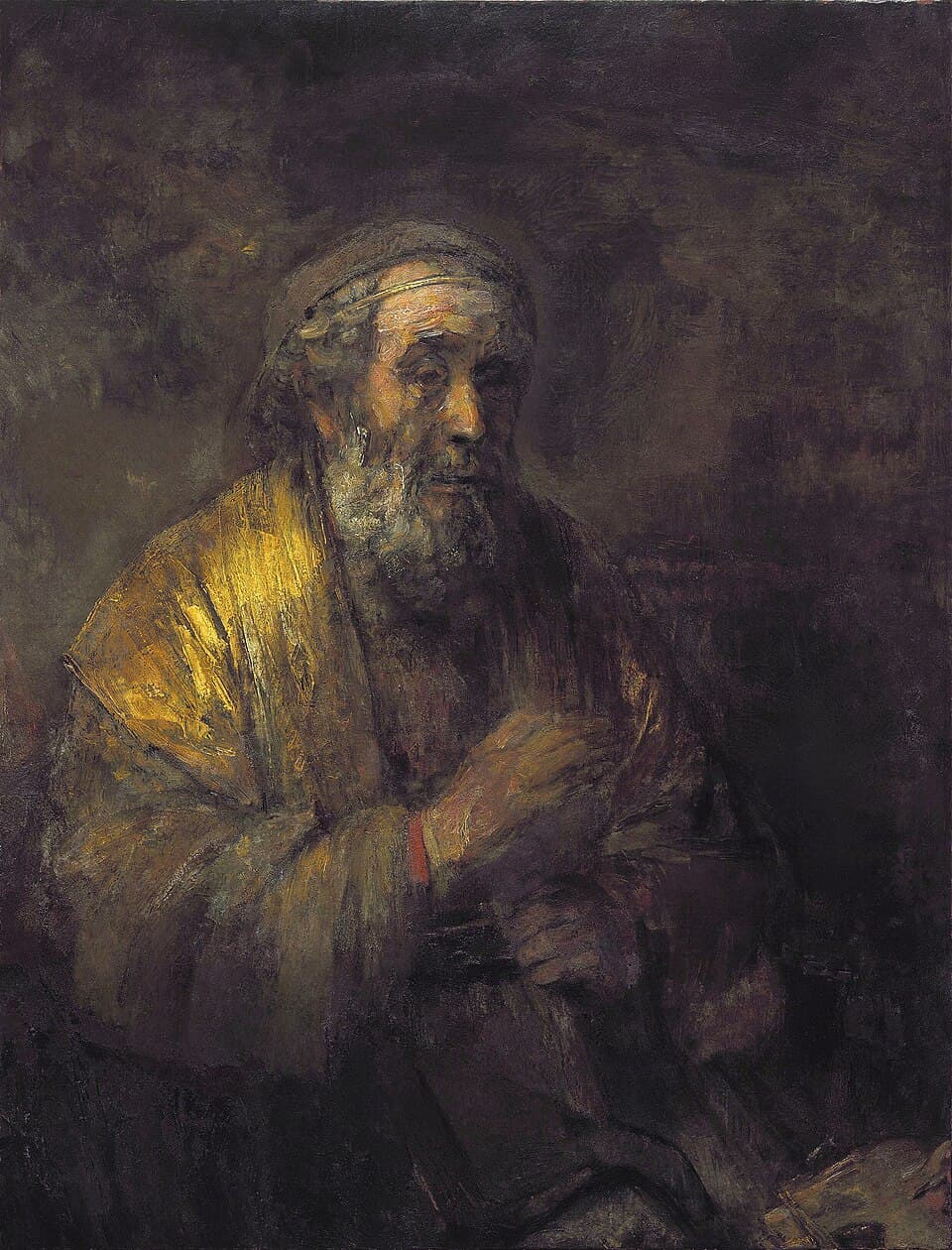
That morning, two fifth-grade students on a field trip stop in front of the statue of an old blind poet, a lyre in his hand. To their great surprise, the old man begins to speak to them, as if emerging from the depths of time. Homer, the most ancient of Greek poets, agrees to answer their questions.
—Is it true you were blind? How did you travel everywhere?
You know, my child, they always draw me the same way: an old blind man, a staff in hand, walking from city to city. My very name supposedly means 'he who does not see'. But listen closely: when your eyes close to the world, sometimes another vision opens within. I did not see the road, so I saw the heroes. To travel, I leaned on my staff and on people's kindness. Everywhere, one had to welcome the stranger, feed him, house him. It was a sacred law. Imagine: you arrive exhausted in an unknown village, and they open the door without even asking your name.
—What was your day like? What did you eat in the morning?
In the morning, I rose at dawn. It was time to wake my memory. I repeated my verses aloud, over and over, like tuning the strings of a lyre before playing. To eat? Barley bread, a few olives, a piece of goat cheese, sometimes figs. Nothing fancy. The big moment was in the evening. I was invited to the village chief's banquet. I took the place of honor, tuned my lyre, and sang for hours. People requested their favorite episodes — they already knew my stories by heart! Imagine a room full of people, cups of wine, and all eyes on you.
—But how did you write such long poems? Did you have notebooks?
Ah, notebooks? No, my child. In my time, we did not yet write these long poems. Everything was held in the head! Thousands of verses, kept by memory alone. How did I do it? I had little ready-made formulas, bits that came back again and again. When dawn rose in my story, I always said rosy-fingered dawn. When I spoke of the hero, it was swift-footed Achilles. These formulas were my stepping stones: I leaned on them to climb without falling. And each time I sang, the story changed a little. It was alive, like a breathing being.
—And who told you all these stories? Did you invent them all by yourself?
All by myself? Oh no. We poets called upon the Muses before we began. They are goddesses, daughters of Memory. We believed they whispered to us the true words of ancient times. That is why my poems begin with an invocation. In the story of the Trojan War, the very first word is 'Sing, goddess...'. I did not consider myself the inventor. I was rather the one who listens and transmits. Imagine a great river of stories flowing from your great-great-grandparents. I was just one more voice in that river. A voice that passes the tale to the next.
—What is the story of Achilles' wrath? Why start with that?
You ask a great question! My longest poem does not begin with a battle, but with an emotion: 'Sing, goddess, the wrath of Achilles'. Why? Because Achilles was the bravest of the Greek warriors, what they called the aristos — the best. And this best of heroes falls into a terrible anger against his own leader. He refuses to fight. As a result, his friends die by the thousands. You see, I did not want to tell a war. I wanted to tell what anger can destroy. Even in the strongest of men. That is what touches the heart, even today.
I did not want to tell a war, but what anger can destroy.
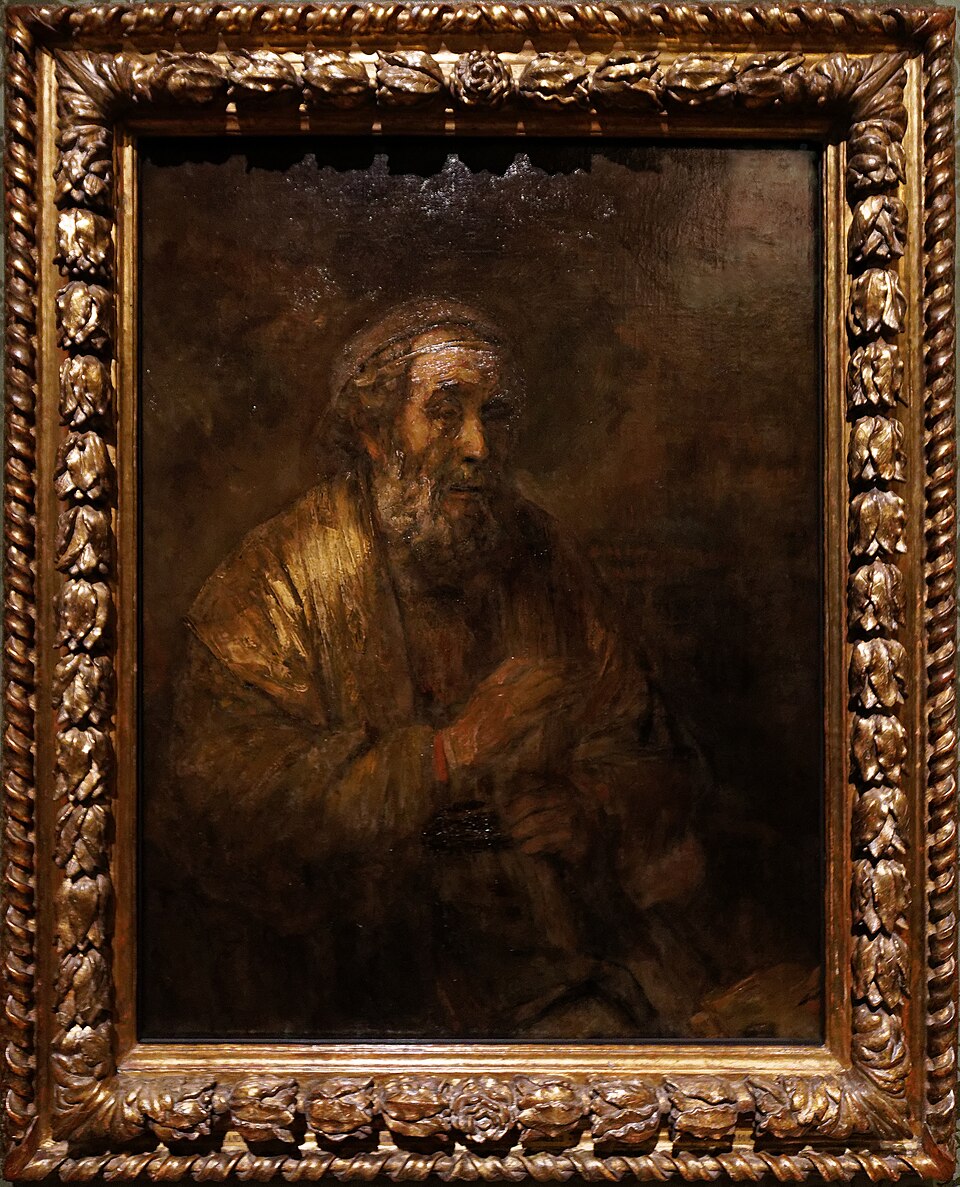
—But why did the heroes always want to fight and die in war?
Good question, and a bit sad. You know, these warriors sought something they called kleos: glory that never dies. For them, dying was not the worst. The worst was being forgotten. A hero would say to himself: if I fall in battle but my name is sung for a thousand years, then I do not truly die. Song was their way of living forever. In fact, in my story, even Achilles, in his tent, takes his lyre and sings the exploits of heroes before him. The greatest warrior also dreamed that one day he would be sung. That is why my verses mattered so much to them.
—And the other story, that of Odysseus? What did he do for ten years?
Ah, Odysseus! My other great poem tells of his return home. It begins: 'Tell me, Muse, of that ingenious man who wandered so long'. Can you imagine? Ten years wandering the sea to return home, to his island of Ithaca! Storms, monsters, magical islands... everything prevented him from coming back. The Greeks had a word for this desire to return home: nostos. That is where your word 'nostalgia' comes from, that pain you feel far from home. Odysseus was not the strongest, like Achilles. His weapon was cunning and intelligence. He wanted only one thing: to see his wife and son again.
—Is it true he said his name was 'Nobody'? Why that weird name?
Ha! My favorite episode, I think. Odysseus and his companions are prisoners of a one-eyed giant, a Cyclops, who eats them one by one. Terrifying! So Odysseus thinks. When the giant asks his name, he replies: 'My name is Nobody'. Why? Listen to the trick. At night, Odysseus blinds the Cyclops. The giant screams and calls his neighbors. They ask: who is attacking you? And he answers: 'Nobody is attacking me!' So the neighbors leave, shrugging. You see? Odysseus wins with his head, not his muscles. That is the ingenious man my poem speaks of.
Odysseus wins with his head, not his muscles.
—We were told no one really knows where you come from. Is that true?
That is entirely true, and it makes me smile. Imagine, seven cities argued over the honor of being my homeland! The island of Chios said: he was born among us. The city of Smyrna replied: no, among us! On Chios there even lived a family of poets, the Homeridae, who claimed to be my descendants. Why this fight? Because everyone wanted a little piece of my glory. But I, a poor wandering bard, had no fixed home. I went from door to door. Perhaps my true homeland, in the end, was the road. And all those cities where they opened the door to me in the evening.
—But then... did you really exist? Or are you a legend?
There is THE question everyone has been asking for a very long time! Some say: Homer existed, a man, a voice. Others say: his name hides hundreds of poets who sang together, over centuries. The truth? Even I will not give it to you. They say I died on the small island of Ios, of grief, after failing to solve a riddle posed by fishermen. Nice story, isn't it? But look: you are here, thousands of years later, asking me questions. As long as you sing of Achilles and Odysseus, it does not matter who I was.
As long as you sing of my heroes, it does not matter who I was: I still live.
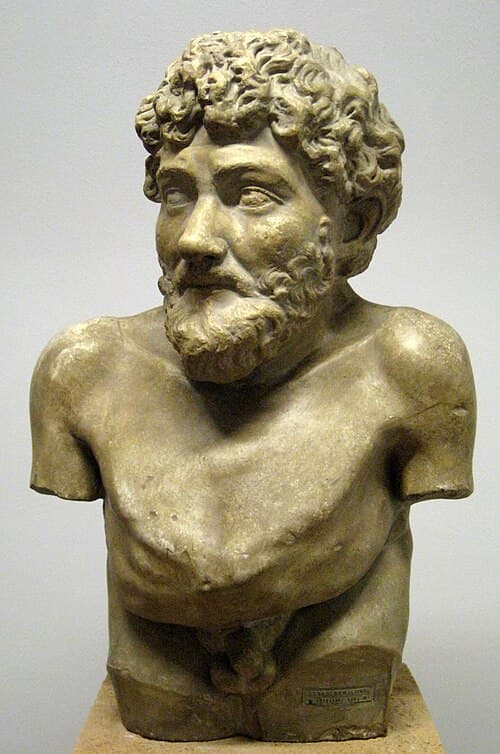
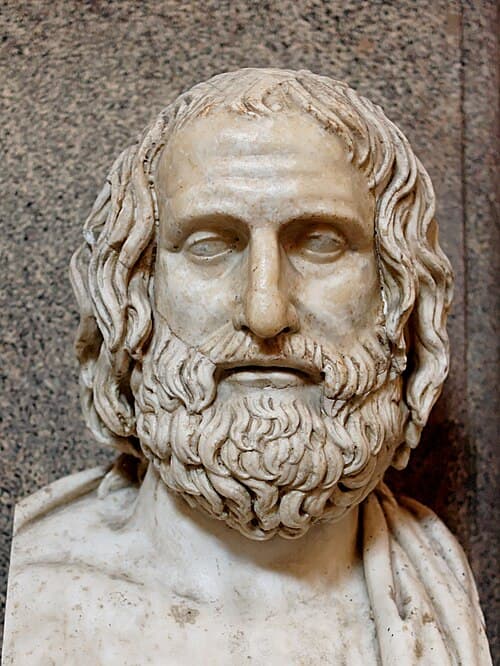
This imaginary interview was generated by artificial intelligence from sources documented in Homer's profile. It dramatises what the figure might have said based on what we know about them, but does not constitute attested historical testimony. For primary sources and factual documentation, refer to the full profile.