Imaginary interview with Honoré de Balzac
by Charactorium · Honoré de Balzac (1799 — 1850) · Literature · 5 min read
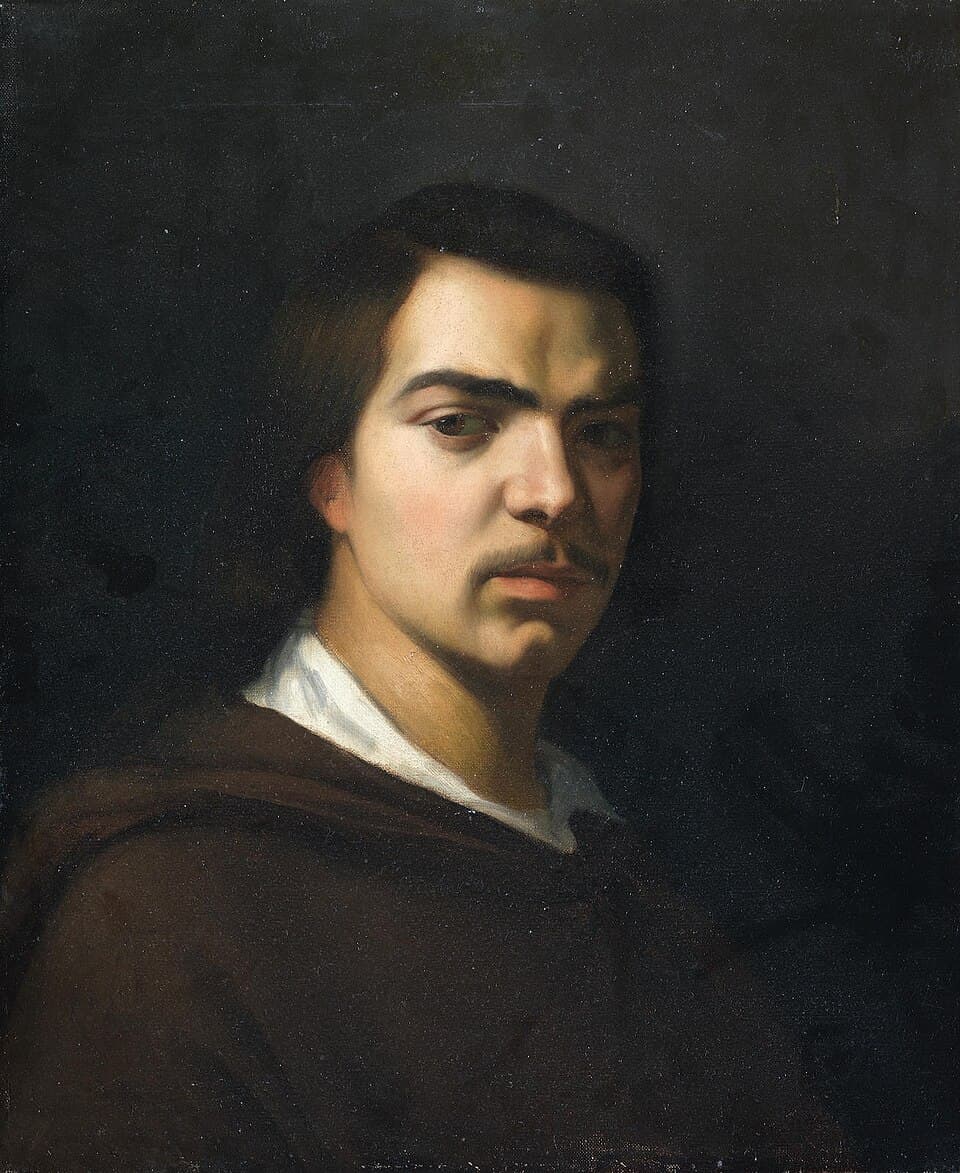
Passy, 1847. In a house on Rue Raynouard where the furniture was bought on credit and candles burn in broad daylight, a massive man in a white woolen robe receives us, a cup of black coffee in hand. He has just spent the night writing and will not sleep until the next dawn.
—How did you come up with the idea of linking all your novels into a single work?
It was in 1833. I was returning to my sister Laure's home in Paris and told her I was going to become a genius — I was laughing, but only half joking. I had understood that a character could reappear from one book to another, grow older, fall, triumph, just as people reappear in your life. Rastignac young in one novel, Rastignac successful in another. French society was to be the historian, and I was to be nothing but the secretary. What Buffon had done for animal species — classify, describe, order — I wanted to do for social species: the notary, the usurer, the courtesan, the provincial who comes up to the capital. La Comédie humaine is not a library; it is an inventory of morals.
French society was to be the historian, and I was to be nothing but the secretary.
—Why are you so insistent that your characters return from one book to another?
Because a man does not exist in a single moment. When I wrote Le Père Goriot in 1835, I felt I had grasped the mainspring of the entire edifice: a character we saw poor in a boarding house on Rue Neuve-Sainte-Geneviève will be found rich, or ruined, twenty years later, in a salon of the Faubourg Saint-Germain. The reader recognizes him and knows more than the character himself — that is the vertigo. More than two thousand figures thus circulate through my work as in a real city. I do not fabricate isolated heroes; I populate a world, and this world has its geography, its fortunes, its tyrannies. That is why one never quite leaves it.
I do not fabricate isolated heroes; I populate a world.
—It is said that you work at night. What does one of your writing days look like?
I get up when others go to bed: midnight, one in the morning. I slip into my white woolen robe — a monk's habit, for writing is a cloister — I light the candles and prepare black coffee, very strong, in my pewter coffee pot. And I row. I work until noon without lifting my pen, twelve hours straight, and some weeks I down up to fifty cups to keep my mind awake when my body wants to give up. I am chained to my table like a galley slave to his bench, and I row with the same fervor toward the same goal: fortune and glory. The afternoon is for proofs, publishers, creditors. Then a few hours of sleep, and it all begins again.
Writing is a cloister, and the woolen robe is my uniform for battle against the blank page.
—Your publishers complain, it is said, about your corrections. What do you put them through?
They curse me, and they are right! When they bring me the printer's proofs, I do not correct; I rewrite. I add in the margins, I cross out, I paste strips of paper, I make new branches grow on the already composed tree — so much so that one page can become three. This costs a fortune in lead and labor, and each proof ruins me a little more. But a sentence is never finished until it has local color, that true detail that makes you feel you can smell the boarding house or the miser's cold. My publishers want a clean text; I want a living text. My quill pen does not stop until my fingers go numb.
I do not correct; I rewrite: one page can become three.
—You have arranged a secret exit in this house. Who are you fleeing?
My creditors, sir, who have been pursuing me for twenty years like a pack of hounds. It all began in 1825: I became a publisher, then a printer, and I lost everything — I was left with debts that I drag like a ball and chain. So I learned the art of disappearing. I change addresses, I borrow names that are not my own, and here, on Rue Raynouard in Passy, I had a secret door built: when someone rings and it is not a friend, I vanish down a staircase no one suspects. It is a permanent comedy. But understand this: these debts are also my whip. If I owed nothing, perhaps I would never have written so much.
These debts are my ball and chain, but they are also my whip.
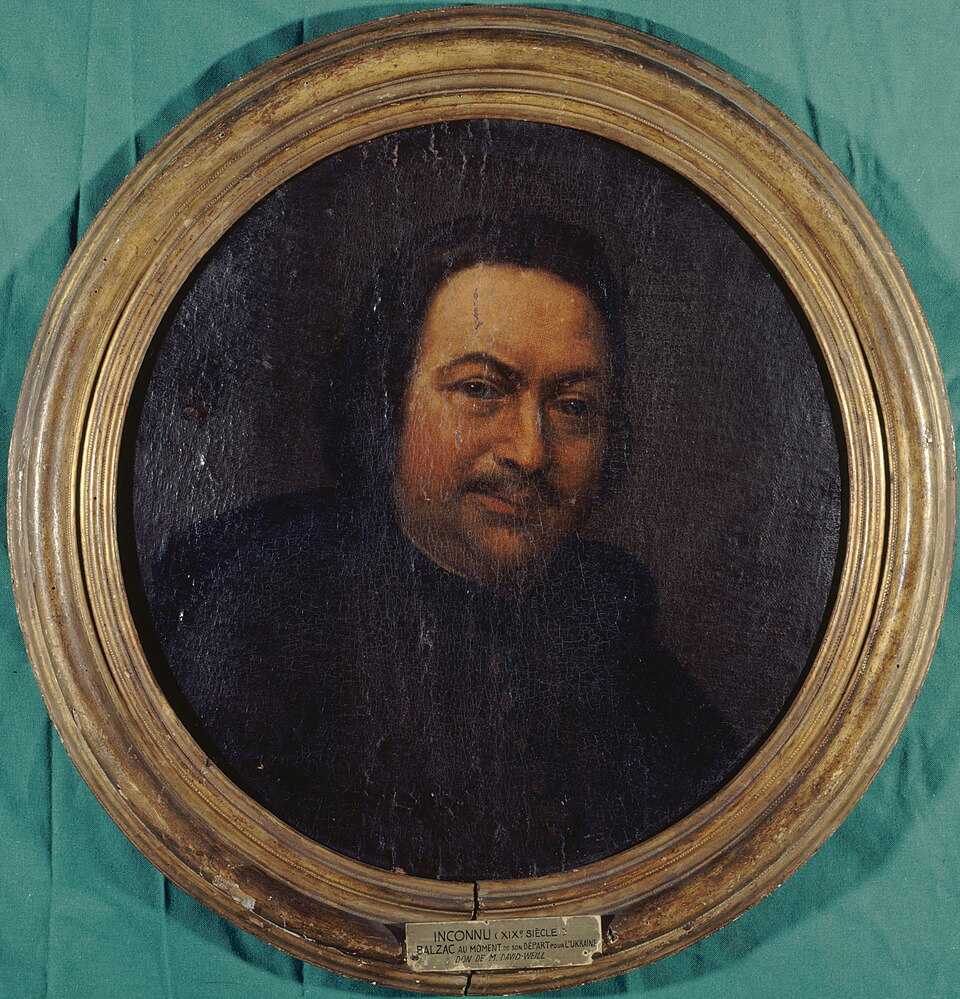
—How did money end up at the very heart of your novels?
Because it is the blood of this century, and I know it from my own bled veins. The serial saved me more than once: publishing a novel in installments in newspapers reached a wide audience and brought in a little gold to calm the bailiffs. I have seen usury up close, those rates that slowly strangle a man; I have seen how a dowry decides a marriage and therefore a life. In Eugénie Grandet I painted a provincial miser who sacrifices his daughter to his greed — and believe me, I invented nothing. Money makes and unmakes destinies more surely than passions. To describe it was to describe the Restoration and the July Monarchy as they are.
Money is the blood of this century, and I know it from my own bled veins.
—Your Rastignac has become almost proverbial. Where does he come from?
He comes from the streets, the boarding houses, the hungry young men I met when I was twenty and lived in a garret in Paris. Eugène de Rastignac is the provincial who arrives without fortune and discovers that Paris is a battlefield where you rise by stepping on others. In Le Père Goriot, he watches an old man bleed to death by his daughters, and he draws a chilling lesson of ambition. People are already starting to call it 'rastignacism.' The July Revolution of 1830 brought the bourgeoisie to power: it is the hour of the arrivistes, those who want to enter high society through the front door or the window. I merely held up the mirror.
Paris is a battlefield where you rise by stepping on others.
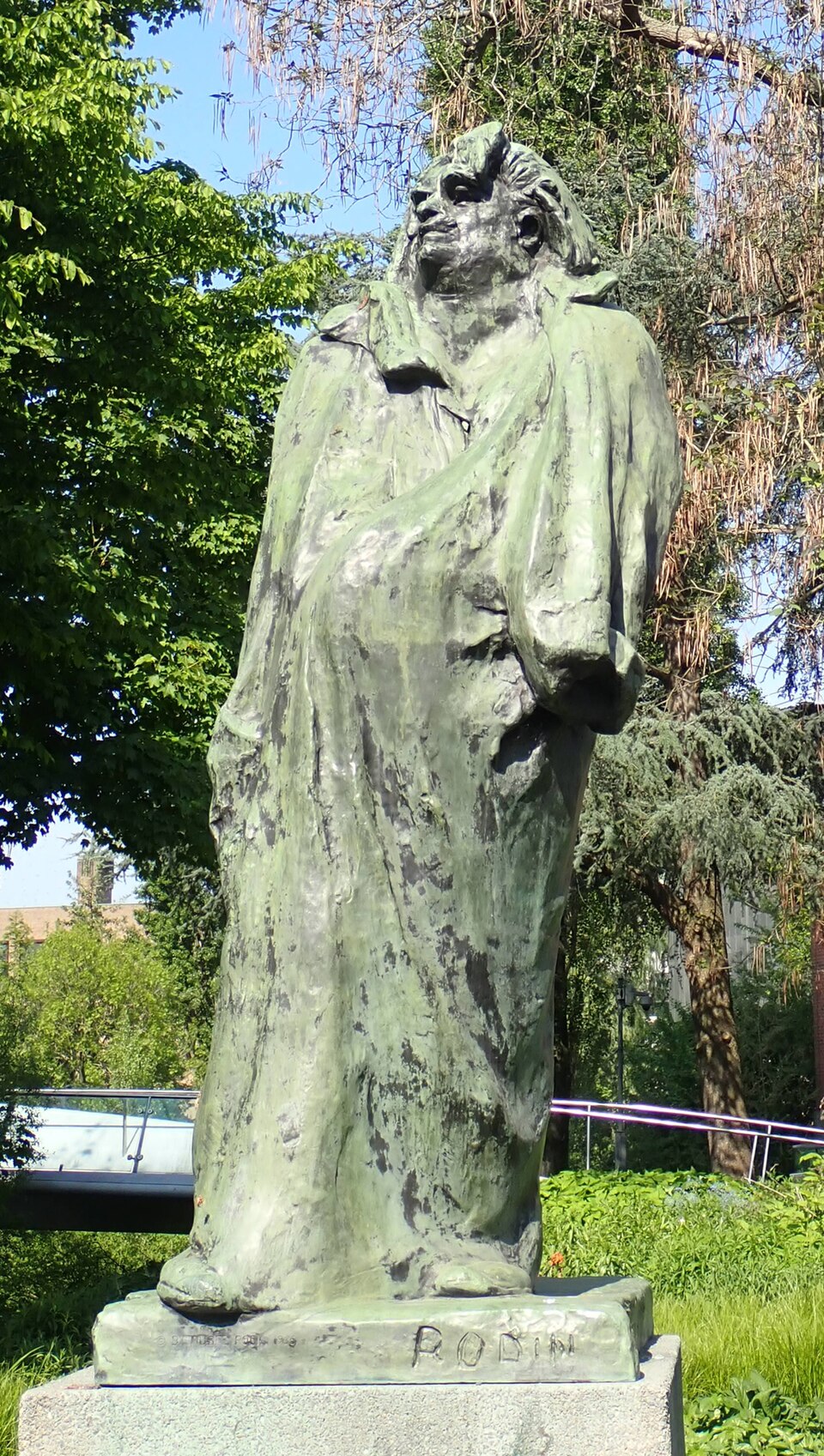
—You are a monarchist, yet you paint the triumphant bourgeoisie. Is that not a contradiction?
I am often reproached for that. Yes, I am a legitimist, I believe in order, the throne, the altar — and I see clearly that the July Monarchy crowned money rather than blood. But the novelist is not the moralist: my duty is not to love my era, but to paint it exactly. The Faubourg Saint-Germain is dying out, its old families retreating, while new fortunes buy themselves mansions and titles. I observe this with a mixture of regret and fascination. A writer who painted only what he approved of would lie with every line. I am the secretary of morals, not their judge — and an honest secretary notes even what saddens him.
My duty is not to love my era, but to paint it exactly.
—It is said that a correspondence has been going on for many years with a distant reader. What does she mean to you?
It began in 1833, with a letter from abroad, signed by an unknown woman — Countess Ewelina Hańska, a Polish woman. Since then, we have written across borders, and I confide everything to her: my nights of work, my debts, my hopes, this galley slave that I am, chained to my table. Fourteen years already that this correspondence holds me like a thread stretched across Europe. My novels depict marriages of convenience, calculated passions, dowries that decide everything; but this woman, I love without calculation, and I dream of marrying her. In an existence filled with creditors and printer's proofs, these letters are the only thing no one can take from me.
These letters are a thread stretched across Europe, the only thing no one can take from me.
—If you could imagine being read a century from now, what would you want to remain of you?
What a strange and gentle question. I carry La Comédie humaine as Atlas carried the world, and I keep it standing by the sheer force of my will — but a man does not know what the centuries will keep. I would like it to be seen not as a collection of fables, but as the true history of a society, the one historians forgot: the history of morals. That in a hundred years, a young man opens Le Père Goriot and still recognizes ambition, avarice, betrayed love — for these passions do not age. If I am read thus, then my pewter coffee pot will not have heated in vain, and my fifty cups a night will have served something eternal. The rest — glory, debts — matters little to me.
I carry La Comédie humaine as Atlas carried the world, by the sheer force of my will.
This imaginary interview was generated by artificial intelligence from sources documented in Honoré de Balzac's profile. It dramatises what the figure might have said based on what we know about them, but does not constitute attested historical testimony. For primary sources and factual documentation, refer to the full profile.