Kids interview Honoré de Balzac
by Charactorium · Honoré de Balzac (1799 — 1850) · Literature · 5 min read
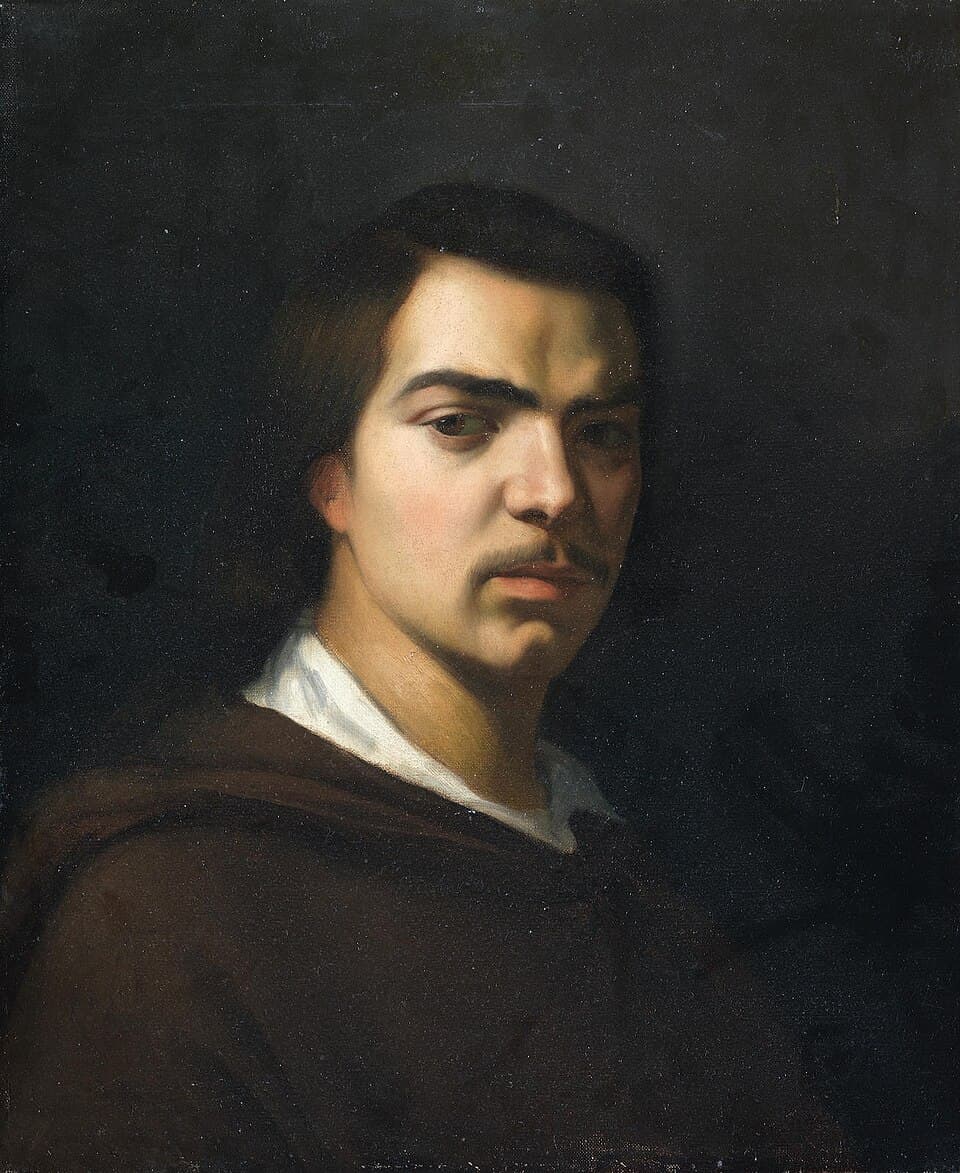
Two young visitors of twelve push open the door of a house in Passy, Paris. A gentleman in a long white robe awaits them, a steaming cup of coffee in hand. He smiles: "Sit down, my curious little ones."
—What's that weird white robe you wear to write?
You know, my child, it's my white monk's robe, like a monk's habit in a monastery. When I put it on, I'm no longer a gentleman of the city. I become a soldier going into battle against the blank page. Picture a large room, at night, lit only by candles. Not a sound outside, just the horses in the street. Me, in a white robe, scratching at the paper with my goose quill. It's my secret uniform. As long as I wear it, I must write. Otherwise, I feel like I'm cheating my work.
This white robe is my battle uniform against the blank page.
—Is it true you drank 50 cups of coffee a day? That must hurt your stomach!
Ah, you're right, it's not reasonable! But listen. I got up at midnight, when everyone was asleep. And I wrote until noon without stopping. Twelve hours, my child, can you imagine? To stay awake, I drank black coffee, very strong, from my pewter coffee pot. Cup after cup, all night. My heart raced, my ideas ran. It was my fuel. I only stopped when the ink ran out or my fingers were too numb to hold the quill. Never do as I do: it was that coffee that eventually wore out my poor heart.
Coffee was my fuel to write from midnight till noon.
—Why did you have a secret exit in your house?
Ah, that! It's a somewhat shameful story. All my life, I had debts. Lots of money I owed to people. Those people, we call them creditors, they would come knock on my door to demand payment. So, in my apartment on rue Raynouard, in Passy, I had a small hidden door built. When a creditor rang at the front, hop, I slipped out the back, down a secret staircase. Sometimes I even used a false name so they wouldn't find me! Imagine a big man in a robe fleeing like a thief down his own stairs. That was my life, my child.
I had a secret door to escape those I owed money to.
—How did you end up with so much debt?
It all started in 1825. I had an idea: become a printer and publisher, make books to earn a lot of money. But I wasn't good at business! My company failed, and I found myself buried in enormous debts. So I was forced to write, write, write, to pay them back. I even said one day that I was chained to my table like a galley slave to his bench. The galley slave is the prisoner who rows on a ship, chained. Well, I rowed with my pen. But you know what? Maybe it's thanks to those debts that I wrote so much.
I was chained to my table like a prisoner to his oar.
—What exactly is The Human Comedy? Is it a single book?
No, my child, it's much bigger! Imagine a huge house with more than ninety rooms. Each room is a different novel. But all the rooms are connected. That's The Human Comedy. My idea was to paint all of French society of my time: the rich, the poor, the misers, the ambitious. Over two thousand characters living together! You know Buffon, the scientist who described all the animals in nature? Well, I wanted to do the same, but with humans. Describe every type of person as one describes every animal.
Buffon described all animals; I wanted to describe all humans.
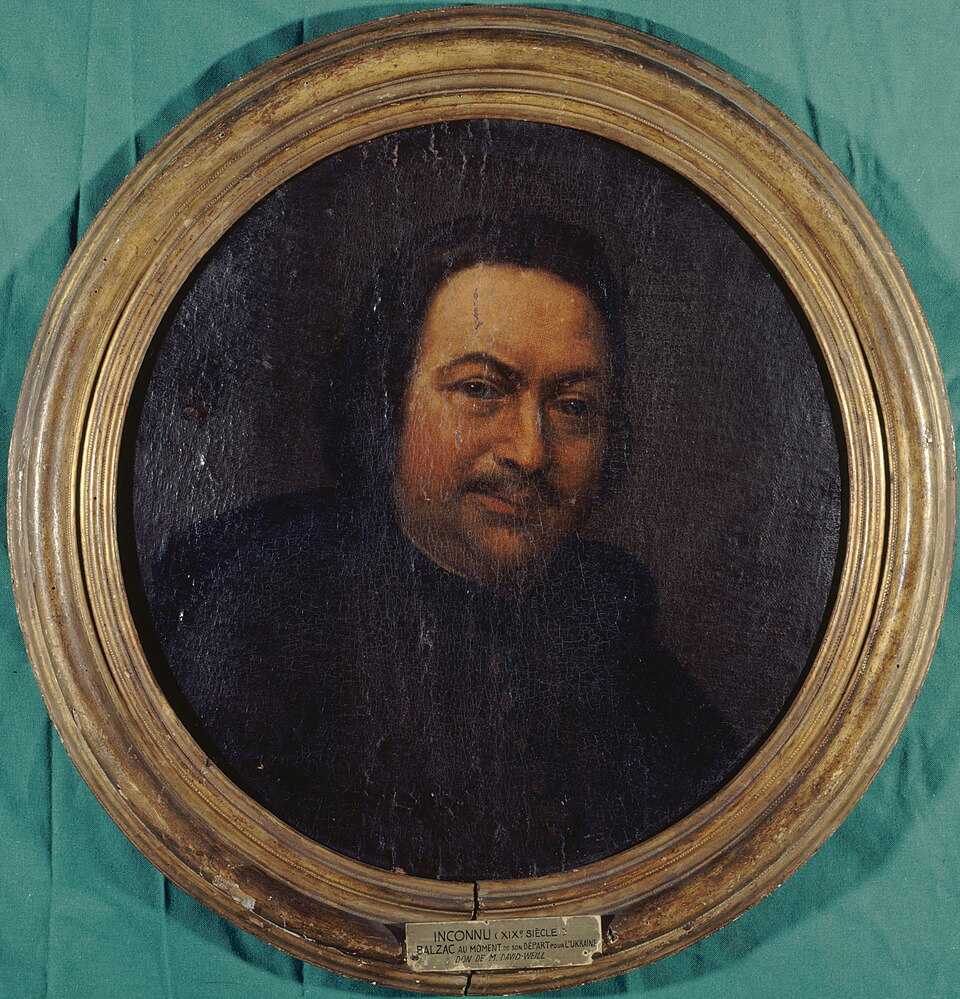
—And what did you think you were doing writing all that? A great artist?
No, and that's the funny part! I didn't think of myself as the king of history. I said: French society was to be the historian, I was only to be the secretary. You know what a secretary does? He listens, observes, and notes everything. Well, I observed people in Parisian salons, their quarrels, their loves, their betrayals. And I took notes. I didn't fabricate society: I copied it into my notebooks. My job was to watch real people and turn them into characters more real than life.
Society wrote history; I was merely its secretary.
—Who is Rastignac? I've heard the name but I don't know what it means.
Ah, Rastignac! He's one of my favorite characters, in my novel Le Père Goriot. Imagine a young man from the countryside, poor, who arrives in Paris. He lodges in a miserable little boarding house, the Pension Vauquer. And there, he discovers wealth, high society, the salons. So he vows to succeed, at any cost, even if he has to trample others. This boy became so famous that a word was coined from his name: rastignacisme. It means the fierce ambition of a young man ready to do anything to climb the social ladder. You might know some little Rastignacs around you!
Rastignac is the young man ready to do anything to succeed in Paris.
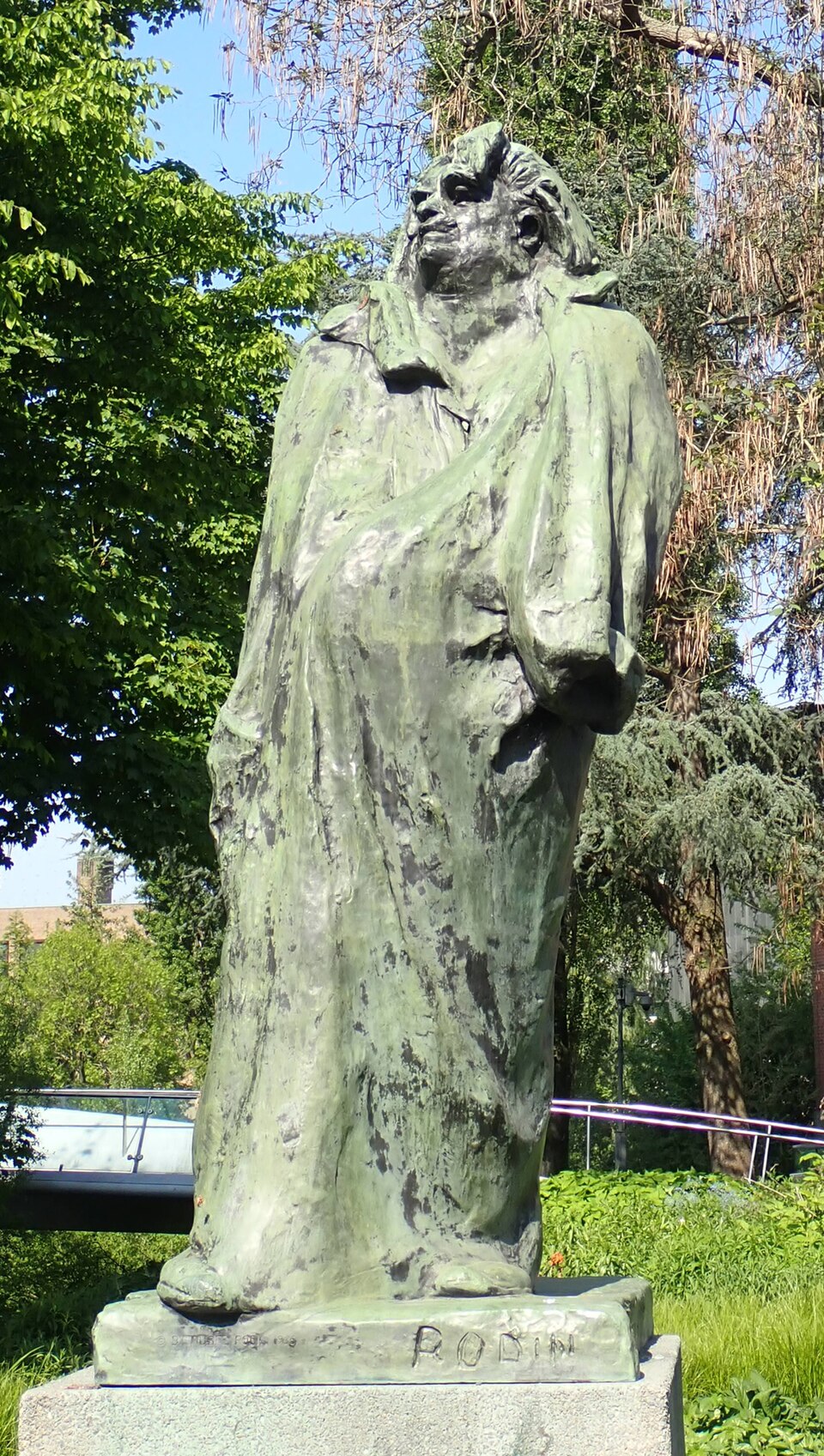
—Did you meet mean people like that in real life?
Of course, my child! My characters, I didn't invent them all by myself in my head. I made them by mixing several real people I had encountered. In my time, under King Louis-Philippe, money had become king. You saw young provincials arriving in Paris, ready to do anything to enter the faubourg Saint-Germain, the noble quarter. I observed these ambitious types in the salons, I saw their false smiles, their calculations. Money and ambition make people hard, sometimes cruel. My novels were a mirror: I held that mirror up to my era so it could see its true face.
My novels were a mirror held up to my era.
—Is it true you waited eighteen years to get married?
Yes, my child, eighteen long years. Starting in 1833, I began writing letters to a Polish countess, Ewelina Hańska. She lived very far away, in another country. We almost never saw each other. So we wrote, again and again, hundreds of letters across all of Europe. Imagine: no quick way to talk, just letters that took weeks to arrive by horse. I awaited each reply like a treasure. For eighteen years, this distant woman was my great love, my secret dream while I worked like a galley slave.
For eighteen years, I loved her through letters and across borders.
—And after all that time, did it end well for you two?
Ah... that's the saddest story of my life. In March 1850, I finally married my Ewelina. After eighteen years of waiting, my dream came true! But you know, my child, I was already very tired. All those sleepless nights, all that coffee, all that galley-slave work had worn out my body. Only five months after the wedding, I died, exhausted. I barely had time to enjoy that long-hoped-for happiness. That's why I tell you, you who are young: don't always put off your happiness. Time flies faster than you think.
Don't always put off your happiness: time flies.
This imaginary interview was generated by artificial intelligence from sources documented in Honoré de Balzac's profile. It dramatises what the figure might have said based on what we know about them, but does not constitute attested historical testimony. For primary sources and factual documentation, refer to the full profile.