Kids interview Jean Calvin
by Charactorium · Jean Calvin (1509 — 1564) · Spirituality · 5 min read
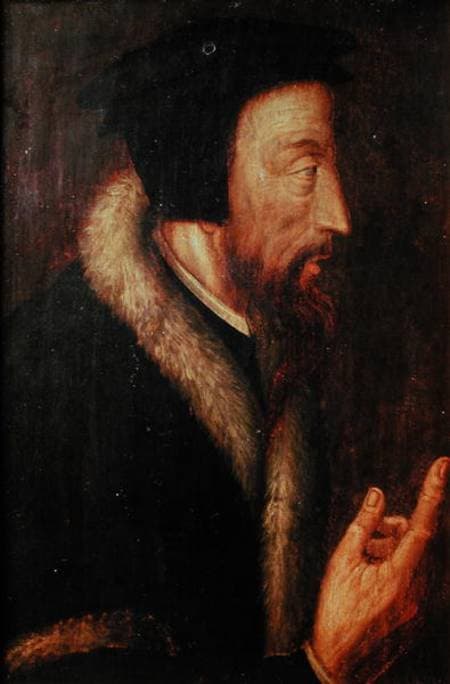
That morning, two young visitors about twelve years old entered a cool room with stone walls. Seated simply, dressed in his black robe, a man with a tired but gentle gaze awaited them: John Calvin. Intimidated at first, then overcome with curiosity, they dared to ask their first questions.
—Why did you leave the Church you were born into?
It's a story that took time, you know. My father first wanted me to become a priest, then sent me to study law at Orléans and Bourges. There, I met scholars called the evangelicals: they wanted to return to the Bible, read simply, without all the decoration. Little by little, my ideas changed. Then, around 1533, something shifted in me, all at once — I called it my sudden conversion. Imagine walking in fog for a long time, and one morning the sky clears. That's what I felt. I could never go back.
—How old were you when you had to flee Paris?
You know, my child, I was twenty-five. In October 1534, one night, posters against the Mass were plastered all over Paris — even on the door of King Francis I's chamber. This is called the Affair of the Placards. The king became furious. People were arrested, burned. Imagine a city where every knock on your door could be your last. I had to flee, hidden, under a false name: Charles d'Espeville. I was no longer Jean. I walked eastward, with a heavy heart, leaving everything behind. It's hard, you see, to become someone else to stay alive.
It's hard to become someone else to stay alive.
—Is it true you were only supposed to stay one night in Geneva?
Yes, it's absolutely true! In 1536, I wanted to reach Strasbourg to study and write in peace. Geneva was just a stop, one night, nothing more. But a man lived there, a reformer with a fiery character: Guillaume Farel. When he learned who I was, he begged me to stay and help him. I refused — I loved my books and my quiet. Then he became angry, almost like a storm, and warned me that God would curse my rest if I fled my task. I was afraid, my child. I gave in. And that single night became the rest of my life.
—Did you resent Farel for forcing you?
At first, a little, I admit! He had taken my peace. But he was a loyal friend. You see, in 1538, we were both driven out of Geneva together, after a dispute with the city authorities. I left for Strasbourg, where I led a church of French refugees for three years. It was there, by the way, that I married Idelette de Bure, a courageous woman. Those years away from Geneva calmed me. When I was called back, I understood that Farel had been right. Sometimes, my child, those who push us know us better than we know ourselves.
—What did you write in all those books?
My great book is called the Institutes of the Christian Religion. I began it young, around 1536, and revised it all my life, up to the French edition of 1560. Imagine a building built stone by stone over twenty-five years. Inside, I explain what I believe: that God alone saves, by his grace, and that the Bible is sufficient. I wrote with a pen and inkwell, at my table, often tired. I also sent thousands of letters across Europe. Words, you see, travel farther than a man. A page can cross mountains that my sick legs never could have.
Words travel farther than a man.
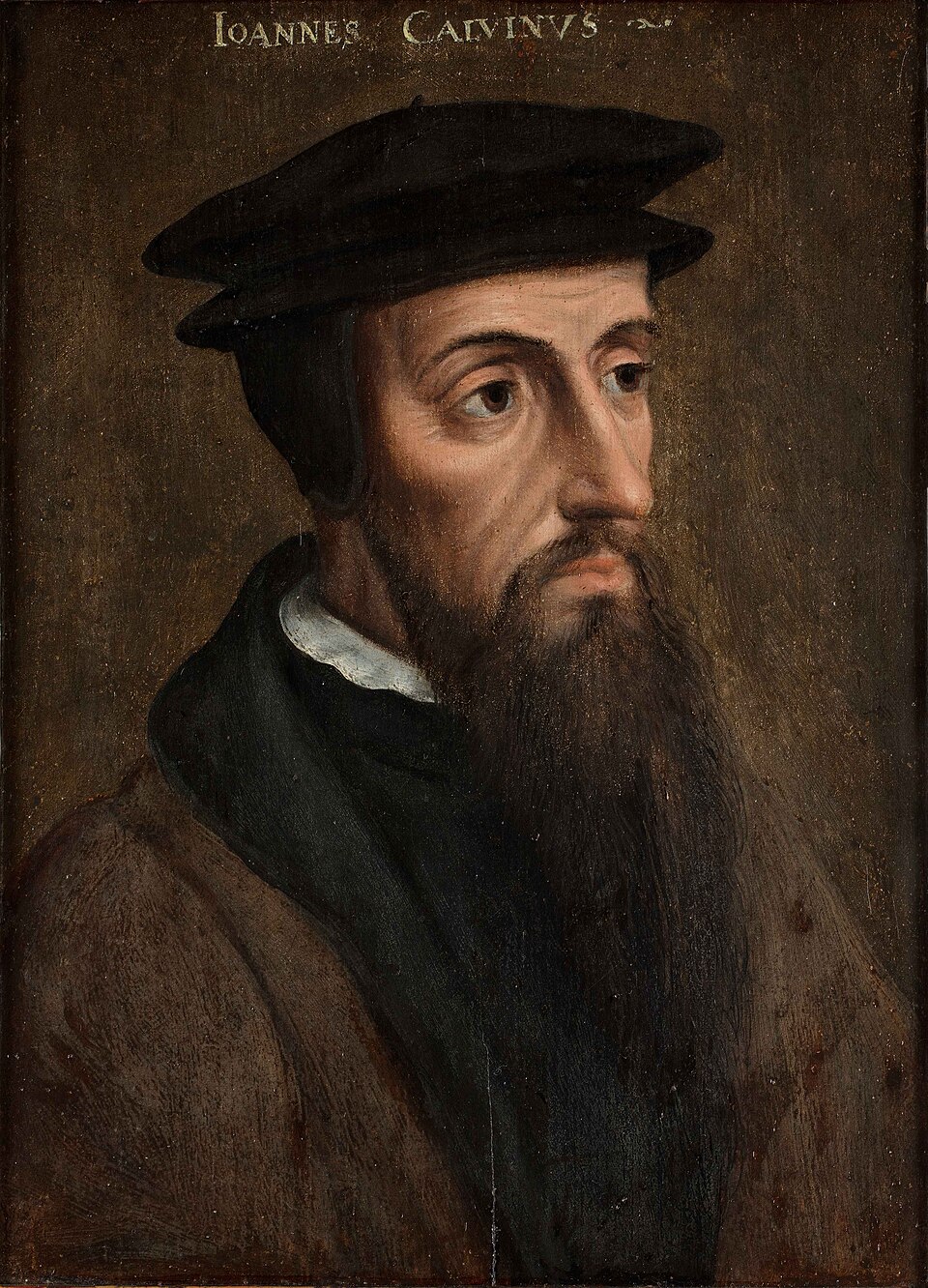
—How did you choose what to talk about in church?
Ah, that's a good question! Many preachers picked a small bit of Scripture here and there, according to the calendar. I did it differently. I opened a book of the Bible and read it in full, verse by verse, sermon after sermon. This is called lectio continua, which means continuous reading. Imagine reading a great story together, never skipping a page. On the single book of Job, I preached one hundred fifty-nine times! Job is the man who suffers yet still trusts in God. I, who was often sick, understood that man well.
—Is it true you watched how people lived in Geneva?
Yes, and I'll explain it frankly. In 1541, I wrote the Ecclesiastical Ordinances to organize the Church of Geneva. I defined four roles: pastors, doctors, elders, and deacons. And then the consistory: a council of pastors and laymen responsible for overseeing everyone's conduct. Imagine adults who remind you, gently or sternly, to behave well. Some hated it; they found the rule too harsh. I believed that a city faithful to God should be disciplined, like a family that stands straight together.
—Were there people who disagreed with you?
Oh yes, many! They were called the Genevan Libertines. They weren't bad people, you see: they loved their city and its old freedoms. They thought I commanded too much, that the consistory pried too deeply into their lives. For years, we clashed, sometimes harshly. Imagine a house where two families constantly argue over who decides. It lasted until 1555, when they lost the struggle. After that, I could act more freely. But I won't hide one thing: being right never fully consoles you for the quarrels you've been through.
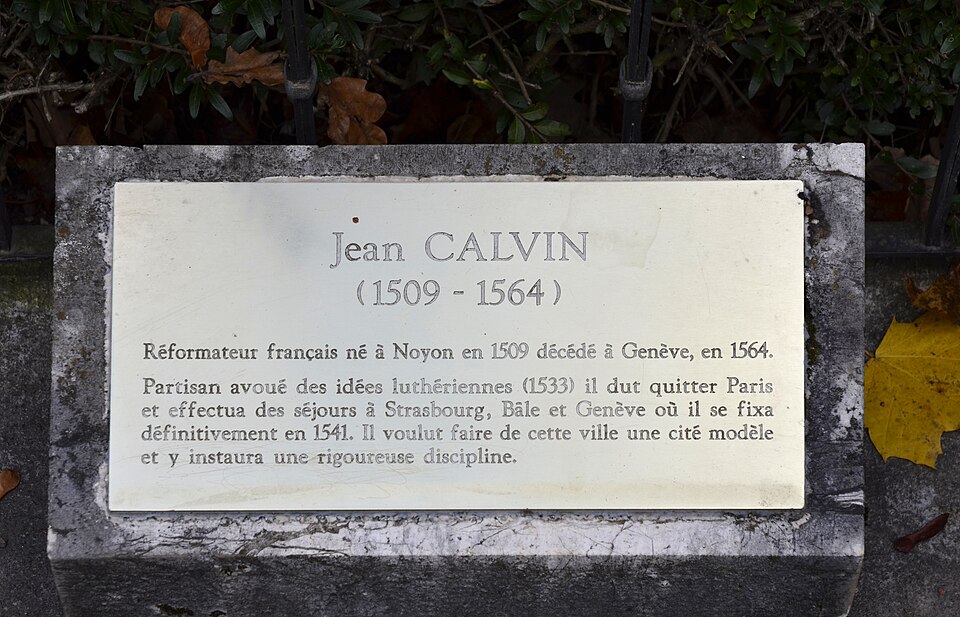
—You were often sick, weren't you?
Alas, yes, my child. All my life, my body caused me pain. Migraines that gripped my head, stomachaches, gout that inflamed my joints, and finally a cough that never let go — tuberculosis, which took me at fifty-four. Imagine waking up every morning with a weight in your whole body, and still having to speak, write, preach almost every day. I don't tell you this to complain. I tell you because work kept me standing. When you have a task to accomplish, you see, you forget your pain a little.
When you have a task to accomplish, you forget your pain a little.
—What did you eat in the morning?
Not much, I must admit! I ate simply: bread, vegetables, peas or beans, sometimes a little meat or fish. Toward the end of my life, one meal a day often sufficed. It was because of my sick stomach, but also out of conviction. I disliked luxury and gluttony. Imagine a table without gilding, without feast, just the essentials. I also wore a simple black robe, like all Reformed pastors. No embroidery, no gold. This sobriety wasn't sadness: it was a way of saying that what matters is neither in clothing nor on the plate.
—And today, what would you like people to remember about you?
You know, I never wanted to be celebrated. At my death, in 1564, I asked for an unmarked grave, without a cross, without an engraved stone. Not out of inverted pride, but because I wanted people to look at God, not me. If anything should survive me, I would like it to be the Academy of Geneva, which I founded in 1559 to educate the young. Imagine a school where you learn to read texts for yourself, without being told what to think. That is my true treasure: not my name, but what children still learn. You too, pass on what you receive.
My true treasure is not my name, but what children learn.
This imaginary interview was generated by artificial intelligence from sources documented in Jean Calvin's profile. It dramatises what the figure might have said based on what we know about them, but does not constitute attested historical testimony. For primary sources and factual documentation, refer to the full profile.