Imaginary dialogue between Thomas Gordon and Laskarina Bouboulina
by Charactorium · Laskarina Bouboulina (1771 — 1825) · Military · 5 min read
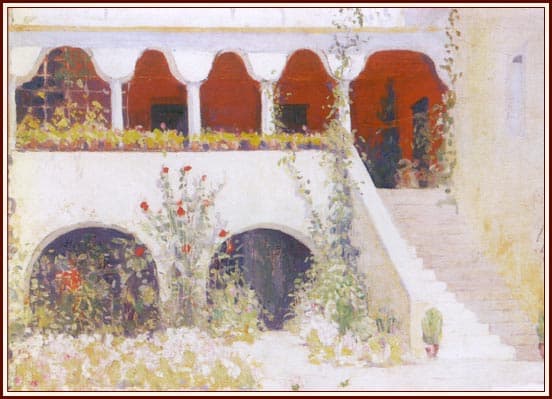
It is in the archontiko of Spetses, on a late afternoon in the summer of 1824, that Thomas Gordon meets Laskarína Bouboulína, on the terrace overlooking the port where her brigs still lie at anchor. The golden light falls on the pistols tucked into her belt and on a spyglass placed near a carafe of island wine. The Philhellene has known her since the first hours of the insurrection, having seen her at work in the blockades of the Peloponnese; he comes that day to gather, for his history of the revolution, the account she entrusts to no one. In the distance, the creaking of rigging occasionally covers their voices.
—Laskarína, you who received me here last year, tell me what your mother said about your birth — in a jail in Istanbul, so I have been told?
You have heard correctly, my friend Gordon. I came into the world in 1771 within the walls of a prison in Constantinople, where my mother had gone to visit my father, a Greek captain held by the Turks. One does not choose one's first setting, but I believe it branded me with iron: I breathed the air of the oppressors before that of the sea. You who have seen my rages understand where that part of me comes from that never bends. A child born behind Ottoman bars could only dream of breaking chains. The rest of my life has only completed what that cell began.
I breathed the air of the oppressors before that of the sea.
—It is whispered that you sold your jewels to build the Agamemnon. Is it true, Kapetánissa, that a woman paid with her own hand for the strongest ship of Spetses?
It is true, and I do not hide it. In 1820, I drew from the fortune my two husbands left me, then I sold my gold and my finery to arm the Agamemnon. They called me mad to sink so much wealth into a warship's hull. But what use is a widow's gold, if not to carry cannons? I took command myself, from the deck, spyglass in hand. You wrote it yourself, I believe: a widow of great fortune and great resolution. Resolution costs more than jewels, and I paid it without regret.
What use is a widow's gold, if not to carry cannons?
—I remember the accounts of that month of March: you raised the flag of revolt before the others. What was on your mind that day, Laskarína?
On March 13, 1821, I hoisted the standard of insurrection on my ships, right here, in this port you see. The leaders were still hesitating, waiting for the signal, the omens, the favorable hour. I was waiting for nothing more: I had waited enough since my birth. You know as well as I that a blockade is not decreed in drawing rooms — it is maintained on the water, through wind and patience. When my squadrons cut off the supplies of the fortresses of the Peloponnese, I understood that freedom was no longer a word, but a maneuver. I preferred to be first in danger rather than last in safety.
I preferred to be first in danger rather than last in safety.
—You who know the closed doors of the Filiki Eteria, how was a lone woman admitted into that brotherhood of men bound by secrecy?
They received me in 1820, and yes, I was the only woman to cross that threshold. Believe me, it was not out of gallantry. I had the ships, I had the gold, I had the shipowner's networks that ran from Marseille to Constantinople: a conspirator does not refuse such keys. In the evening, in that house, I gathered captains and initiates around the table you know, and we spoke in low voices of what was being prepared. They called me Kapetánissa — woman captain — and that word weighed heavier than a court title. In a man's world, I took my place not because it was offered to me, but because I armed it.
I took my place not because it was offered to me, but because I armed it.
—A strange thing is reported about Tripolitsa: that in the midst of the sack, you protected the women of the Ottoman harem. Why save the enemy, Laskarína?
What is reported to you is accurate. At the capture of Tripolitsa, in 1821, the city was drowning in blood and fury. My men saw Turkish women and children; I saw women and children. I interposed myself to snatch them from the massacre of the seraglio. They judged me harsh against the Ottomans at sea, and they spoke true: I waged a merciless war against them. But one thing is to fight cannons, another to slaughter mothers. The hatred I bear the oppressor does not go that far. A just cause dishonors itself when it strikes the unarmed.
One thing is to fight cannons, another to slaughter mothers.
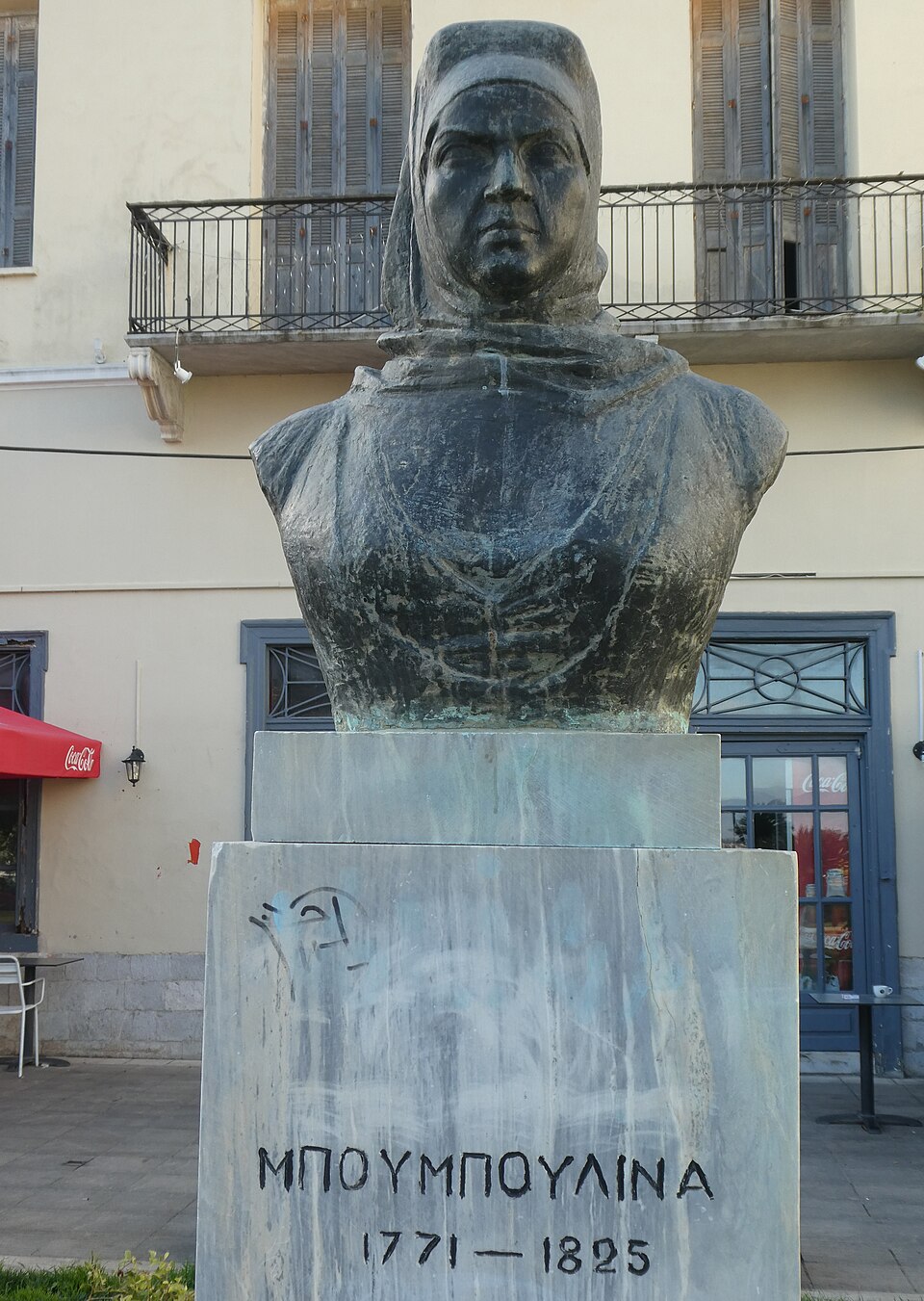
—When I saw you command from the deck, Kapetánissa, your captains obeyed without flinching. How does a shipowner get herself listened to by crews of tough men?
They did not obey a woman, Gordon; they obeyed the one who paid their wages, fed their bellies, and knew the sea better than they. I learned the shipowner's trade from my first marriage, in 1788, and I never stopped learning it at the shipyards and over charts. On the Agamemnon, I read the wind and the coasts of the Aegean as others read a prayer book. A man follows whoever knows where to steer the ship and where the supplies come from. My authority rested not on my voice, but on my coffers and my spyglass. The sea does not ask if you wear a dress — it asks if you hold the course.
The sea does not ask if you wear a dress — it asks if you hold the course.
—The siege of Nafplio still continues. They say they saw you, pistol in hand, go ashore. How much truth is there in these accounts, Laskarína?
Accounts always swell, you know that better than anyone, you who must sort truth from embroidery for your history. At Nafplio, from 1822, I led the naval blockade, held my squadrons before the fortress, strangled its supply by sea. Did I go ashore, pistol at my belt, to push my sailors? I carried these pistols all my life, and I did not carry them for ornament. Let legend keep its share — it serves the cause as much as a cannon. But remember this: at Nafplio, I did not watch the siege from my window; I was on the water, as close as possible to danger.
Let legend keep its share — it serves the cause as much as a cannon.
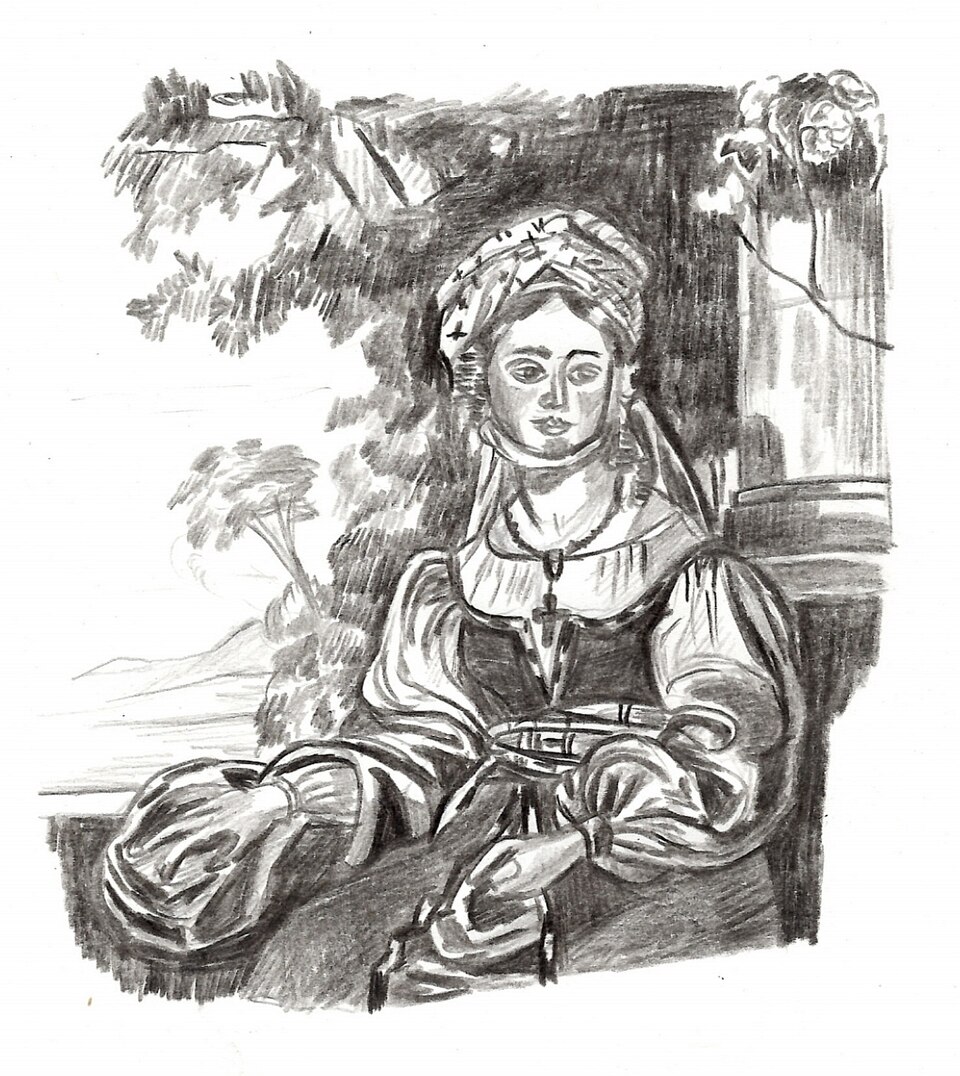
—Here you are relegated to Spetses this year, sidelined for your ties with the Kolokotronis family. How do you bear it, Laskarína, that your own people treat you thus?
You touch a wound there, my friend. To have given my ships, my gold, and my nights to this revolution, only to be set aside today because of my alliances — that is a wound the Turkish enemy never inflicted on me. The quarrels among Greeks cost me more than Ottoman cannons. I was born in a prison of the oppressor, and here I am a prisoner of the divisions of my own people. Yet I regret nothing: one does not take back the gold one has poured out, nor the blood one has risked. This island saw me arm a fleet; it will see me grow old without bowing my neck. The hardest thing, you see, is not fighting the foreigner — it is surviving your own.
The quarrels among Greeks cost me more than Ottoman cannons.
—In those evening meetings where you sometimes invited me, Laskarína, what weight did a woman's voice carry before the captains and notables of the island?
You saw those evenings, in the great hall where we lowered our voices as soon as the door closed. Do you think they listened to me out of politeness? A word weighs as much as the one who carries it. I brought ships, funds, and intelligence from my agents in Constantinople: that gives weight to a voice, even a woman's. The notables who would have ignored me at the market listened to me at that table, because revolution is not fed by bowing and scraping but by means. I spoke as an equal among equals not by favor, but because without my brigs their speeches remained just speeches. Secrecy makes men fairer: in the shadows, only usefulness is judged.
Revolution is not fed by bowing and scraping but by means.
—To finish, Laskarína: if I am to write one day who you were, what trait do you want me to remember beyond the battles and blockades?
Write what you saw with your own eyes, Gordon, not what songs will embellish. Remember that I armed ships with my own hand, led blockades, raised a flag before others — but remember also that at Tripolitsa I stayed the arm of my own soldiers. A heroine who only knows how to kill is just another weapon; I wanted to be more. I hated oppression without hating the weak, and that, I believe, is the only ornament I am proud of. The rest — the corvettes, the gold, the titles — the sea and time will erase. But that a woman could be both captain and just, that is what I entrust to your pen.
A heroine who only knows how to kill is just another weapon.
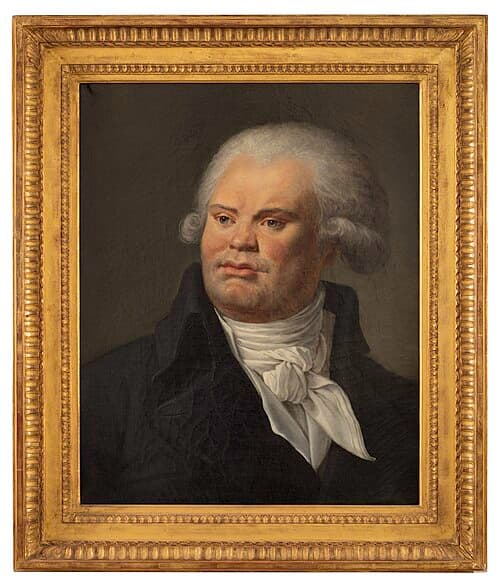
This imaginary interview was generated by artificial intelligence from sources documented in Laskarina Bouboulina's profile. It dramatises what the figure might have said based on what we know about them, but does not constitute attested historical testimony. For primary sources and factual documentation, refer to the full profile.