Imaginary dialogue between Roger de Rabutin, comte de Bussy (Bussy-Rabutin) and Madame de Sévigné
by Charactorium · Madame de Sévigné (1626 — 1696) · Literature · 5 min read
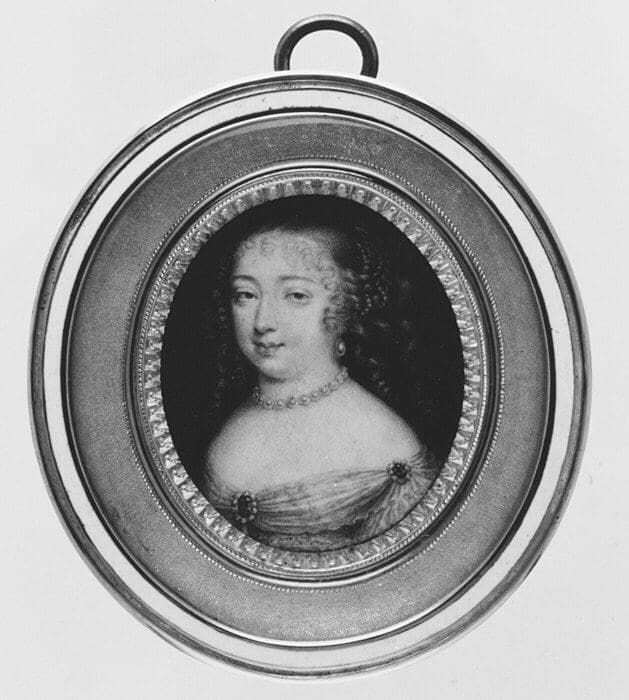
It is at the Château des Rochers-Sévigné, in Brittany, on an autumn evening in 1675, that Bussy-Rabutin meets his cousin Marie again. Candles flicker on the table piled with papers, goose quill, and sealing wax, and the scent of damp paths drifts in through the half-open window. Cousins since childhood, quarreled then reconciled, they have always shared that Rabutin salt that no one else can taste. Bussy, with a mischievous eye, comes to draw from his cousin what her pen hides from the rest of the world.
—My dear cousin, ever since your Françoise-Marguerite left for Provence with her comte de Grignan, they say you blacken paper every day. Is it grief that holds your pen?
You who know my Rabutin heart, you guess rightly. When my daughter left me in 1671 for that far-off Provence, I thought half of myself was being torn away. I cannot describe that pain without reopening it. So I write, my cousin, I write as one breathes: I tell her about Paris, the court, my estates, my troubles and my joys, so that distance may be but an ill dream between us. Each letter is a thread I stretch from Paris to Grignan so as not to lose her. I seek her at every hour, and constantly realize that I miss her. That is my whole work: loving from afar, on paper.
Each letter is a thread I stretch from Paris to Grignan so as not to lose her.
—I know you are an early riser. They claim you write even before finishing your toilette. Tell me then about your daily craft, you who know its art better than I.
You mock me, you who write me such fine pages! Yes, I rise early, and the pen comes to my fingers before the mirror. I write for an hour, two hours, with a hasty hand, while a friend sometimes entertains me with news of the city. A letter is folded, sealed with wax, bears the house seal, then goes off by coach and post — and God knows the time and money needed for it to reach Grignan! The port à la main costs me enough that I complain of my purse. But no matter: it is my dearest work, and I know none sweeter.
The pen comes to my fingers before the mirror.
—Cousin, all Paris trembled at your letter about the death of poor Vatel. Were you at Chantilly that day, or do you know only what was reported to you?
I was not there, my cousin, but I gathered the story while it was still hot and sent it to my daughter. Imagine that man: steward to the great Condé, seeing at eight in the morning that the seafood had not arrived for the king's feast, he could not bear the dishonor he thought he had brought upon himself, and killed himself with his own sword. What a soul! To die for a point of honor, like a soldier on the field. I told the thing as it was, without embellishment, for the truth surpassed any invention. That is what a letter can do: keep alive what would otherwise vanish with the banquet meats.
To die for a point of honor, like a soldier on the field.
—You also told of the execution of Brinvilliers, that poisoner. How does a lady of your rank find the heart to go see such horror?
Ah, cousin, you touch on a mixture that troubles me myself! All Paris flocked there, and I was not the last. That woman had poisoned her father and brothers, and justice burned her in the Place de Grève. Her poor little body thrown into the fire, and the ashes to the wind: so, I wrote to my daughter, we would henceforth breathe her in. You see the turn I give to things — horror and curiosity mingle in me, and I cannot disentangle them. Perhaps it is a flaw of our Rabutin blood, this taste for looking everything in the face, even the frightful. But a faithful chronicler does not look away.
Horror and curiosity mingle in me, and I cannot disentangle them.
—Let us speak of a more serious matter between us. When they arrested your friend Fouquet and gave him that long trial, you did not bow your head. Did you not fear the king's anger?
I feared it, and I wrote nonetheless. During that trial, in 1664, I sent M. de Pomponne the account of each hearing, my heart heavy for our friend. It was clear the king wanted to ruin him, having preferred Colbert to him; but to abandon him would have been a cowardice that the Rabutins do not forgive. I wished him good nights and fine days, he who took so much part in persons afflicted. To stand by a disgraced man is to expose oneself — you know that better than anyone, you who have known exile. But friendship that bends at the first storm does not deserve its name.
Friendship that bends at the first storm does not deserve its name.
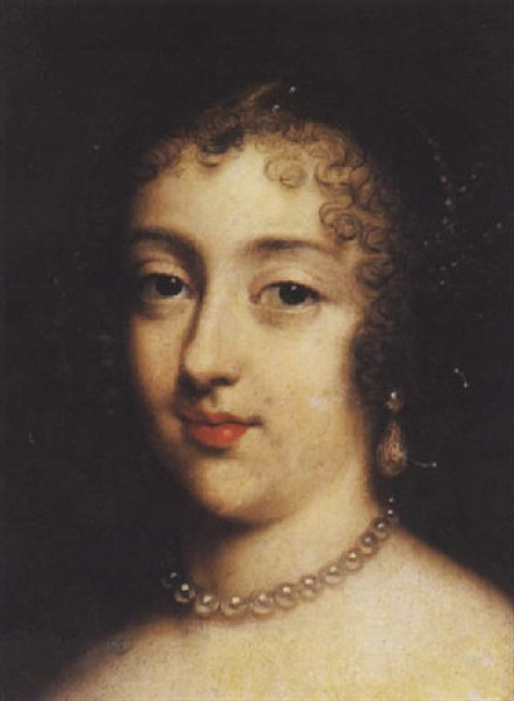
—Remember our younger years, when you were taken to the Hôtel de Rambouillet. What did you learn in those salons where every word was weighed?
What times, my cousin! I was very young when I was introduced to Madame de Rambouillet's circle, among Voiture, Corneille, and the précieuses. There I learned what still serves me: that nothing equals the right word, the light touch, the wit that brushes without pressing. Conversation was made an art, and language a pleasure. That is where my taste was formed, listening to those fine minds spar with finesse. Later I cherished La Rochefoucauld, La Fontaine, and so many others. What I put into my letters I owe in large part to those salons: they showed me that writing is chatting with the one you love, but more carefully.
Writing is chatting with the one you love, but more carefully.
—I am told that the death of La Rochefoucauld last year greatly affected you. What do we lose when such a friend departs?
We lose a companionship that nothing can replace, cousin. That man had the most subtle mind and the surest judgment I have ever known; at Madame de La Fayette's, we spent evenings where every word counted. His conversation was worth more to me than all books. When a friend of that caliber passes away, a whole part of our own mind grows dim, for there is no one left to make it shine by responding. I feel that void with every fine thought that comes to me and that I can no longer bring to him. That is the misfortune of living long: we bury those who understood us at half a word.
That is the misfortune of living long: we bury those who understood us at half a word.
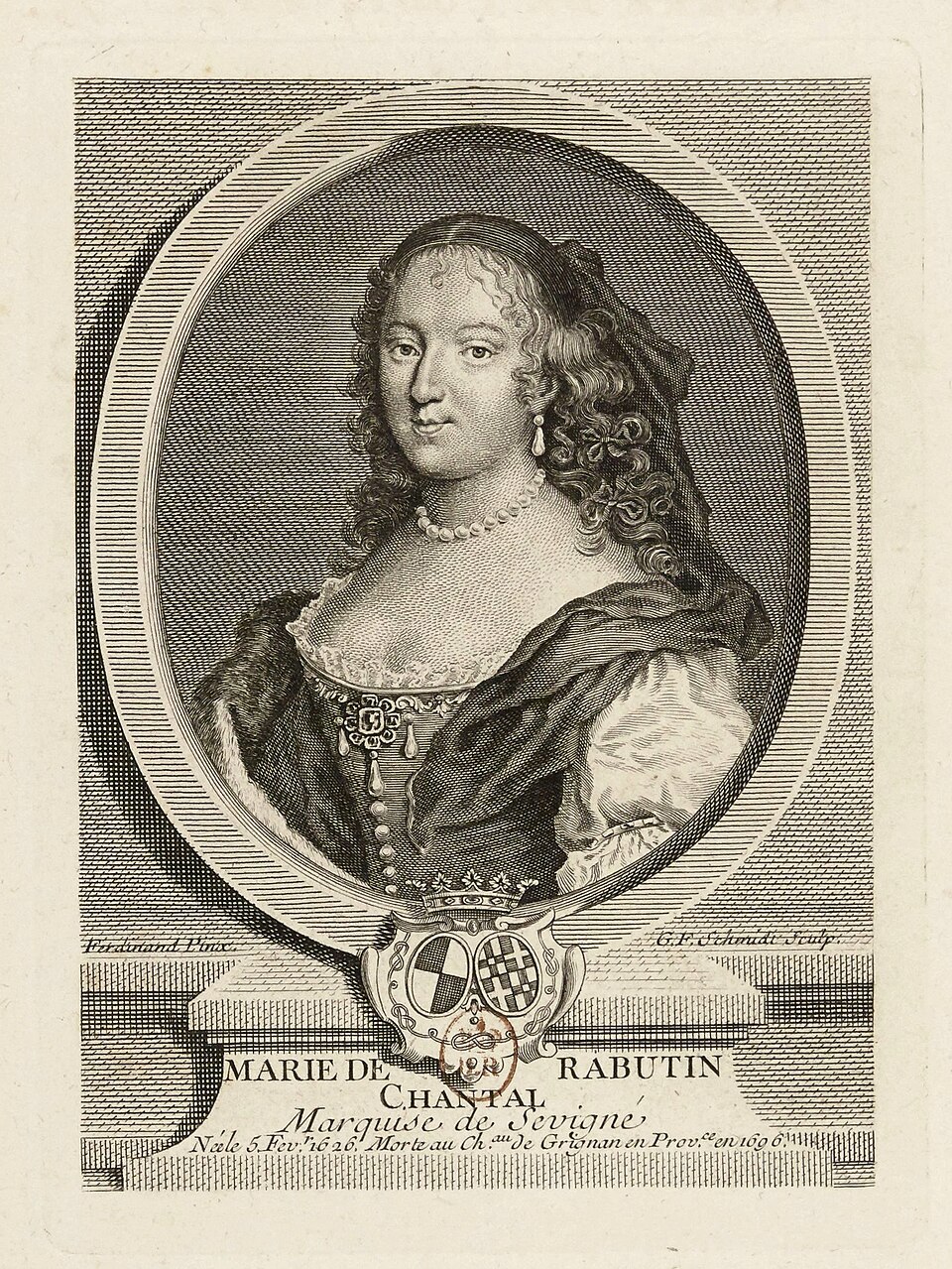
—Let us return to your daughter, since she is your passion. Do you never fear that so many letters might weary that countess of Grignan, busy with her Provence?
You put your finger on my tenderest worry, wicked cousin! Yes, I sometimes fear to overwhelm her, and I catch myself, I moderate, I promise to be shorter — then my pen carries me away and I forget my resolution. The truth is, writing to her I am with her, I see her castle, I worry about her health, her confinements, her husband the governor. A mother who loves like that does not know how to be silent. If my letters weary her, let her tell me; but let her answer me, even if only three lines, for her silence hurts me more than my length can hurt her.
A mother who loves like that does not know how to be silent.
—You who travel so much between Paris, these Rochers where we are, and Provence, do these long roads not weigh on you, at your age?
They weigh on me and please me at the same time. The coach jolts, the roads are bad, and it takes days to go from one end of the kingdom to the other; but I love these journeys, for they give me things to tell. Here, at the Rochers, I manage my estates, I walk under my avenues, I read in the shade, and my spirit returns to write. In Paris, it is the court, the news, the noise of the world. Each place feeds my pen with different matter. A letter dated from Brittany does not taste the same as a letter from Paris, and my daughter, I think, likes to follow me thus from one stay to another as one follows a story.
Each place feeds my pen with different matter.
—One last thing, cousin. You and I have always written with that freedom of tone that is our own. Do you not fear that one day these letters might fall into other hands?
With you, my cousin, I write without ceremony, for we understand each other with a wink and the Rabutin salt needs no spelling out. But these letters, I toss them into the post without thinking of posterity — they are moment's chats, made for the one who opens them, not for glory. Think of what you yourself suffered for your too-free pen! If I weighed every word for fear it might be read one day, I would no longer write anything worthwhile. I prefer to be true and risk indiscretion, than to be prudent and cold. A letter that calculates is no longer a letter: it is a harangue.
I prefer to be true and risk indiscretion, than to be prudent and cold.
Read further
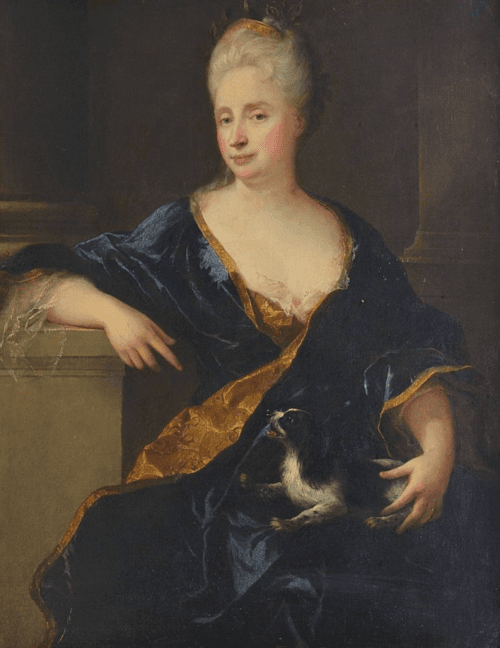

This imaginary interview was generated by artificial intelligence from sources documented in Madame de Sévigné's profile. It dramatises what the figure might have said based on what we know about them, but does not constitute attested historical testimony. For primary sources and factual documentation, refer to the full profile.