Kids interview Madame de Sévigné
by Charactorium · Madame de Sévigné (1626 — 1696) · Literature · 5 min read
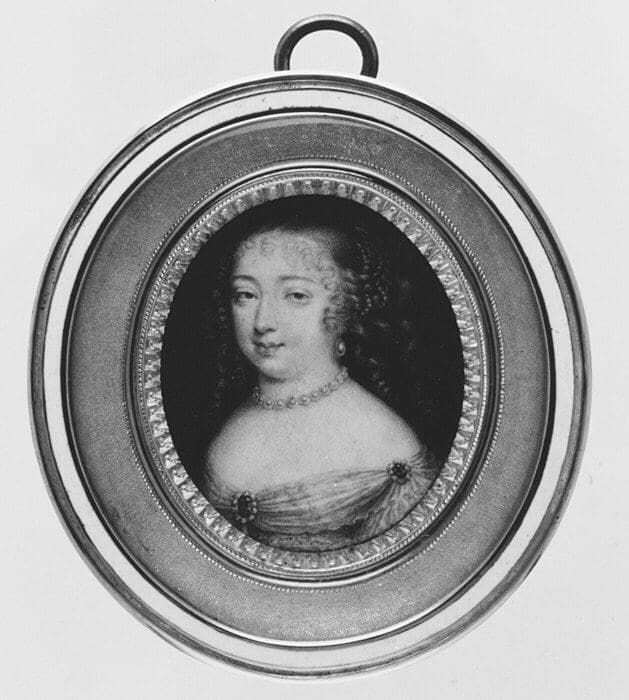
Two twelve-year-old visitors push open the great door of the Hôtel Carnavalet, in the Marais district of Paris. A smiling lady, a quill pen in her hand and ink on her fingers, invites them to sit by the window. She has so many letters to finish, but the desire to chat with them is stronger.
—Why did you start writing so many letters?
You know, my child, it all came from a great sorrow. In 1669, my daughter Françoise-Marguerite married the Comte de Grignan. And then he took her away, far away to Provence, at the other end of the kingdom. Imagine that the person you love most goes to live weeks away by horse from your home. My heart was torn out. So I did the only thing left to me: I wrote to her. Almost every day. Pages and pages. At first, I just wanted to feel that she was still near me. I didn't know that this absence would become thousands of letters.
I didn't know that this absence would become thousands of letters.
—What was it like to say goodbye to your daughter?
It was like a pain I didn't even want to describe. I'll tell you frankly: I looked for her everywhere in the house. Every hour, I realized I missed her. You know what it's like when you turn around to speak to someone and they're no longer there? That was it, but all day long. The mail took several days to go from Paris to Grignan. So between two letters, I waited. I waited for the post coach as one waits for a treasure. Writing was my way of filling the void between us.
I looked for her everywhere, every hour I realized I missed her.
—Is it true that a cook killed himself because of a fish?
Alas, yes, and it's a story I was one of the first to tell. In April 1671, at the Prince de Condé's estate in Chantilly, there was a great feast. The steward was named Vatel. Imagine a man responsible for an entire banquet for the king: hundreds of guests, and everything must be perfect. At eight in the morning, the tide — that is, the fresh fish ordered — did not arrive. Vatel thought he was dishonored. He could not bear the affront, and he killed himself. When I told this story in a letter to my daughter, I never thought I would become the main source of that famous tale.
A man thought himself dishonored because of a fish that didn't arrive.
—Did you really see executions? Wasn't it too horrible?
Yes, my child, it was terrible, and yet I did not look away. In 1676, I attended the execution of the Marquise de Brinvilliers. She had poisoned her father and brothers. In my time, these punishments were carried out in public, in a large square, before the crowd. I wrote to my daughter that her poor little body had been thrown into a great fire, and the ashes scattered to the wind. It was horrible and fascinating at the same time. You know, telling such a thing is not about loving blood. It is about keeping a record for those who were not there — like you, today.
Telling a terrible thing is not about loving it: it is about keeping a record.
—Did you also write when important people died?
Yes, and some of that news broke my heart. In August 1675, I learned of the death of the great Marshal de Turenne, killed in war. It was terrible news. I wrote to my daughter that the whole army had burst into tears. You see, I was not a historian in an office. I was a woman who lived through these events, who trembled at them, who wept. My letters are History told by someone who feels it. That is why, centuries later, they are still read: you can hear a heartbeat, not just dates.
My letters are History told by someone who feels it.
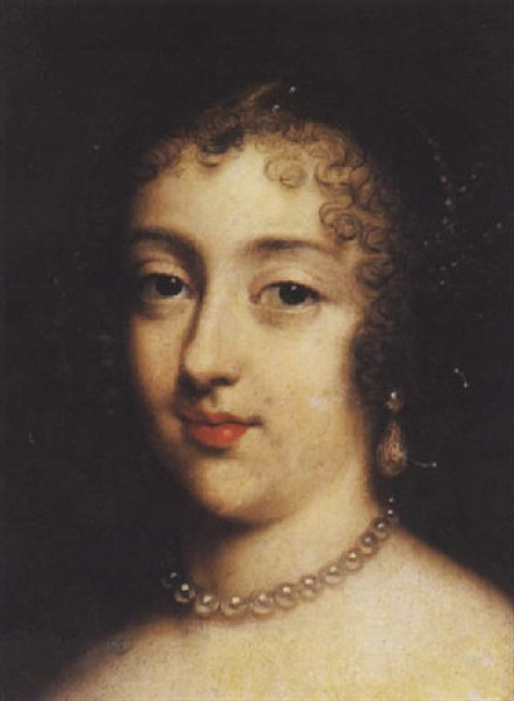
—Did you have a friend arrested by the king? Were you afraid?
Yes. My friend was named Nicolas Fouquet, the Superintendent of Finances — that is, the minister in charge of the kingdom's money. In 1661, King Louis XIV had him arrested suddenly, because he found him too powerful. Many of his friends immediately abandoned him, out of fear. Not me. I followed his trial with anxiety, and I wrote to my friend Pomponne to talk about it. You know, it was risky. When the king is angry, it is better to keep quiet. But abandoning a friend because he has fallen — that, I could never do.
Abandoning a friend because he has fallen — that, I could never do.
—What was the danger if the king got angry at you?
The great danger, my child, was called disgrace. That meant losing the king's favor. And when you lost it, you could be banished from court, or even imprisoned, like poor Fouquet. Imagine that your entire world — your friends, your position, your honor — depends on the smile of one man. In my time, that is how it was. So writing letters to defend a condemned man was like walking a tightrope. But I did it with caution, confiding my true thoughts to trusted friends. Courage is not about being reckless. It is about staying loyal even when you tremble.
Courage is not about being reckless: it is about staying loyal even when you tremble.
—What was it like to write a letter in your time? Complicated?
Oh, it was quite a craft! I took my quill pen — a real bird feather sharpened to a point — and dipped it in the inkwell. I wrote with a tight hand, quickly, sometimes for several hours. Then I folded the sheet, sealed it with wax and my family seal. And after that? I had to wait for the post coach, which took days to reach Provence. Postage was expensive, and often the recipient paid part of it. Imagine waiting a week for a single word from someone you love.
Imagine waiting an entire week for a single word from someone you love.
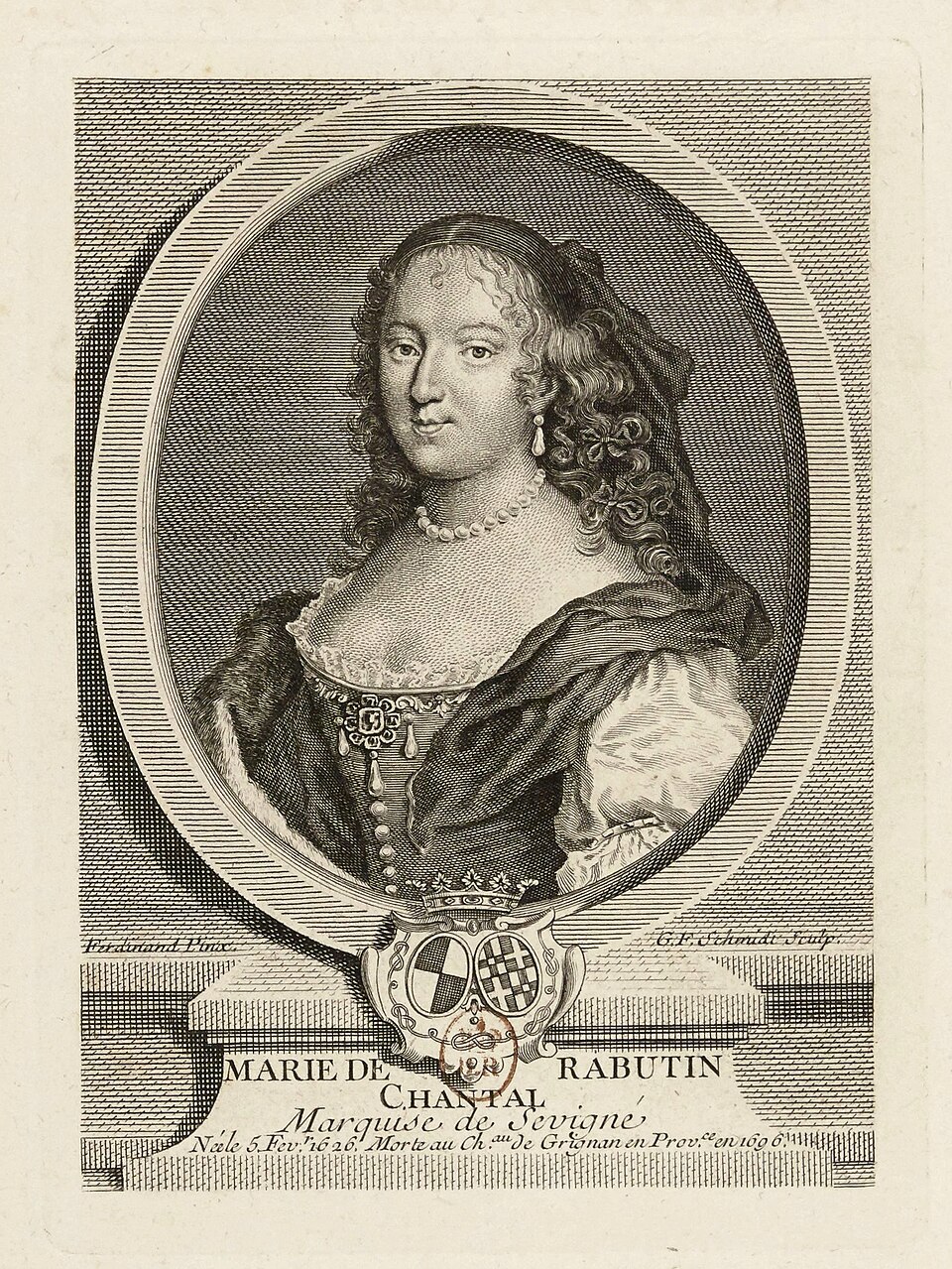
—What time of day did you write?
In the morning, my child, almost always in the morning! I got up early, and even before I finished my toilette, I already had the quill in hand. Sometimes friends came to see me while I was dressing — it was the fashion among great ladies to receive like that. We would chat about news from court and town, and meanwhile, I wrote. You see, writing was not a separate task for me. It was breathing. My days were full of visits and walks, but my daughter always had her letter. It was my first gesture, as others say a prayer.
Writing was not a separate task: it was breathing.
—Did you know famous writers in person?
Yes, and what luck I had! At a young age, I was introduced to the Hôtel de Rambouillet, the most famous literary salon in Paris. A salon was a large house where we gathered to talk about books, poetry, everything. I crossed paths with the greatest minds: La Rochefoucauld, who was my close friend, La Fontaine, Corneille. Imagine a room full of people who love words, who play with language, who laugh at a good verse. This refinement was called preciosity. When La Rochefoucauld died in 1680, I was deeply saddened.
A salon was a room full of people who love words.
—Did other writers think your letters were well written?
You know, my child, I never thought I was writing a great work. For me, they were just letters to my daughter! But in the salons, my judgment on books was respected. When I read a novel or a play, I gave my opinion, and people listened. The funniest thing is that I just wanted to talk to Françoise-Marguerite, and now these pages have become, long after my death, one of the treasures of the French language. The lesson? You don't make a masterpiece by deciding to. You make it by writing with your heart, simply.
You don't make a masterpiece by deciding to: you write it with your heart.
Read further
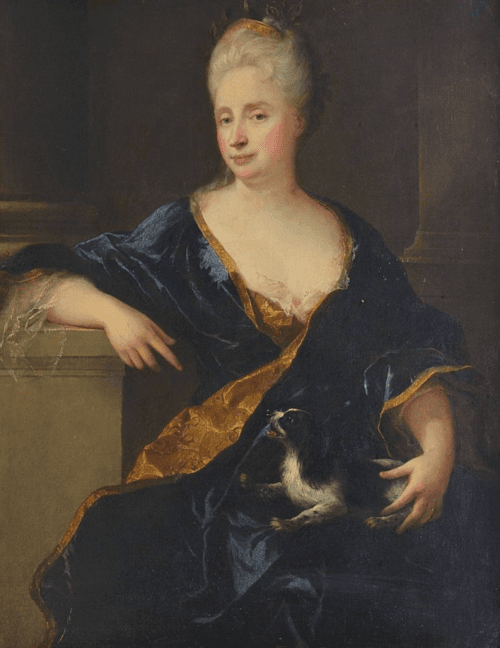

This imaginary interview was generated by artificial intelligence from sources documented in Madame de Sévigné's profile. It dramatises what the figure might have said based on what we know about them, but does not constitute attested historical testimony. For primary sources and factual documentation, refer to the full profile.