Imaginary dialogue between Voltaire and Marivaux
by Charactorium · Marivaux (1688 — 1763) · Literature · 6 min read
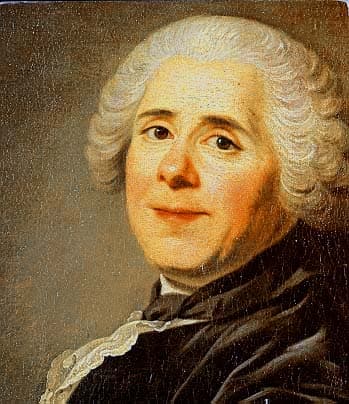
It is in Madame de Tencin's salon, one winter evening in 1746, that Voltaire meets Marivaux between two candelabras and the rustle of fans. The two men have known each other since the literary circles of Madame de Lambert, and the wound of 1742 — the year the Academy preferred Marivaux to Voltaire — has never fully healed. The philosopher comes this evening, with a mocking eye, to demand an account from this rival whose convoluted style he derides. Marivaux awaits him with the amused patience of one who has spent his life observing hearts.
—Marivaux, here we are at Madame de Tencin's. In 1742, the Academy preferred you over me: do you even know that?
My dear Voltaire, that is indeed the question the court has been whispering for four years, and you are the only one bold enough to throw it in my face. The truth? I did not solicit a single vote against you. The friends I made at Madame de Lambert's and at our hostess's spoke for me while I remained silent. You dazzle Europe; I content myself with observing hearts in a corner of the salon. That day, the Academy perhaps wanted to reward patience rather than brilliance. I know you have not forgiven me — your eye tells me so at this very moment. But between us, do you truly believe my seat has taken anything away from your glory?
—You frequent the literary circles of Madame de Tencin as I once did. What do you seek there, you who claim to do nothing but listen?
What do I seek there, Voltaire? Faces that betray themselves. In these salons, under the chandeliers, a woman lowers her eyes, a gentleman hesitates for a quarter of a second — and all the love in the world is there, in that nothing. You come to shine, to fire off a witticism that will make the rounds of Paris; I sit near a fan and watch. Madame de Lambert opened her doors to me when I was still a ruined young man, and it was there that I learned my true craft: not writing, but watching. My comedies are merely salons I have moved onto a stage. You laugh? You are wrong: your brilliant minds are my best models.
—They coined a word from your name, marivaudage, to mock your precious way of spinning love. Glory or insult?
An insult at first, I grant you — and you, Voltaire, were among the first to hiss at what you called my convolutions. They took my name and turned it into a mockery, like hanging a bell on a cat. But see the irony: this nickname may outlive me. For what do they reproach my marivaudage? Taking the detour when the heart dares not confess. Yet love, in life as on my stage, never advances in a straight line. It veers, it recoils, it says no to hear yes. Your tragedies carve into marble; my comedies follow the meanderings of a soul seeking itself. If they made a word from my name, it is because they needed to name that very thing.
Love never advances in a straight line: it veers, it recoils, it says no to hear yes.
—In your False Confessions, the valet Dubois pulls all the strings of a love affair. Are your servants cleverer than their masters?
Much cleverer, Voltaire, and that is the whole point. In False Confessions, Dubois leads his master to fortune as one leads a blind man; he knows Araminte's heart better than she knows it herself. Why do my servants see so clearly? Because they serve: he who serves observes, and he who observes knows. The master thinks himself free, but he merely obeys the springs set under his feet. I invent nothing — I have seen, in antechambers, lackeys read their masters like an open book. Putting intelligence on the servant's side is not a fancy: it is giving each the share of intelligence that their station denies them. That should please the philosopher you are.
—In The Game of Love and Chance, you dress Silvia as a servant and her valet as a master. Why this constant exchange of clothes?
Because clothing, Voltaire, is the greatest liar in the world — and the greatest revealer. Give Silvia a livery costume, and see what happens: she loves Dorante without knowing he is her equal, she loves him against her rank, against her reason, against everything she has been taught. Disguise strips my characters of their station to leave only the bare heart. If love withstands the livery, it is true. I love to see a mistress tremble at loving a valet, then breathe again upon discovering he was a gentleman — for that moment betrays everything the century does not admit about social conditions. My exchanges of clothes are not a carnival game: they are experiments on the soul.
Disguise strips my characters of their station to leave only the bare heart.
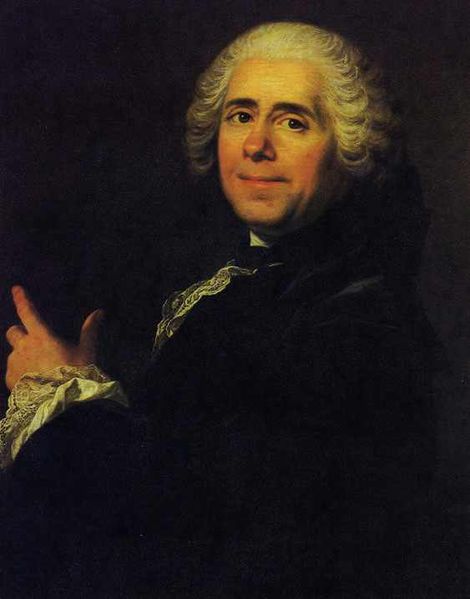
—You push the device to your Island of Slaves, where masters and servants trade places. Is that not a dangerous dream?
Dangerous? Perhaps, but I intended it to be gentle. On my Island of Slaves, I arm no one, I overthrow no throne: I merely exchange roles for the time of a lesson. The master becomes a servant, tastes the humiliation he inflicted, and ends up weeping with shame. Then each returns to their place — but the heart has changed. I am not one of those who dream of tearing everything down; I believe men are better corrected by being moved than by being slaughtered. You will find me timid, you who wield the whip of satire. But see: on my island, the slave who could take revenge chooses to forgive. Is that not a greater victory than all those won with pamphlets?
—They say that in 1720, the collapse of Law's system swept away your fortune. How does a man of letters survive such ruin?
Badly, Voltaire, one survives it very badly — you, who have managed to make your money grow, cannot know. In 1720, I had placed almost all my wealth in Monsieur Law's paper, and I saw that fortune melt away in a few weeks like April snow. Overnight, I had to live by my pen — no longer writing for glory, but for bread. Believe me, that changes a man. I came to know the waiting for a theater fee, the anxiety over a newspaper sheet that does not sell. But I do not curse this ruin: it threw me among the people, it stripped me of the rich man's folly. It was stripped that I saw clearly.
I do not curse this ruin: it threw me among the people and stripped me of the rich man's folly.
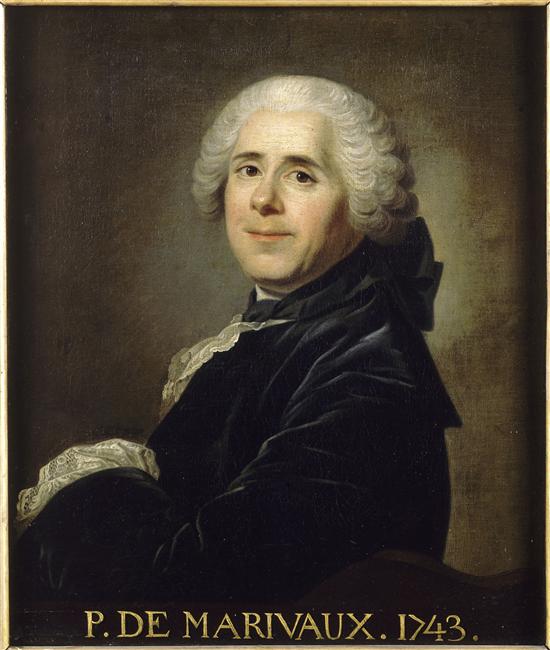
—In your Upstart Peasant, a bumpkin climbs to high society through women. Do you depict a scoundrel or a hero of our time?
Neither, Voltaire, or rather both together — that is what bothers you. Jacob, my upstart peasant, is not a villain: he is a lad who uses the weapons left to him, his face and his wit, for lack of birth and money. I neither condemn nor crown him; I watch him rise, and leave it to the reader to blush or applaud. Since my own ruin, I know what a name is worth and what it costs to have none. The age wants one to be well-born; I show that one can place oneself, even by back roads. That disturbs? So much the better. Comedy is not meant to lull, but to make one see.
—You give your plays to the Italian Comedians rather than to the Comédie-Française, where mine are performed. What does that foreign troupe offer you?
Life, Voltaire, quite simply life. At the Comédie-Française, they declaim, they pose, they respect the rhythm of verse like a soldier obeying orders; everything is beautiful and a little dead. My Italian Comedians, on the other hand, act like breathing: they improvise a gesture, they seize a silence, they let naturalness pass between the lines. My theater resides in these nothings — a withheld glance, a suspended word — and it requires actors who know not to say everything. The French troupe is made for your thundering heroes; mine, for my hesitant lovers. To each his stable, my friend. I do not dispute your tragedians; leave me my Italians, who know that love is played out mainly in what is left unsaid.
—This Silvia, this Harlequin you take from the Commedia, are you not afraid of being taken for a maker of Italian farces?
Let them think that, I care not. Harlequin under his motley mask, Silvia under her false attire, these are my best servants. I took the figures from the Commedia, it is true, but I gave them a soul they did not have: my Harlequin is no longer merely the buffoon who takes the beatings; he loves, he reasons, he has his share of heart. The mask, you see, does not hide — it liberates. Beneath it, the actor dares what the bare face would never dare. If they think me a maker of farces, let them look closer: beneath Italian laughter, I have slipped all the melancholy of love. Carnival is but a pretext; what I paint beneath is the seriousness of feelings.
Read further
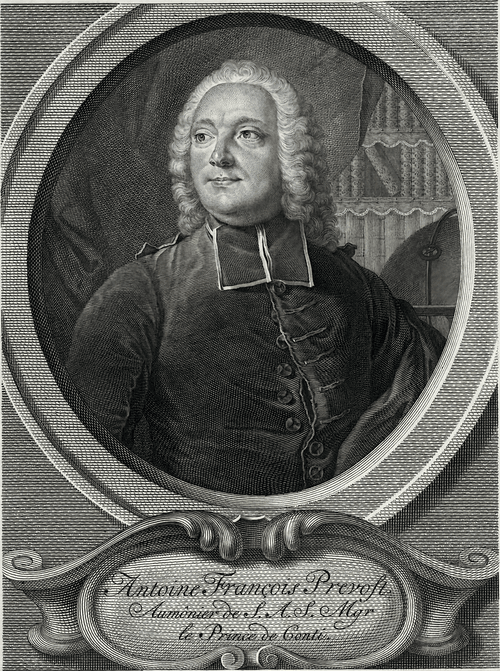
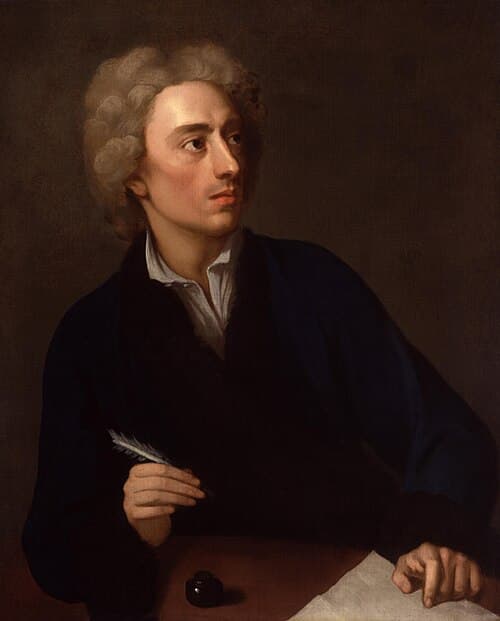
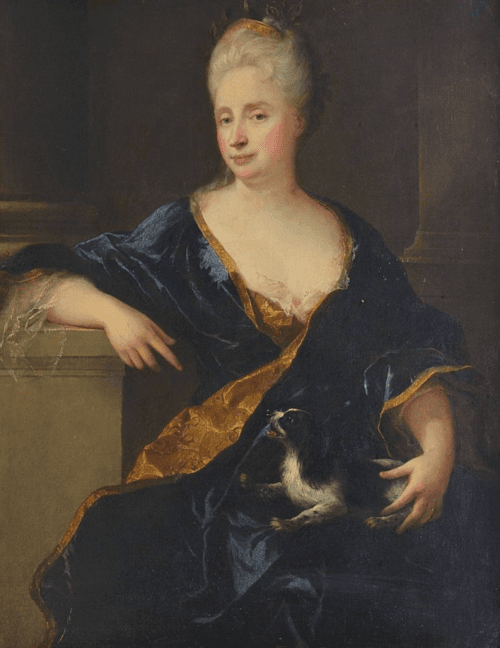
This imaginary interview was generated by artificial intelligence from sources documented in Marivaux's profile. It dramatises what the figure might have said based on what we know about them, but does not constitute attested historical testimony. For primary sources and factual documentation, refer to the full profile.