Kids interview Michelangelo
by Charactorium · Michelangelo (1475 — 1564) · Visual Arts · 5 min read
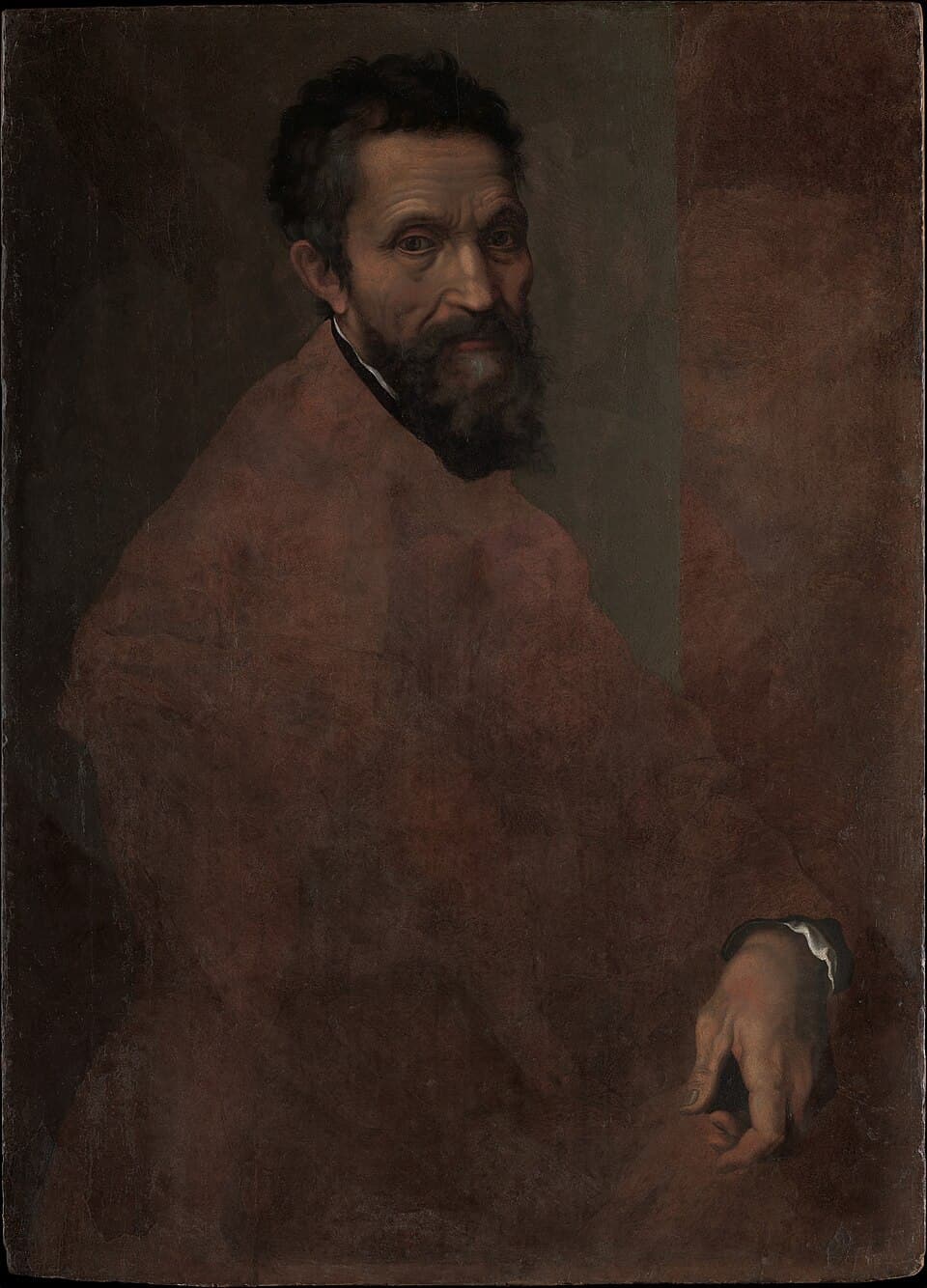
Two young visitors, on a school trip to Rome, look up at the immense ceiling of the Sistine Chapel. An old man with hands stained with marble dust sits down near them. It is Michelangelo, and he agrees to answer all their questions.
—Is it true that at first you didn't want to paint this ceiling?
You know, my child, I first said no to Pope Julius II. I felt I was a sculptor, not a painter! My happiness was marble, the chisel, the white dust. But you don't refuse a pope for long. So I gave in, and I climbed up there, in 1508. Imagine a vault as high as a cliff, and you, tiny below. I had to invent special scaffolding, a wooden platform suspended under the ceiling. I stayed there for four years. Four years, can you believe it? Sometimes I told myself I had taken on a mountain.
You don't refuse a pope for long.
—Did painting upward all the time hurt your neck?
Oh yes, it hurt everywhere! Imagine: you lift your head toward the ceiling, and you almost never lower it, from morning to night, for months. My neck was stiff as wood, my eyes burned, and paint sometimes fell on my face. I painted on fresh plaster called intonaco — a layer of wet lime. Each day, we laid only a patch, just what I could paint before it dried. We called that the giornata, the 'day.' If I wasn't fast enough, everything was lost. So I raced against time, my neck bent back.
I raced each day against the drying plaster.
—How did you manage to sculpt such a large David from a single block?
Ah, the David! Imagine a block of marble taller than three men, abandoned for years because no one dared touch it. I, at 26 years old, said: I'll take it. For me, you see, the statue was already hidden inside the stone. My job was just to remove everything that wasn't David. Chisel blow after chisel blow, with the mallet, I freed this young hero before his battle against the giant Goliath. When it appeared, in 1504, all of Florence came to see it. It stood over five meters tall.
I simply removed everything that was not David.
—Did you really go to the mountain yourself to choose your marble?
Of course! I trusted no one for that. I went to Carrara, in Tuscany, where the most beautiful white marble in the world is quarried. I sometimes stayed there for months, in the quarries, among the stonecutters. I looked for a pure block, without veins — because a hidden crack, and your whole sculpture can break one day. Imagine climbing those white slopes like snow, listening to the sound of the stone when struck. A good marble 'sounds' clear. It was there, in that dust, that I felt happiest. More than with my brushes, I confess.
A good block of marble sounds clear when you strike it.
—Why did you sneak into a church at night to carve your name?
Ah, you know that story! I was barely over twenty when I sculpted the Pietà, the Virgin holding her dead son on her lap. It is so soft, that marble almost seems like skin. One day, I heard visitors say it was by another sculptor! My heart leaped. When night came, I slipped into the basilica with a lamp, and I carved my name on the sash crossing the Virgin's chest. Michelangelus faciebat — 'Michelangelo made this.' And you know what? That was the only work I ever signed in my entire life.
That was the only work I ever signed.
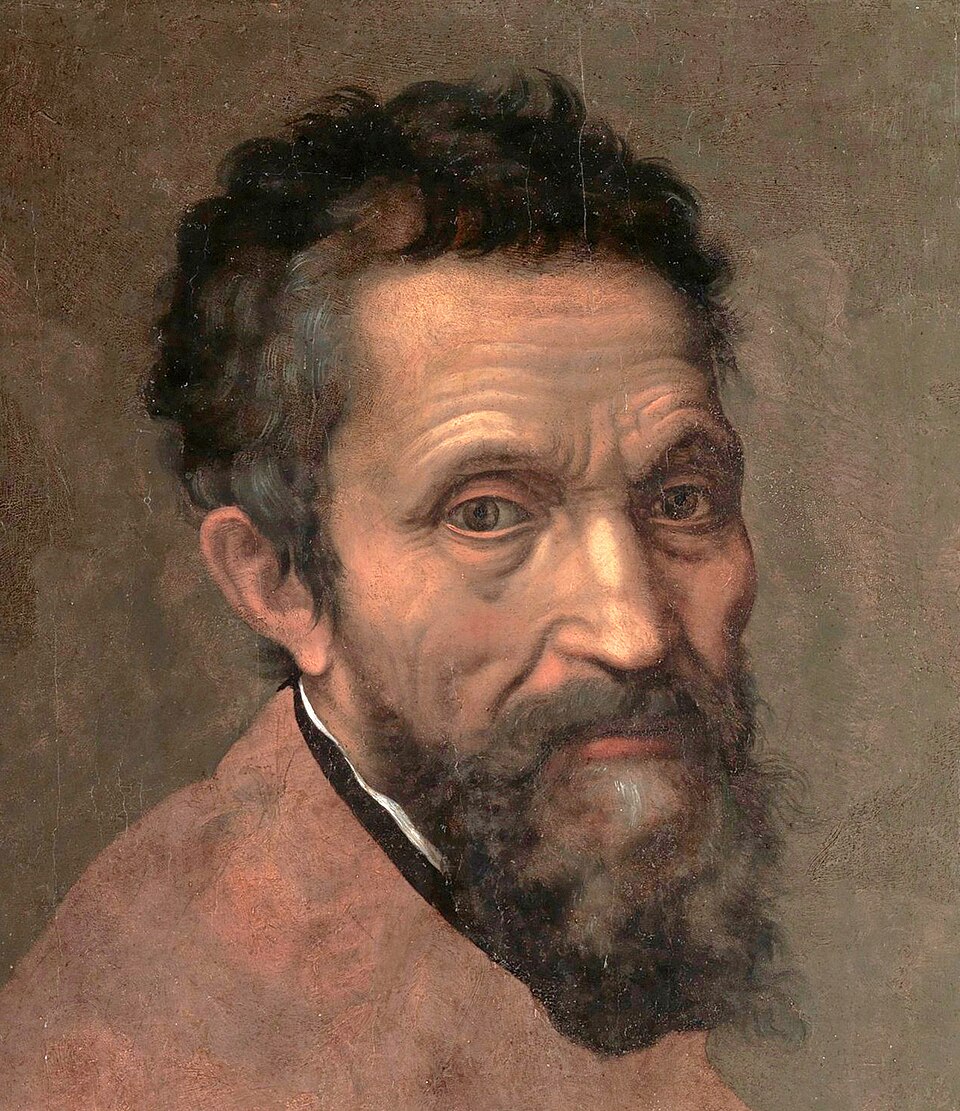
—How can you make hard marble as soft as a real person?
That is the whole secret, my child, and it takes years. The marble from Carrara is hard as rock, but well polished, it becomes smooth and tender to the eye. For the Pietà, I wanted Christ's body to seem abandoned, heavy, as if sleeping on his mother. I sanded the stone for weeks, over and over, until it caught the light like living skin. My fingers sometimes bled. But look: you feel you could touch a real knee, a real arm. That is my craft. To give breath to a stone.
My craft is to give breath to a stone.
—You were rich and famous, so why did you live so poorly?
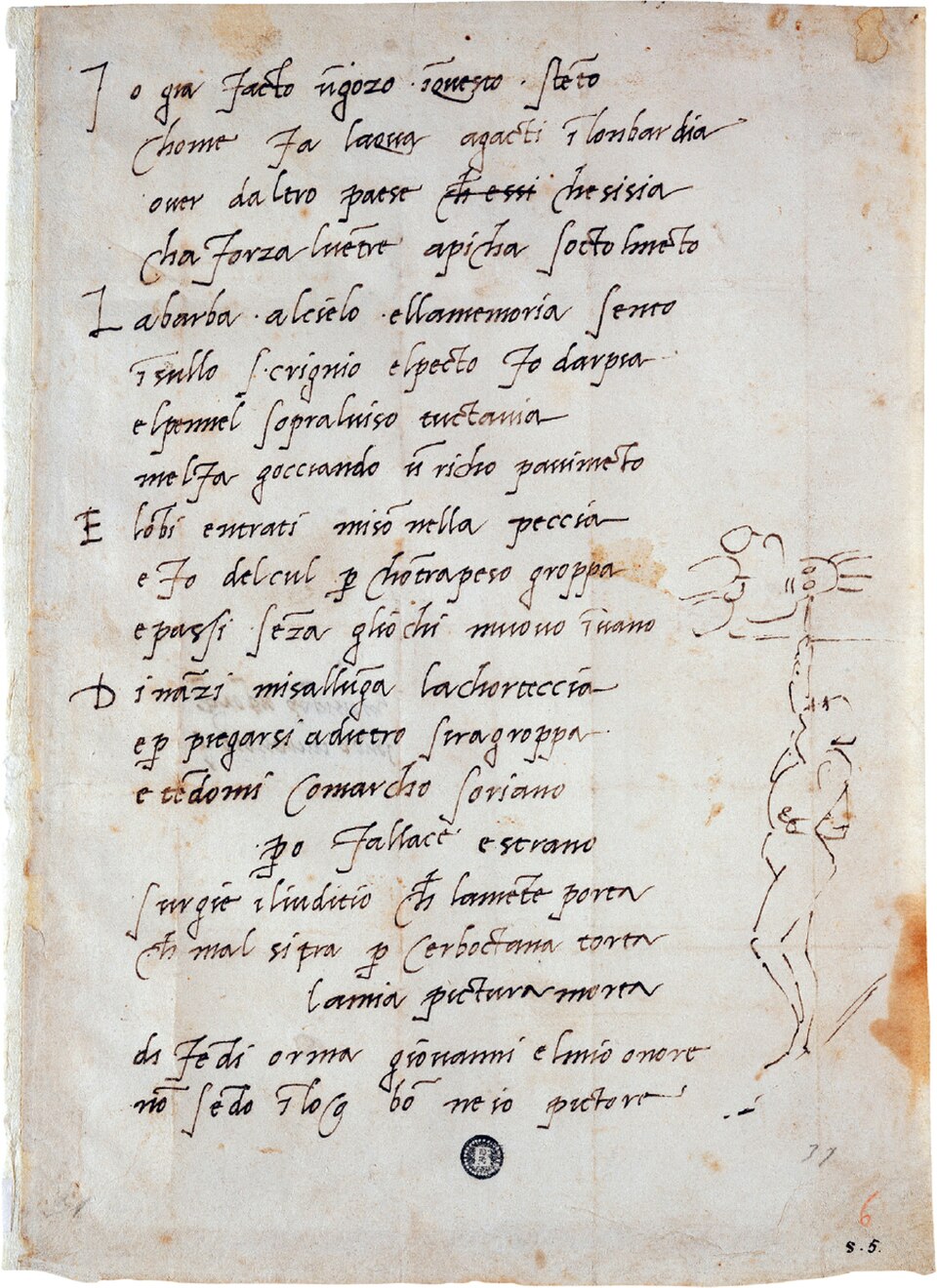
You have a sharp eye! Yes, the popes paid me, but I lived like a poor man. In Rome, in lodgings cluttered with blocks and drawings, I ate standing up: bread, a little wine, cheese. In 1509, I wrote to my father that I lived in misery and labor, without money, suffering a thousand ills. You see, money didn't interest me. What I wanted was time to work. I sometimes kept my boots on for weeks without taking them off! My friends laughed at me. But an artist who chases comfort forgets his work.
What I wanted was not money: it was time.
—What was it like working for popes who ordered everything?
Difficult, I won't hide it. Pope Julius II was a man of fire, impatient, who constantly changed his mind. He had commissioned his tomb, and I carved that powerful Moses, with his long beard and his gaze that seems to pierce you. But the project dragged on for years, money was taken from me, I was given other works. Imagine starting something, and being constantly forced to abandon it for another. That was my life. A patron is a rich protector who pays you, but also commands you. You work for his glory, not just your own.
A patron pays you, but it is his glory he commissions.
—Did you really start building a church at age 72?
It's true! At 71, I was appointed chief architect of St. Peter's Basilica in Rome. Imagine: an old man setting out to design an immense dome, wider than ten houses, to crown the largest church in the world. Many thought I would never see it finished — and they were right, it was completed after my death. But I didn't care. I still climbed the construction sites, corrected the masons, drew plans. One is never too old to build something greater than oneself. That dome still dominates the sky of Rome.
One is never too old to build something greater than oneself.
—Were you still sculpting just before you died? Why not rest?
Rest? But work was my very life, my child. A few days before my death, at nearly 90 years old, I still held my chisel before my last Pietà, the one called the Rondanini. It remained unfinished, almost a ghost, barely emerged from the stone. And perhaps that is how it is most beautiful. You know, I never stopped searching, never believed I had understood everything. With every chisel blow, I was still learning. When my strength left me, in 1564, I left this work open, like a question. The quest never ends. That is what I would like you to remember.
I never stopped learning, with every chisel blow.
Sources
This imaginary interview was generated by artificial intelligence from sources documented in Michelangelo's profile. It dramatises what the figure might have said based on what we know about them, but does not constitute attested historical testimony. For primary sources and factual documentation, refer to the full profile.