Kids interview Michelle Bachelet
by Charactorium · Michelle Bachelet (1951 — ?) · Politics · 5 min read
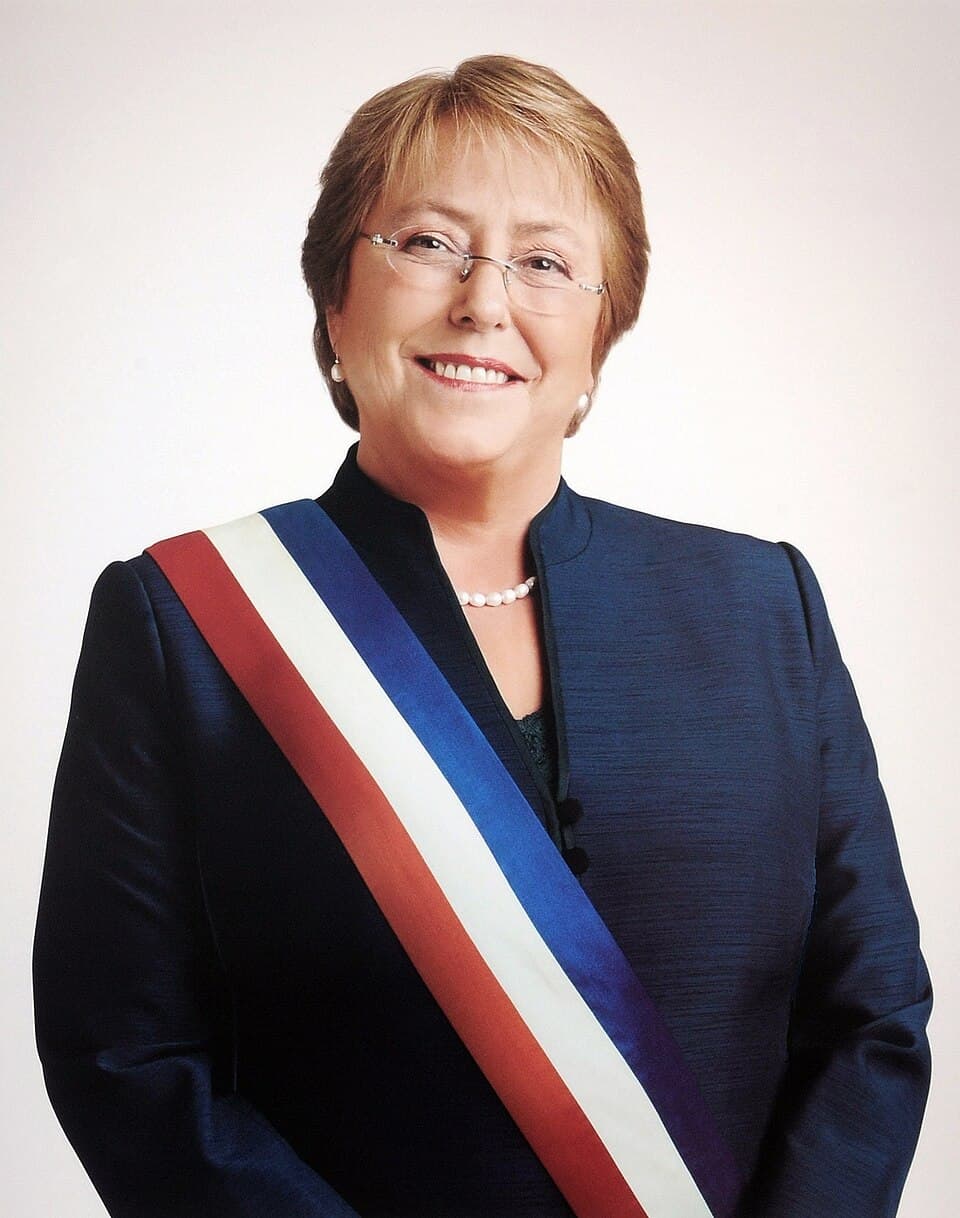
Two twelve-year-old students, on a field trip, sit facing a woman with a calm smile. She was a doctor, then president of Chile, then guardian of human rights at the UN. She looks at them and says: ask me all your questions, even the hardest ones.
—You were little — what was it like to have to live far from home?
You know, my child, I had to leave my country after the coup of 1973. I lived in exile in Leipzig, East Germany. Imagine a gray, cold city where people speak a language you don't understand. I had to relearn everything: German, new friends, a different way of life. It was hard, but it opened my eyes to the world. In the evenings, I would pick up my guitar. I played nueva canción, those Chilean songs by Victor Jara. It was my way of keeping my country in my heart, even far away.
A song keeps your country in your heart, even at the other end of the world.
—How old were you when you were arrested? Were you scared?
I was twenty-three, in 1975. My mother and I were taken to a terrible place, the Villa Grimaldi, in Santiago. It was a torture center run by the secret police, called the DINA. Yes, I was scared, very scared. But the worst part was that my father, a general, had died in prison shortly before. His crime? Refusing to betray his country. You see, I experienced injustice in my own flesh. Later, I turned that pain into strength. Today, Villa Grimaldi has become a peace park.
I turned my pain into strength instead of letting it destroy me.
—After all that, why did you want to tell what happened to you?
Because staying silent lets evil win. In 2003, I testified before a commission that documented the victims of the dictatorship. I told about Villa Grimaldi, the violence. You know, in Chile, there were about three thousand desaparecidos — 'the disappeared,' people kidnapped whose bodies were never found. Their families waited for answers. By speaking, I told them: you are not alone. That's why, much later, I led human rights at the UN. When you've seen injustice up close, you can't look away.
Staying silent lets evil win.
—It's strange: your dad was a soldier and died in prison, and you became an army doctor. Why?
Yes, it's a strange path! I first became a pediatrician — I treated children. My favorite object was my stethoscope, to listen to little hearts. Then I studied military medicine and wore the uniform, in that same army that had hurt my family. You find that strange? So did I, at first. But I understood one thing: to reconcile a country, you must reach out, not hold a grudge. In 2002, I became Minister of Defense. The first woman in that position in Latin America. The imprisoned daughter now commanded the generals.
To reconcile a country, you must reach out, not hold a grudge.
—What was it like, being a woman commanding soldiers for real?
At first, some looked at me sideways. A woman, a doctor, the daughter of an officer punished by the regime… I had everything to surprise them! But you know, I never tried to shout louder than the men. I listened. I observed. And little by little, respect came. As Minister of Defense, I had to take care of soldiers, ships, planes, but also bring the army closer to the people. Imagine: people needed to no longer be afraid of the military. That was my challenge. Breaking a taboo isn't about making noise. It's about being there, calm, and proving you are capable.
Breaking a taboo isn't about making noise: it's about proving you are capable.
—Is it true you were elected president? Were you the first woman?
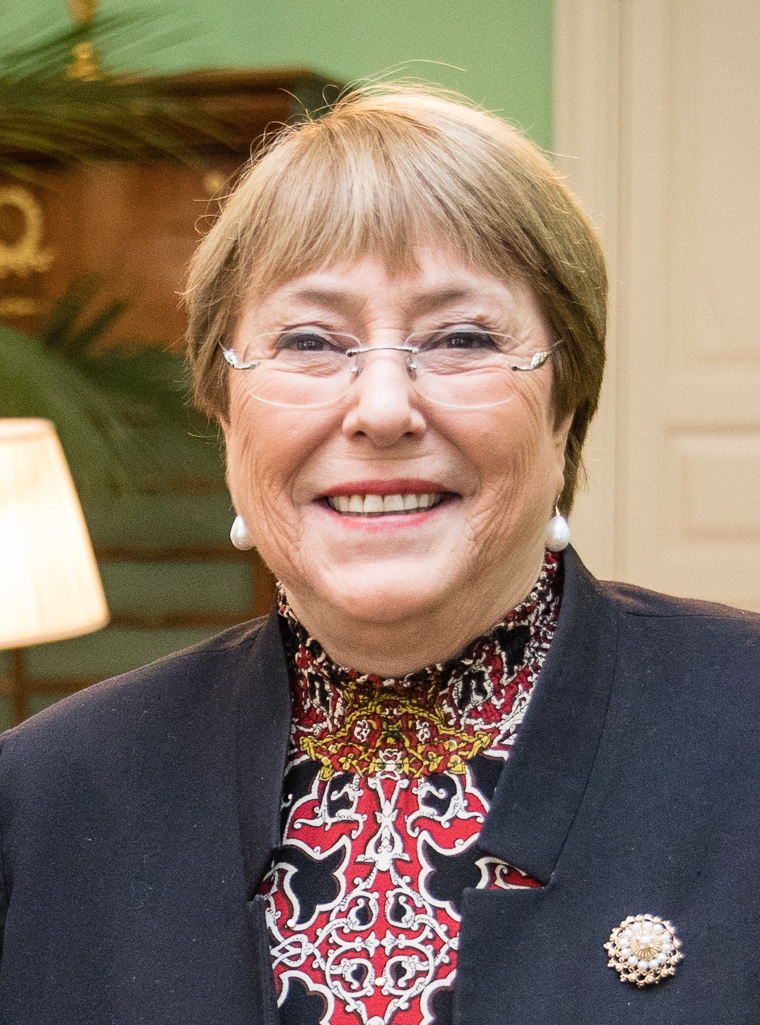
Yes! In 2006, I became the first woman president of Chile. I worked at the Palacio de La Moneda, the palace that had been bombed during the coup. Imagine the emotion: I, the prisoner's daughter, entered that historic place as head of state. On my inauguration day, I promised to build a fairer society, more equal between men and women. And I also created the Chile Solidario program, to help the poorest families eat, get healthcare, and education. Leading, for me, was never about commanding. It was about protecting.
Leading was never about commanding: it was about protecting.
—They say you chose as many women as men in your team. Why?
Exactly! When I formed my government in 2006, I appointed as many female ministers as male. Half and half, exactly. That's called parity. No country in the world had ever done it before. You think that's normal? Good! But at the time, it was a small revolution. I wanted to show the little girls of Chile that they could become anything: minister, doctor, president. Later, the UN asked me to lead UN Women, to defend women's rights everywhere in the world. Half of humanity cannot remain in the shadow of the other half.
Half of humanity cannot remain in the shadow of the other half.
—What's this story about free university? Why was it important?
In Chile, studying was very, very expensive. Many families went into debt for years. The students had had enough: they took to the streets by the thousands. It was called the movimiento estudiantil, the student movement. They demanded education that wasn't paid for like a luxury item. During my second term, between 2015 and 2018, I launched free public university. Imagine a poor child from the north of the country who can finally become an engineer or a doctor. That's what I wanted. Education is not a commodity. It's a door you open.
Education is not a commodity: it's a door you open.
—Why was it so hard to change things in Chile?
Good question! Chile had kept a very harsh economic system, built during the dictatorship by economists nicknamed the 'Chicago Boys.' Everything had to be paid for: school, healthcare, pensions. The rich got by, the poor suffered. Changing that was like moving a mountain, brick by brick. Every reform met resistance. But I never wanted to break everything at once. I corrected injustices little by little, without plunging the country into chaos. You know, you don't erase forty years of history in a day. You move forward, step by step, but you move forward.
You don't erase forty years of history in a day: you move forward, step by step.
—In the evening, after a day as president, what did you do to relax?
Ah, evenings were precious! I would rejoin my family as soon as my duties allowed. And I would pick up my guitar again. I love Chilean music, especially the songs of Victor Jara, that singer killed under the dictatorship. His voice reminded me where I come from. I also liked to cook or enjoy empanadas, those little stuffed pastries from home. You see, even when you lead a country, you remain a person with a heart, memories, songs. You must never forget the child you once were. That child keeps you human when you have a lot of power.
You must never forget the child you once were when you have a lot of power.
—In the end, at the UN, you must have said things that angered big countries. Were you scared?
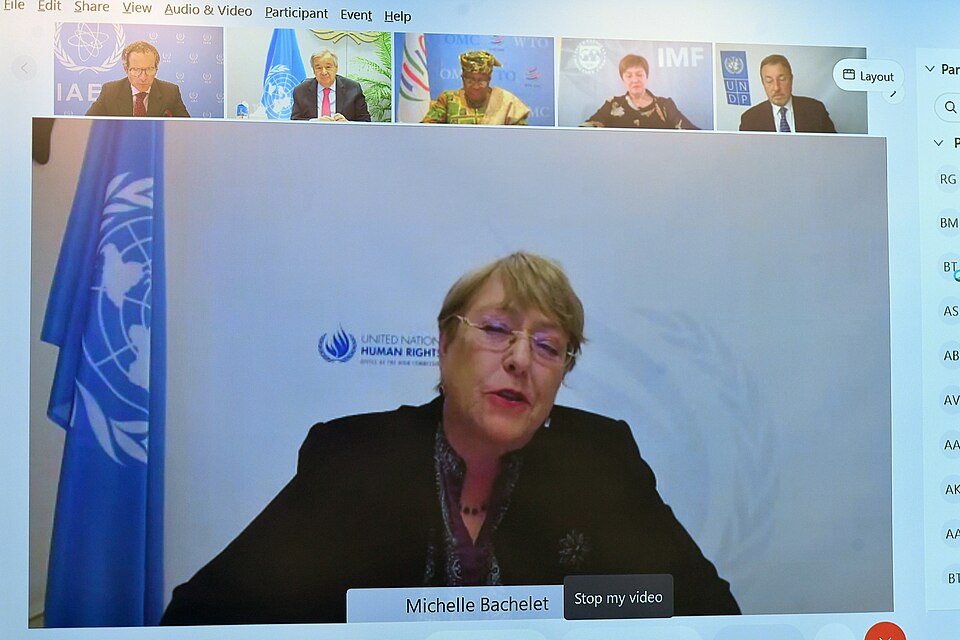
From 2018 to 2022, I was High Commissioner for Human Rights, at the Palais des Nations in Geneva. My job? To tell the truth, even when it upsets the powerful. I denounced violations in Venezuela, Ethiopia, and in China, where the fate of the Uyghurs worried me deeply. Can you imagine the pressure? Very big countries don't like being criticized. But I had learned, as a child, in Villa Grimaldi, what the silence of others was worth. So I chose not to stay silent. Defending human rights is not a quiet job. It's a duty.
Telling the truth to the powerful is not quiet: it's a duty.
This imaginary interview was generated by artificial intelligence from sources documented in Michelle Bachelet's profile. It dramatises what the figure might have said based on what we know about them, but does not constitute attested historical testimony. For primary sources and factual documentation, refer to the full profile.