Imaginary interview with Molière
by Charactorium · Molière (1622 — 1673) · Literature · 5 min read
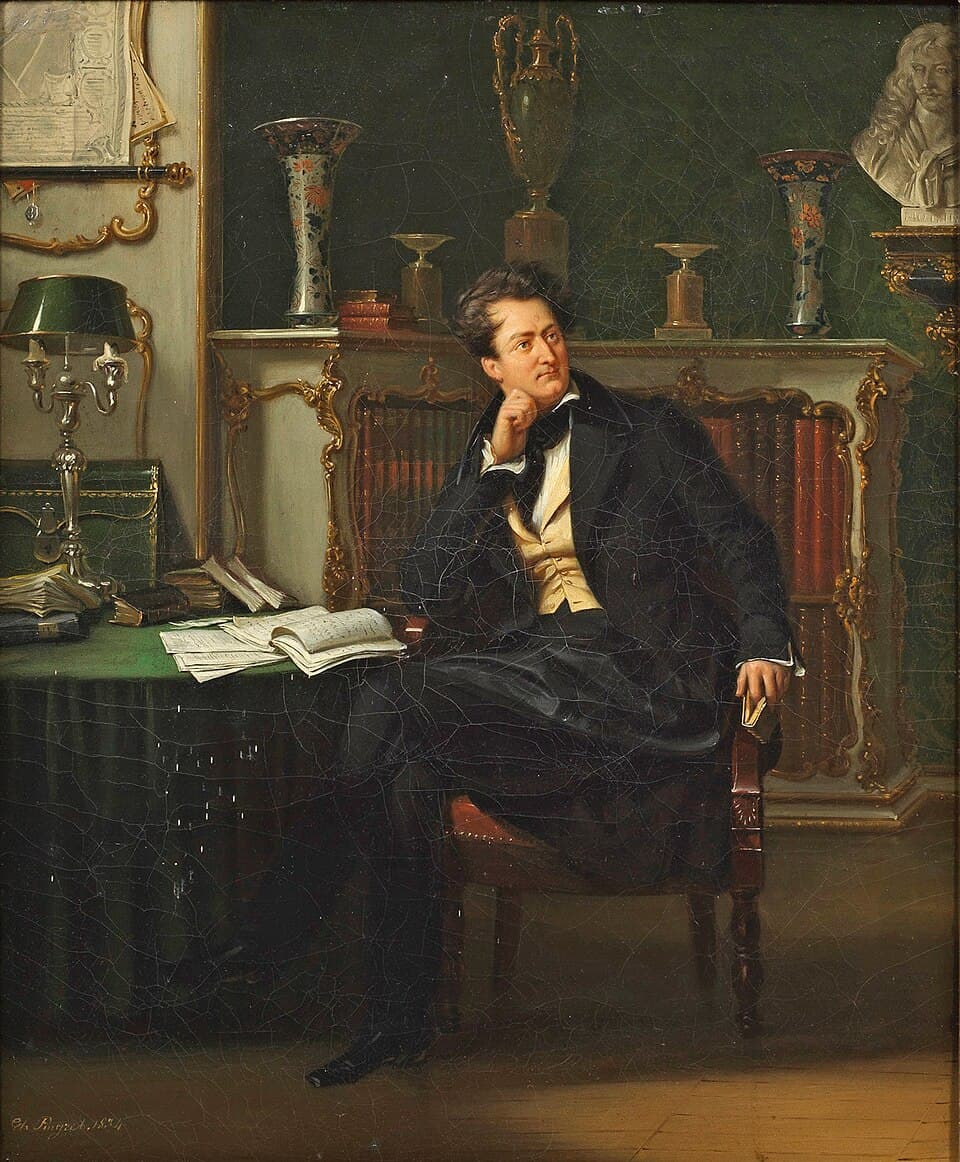
Paris, winter 1672. In a smoky box at the Palais-Royal, between two rehearsals, a hollow-faced man puts away his texts and coughs more than he would like. Molière agrees to set aside the mask of troupe director for a moment to talk about his life — a life he spent, he says, making men laugh at their own faults.
—Do you remember your very first steps as an actor in Paris?
The Illustre-Théâtre! What a beautiful name for such a poor thing. In 1645, we had everything of a great troupe, except the audience and the money. I still called myself Jean-Baptiste Poquelin, son of an upholsterer destined for an honest career, and there I was stubbornly reciting verses before empty benches. The creditors, for their part, never missed a call: I was thrown for a few days into the Châtelet for debts my poor father had to pay off. I could have gone home, taken up the yardstick and hammer again. But you see, one does not recover from the stage as from a cold. I packed my bags, and set off to sell my laughter on the roads.
—How did those long years in the provinces shape your art?
Thirteen years, Sir, thirteen years rolling our trunks from town to town. In Pézenas, I sat at the barber's and watched the whole town parade by — the vain merchant, the pedantic doctor, the coquette, the old miser counting his pennies. The provinces were my real school. Paris teaches you manners; the road teaches you men. All those faces, I kept them in my memory like a chest, and much later they reappeared on my stage under other names. Harpagon, Monsieur Jourdain — do you think I invented them? I had already met them, seated at an inn, between Lyon and Béziers.
—What did leading your troupe mean to you on a daily basis?
People readily think of me as a poet dreaming in his study. The truth is more prosaic: I also kept the account book. At the Palais-Royal, my days were divided between the morning pen and the afternoon rehearsals, where I led my comrades with a firm hand — it had to be, for an actor is a horse that kicks. There were fees to settle, costumes to order, quarrels to soothe. I wrote, I played the lead comic roles, I directed everything. Some evenings, exhausted, I told myself that none of my misers or bourgeois had as much money trouble as their own author.
It had to be, for an actor is a horse that kicks.
—You invented a new genre for the court. How was the comédie-ballet born?
The King loved to be dazzled, and the King commanded quickly. For his Versailles festivities, we had to blend speech, music, and dance into a single spectacle — thus was born the comédie-ballet, which I shaped with Lully. We worked urgently; I climbed into my carriage, rode to court, and everything had to be ready for the royal entertainment. The Bourgeois Gentleman came out of that machinery in 1670, at Chambord: a man who discovers he has been speaking prose without knowing it, between ballets of tailors and dancing masters. A galley slave's work, but what galley slave was ever better applauded?
—Why did Tartuffe unleash such a storm?
Because I had touched the untouchable: the dévot. Not the pious man, mind you, but the false pious, the one who uses God as a mask to better steal others' goods. In 1664, barely performed, the play was banned. The Company of the Holy Sacrament — those gentlemen so discreet and so powerful — worked to smother it. For five years, my Tartuffe remained in prison. Yet my Cléante had said it all: 'There are false devotees as well as false brave men.' But you don't forgive a farceur for unmasking the saints of comedy. I had to rewrite, beg, wait.
You don't forgive a farceur for unmasking the saints of comedy.
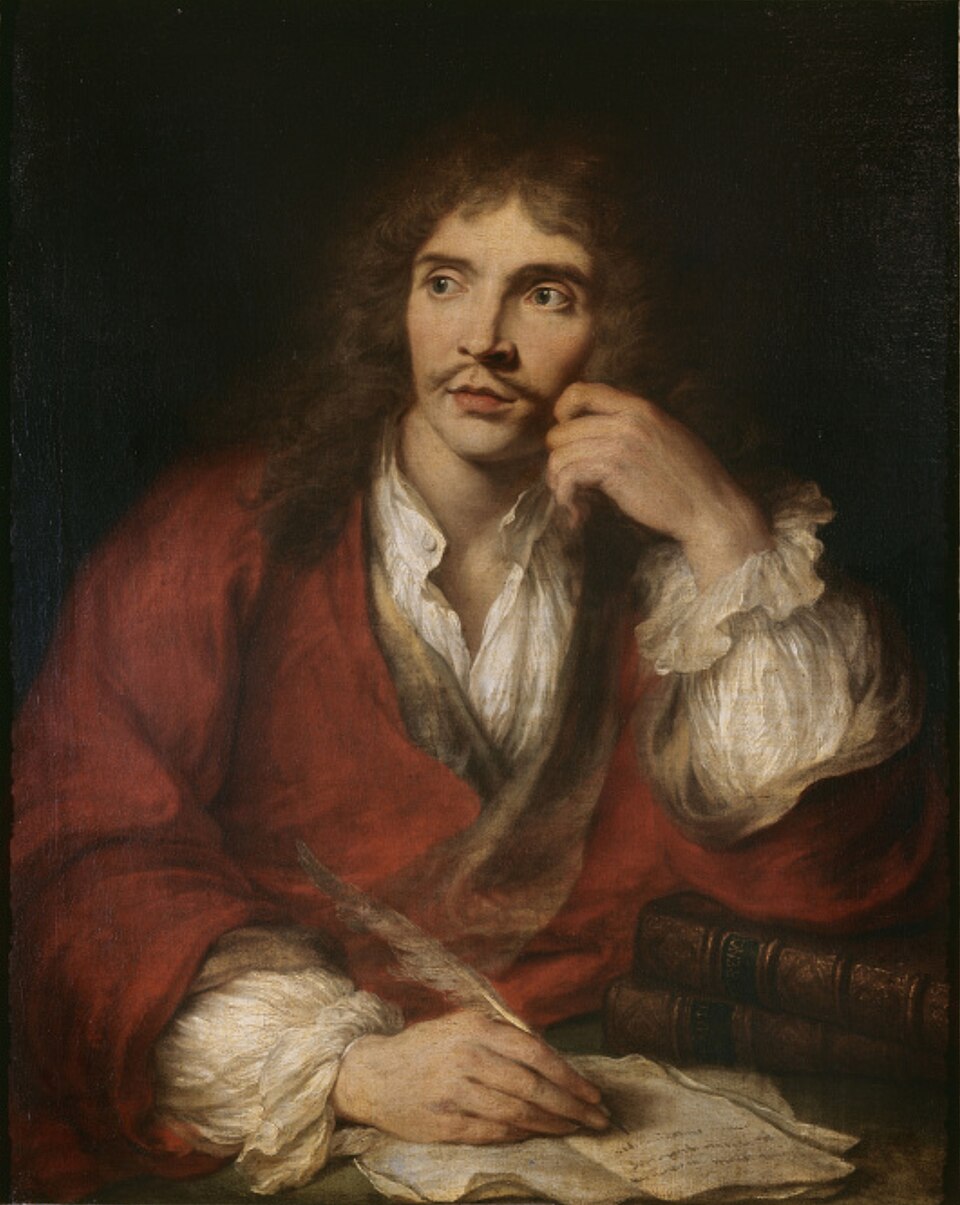
—Without the king's protection, would this play ever have seen the light of day?
Never, I confess. The King was my shield. Consider that in 1664, the very year of the quarrel, he agreed to be godfather to my first son — what more dazzling sign of favor could one dream of? The devout had Parliament and the pulpits; I had Louis. It was he who, in 1669, finally lifted the ban and allowed the public triumph of my play. Without that hand on my shoulder, I would have been broken as one breaks an insolent fellow. I never forget that my freedom to laugh at hypocrites, I owed to the good pleasure of a single man. That should inspire some modesty in makers of comedies.
—Your marriage in 1662 caused a great stir. How did you experience it?
Ah, my private life... There is a theater where I never chose my role well. In 1662, I married Armande Béjart, twenty years my junior. Immediately Paris began to buzz like a pit before the curtain rises. Was she the daughter or the sister of Madeleine, my old touring companion? Everyone had an opinion, and the most malicious always won. I had spent my life painting the absurdities of others; I was paid back in kind by being made a farce character. What could I reply? That the heart, like the stage, is not governed by the reason of the wise.
I had spent my life painting the absurdities of others; I was paid back in kind.
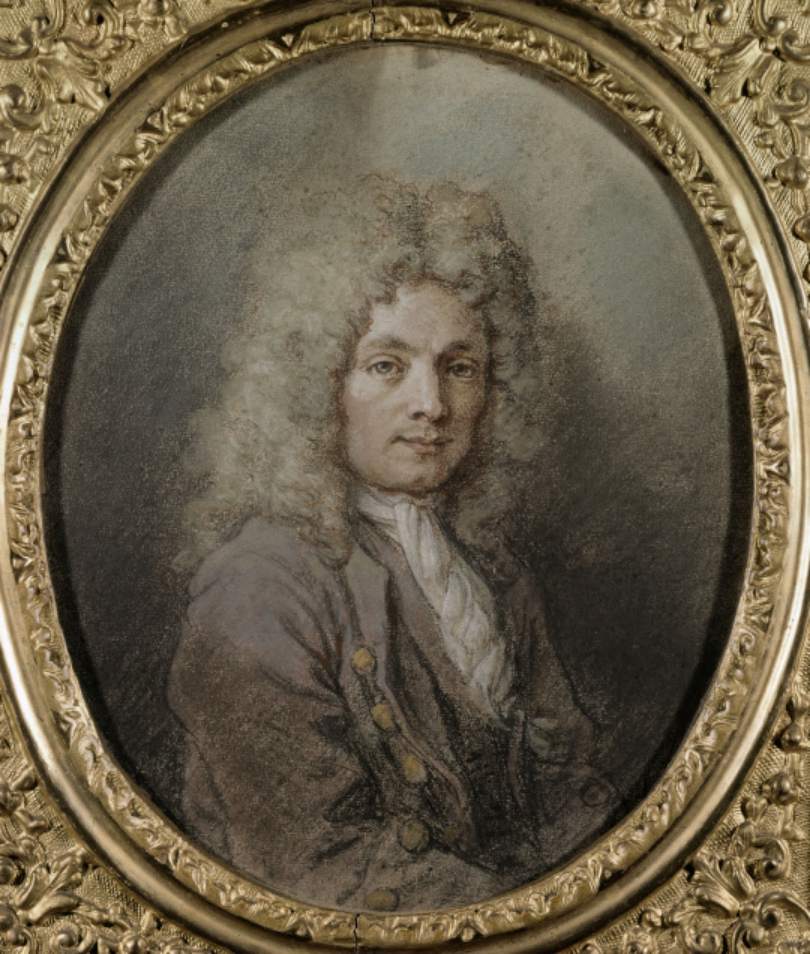
—How did you bear being the target of malicious gossip?
Badly, like everyone else, but I took revenge in my own way: by putting them on stage. Do you think Alceste, my misanthrope, was born of anything other than my own weariness of venomous tongues? He wanted 'that one be sincere, and that as a man of honor, one utter no word that does not come from the heart.' A fine program, and quite impossible at court as in the city. I did not have the luxury of fleeing men: I had to make them laugh that very evening at those who had slandered me in the morning. Laughter, you see, was my only honest revenge.
—They say you nearly were denied Christian burial. What happened?
Sad paradox: I was applauded alive, I was refused a grave dead. The Church did not grant burial to actors who had not renounced their profession — and I was not going, at the threshold of death, to spit on what had been my whole life. For a moment I was treated like a mountebank, fit to be thrown into a common ditch. The King had to intervene again, with the Archbishop of Paris, so that I might be granted burial. At night, almost in secret, at the Saint-Joseph cemetery. Imagine: the greatest actor in France buried like a thief, by torchlight. There is the final farce, and it was not I who wrote it.
I was applauded alive, I was refused a grave dead.
—Your final performance has become legend. Did you feel so ill that day?
February 17, 1673. For years already my chest burned, that illness which does not forgive. And what was I playing that evening? Argan, my imaginary invalid, a man who thinks himself dying when he is well, while I, who was unwell, played the healthy man. My whole life lies in that irony. In the middle of the fourth performance, a malaise seized me; I clenched my teeth, I finished. You don't drop the curtain on your comrades. A few hours later, at home, blood rose to my throat. If I must die somewhere, I often told myself, let it at least be while making people laugh.
Read further
This imaginary interview was generated by artificial intelligence from sources documented in Molière's profile. It dramatises what the figure might have said based on what we know about them, but does not constitute attested historical testimony. For primary sources and factual documentation, refer to the full profile.