Imaginary interview with Nefertari
by Charactorium · Nefertari (1289 av. J.-C. — 1254 av. J.-C.) · Politics · Culture · Spirituality · 5 min read
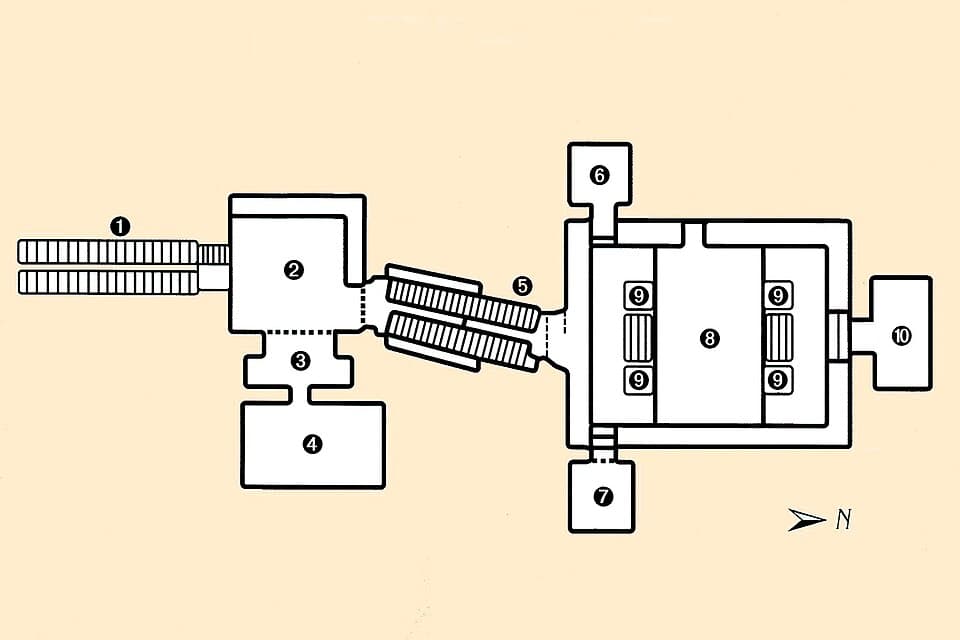
We are in the shaded apartments of the palace of Pi-Ramesses, in the eastern Nile Delta, where the air smells of freshly pleated linen and incense from the chapels. The Great Royal Wife receives us seated, a sistrum placed beside her, while the late afternoon light glides over the garden frescoes. She speaks softly, with the assurance of one called beloved of Mut.
—How would you describe the place you hold beside the king and the gods?
I am called Hemet Nesu Weret, the Great Royal Wife, and this title is not an ornament: it makes me the only one to wear all the queen's insignia. But my name says more — Nefertari-Meryenmut, beloved of Mut, the great mother goddess of Thebes. I am not only the wife of the mighty bull; I am, on this earth, the face of the goddess among the living. When I shake the sistrum in the chapels at dawn, it is not a courtly dance: I drive away the lurking forces and open the path for the hymns of Ra. Mut chose me, and Ramesses acknowledged it before all Egypt.
I am not only the wife of the mighty bull; I am the face of the goddess among the living.
—Why do the goddess Hathor and her sistrum appear so often in your depictions?
Because I wear on my forehead the solar disk framed by cow horns and tall feathers — the crown of Hathor, mistress of love, beauty, and motherhood. By donning it, I do not disguise myself as a goddess; I become her vessel. The sistrum I hold is consecrated to her; its bronze rattle is a prayer as much as a weapon, for it drives evil away from rituals. A queen who neglects this gesture leaves the door open to disorder. That is why, in every ceremony, my hand never fully leaves this sacred instrument: it binds me to the goddess like an invisible golden thread.
The rattle of the sistrum is a prayer as much as a weapon.
—What does the sanctuary that Ramesses II dedicated to you in Nubia represent to you?
There, carved into the very mountain of Nubia, stands a temple such as had never been dedicated to a queen: dedicated both to Hathor and to me. On its façade, my six colossi stand at the same height as those of the king. Understand what this means to those who know our customs: never before had the image of a royal wife been raised to the level of the pharaoh, for this honor was reserved for the gods alone. The inscription proclaims it — for the great royal wife Nefertari, beloved of Mut, Ramesses had this temple built for eternity. At Abu Simbel, Ramesses did not just carve my face: he carved a deliberate breach of an age-old rule.
He carved my face at the same height as his — a deliberate breach of an age-old rule.
—Do you remember the moment you saw those completed colossi?
The Nubian stone is red and hard, and it took the stonecutters years to open it. When I was led before the façade, I saw my own figure carved in the rock, crowned with the Hathoric crown, the usech collar with rows of lapis lazuli, carnelian, and gold resting on my granite chest. For a moment, I felt dizzy seeing myself already eternal, as if the mountain had absorbed me. The priests murmured that the small temple was unprecedented; I, meanwhile, thought mostly of the goddess whose dwelling I now shared. Few mortals behold their image become imperishable before even leaving this world.
I felt dizzy seeing myself already eternal, as if the mountain had absorbed me.
—How did you come to write yourself to a foreign queen?
After so many years of war against the Hittites — you remember Kadesh, that battle where my husband faced Muwatalli — finally, around 1258 BCE, came the great peace treaty, the first ever sealed in writing between two empires. Peace is not only between kings: it is also woven between houses. That is why I had my words carried to Queen Puduhepa of the land of Hatti, as one reaches out a hand to a sister across deserts. I greeted her, rejoicing in her good health and calling upon her the favor of the gods of Egypt and the gods of Hatti. A letter from woman to woman, but carrying the weight of two empires.
Peace is not only between kings: it is also woven between houses.
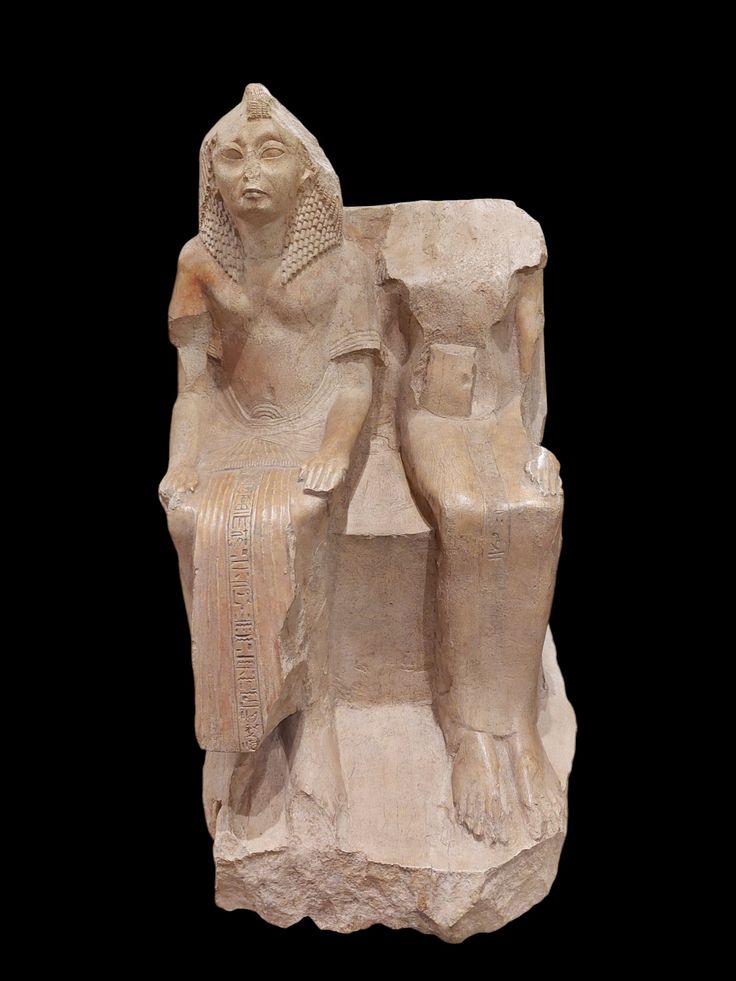
—What would you say about the role a queen can play in world affairs?
People imagine the queen confined to chapels and banquets. The truth is broader. Every afternoon, I receive dignitaries, oversee the domain of the Great Royal Wife — its lands, granaries, workshops — and lend my voice to correspondence circulating among foreign courts. When I wrote to Puduhepa, I was not playing an ornamental role: I was sealing an alliance. Our scribes deposited that letter in the archives of Boghazköy, in Anatolia, where it remains. An Egyptian queen is not the silence beside the throne; she is one of its pillars, and the foreign world knows it as much as our own subjects.
An Egyptian queen is not the silence beside the throne; she is one of its pillars.
—In your eternal dwelling, a scene shows you playing senet. Why this game?
Senet appears a simple court pastime, a board of squares where one pushes pieces. But each square is a stage of the soul's journey to eternity, and the invisible opponent I face is destiny itself. On the wall of my tomb, I am painted alone before the game board, hand poised over the pieces. This is not a distraction the artist fixed there: it is my victory. By winning the game, I proclaim that I pass the trials of the afterlife and take my place among the blessed. Every Egyptian player understands: he who triumphs at senet triumphs over death.
He who triumphs at senet triumphs over death.
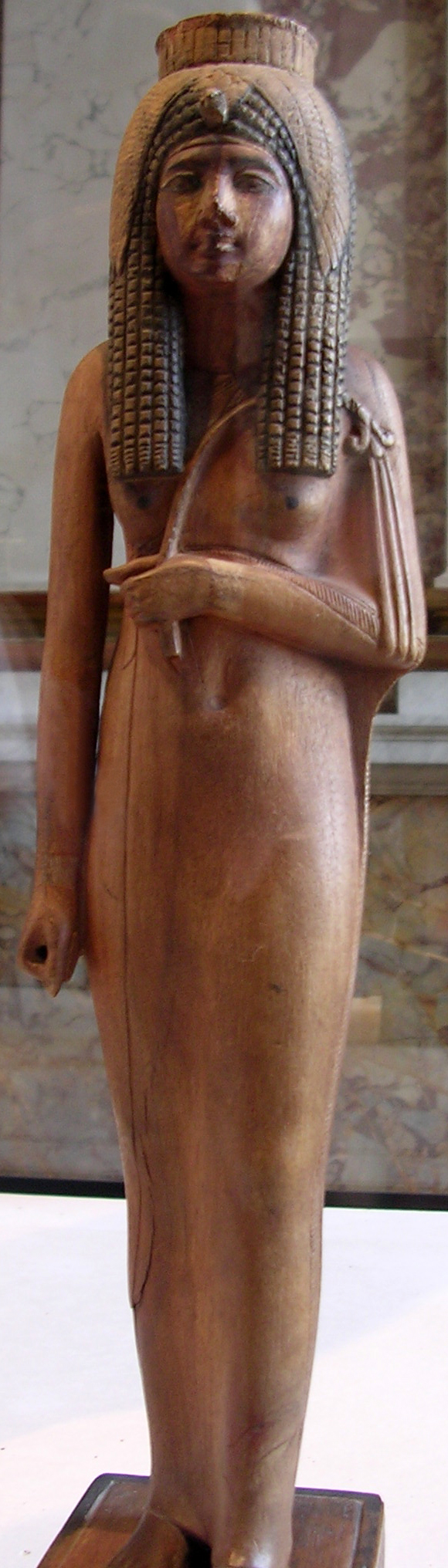
—How do you feel about the passage to the afterlife that your walls describe?
I do not await it in fear, for everything around me has been prepared. The texts painted in my tomb say it: I enter the afterlife in peace, welcomed by Osiris, lord of the eternal West. On the walls, the goddess Isis herself takes my hand to guide me, and the gods offer me the ankh, the cross of life, as one offers a drink to the thirsty. My name is pronounced “justified” — I have passed the weighing, my heart held firm. These images tell not of an end, but of a birth: I leave the river of the living to join the West where the sun never dies.
These walls tell not of farewells, but of a birth.
—What purpose, ultimately, do these paintings of such rare beauty that cover your tomb serve?
People admire their colors, but forget their function. These images are not there to please: they nourish my ka, my spiritual double, which survives my death and demands offerings and words to subsist. Each scene from the Book of the Dead painted in QV66 is a key, a formula meant to transform me into an akh, that luminous, transfigured form that takes its place among the imperishable stars. The artisans of the Valley of the Queens worked as one engraves a talisman, not as one decorates a wall. Without these paintings, my name would fade and my ka would die of hunger. They are my food for eternity, not my vanity.
The artisans worked as one engraves a talisman, not as one decorates a wall.
—If you could imagine that your eternal dwelling might be found many centuries from now, what would you wish?
We seal our tombs so that no gaze may disturb them; the thought that they might one day be reopened would be almost unbearable to me. And yet, if I allow myself to dream that distant people, in a time I will never know, push open the door of QV66, I have but one wish: that my name be spoken still. For among us, to speak the name of the deceased is to make them live. Let them not take my colors for mere treasure to behold, but let them understand that every figure was painted to sustain my ka. If they pronounce “Nefertari” aloud, then, even after a thousand years, the goddess will still watch over me.
To speak the name of the deceased is to make them live.

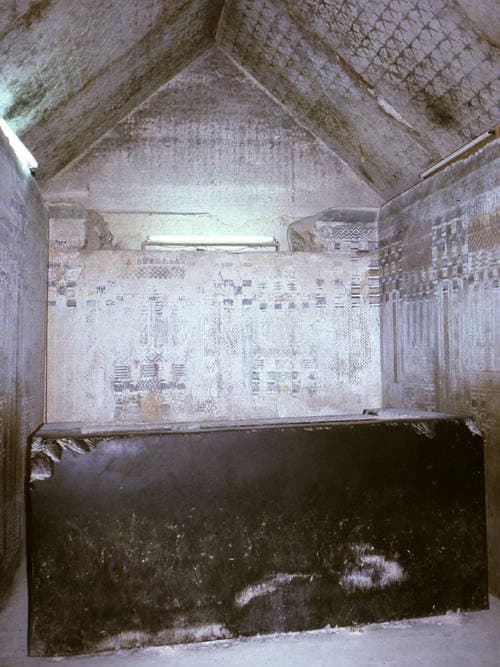
This imaginary interview was generated by artificial intelligence from sources documented in Nefertari's profile. It dramatises what the figure might have said based on what we know about them, but does not constitute attested historical testimony. For primary sources and factual documentation, refer to the full profile.