Imaginary dialogue between Isis and Osiris
by Charactorium · Osiris · Mythology · 6 min read
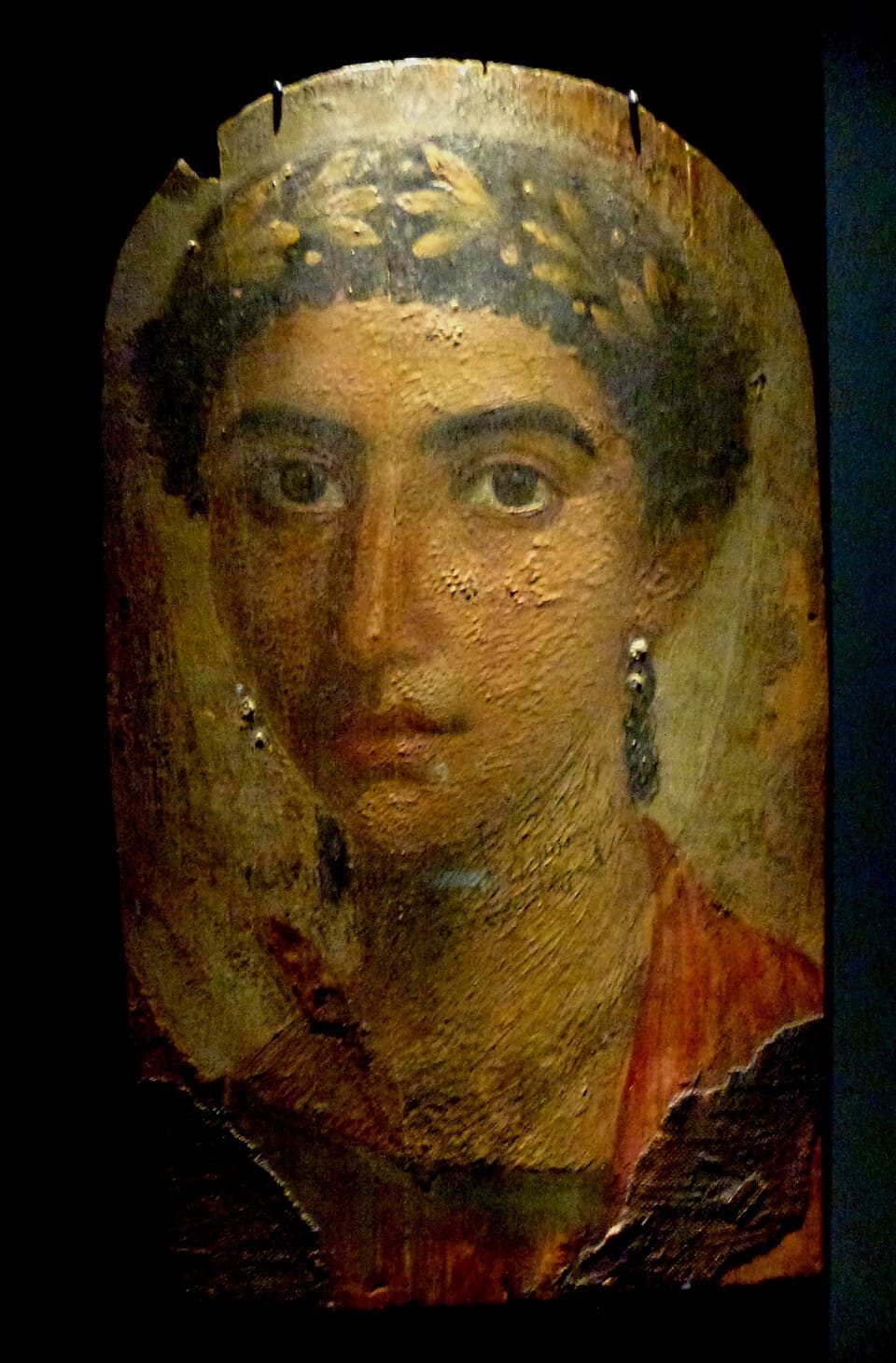
It is on the sacred bank of Abydos, where pilgrims lay their offerings of bread and beer, that Isis finds the one she snatched from death. The slanting light of sunset glints on the Atef crown and the Djed pillar placed near the throne. They have not spoken like this since her hands gathered the fourteen pieces of his body. She comes now, not as a supplicant this time, but so that he himself may tell what she saw with her own eyes.
—My husband, when I traveled through the marshes to gather your limbs scattered by Set, did you even know I would come? What did I give back to you that day?
You alone could do it, Isis. When my brother Set struck me and then cut me into fourteen parts cast upon the waters, I was no more than a scattered breath over the Nile. I felt your lamentations as one feels the wind before the flood. You searched for every fragment, you bound them with your bandages and your magic, and you gave me back a form. What you gave me is not just the life before—it is a life of another order, one that dies no more. I was king of the living; by your hands, I became king of what endures after death. No god had promised me that. It is your song, your perseverance, that made my dismemberment the first of rebirths.
I was king of the living; by your hands, I became king of what endures after death.
—You speak of rebirth as a beginning. But before I raised you, what did you know of that passage that men so fear?
I knew silence, Isis, and the terror of scattering. A man fears death because he believes it is an end; I learned that it is a threshold. As long as my body remained scattered, I was nothing—it is the union of my limbs, your patient work, that made me whole again. That is why I teach men to preserve the body: not out of vanity, but because the soul needs a dwelling to rise again. The mummy is not a corpse; it is a promise. When I see the living wrap their dead in linen, I recognize the gesture you made over me. They repeat our story without always knowing it.
A man fears death because he believes it is an end; I learned that it is a threshold.
—Now you are master of the Duat, judging those who come before you. How do you weigh a man's life, you who knew the injustice of Set?
I weigh nothing myself, Isis—it is the heart of the deceased that is placed on the scale, against the feather of Maat. I preside, I listen, I ensure that justice does not waver. The one whose heart is lighter than the feather enters eternal life; the one burdened by his faults faces annihilation. Having suffered my brother's betrayal, I know the value of a true word and the weight of a lie. The dead stand before me and recite their deeds: they have not killed, they have not lied, they have not diverted their neighbor's water. I am the guarantor of this order. My throne is not a reward; it is a duty: that of making death just.
My throne is not a reward; it is a duty: that of making death just.
—Our son Horus carries your cause among the living while you rule among the dead. Do you not suffer ruling so far from the sun?
The Duat is not an exile, Isis; it is the necessary counterpart of the day. The sun itself descends there each night to be regenerated before being reborn at dawn. I rule in this fertile darkness where everything that ends prepares to begin again. And I am not as far as you fear: through Horus, our son, my justice continues to reign over the Egypt of the living. You protected him in the marshes, you raised him against Set; I passed on to him the legitimacy of the throne. What I lose in light, I gain in permanence. Kings die, but the order I guard does not fade. To rule over the dead is to rule over what never passes.
The Duat is not an exile; it is the necessary counterpart of the day.
—Every year, when the Nile floods and blackens the land with silt, the farmers whisper your name. Why did they link you to the flood?
Because they understood, Isis, that my death and resurrection are written in the river itself. When the water recedes and the land seems dead, it is my body that rests; when the flood returns and the wheat sprouts, it is I who am reborn. The grain that the farmer buries seems to perish under the earth, then it germinates and feeds men—that is my mystery put into cultivation. They even fashion effigies of silt and seed in my image, and wait for the barley to sprout as proof of my life. I am the god of fertility not by whim, but because the land of Egypt reenacts my destiny every season. The womb of the soil and the kingdom of the dead are the same promise of return.
The grain that the farmer buries seems to perish under the earth, then it germinates: that is my mystery put into cultivation.
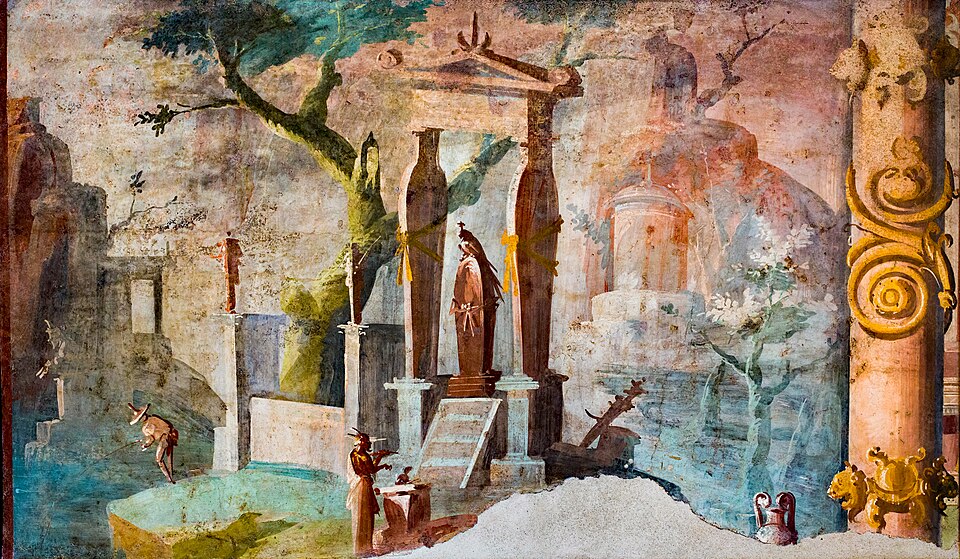
—Before Set separated us, you ruled over the living. What did you want to give to men during that reign that is still spoken of?
I gave them the means to rise from savagery, Isis—you remember, for you ruled at my side. I taught them to work the land, to sow wheat and barley, to recognize the seasons of the Nile. I gave them laws to live together and respect for the gods. Before me, they tore their food like beasts; after me, they cultivated and harvested. That was my first gift, before even that of eternity. And perhaps that is why Set hated me: a king who feeds his people is more feared than a king who subdues them. I wanted Egypt to be an ordered garden, and for that order to survive my person.
Before me, they tore their food like beasts; after me, they cultivated and harvested.
—On your brow, the Atef crown; in your hands, the heqa scepter and the nekhakha flail. What do these insignia say to those who see you?
Each sign I bear is a word of my story, Isis. The Atef crown, which unites the white crown of the South with two plumes, says that I rule over Upper Egypt and over the order of the world. The heqa scepter, curved like a shepherd's crook, says that I lead my people; the nekhakha flail says that I feed them, for it threshes the grain. Together, the crook and flail proclaim: I guide and I give life. And behind my throne stands the Djed pillar, my raised spine, sign that I stand upright after having fallen. The pharaohs take up these emblems to call themselves my heirs. Thus a living king holds in his hands the memory of a god who died and rose again.
The Djed pillar is my raised spine: the sign that I stand upright after having fallen.

—You are often shown wrapped in linen, motionless like a mummy. Is it not strange for a god to appear so bound?
What seems a shackle is in truth my strength, Isis—and no one knows this better than you, who wrapped me with your own hands. The linen that binds me is not a prison: it is the womb from which I emerged alive. To show myself as a mummy is to show the exact moment of passage, the body preserved at the threshold of rebirth. My green skin says the return of vegetation; my stiffness says death conquered, not endured. Men believe the mummy is the end of everything; I teach them that it is the beginning. If I appeared like the other gods, standing and glorious, they would forget that I passed through death. My bound image is a lesson: nothing is reborn that is not first gathered and bound.
The linen that binds me is not a prison: it is the womb from which I emerged alive.
—At Abydos, every year, thousands of pilgrims reenact your death and return. How do you feel when the living thus mimic our pain?
I see in them the continuation of what you accomplished, Isis. When the priests carry my effigy in procession, when the crowd mourns my murder and then acclaims my awakening, they are not putting on a show—they enter into the mystery. Abydos became the heart of my cult because one of my relics is said to rest there. Pilgrims come to die a little in order to be reborn with me, and to set up a stela so that their name may remain near mine. Their tears remake your song of mourning; their joy remakes your triumph. Thus what we experienced once, the people relive endlessly, and my resurrection does not remain a memory: it is reenacted as long as there are men to mourn it and hope for it.
Pilgrims come to die a little in order to be reborn with me.
—And you, my husband, when all is said and done and the temples may one day fall silent, what do you want men to remember of us two?
That no death has the last word when someone remains to love, Isis. Our story is not that of a god betrayed by his brother—it is that of a wife who refused to let me remain scattered. Let men remember this: faithfulness is stronger than Set's blade. I gave agriculture, laws, the promise of the afterlife; but all of that rests on your refusal to lose me. Let them remember that the grain is reborn, that the Nile returns, that the just heart passes the balance—and that behind every rebirth stands a hand that gathered what was broken. As long as they repeat our name at Abydos, neither you nor I will truly be dead.
Faithfulness is stronger than Set's blade.
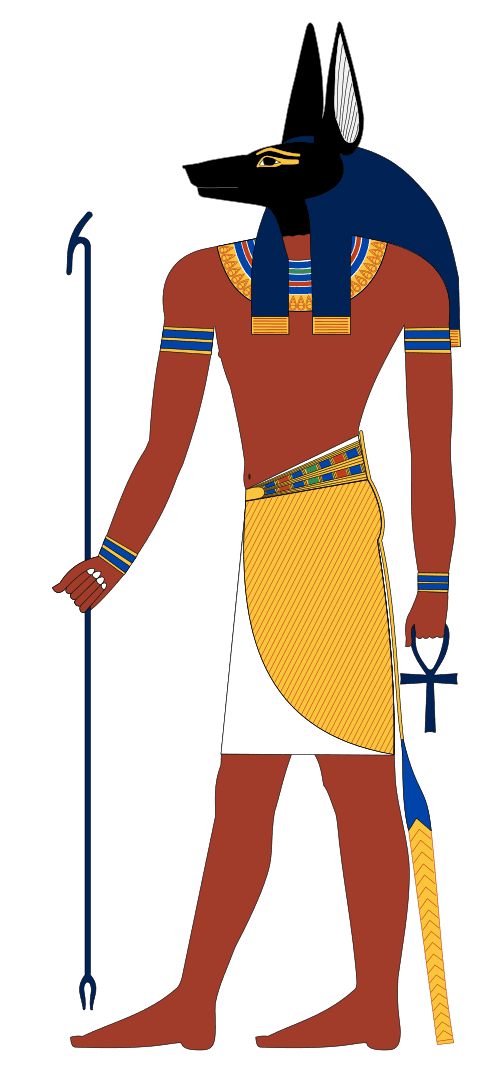
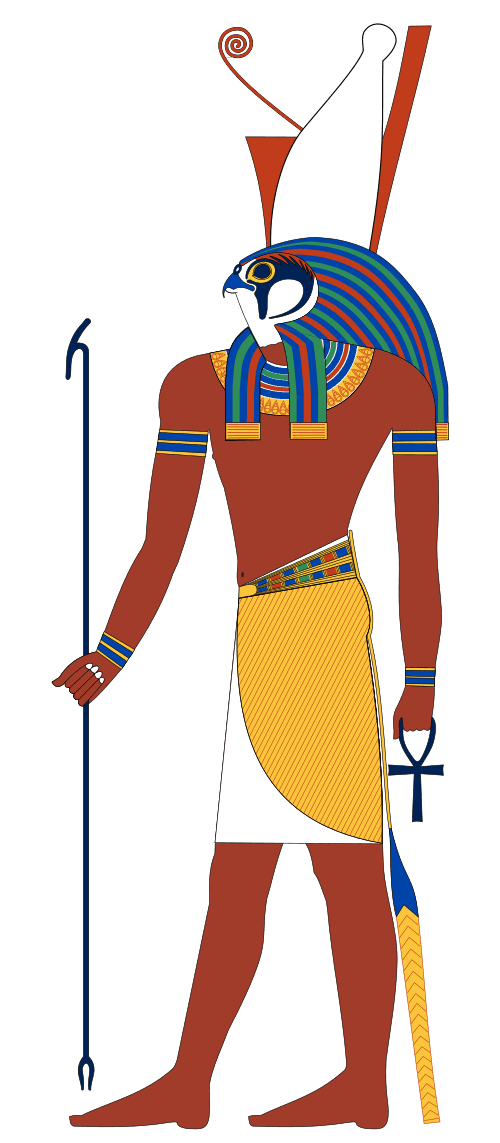
This imaginary interview was generated by artificial intelligence from sources documented in Osiris's profile. It dramatises what the figure might have said based on what we know about them, but does not constitute attested historical testimony. For primary sources and factual documentation, refer to the full profile.