Imaginary interview with Pablo Neruda
by Charactorium · Pablo Neruda (1904 — 1973) · Literature · 5 min read
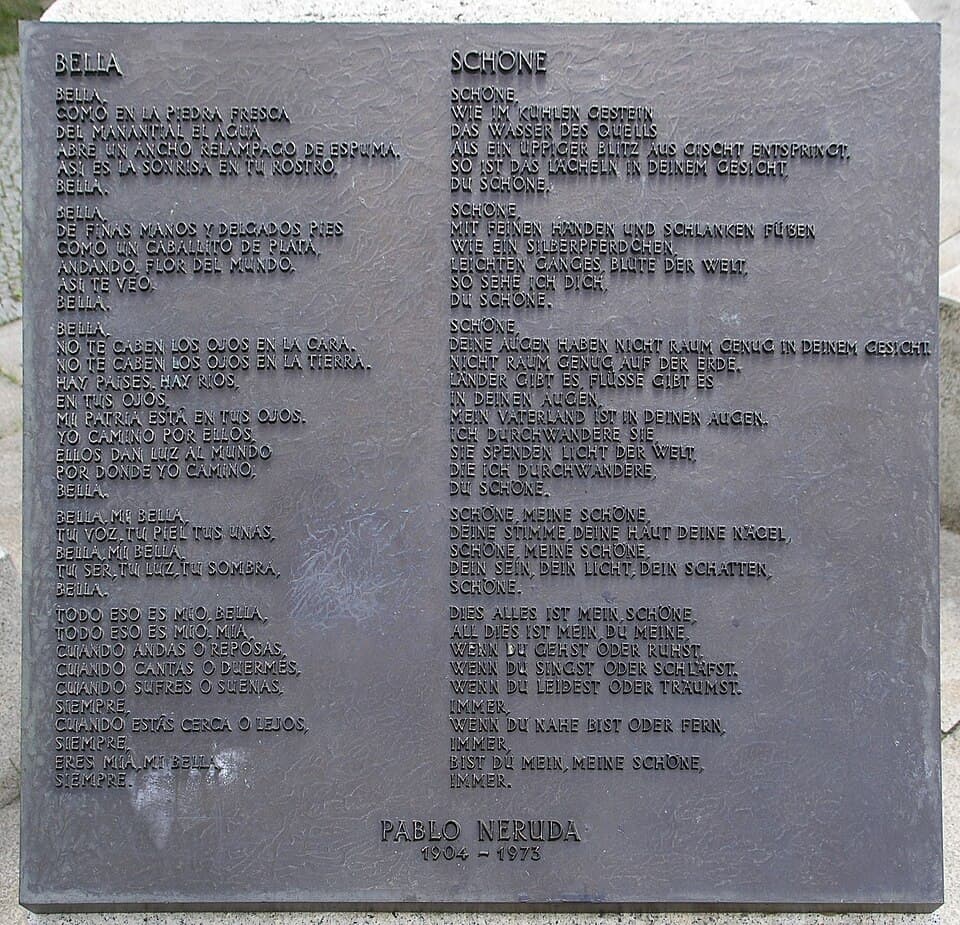
September 1973. In his house at Isla Negra, where the Pacific Ocean pounds beneath windows cluttered with seashells and ship figureheads, Pablo Neruda receives visitors, weakened but lucid, wrapped in his poncho. The sea is gray that morning; the poet agrees to look back on a life where poetry and struggle never ceased to merge.
—How does your writing morning, concretely, unfold?
Every morning, before the world demands anything of me, I sit facing the Pacific, at Isla Negra, and I write by hand, always in green ink. Green, for me, is the color of hope — inking a poem in any other hue would feel like a bad omen. The sea pounds beneath the window, the seashells sleep on the shelves, and the verses rise like the tide, unbidden. I don't believe in inspiration that strikes in the evening, in fever; I believe in the patient discipline of dawn. A notebook, a pen, and that green water flowing from both sides: from the inkwell and from the ocean.
—Do you remember the twenty-year-old boy who published his first major collection?
I was twenty, or barely more, when Veinte poemas de amor y una canción desesperada was published in 1924. I had no suspicion that a melancholy boy from Parral, writing down his sorrows on paper, would be read even in the bedrooms of lovers he would never know. Puedo escribir los versos más tristes esta noche — that night, yes, I wrote the saddest verses, and it's strange, they are the ones most loved. The pseudonym also dated from those years: Neftalí Reyes hid his poetry from his railway-worker father under a name borrowed from a Czech poet glimpsed by chance in a magazine. One chooses a mask in order to speak the truth beneath it.
—What did your friendship with Federico García Lorca in Madrid mean to you?
In Madrid, in the thirties, I was a consul, but above all I was the friend of Federico García Lorca and of that whole Generación del 27 that sang, drank, and invented images until dawn. Federico had the liveliest laugh I have ever known. Then the Civil War broke out, and one morning I learned that he had been executed near Granada, thrown into a ditch by Franco's men. Something broke inside me that never mended. Until then I had written love and anguish; from that death onward, I understood that a poet could not remain silent while his brothers were being murdered.
From that death onward, I understood that a poet could not remain silent while his brothers were being murdered.
—Under what conditions was España en el corazón born?
From that anger was born España en el corazón, in 1937. It is not a book written in the calm of an office: the soldiers of the Republic printed it on the front line itself, with paper made, they say, from shirts and bandages, from whatever was left. Imagine a poetry collection born in the midst of trenches, then carried across the Pyrenees by men in retreat. My sensual lyricism of old gave way to a song for a people in arms. That is, I believe, where my poetry ceased to be a mirror and became an outstretched hand.
—Why did you attack head-on, from the podium, a president you had supported?
In January 1948, from the rostrum of the Senate of Chile, I delivered the speech known as Yo acuso. I had supported President González Videla, and he had betrayed those who had brought him to power, thrown striking miners into prison, handed the country over to Northern interests. Before my peers, I said: Yo acuso al Presidente de la República de haber traicionado al pueblo que lo llevó al poder. One does not accuse with impunity a man who controls the army. A few days later, my arrest was ordered, and I had to disappear. A senator turned, overnight, into a fugitive in his own country.
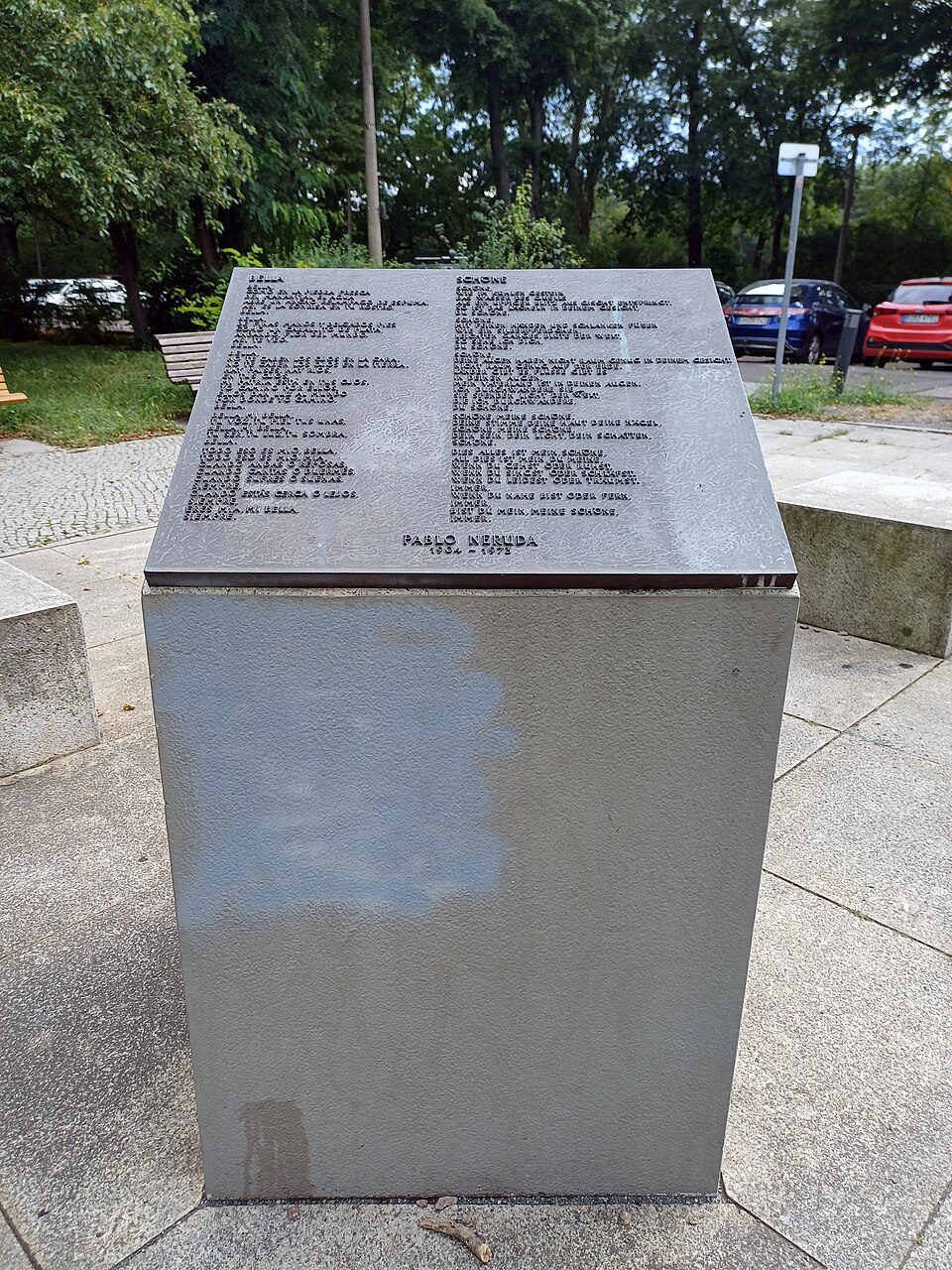
—How did you actually leave Chile that year?
I was hidden from house to house for months, then came the only way out: crossing the Andes on horseback, in the middle of winter, toward Argentina. Imagine a man of letters, not a rider, climbing trails of snow and mud, through southern forests where no sign marks the border. We crossed frozen rivers and slept in huts where they shared their fire and bread without knowing who I was. It is that exilio — that harsh word that so many of my people have known — that led me to Europe. From those mountains, I keep not fear, but the silent fraternity of those men who helped me cross.
They shared their fire and bread without knowing who I was.
—You are said to be an insatiable collector. What do you seek in all those objects?
They call me a collector; I rather call myself a lover of things that the sea and men abandon. In my houses are piled thousands of seashells, ship figureheads torn from old boats, bottles of every color, masks, and even a small locomotive — my father was a railway worker, and the train still whistles in my childhood memory. At Isla Negra, facing the Pacific, it all rises from floor to ceiling like a museum that no one has ordered. I do not possess these objects; they keep me company. Each seashell is a poem that the ocean wrote before me, and I have only to pick it up on the sand.
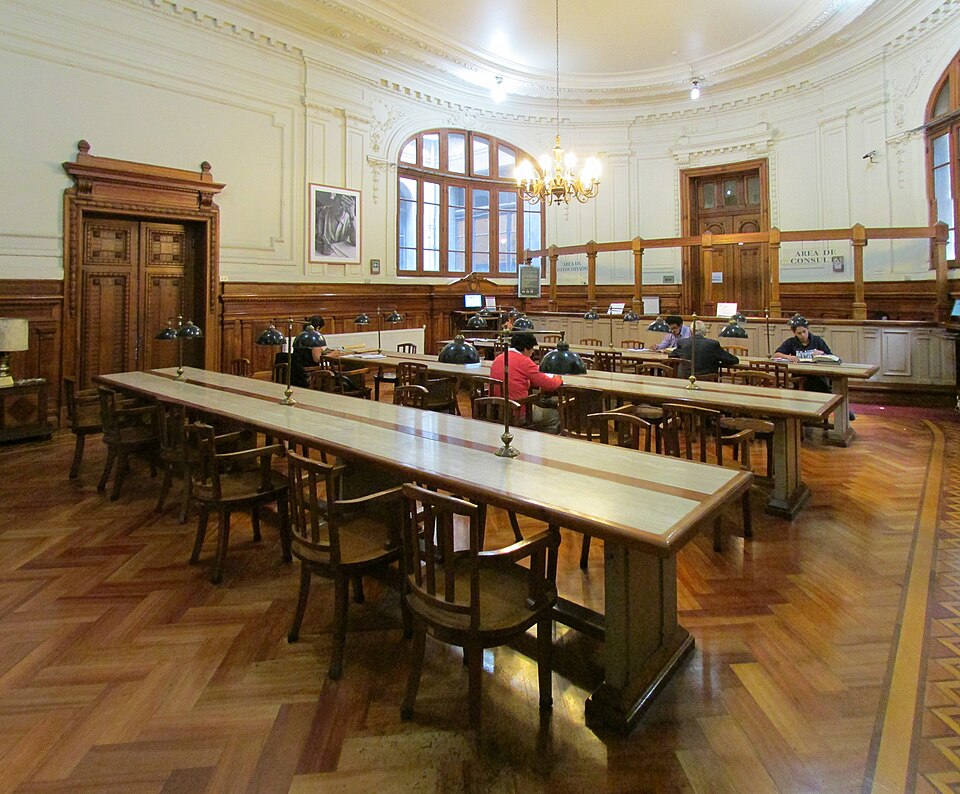
—Did you intend your three houses as works of art in their own right?
I had three houses, and each is a self-portrait. Isla Negra, facing the ocean; La Chascona, in Santiago — which I built for Matilde, hidden in a fold of the hill as our love was at first; and La Sebastiana, perched on the rooftops of Valparaíso. I designed them myself, with staircases that lead nowhere, windows like portholes, rooms where one feels embarked. A house, for me, is not a shelter: it is a poem that one inhabits. There you receive your friends, you uncork Chilean wine, you recite aloud until the heart of the night. Building a house and writing a book, deep down, are the same gesture.
—What did you want to say to the world when you received the Nobel Prize?
When the Nobel Prize reached me, in 1971, I was already consumed by illness, and I knew it. In Stockholm, before those gentlemen in evening dress, I wanted to say that the poet is not a being above others. The poet is not a little god — he is the artisan of a bread that all should be able to break. Poetry, I have always held it as an attempt at reconciliation between man and nature, and with his fellow men, not as a throne. Receiving this honor so late, and ill, filled me with a grave joy: that of a man who sees his long road recognized at the precise moment he feels it ending.
The poet is not a little god; he is the artisan of a bread that all should be able to break.
—What are you experiencing these days, since the coup that overthrew Salvador Allende?
On September 11, 1973, the army overthrew my friend Salvador Allende, and with him everything we had dreamed for Chile. The golpe de Estado extinguished in one morning the hope of an entire people. I am at Isla Negra, very weak, and the news that reaches me grows darker every day: friends arrested, disappeared, books burned. I am told that soldiers are already ransacking my homes. I no longer have the strength to flee a second mountain range. If poetry is an act of peace, as I have written, then I am fading in the midst of the uproar — but with the stubborn certainty that peace, one day, will rebuild what these rifles have destroyed.
This imaginary interview was generated by artificial intelligence from sources documented in Pablo Neruda's profile. It dramatises what the figure might have said based on what we know about them, but does not constitute attested historical testimony. For primary sources and factual documentation, refer to the full profile.