Kids interview Ra
by Charactorium · Ra · Mythology · 5 min read
That morning, two young visitors on a school trip stopped in front of a great temple with golden columns. The sun was rising, warm on their faces. And then, softly, a warm voice answered them: it was Ra, the sun god, happy that someone still took an interest in him.
—Hello Ra! What's your day like when you cross the sky?
Ah, you know, my day begins in the east. In the morning, I board my boat, the Mandjet. Imagine a great ship gliding, not on water, but through the sky. My son Shu, the air, accompanies me with a whole crew. I bring light above your fields, slowly, until evening. At noon, I am at my highest: that's when I warm your crops best. Then I glide toward the west. Down below, in the temples, priests greet me each morning so that everything can begin again. My journey is not a rest, my child. It is a labor. Every day, I keep the world in balance.
My journey is not a rest: every day, I keep the world in balance.
—And at night, do you sleep? Or are you afraid of the dark?
At night, I do not sleep, my child. When I descend in the west, I change boats. I board the Mesektet, the evening boat, and plunge into the Duat — that's the underworld, the realm of the dead. There, in the dark, an immense serpent awaits me: Apophis, chaos. Every night, it wants to swallow my light. So I fight it. Imagine a battle in an endless cave, where you must win so that morning returns. And I win, always. Otherwise, believe me, the sun would not rise. Fear? No. It is my duty. Disorder must never overcome Ma'at, the order of the world.
Every night I fight the serpent, so that your morning may return.
—You are drawn with a falcon's head. Why a bird?
Good question! The falcon, you see, flies higher than all birds. It sees everything, from very far. That's why I am drawn this way, especially when I am called Ra-Horakhty. Above my head is a great golden disk: that is the sun itself, my face of light. Imagine a circle of gold so bright you cannot look at it directly. But I am not always a falcon. In the morning, I become a scarab, Khepri, who rolls the sun like a little ball. In the evening, I am a tired old man. I change form according to the hour. That is my way of telling the passing of time.
I change form according to the hour: that is my way of telling time.
—A scarab?! Like the little insects? Why that?
Yes! That surprises you, doesn't it? You know, in my country, the Egyptians observed a little scarab beetle that pushes a ball in front of it, rolling. And they said to themselves: that's exactly what Ra does with the sun at dawn! So they called me Khepri, the morning scarab. In an old text, the Book of the Dead, it is sung: you rise as Khephri. That means: you are reborn every morning. Because this little insect seems to be born from the sand all by itself. For them, it was the sign of rebirth. Imagine: a tiny animal that becomes the symbol of the returning sun. That is why I also bear this form.
A tiny scarab became the symbol of the reborn sun.
—But where do you come from? Who created you?
No one, my child. And that is the strangest part. Before me, there was nothing. No sky, no earth, not even the other gods. Just a great dark and silent ocean. And from there, I created myself. Imagine a light that lights up all alone in total darkness. That is me. Then I gave birth to air, water, earth, sky… and all the gods that followed. An old hymn says I am the creator of all things. The priests of Heliopolis told this story to explain where the world came from. I am the first. The beginning of everything. That is why I am also called the king of the gods.
Before me there was nothing: I created myself.
—What is it like to be king of all the gods? Is it heavy?
You are right, it is not light. Being king is not just commanding. It is carrying the world. Since I am the creator, it is up to me to ensure that everything continues: that the sun returns, that the Nile rises, that the crops grow. If I stopped for a single night, everything would collapse. The Egyptians called this order Ma'at: the just balance of the world. My work is to protect it tirelessly. Imagine you had to relight the light every morning for millions of people. That is my task. So yes, it is heavy. But I do it with joy, because without this effort, there would be no day, no life, no you.
Being king of the gods is not commanding: it is carrying the world.
—They say your true name was secret. Is that true? Why?
Ah… you touch upon my greatest mystery. Yes, my true name, I kept it hidden, deep inside me. You will understand why. In my country, they believed that a name was not just a word. To know a god's true name was to have power over him. Imagine someone knew a secret so deep about you that they could command you. Frightening, isn't it? So I let men call me Ra, Khepri, Atum… but my secret name remained safe. It was my most precious treasure, more than my boat or my golden disk. For whoever holds the name holds the strength.
He who knows your true name holds your strength.
—But then you trusted no one? That must be sad.
It is not mistrust, my child, it is prudence. You know, even a god must protect himself. The Egyptians wrote these ideas in their texts during the New Kingdom, over three thousand years ago. For them, words had real power. A spoken name, a recited formula, and the forces of the world could move. So keeping my name was not being alone: it was keeping the balance. Imagine a key that opens all doors. You would not leave it lying around, would you? My name was that key. And besides, I had my priests, my temples, those who loved me every morning. No, I was not sad. I was simply prudent.
Keeping my name was not being alone: it was keeping the balance.
—Did you have a home on Earth? Where people came to see you?
Yes! My great home was Heliopolis, also called Iunu. It was my oldest and most important temple, near the present-day city of Cairo. There lived my priests, who tended to me every day. And all around, the pharaohs had tall pointed stones raised toward the sky: obelisks. Imagine a giant stone needle, whose gilded tip catches my first rays in the morning. That was their way of touching me with their gaze. People came to bring me bread, beer, fragrant incense. This lasted for over three thousand years, my child. Few homes on Earth have been loved as long as mine.
An obelisk is a stone needle that catches my first rays.
—And is it true that the pharaohs claimed to be your sons? For real?
Yes, every pharaoh called himself son of Ra. That was a great title, you know. By calling himself my son, the king showed that his power came from me, the creator. It made him sacred in the eyes of all. And then, during the New Kingdom, something curious happened: I united with another great god, Amun, the hidden god. Together, we became Amun-Ra. He, the invisible; me, the light that is seen. The priests called this syncretism — when two gods become one. Imagine two rivers that join to form a great river. That is what we became: the greatest power in all of Egypt.
Amun was the invisible, I the light that is seen: together, one river.
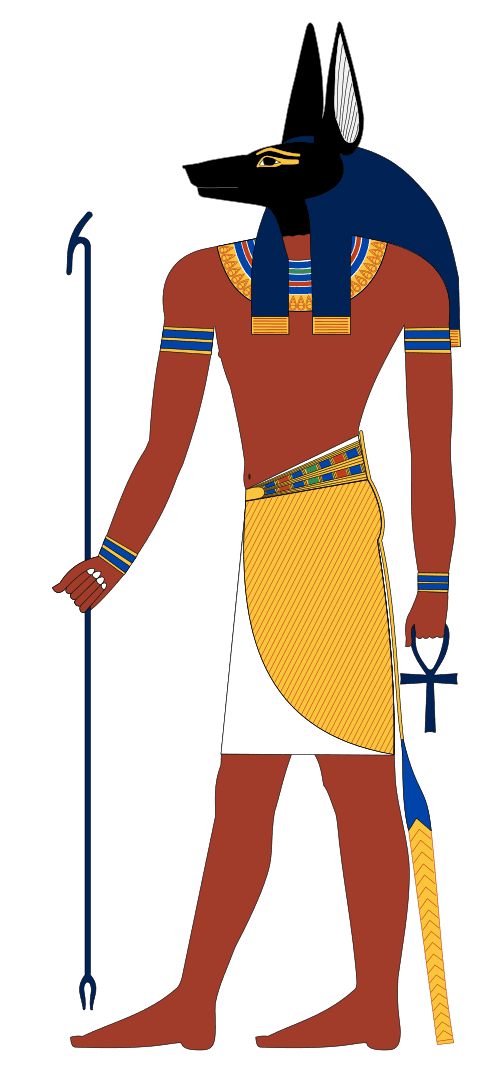
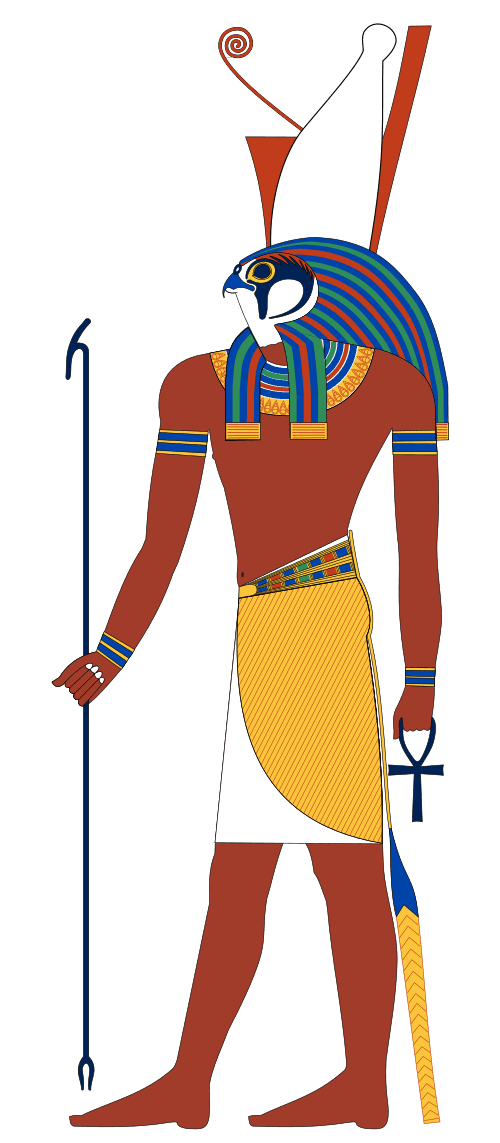
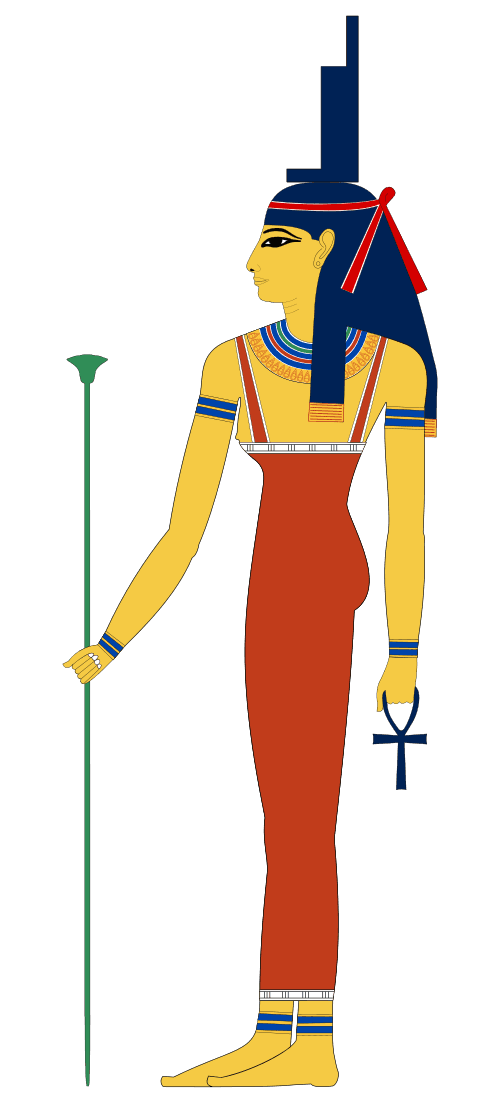
This imaginary interview was generated by artificial intelligence from sources documented in Ra's profile. It dramatises what the figure might have said based on what we know about them, but does not constitute attested historical testimony. For primary sources and factual documentation, refer to the full profile.