Kids interview Sappho
by Charactorium · Sappho (650 av. J.-C. — 569 av. J.-C.) · Literature · 5 min read

Two 12-year-old students visit an exhibition on ancient Greece. Before a statue of a poetess holding a lyre, they dare to ask their questions. And lo, Sappho, with her gentle voice, answers them.
—What was your job? What did you teach the young girls?
My child, I lived on an island called Lesbos, in a city named Mytilene. Around me, there was a group of young girls. We called it a thiasos. It was a circle for learning, a bit like a school, but where we sang. I taught them poetry, music, and dance. Imagine a courtyard in the morning, with voices repeating songs. We also honored Aphrodite, the goddess of love. I didn't write alone in my corner: I passed on what I knew. That's what made me happy — seeing a shy girl dare to sing in front of others.
I didn't write alone in my corner: I passed on what I knew.
—What did you eat in the morning, in your house?
You're curious, I like that! In the morning, I got up at dawn, in my house organized around a courtyard. No engine noise, you know — just the birds and the sea. For the meal, we had barley bread, figs, grapes, cheese. And since the sea surrounded Lesbos, we often ate fresh fish. Meat was rare, only on religious festival days. I wore a long linen tunic called a chiton. Imagine a light fabric reaching down to the feet, sometimes with a gold jewel. That's what a morning at my house was like.
No engine noise — just the birds and the sea.
—How did you write your poems?
Good question! In my time, you didn't recite a poem silently. You sang it. I held a lyre — a small stringed instrument, plucked with the fingers. Imagine a kind of small harp held against you. Words and music went together; they never parted. My most famous complete poem is addressed to the goddess Aphrodite. I call on her, I ask her to calm my heart. Then we wrote on papyrus, a kind of paper made from reeds. But the real poem lived mainly in the voice and in memory.
Words and music went together; they never parted.
—What were your poems about? Love?
Yes, often! But not just love like in stories. I spoke about what one truly feels, inside. In one of my poems, I describe what happens when you look at someone you love: "my heart flutters in my chest". Do you know that feeling, when you can't speak anymore? Well, I was one of the first to put it into words. I also sang about friendship among the girls of my thiasos, beauty, nature. For me, the most beautiful sight in the world was not an army: it was the person you love.
The most beautiful sight in the world was not an army: it was the person you love.
—They say a great philosopher called you the 'Tenth Muse'. Is that true?
It touches me that you know that! The Muses, in Greece, were nine goddesses who inspired artists. It is said that the philosopher Plato called me the Tenth Muse. Imagine being placed on the level of a goddess, just for your songs! It was a huge honor. In my time, they said I had composed nine books of poems. Scholars still quoted me centuries after my death. But you know, I wasn't seeking glory. I wrote what I felt, simply. And maybe that's why my words have traveled so far through time.
I wasn't seeking glory: I wrote what I felt, simply.
—Why were almost all your poems lost?
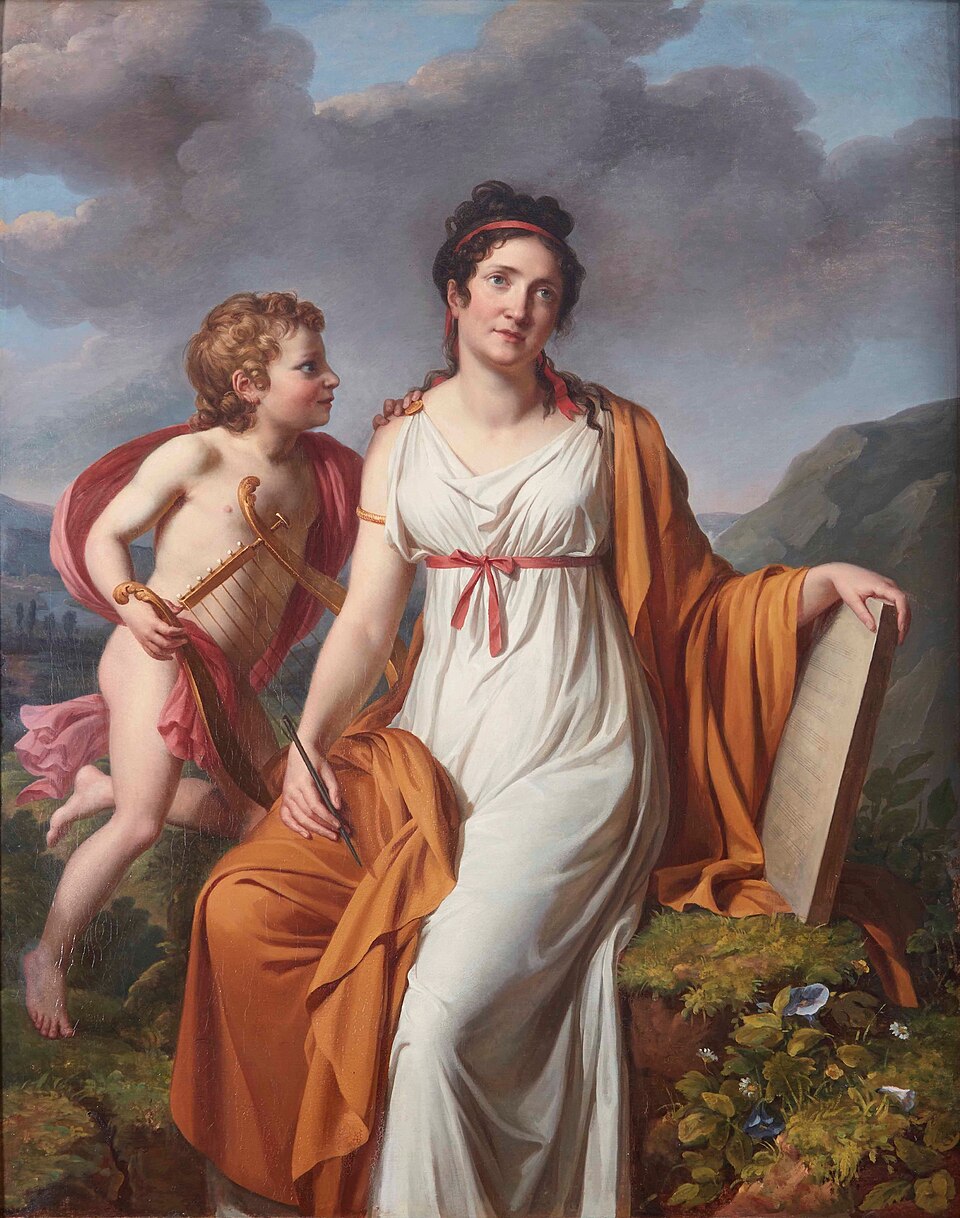
Ah, that makes me sad, I admit. You must understand something: in my time, there were no printed books. Each poem was copied by hand on papyrus. And papyrus tears, burns, rots with humidity. Over the centuries, almost everything disappeared. Often only pieces remain, called fragments. But here's a wonderful thing: long after me, two of my poems were found on an old papyrus buried in Egypt. Imagine! Words lost for thousands of years coming out of the sand. Nothing is ever completely lost.
Words lost for thousands of years coming out of the sand.
—Is it true you had to leave your island? Why?
Yes, my child, I experienced exile. That means being forced to leave your home far behind. On Lesbos, the great families constantly fought for power. Imagine your village divided into clans that hate each other. My family belonged to the aristocracy, those rich and important families. When a clan lost, it had to flee. That's how I had to leave for Sicily, a large island far away, near Syracuse. It wasn't for my poems, but for politics. It shows I wasn't just a singer: I was someone who mattered in my city.
Exile means being forced to leave your home far behind.
—What was it like being far from home, over there?
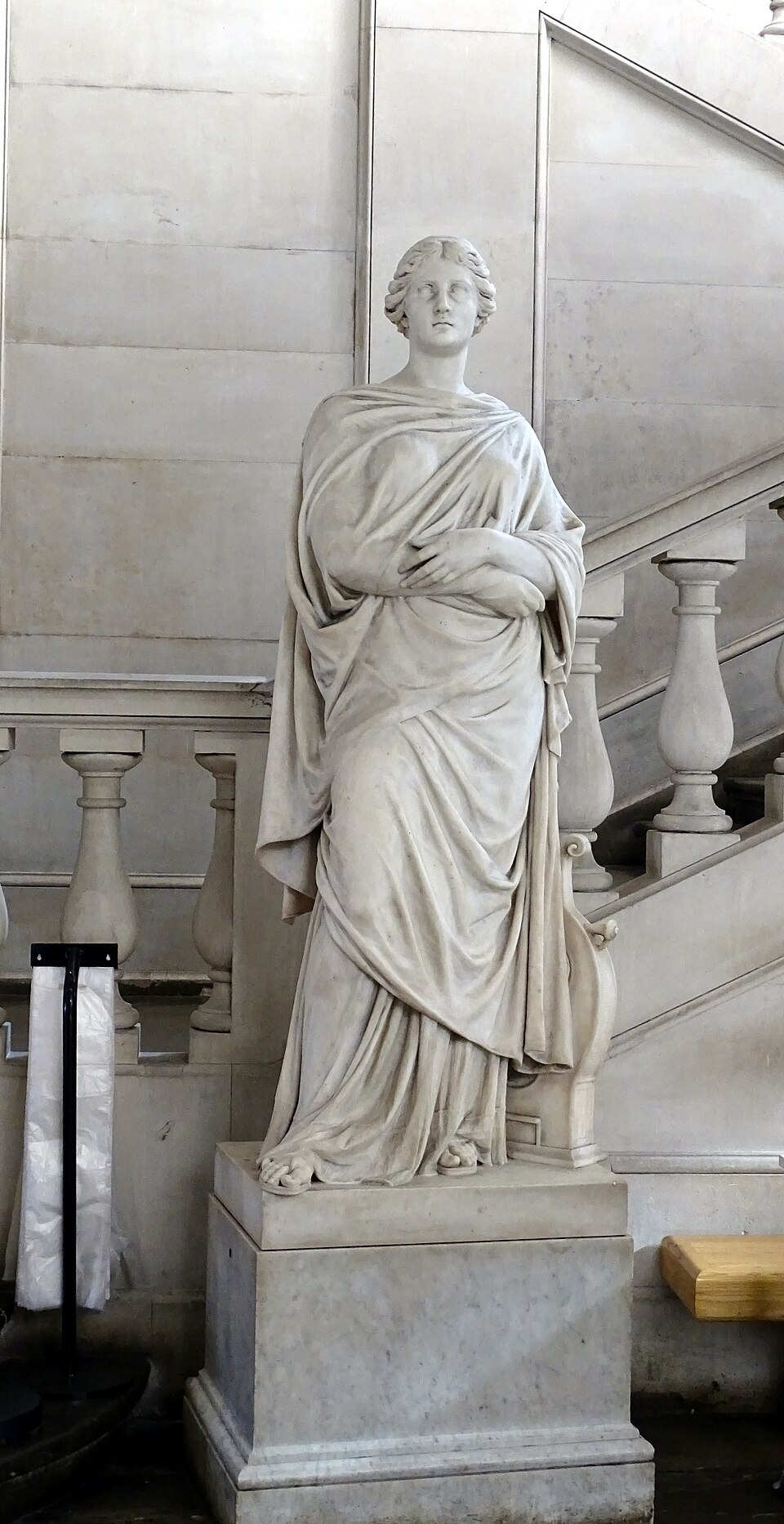
It's hard, you know. When you love a place, leaving it is like leaving a part of yourself. Over there, in Sicily, the sky and sea looked like those of Lesbos, but they weren't mine. I thought of my house, my courtyard, my young girls of the thiasos left behind. For a poetess, absence becomes material for song. I turned my sadness into verses. That's perhaps the secret of artists, my child: even pain, you make something beautiful out of it. Fortunately, later I was able to return to Mytilene, my hometown.
Even pain, you make something beautiful out of it.
—They say you jumped off a cliff for love. Did that happen?
Ah, that story! Listen to me carefully, my child, for you must learn to doubt. They say I threw myself off the Leucadian Rock for love of a ferryman named Phaon. A ferryman is a man who steers a boat. But this legend was invented long after my death, by comic authors, to make people laugh or cry. It's not true. People were so fascinated by my love poems that they imagined a tragic end for me. Beware of beautiful stories that are too perfect: sometimes they hide the fact that everything was made up.
Beware of beautiful stories that are too perfect: sometimes everything was made up.
—But then, what is true love in your poems?
True love, in my poems, is not a legend with a rock. It is much simpler and stronger. It's that moment I described: you look at someone, and suddenly "my heart flutters in my chest". Your breath catches, your hands tremble. You've surely felt that for someone, or for your best friend. I wrote it with true words, without cheating. That's what matters: not the story invented later, but the sincere emotion put into a song. That is what crosses the centuries and still speaks to you today.
Not the story invented later, but the sincere emotion put into a song.
Read further
This imaginary interview was generated by artificial intelligence from sources documented in Sappho's profile. It dramatises what the figure might have said based on what we know about them, but does not constitute attested historical testimony. For primary sources and factual documentation, refer to the full profile.