Imaginary interview with Sophocles
by Charactorium · Sophocles (495 av. J.-C. — 405 av. J.-C.) · Literature · 5 min read
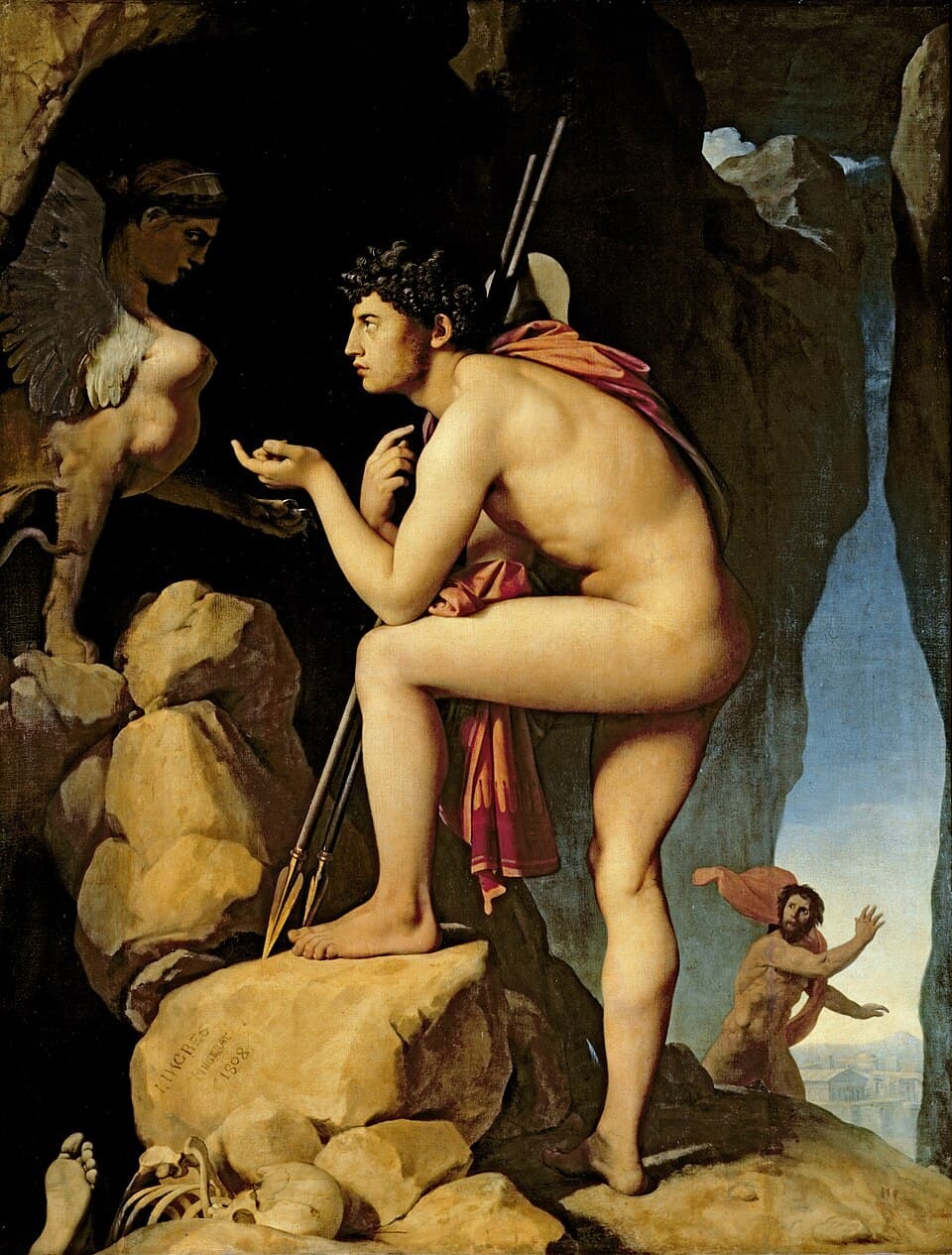
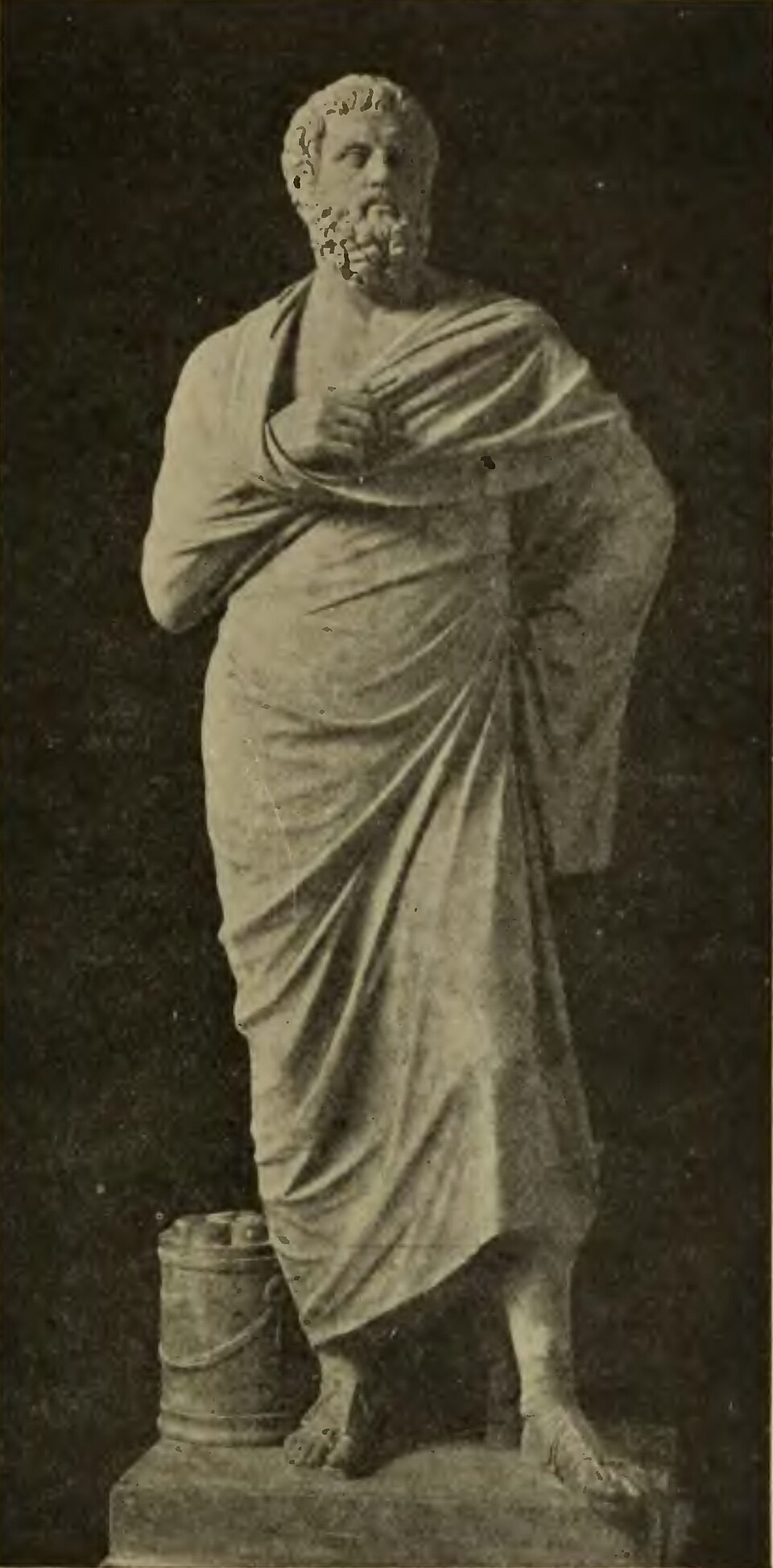
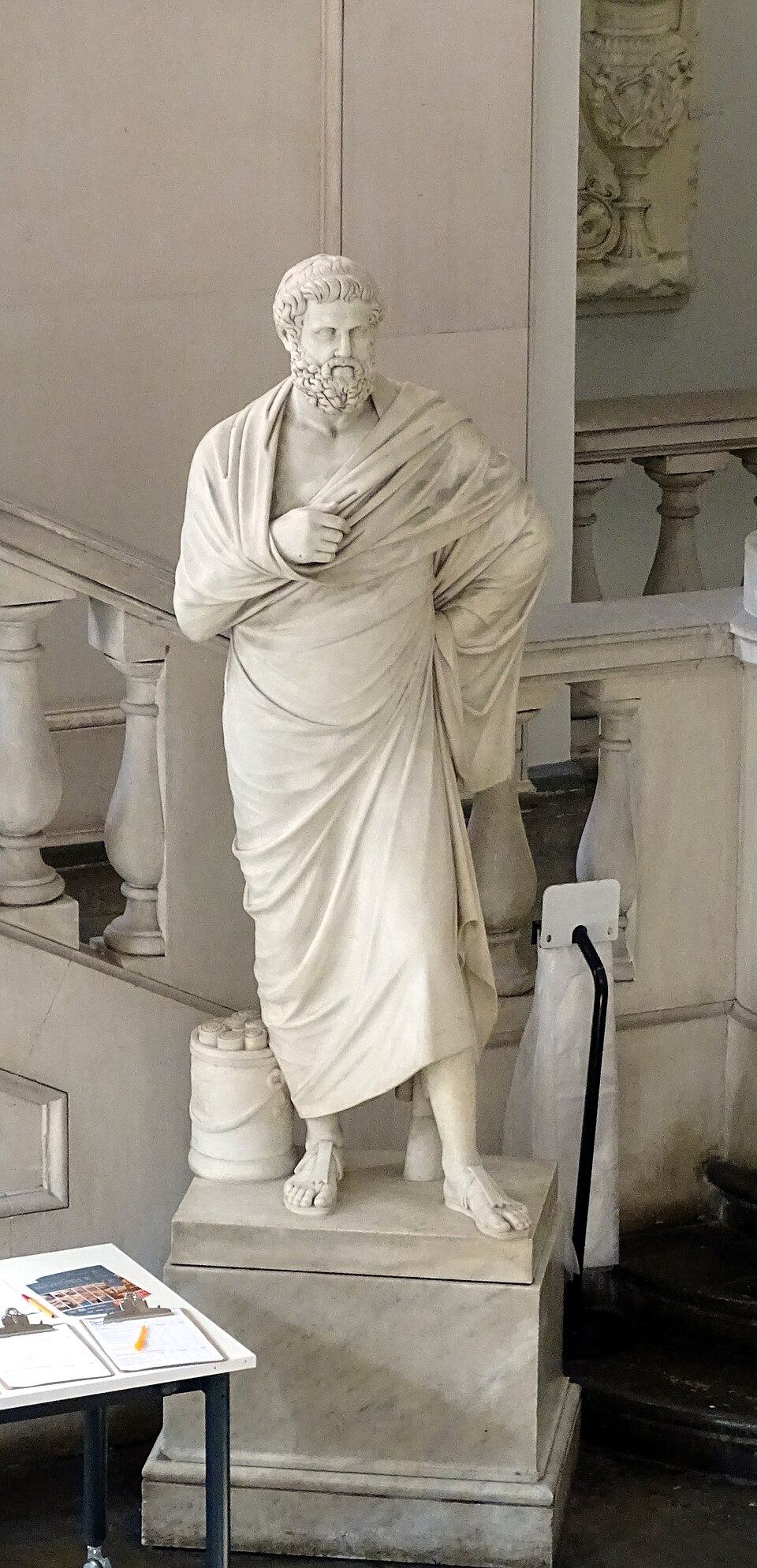
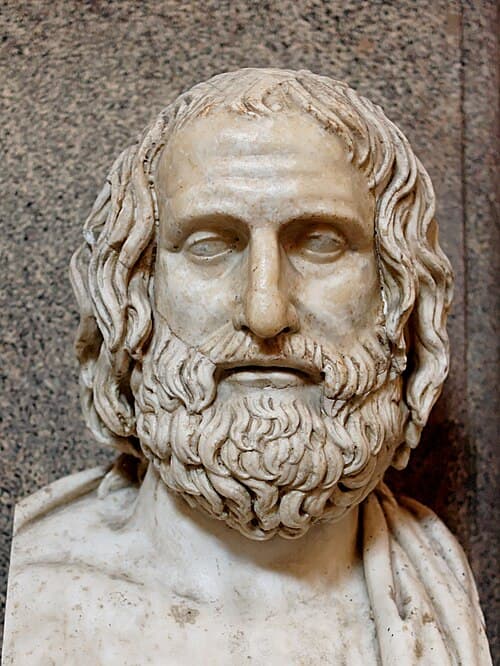
Athens, a warm evening at the end of the 5th century. The old poet receives visitors near the sanctuary of Colonus, where he was born, draped in his light wool himation. His voice is calm, his sentences brief; behind him, one can still make out the tiers of the Theater of Dionysus where, so many times, the city held its breath.
—You are known as a poet, but you also bore arms for Athens. How did you become a general?
The Athenians elected me general the year Pericles governed the city like a charioteer driving a nervous team. People think a man of the chorus can only weep for his heroes; yet I sat on the council, I voted to dispatch the triremes, I saw up close how little war resembles the stories sung about it. I was not the best tactician — my colleagues said so with a smile — but a poet who ignores Attica, its harbors and its rages, writes shadows without bodies. Pericles reproached me for judging men like characters; I replied that he judged characters like soldiers. The city needed both perspectives.
A poet who ignores Attica, its harbors and its rages, writes shadows without bodies.
—Your very first victory, in 472, pitted you against Aeschylus, the undisputed master. What remains of that day?
I was young, my beard barely thick, and Aeschylus reigned over the Dionysia like an old lion on his hill. When the archon proclaimed my name above his, the crowd murmured like the sea before a swell. I did not triumph: I felt almost ashamed to surpass the one who had taught me that tragedy weighs gods and men on the same scale. They say he left Athens soon after, wounded. I never quite believed it. Over my life I won that laurel crown nearly twenty times; none cost me as much gravity as the first, because it was taken from a master I revered.
Tragedy weighs gods and men on the same scale.
—You are credited with introducing a third actor on stage. Why this boldness?
With two actors, drama is nothing but a duel: one speaks, the other answers, and the chorus decides. But life is not a duel. Antigone confronts Creon, yes; yet Ismene had to be there, trembling, so that the spectator might feel the temptation to yield. So I brought in a third voice, and suddenly the stage breathed like a real house where several hearts contradict each other. The mask of linen and plaster, immobile, forces everything to be expressed through posture and breath; with three, silences become characters themselves. The actors first grumbled at me. Then they understood they were given not one more rival, but one more mirror.
—How was a play born, concretely, in your daily life as an author?
In the morning, after bread and olives, I would unroll a papyrus scroll on my knees and listen. Writing a tragedy is not inventing: it is straining one's ear to a myth that every Athenian already knows, and finding the exact spot where it hurts. In the afternoon, I would go down to the Theater of Dionysus to rehearse the chorus — fifteen men to be tuned like the strings of a lyre, not too tight, or they break the verse. I would correct a step, a breath, until the lament sounded true. In the evening, sometimes at a banquet, a guest would recite my own verses, mangling them, and I would learn which lines would survive my voice.
Writing a tragedy is straining one's ear to a myth that everyone knows, and finding the exact spot where it hurts.
—Let us come to Antigone. What did you want to set in motion in this young woman who defies the king?
Antigone does not rebel out of pride; she buries her brother because there are laws older than the edicts of kings. I make her say to Creon that she did not think his edicts had "enough force to compel a mortal to transgress the unwritten and unfailing laws of the gods." Everything is there, in that confrontation of 442. Creon is no cheap tyrant: he sincerely believes he serves the city. That is the tragedy — not the battle of good against evil, but of two justices that are each right, and cannot live together. The spectator leaves the theater torn, and that is very well.
Tragedy is not good against evil, but two justices that cannot live together.
—Does Creon seem guilty to you, or merely blind?
Blind, first. That is the malady of rulers: they confuse the order of the city with the order of the world. Creon defends the polis, its walls, its honored dead, and its traitors thrown to the dogs — he even has reasons. But he forgets that above an evening's edict watch laws that no magistrate has signed. When he understands, he has already lost his son and his wife; his lucidity comes like a lamp lit on a field of ashes. I did not write this play to condemn a man. I wrote it so that every archon sitting in the tiers might feel a shiver, and wonder, on his way home, whether he himself is a Creon in disguise.
—Oedipus rushes to his ruin while trying to avoid it. Where did you get this relentless mechanism?
Oedipus is the most intelligent man in Thebes: he defeated the Sphinx. And it is precisely his intelligence that plunges him, because he wants to know, at all costs, who has polluted the city. Every step toward the truth is a step toward the abyss. The Greeks call anagnorisis that moment when the veil falls; in Oedipus, recognition and fall are one. When he discovers everything, he cries: "O destiny! Why was I born? Alas! I have unwittingly committed the crimes you destined for me." I did not want to portray a guilty man, but a man who pays for faults committed blindfolded. The spectator, however, has known from the start. It is that knowledge that grips the throat.
Every step of Oedipus toward the truth is a step toward the abyss.
—You often speak of destiny. Is man then without freedom?
Do not misunderstand: Moira sets the term, not every step of the path. The oracle announces to Oedipus his fate, but it is he who chooses anger at the crossroads, he who chooses to seek the truth to the end. Hubris, that excess that makes man believe he surpasses the gods, is not in destiny: it is in the way he bears it. That is why my heroes remain great even in their ruin — they fall standing. I do not teach resignation. I show that a mortal can be broken without being degraded, and that in this bearing before the inevitable, there is something even the gods might envy.
Moira sets the term, not every step of the path.
—You have spanned almost an entire century. What upheavals did you see with your own eyes?
As a child, I heard men returning from Salamis, in 480, the salt still in their beards, telling how the Great King's fleet had shattered on our oars. Then I saw Athens covered in marble, the Parthenon rising stone by stone, and the city believing it would never die. Then came 431, the war against Sparta, and the following year the plague that carried off Pericles like a wisp of straw. I saw, in short, the day and the twilight of the same city. A poet who lives so long becomes a living memory: I carry within me dead whom the young know only through my verses.
—At over eighty years old, you are still writing. What does one seek to give the theater at that age?
They think I am finished, and I bring Oedipus back on stage — no longer the proud king, but the blind old man who dies at Colonus, on my own native soil. Oedipus at Colonus, I composed when my hands already trembled on the papyrus. At that age, one no longer writes fury: one writes peace, the forgiveness one no longer hoped for. The accursed hero becomes, in dying, a blessing for the city that welcomes him. I believe I needed, before departing, to reconcile destiny and gentleness. The gods granted me a long life; it would have been ungrateful to end it with a cry. I wanted it to end as evening falls on Attica — without clamor, slowly.
At that age, one no longer writes fury: one writes peace.
This imaginary interview was generated by artificial intelligence from sources documented in Sophocles's profile. It dramatises what the figure might have said based on what we know about them, but does not constitute attested historical testimony. For primary sources and factual documentation, refer to the full profile.