Kids interview Theseus
by Charactorium · Theseus · Mythology · 5 min read
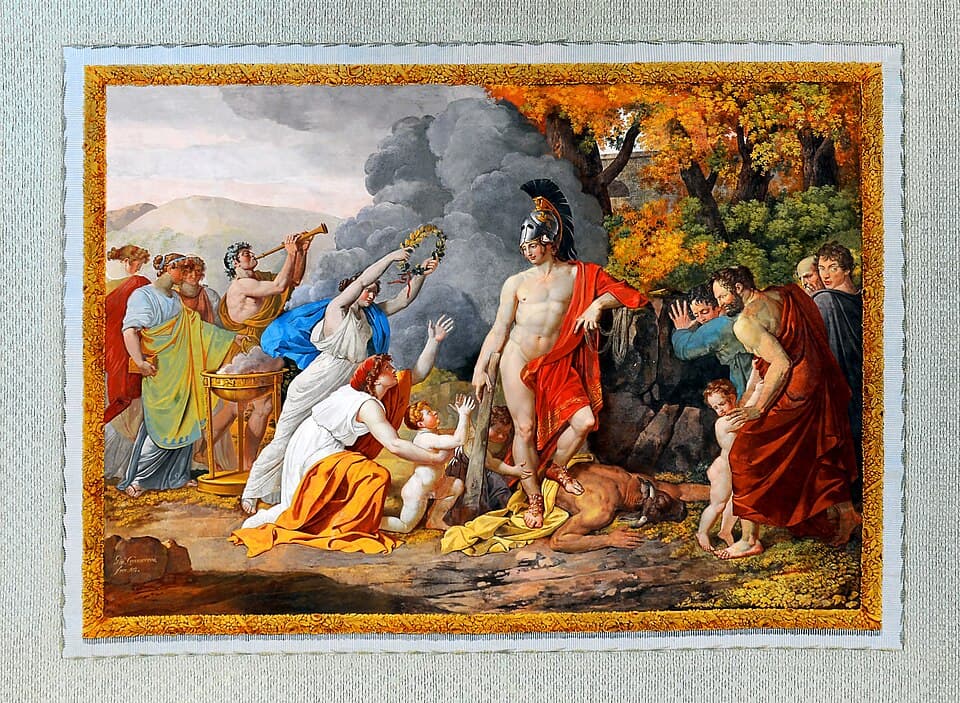
Two young visitors, on a school trip, approach the hero at the foot of the palace of Athens. Theseus greets them with a smile, surprised and touched that children want to listen to him. He sits down near them and begins to tell his story.
—Is it true that Athens had to send young people to Crete? Why?
Yes, my child, and it was a terrible thing. Each year, my city had to deliver seven boys and seven girls to King Minos in Crete. Imagine taking fourteen of your classmates and sending them far away, never to see them again. They were fed to the Minotaur, a monster half-man, half-bull. It was called the tribute: a kind of tax, but paid with children's lives. When I saw the families weeping on the docks, my heart tightened. I was the king's son; I didn't have to go. But how could I look those parents in the eye while staying safe in the palace?
That tax was paid with children's lives.
—Were you afraid when you boarded the ship for Crete?
Of course I was afraid. Anyone who tells you a hero is never afraid is telling you a story. I boarded the Athenian boat with the other young people, and the salty wind pushed us toward an island from which, perhaps, no one would return. My father Aegeus stood on the shore, his face gray with worry. I had promised him I would come back. But you know, fear didn't stop me from moving forward. Quite the opposite: I was afraid because I cared about those children. And it was that fear that gave me the strength not to back down.
Anyone who tells you a hero is never afraid is telling you a story.
—How did you manage not to get lost in the Labyrinth?
Ah, that's the most precious secret! The Labyrinth was a construction made by the engineer Daedalus: endless corridors that turned and crossed, where you lost all sense of direction. You went in, and you never came out. But a princess of Crete, Ariadne, gave me a simple linen thread. I tied one end to the entrance and unrolled it behind me as I walked. Imagine a long thread laid on the ground, all along the dark path. After the fight, I just followed it back to find the light. A small thread defeated a great trap.
A small thread defeated a great trap.
—And the Minotaur, was he really frightening? How did you fight him?
He was, yes. Imagine an enormous human body, but a bull's head with horns, and a breath that echoed in the dark. In that narrow corridor, I could barely see him; I mostly heard him. I had no armor, only my hands and my courage. We fought hand-to-hand in the darkness of the Labyrinth. It was long and brutal. When the beast fell, the silence almost scared me. You see, that monster was chaos, savagery. By defeating him, I didn't just save fourteen young people: I made the world a little more just.
That monster was chaos; by defeating him, I made the world more just.
—Before all that, what was the journey to Athens like?
Dangerous, my child! Before I was a king, I was a young man walking alone to Athens from Troezen, where I grew up. Back then, the roads weren't safe. Imagine a dusty path, with no one to protect you, where brigands waited for travelers. On the Isthmus of Corinth, I faced cruel bandits like Sinis and Sciron, who tortured passersby. I stopped them one by one. Later, at Marathon, I even subdued a furious bull that was ravaging the plain. Each trial cleaned the road a little more, so that people could travel in peace.
Each trial cleaned the road, so that people could travel in peace.
—Why did you go to all that trouble for those roads?
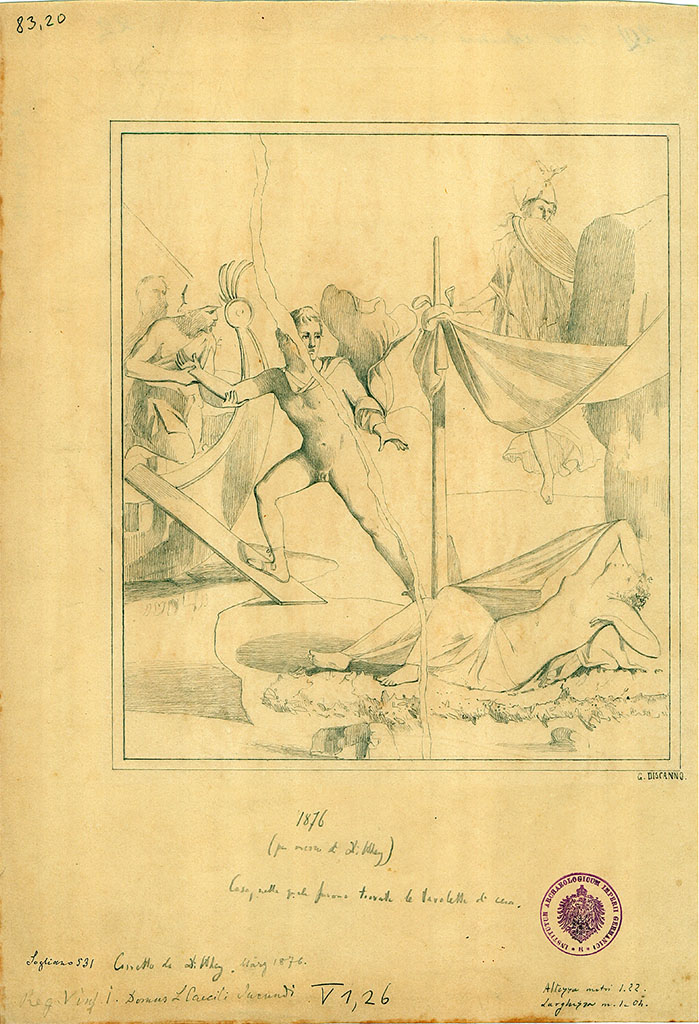
Good question, you see far! You know, a hero is useless if he only thinks of his own glory. On the Isthmus of Corinth, those brigands made the roads terrifying. A mother no longer dared go to the market in the neighboring village. A shepherd feared returning home in the evening. By clearing the road of Sinis and Sciron, I wasn't fighting so that people would talk about me. I was fighting so that a family could walk in peace. That's what it means to be a civilizing hero: to make the world livable. Defeating a monster is spectacular. But protecting ordinary people is even more important.
Defeating a monster is spectacular; protecting ordinary people is even more important.
—What does « uniting Attica » mean? I don't understand well.
I'll explain it simply. Before me, the region around Athens, called Attica, was like a handful of separate little villages. Each had its own leader, its own laws, its own quarrels with the neighbor. Imagine a class where each student shouts in their corner without ever listening to each other. I wanted them to form a single city, a single family, around Athens. This is called the synoikismos: making those who lived separately live together. It wasn't easy; I had to convince, not just command. But once united, they were much stronger. Alone, they were fragile; together, they became a true city.
Alone, they were fragile; together, they became a true city.
—You were king, but they say you gave power to the people?
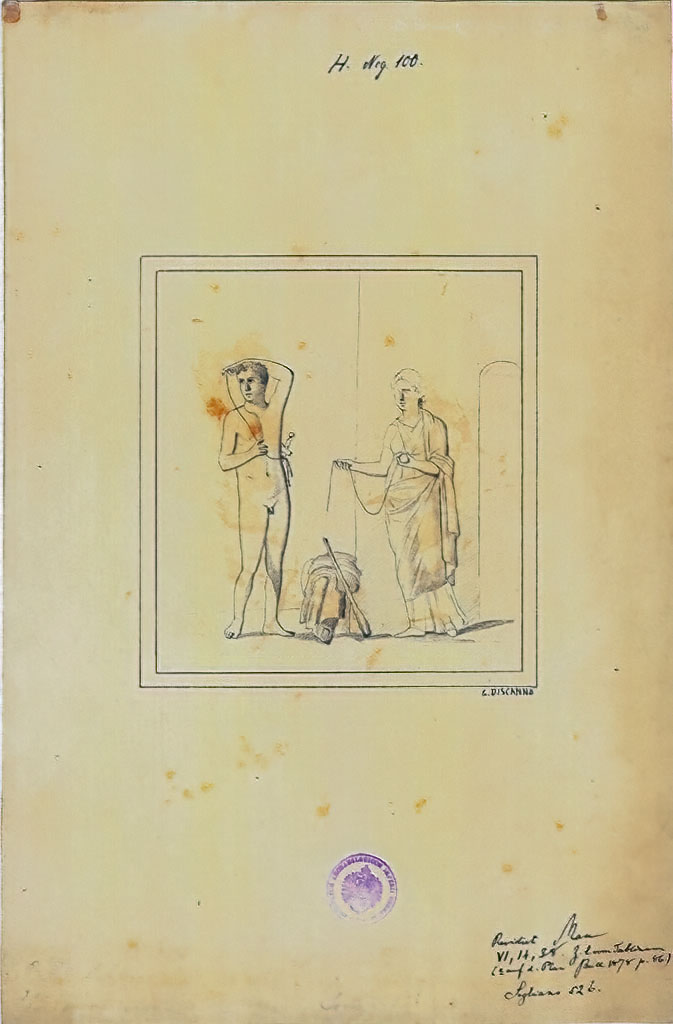
That's true, and many kings didn't understand me. I could have kept everything for myself: decide alone, answer to no one. That's what the powerful of my time did. But I chose to share, to give a voice to the citizens of Athens. Imagine a leader who, instead of deciding everything alone, gathers the inhabitants so they decide together. That was new, and a bit frightening for the neighboring kings. Much later, they said I had laid the first stones of what my city became. A king who shares his power is not weaker. He is wiser.
A king who shares his power is not weaker: he is wiser.
—What was a normal day at the palace like?
My day started early, in the calm. At dawn, I paid homage to the goddess Athena, protector of the city: a few offerings, prayers. Imagine a large stone hall, the megaron, where light enters through the roof and a fire burns. In the morning, I received the inhabitants, listened to their disputes, and administered justice. In the afternoon, I still trained: wrestling, weapons, because a king remains a warrior. In the evening, I gathered nobles and citizens around a banquet, with music and stories. We ate bread, olives, cheese, and we always cut the wine with water.
—And after your death, what happened to you?
My end was sad, my child. I had left power, and I died far from home, on the island of Skyros. For a long time, I was almost forgotten. But centuries later, the Athenians remembered me. They created a cult in my honor, celebrated my exploits, made me the founder of their city. Imagine your story being told at festivals, your adventures sung to children. A poet even compared me to Romulus, the founder of Rome. It's strange, you see: sometimes you become more alive in people's memory than you were in life.
You sometimes become more alive in people's memory than you were in life.
This imaginary interview was generated by artificial intelligence from sources documented in Theseus's profile. It dramatises what the figure might have said based on what we know about them, but does not constitute attested historical testimony. For primary sources and factual documentation, refer to the full profile.