Kids interview Odysseus
by Charactorium · Odysseus · Mythology · 4 min read
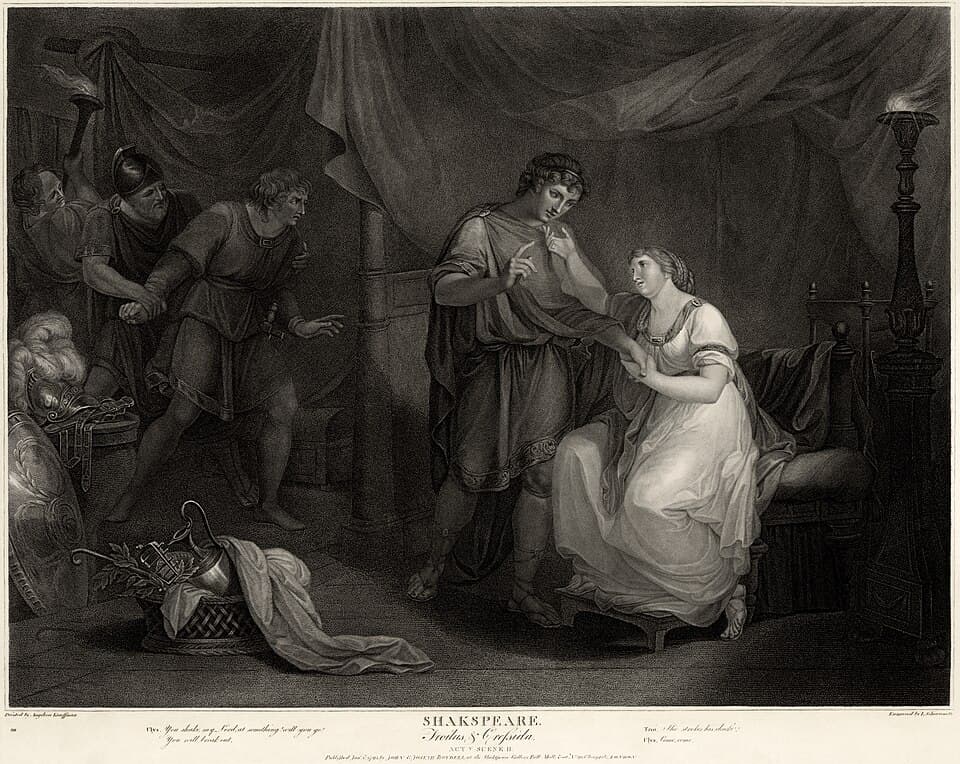
Two young visitors, on a school field trip, meet an old king with a gray beard on a rocky beach. He invites them to sit by a wood fire. 'Come closer, my children, I will tell you about my travels.'
—Is it true you won a war with a wooden horse?
You know, my child, Troy was a city with walls so high you couldn't get in. Ten years camping outside, ten years! So one evening, I had an idea. We built a huge wooden horse, hollow inside, and I hid my best warriors in it. Imagine a horse as big as a house, set before the gates. The Trojans thought it was an offering to the gods and dragged it inside. When night fell, we came out of the horse's belly. What no sword had achieved in ten years, a trick did in one night.
What no sword had achieved in ten years, a trick did in one night.
—Why do you prefer cunning instead of fighting hard?
Because I wasn't the biggest or the strongest, my child. But I had something in my head. In our language, we called it metis — a word meaning clever intelligence, the kind that finds the sly trick. Imagine two children facing a wall too high. One jumps again and again and hurts himself. The other sits down, looks around, and finds a hidden door. I am the one who looks for the door. Strength gets tired. Cunning never runs out.
Strength gets tired. Cunning never runs out.
—Were you afraid when the giant Cyclops trapped you?
Oh yes, I was afraid! Polyphemus was a giant with a single eye in the middle of his forehead. He trapped us in his cave with a huge rock, and he was devouring my companions. Imagine the night in a cave that smells of goat, and that monster sleeping. So I came up with a trick. I told him my name was 'Noman'. Then we gouged out his single eye with a burning stake. When he howled, the other giants asked who was attacking him. He shouted: 'Noman!' And they left, shrugging.
When you're called 'Noman', no one comes to stop you.
—And after that, how did you get out of the giant's cave?
That's the funniest part, my child! The blind giant guarded the entrance to catch us. But he had big sheep with thick wool. So I clung under the belly of a sheep, well hidden in the fleece, and my men did the same. In the morning, Polyphemus felt the backs of his beasts to check, but he never thought to touch underneath! We got out like that, hanging under the sheep. But I was wrong to shout my real name as I left. The giant repeated it to his father, the god of the sea, Poseidon. And then my troubles began.
I was free. But my pride had just awakened a god's wrath.
—How long did it take you to get home?
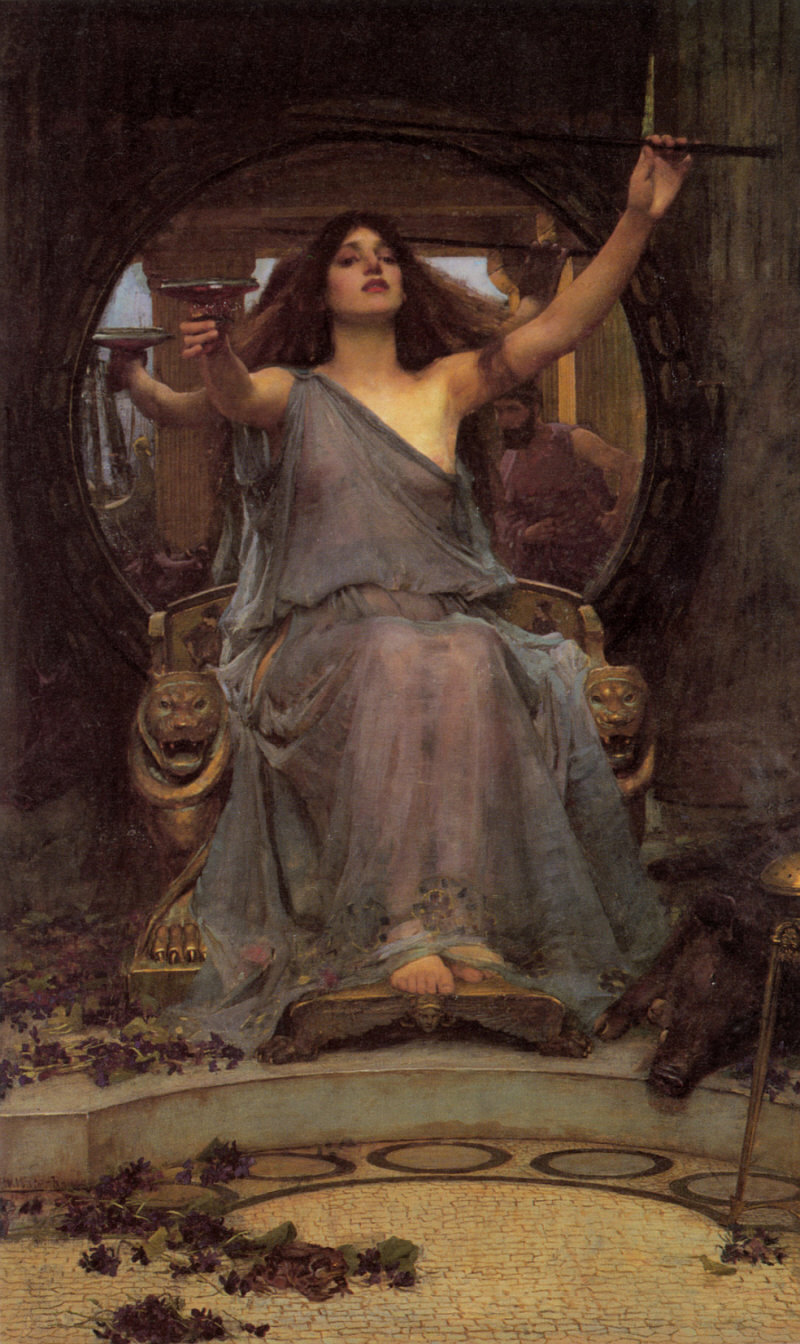
Ten years, my child. Ten years to cross a sea that didn't want me. We call that a voyage — a long journey with a thousand stops. On every island, a new danger. The enchantress Circe turned my companions into grunting pigs. Further on, Sirens sang to lure us onto the rocks. Imagine a voice so beautiful you want to jump into the water to follow it, even if you'll drown. I had myself tied to the ship's mast to listen without dying. Every day, I thought of only one thing: seeing my island, Ithaca, again.
Every day, I thought of only one thing: seeing my island again.
—Was there a moment when you thought you'd never return?
Yes, my child. On the island of Ogygia, the goddess Calypso held me for seven long years. Seven years! She was beautiful, the island was gentle, but it wasn't my home. I would sit on the shore and weep as I looked at the sea. Imagine being housed in the most beautiful palace in the world, but far from your mother and your home. All the comfort in the world is worth nothing if it's not your own roof. Without the goddess Athena, who spoke for me before the gods, I might still be there, weeping at the waves.
All the comfort in the world is worth nothing if it's not your own roof.
—Why did the god of the sea hate you so much?
Because I had wounded his son, the giant Polyphemus, remember? Poseidon, the god who shakes the sea with his three-pronged trident, swore to make me suffer. Every time I approached a coast, he sent a storm. Imagine building a sandcastle, and a wave destroys it just before you finish. Again and again. But I had a powerful friend: the goddess Athena, the one of intelligence. In our time, we believed the gods decided almost everything. A mortal lives between the wrath of some and the help of others.
A mortal lives between the wrath of some and the help of others.
—Did you think everything was written in advance by the gods?
In part, my child. We believed in fate — a force that decides in advance what must happen, and that you can't really escape. Even a hero must bow to it. But be careful: fate said I had to return. How, by what path, saving whom? That was up to me to play out with my wits. Imagine a river: it goes to the sea, that's certain, but the boat can avoid the rocks. Fate set the destination. It was up to me to navigate well.
Fate set the destination. It was up to me to navigate well.
—When you finally returned, did your wife recognize you right away?
No, and that was the hardest part, my child. I had been gone twenty years. I was aged, disguised as a poor beggar in rags. My wife Penelope did not recognize me. All that time, men wanted to take my place and marry her by force. So she set a challenge: marry the one who could string my old bow, a bow so stiff that no one could do it. Imagine a bow that only your arms have known since childhood. I took it, I strung it without effort. At that moment, she knew. The beggar was her king.
The beggar in rags was her king come home.
—What did it feel like to find your home after so long?
My child, I fell to my knees and kissed the soil of my island. Ithaca! A little rock in the middle of the sea, nothing extraordinary. But it was mine. My palace, my son Telemachus grown up, my faithful Penelope who had waited twenty years. I had seen magical islands, goddesses, golden palaces. Yet nothing was worth the smell of my own home. You'll understand that one day: you can travel the world, but the most beautiful journey is always the one that brings you home.
The most beautiful journey is always the one that brings you home.
This imaginary interview was generated by artificial intelligence from sources documented in Odysseus's profile. It dramatises what the figure might have said based on what we know about them, but does not constitute attested historical testimony. For primary sources and factual documentation, refer to the full profile.