Kids interview Victor Schoelcher
by Charactorium · Victor Schoelcher (1804 — 1893) · Politics · 5 min read
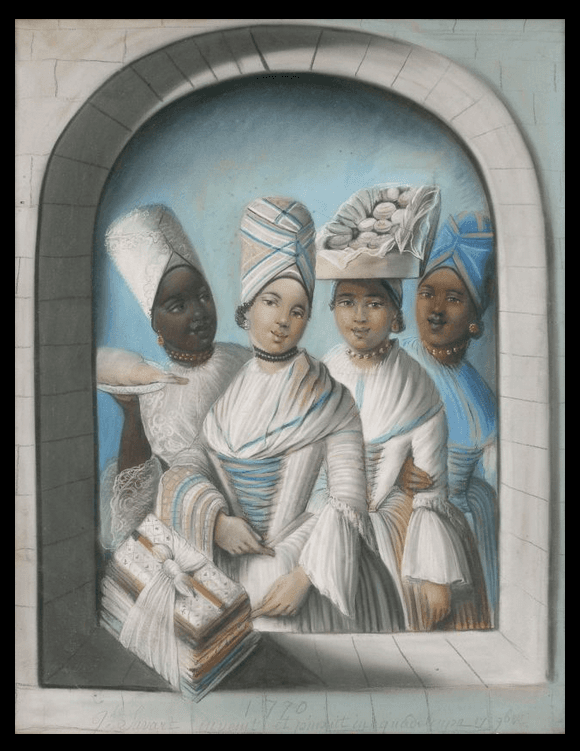
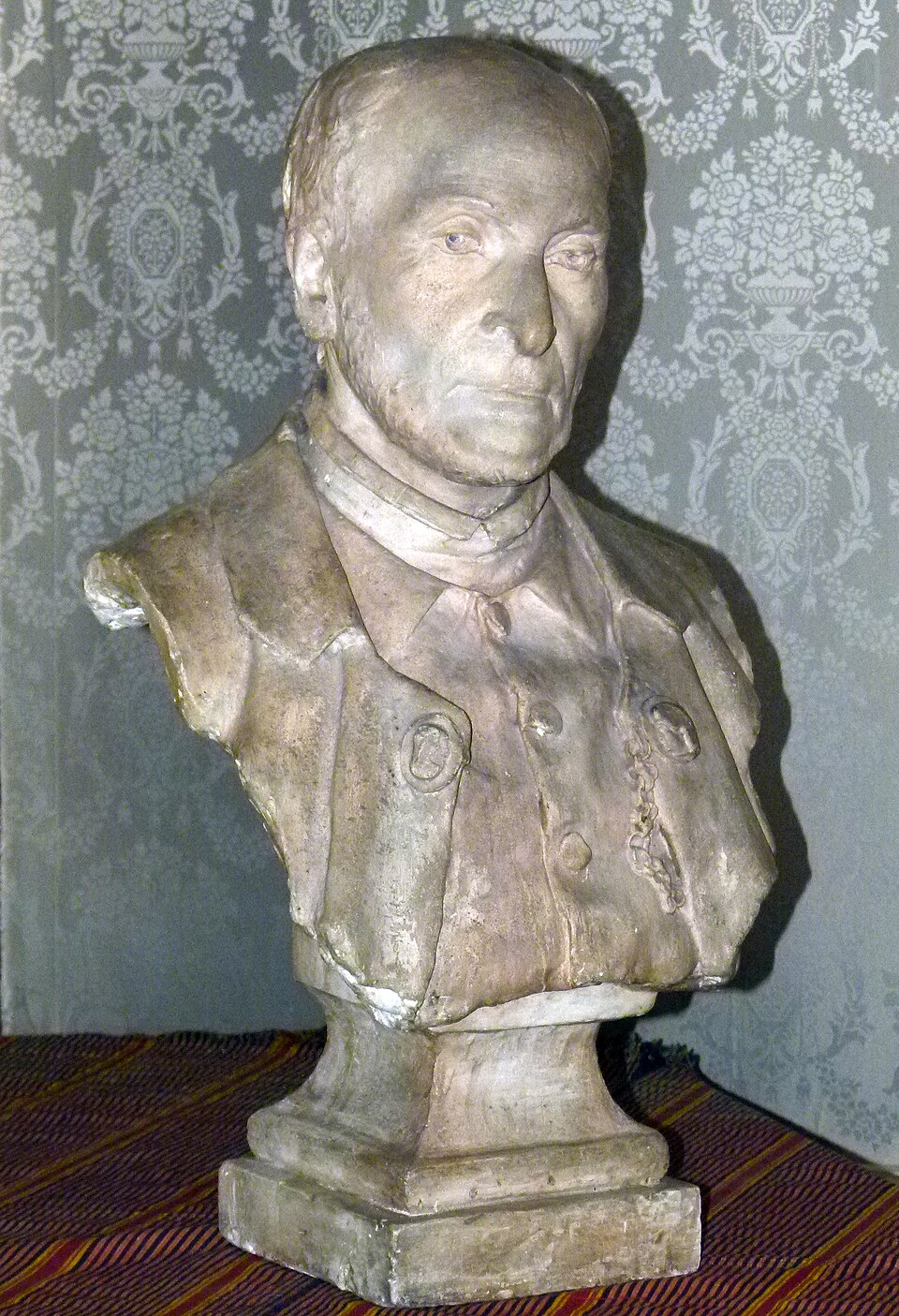
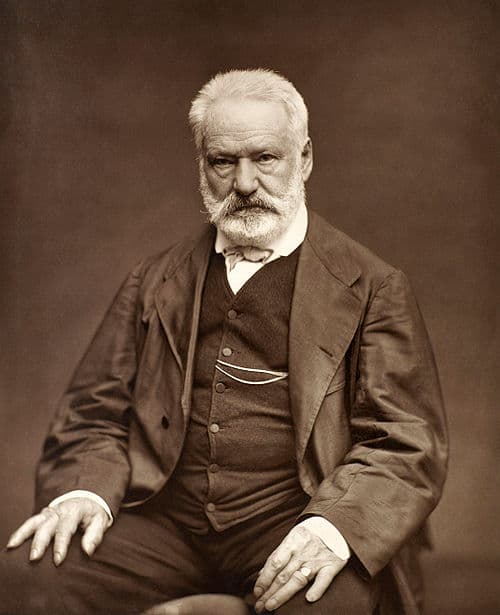
That morning, two young students from a middle school class sat down facing an old gentleman with white side-whiskers. He looked at them, moved that anyone still took an interest in him. He smiled at them and began to tell the story of his long life of struggle.
—How old were you when you left to see the slaves in the West Indies?
I was barely over twenty, in 1833. My father was sending me to sell porcelain on the other side of the ocean. Imagine a journey of several weeks by boat, with no engine, just wind and sails. I thought I would see sunny islands. I saw men in chains, beaten, sold like animals. You know, my child, I was not yet very decided before that. I was rather lukewarm. But when you see suffering with your own eyes, you can no longer look away. That day, a carefree young man became an angry man.
When you see suffering with your own eyes, you can no longer look away.
—What was it like to see people in chains for real?
It was unbearable. Imagine a sugar cane plantation in Martinique, under a scorching sun. Men, women, children work from morning to night. If they stop, they are beaten. I saw iron chains, heavy, that hurt the skin. I still have the sound in my head, that awful clanking. In Guadeloupe, in Bourbon — that's the old name for Réunion Island — it was the same everywhere. People told me: “It’s custom, sir.” But a crime never becomes just because it is old. That’s what I understood there, with a heavy heart.
A crime never becomes just because it is old.
—How do you go about changing the mind of an entire country?
With a pen and an inkwell, my child. It’s very small, and it’s stronger than an army. In 1840, I wrote a big book: Des colonies françaises - Suppression de l'esclavage. Inside, I said a simple and terrible thing: slavery is a crime against humanity. It must be abolished. Imagine you write a letter, then a thousand, then a book that thousands of people read by lamplight at night. Little by little, minds change. I had neither rifle nor army. I had words, newspapers, pamphlets. And words, you see, they keep working even while you sleep.
A pen is mightier than an army.
—Was it tiring to write so much to convince people?
Oh yes! But a good tiredness, one that serves a purpose. You know, many rich people wanted to keep their slaves, because it brought them money in the colonies. To answer them, I had to prove everything: with figures, maps, stories. Imagine you have to win an argument, but against powerful people who don’t want to listen. So I wrote in the morning, the afternoon, the evening. My 1840 book became a kind of toolbox for all those fighting slavery. I wasn’t alone, and that gave courage.
A pen is mightier than an army.
—Is it true that you wrote the paper that freed the slaves?
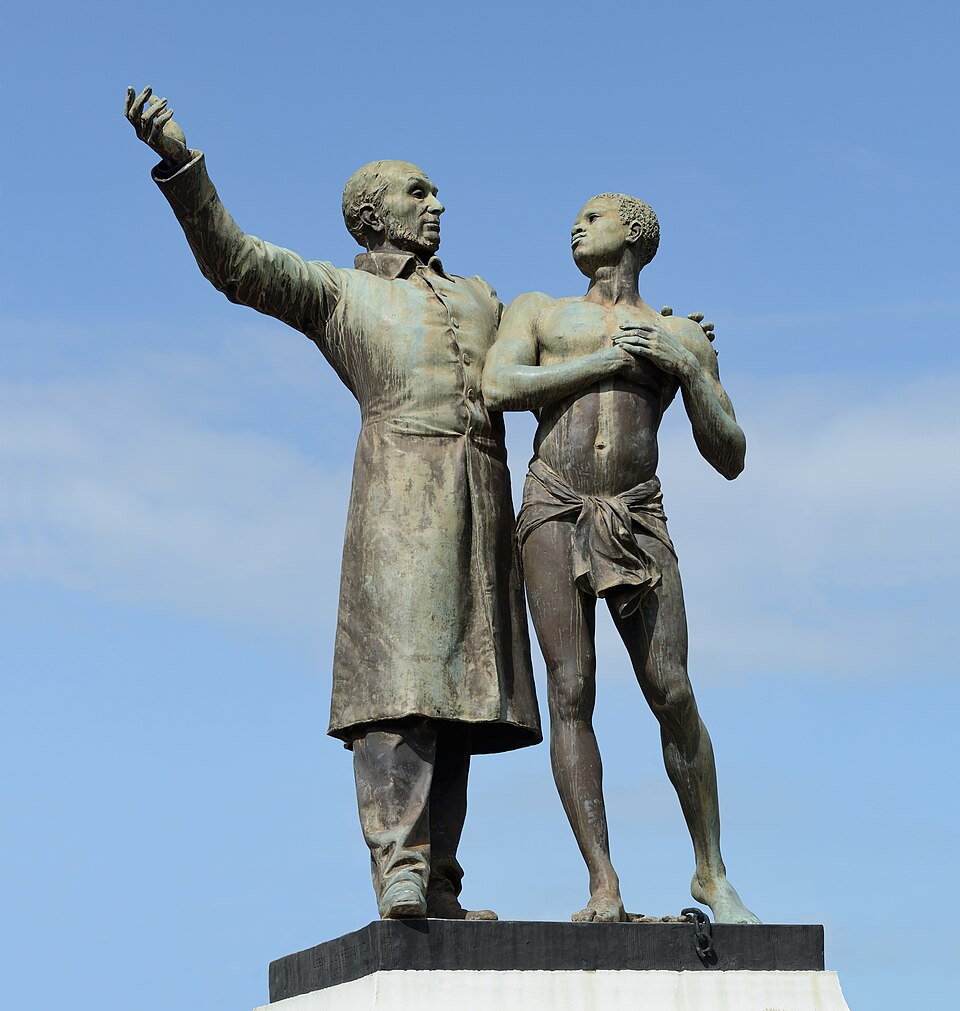
It’s true, and it’s the happiest day of my life. In 1848, France changed its regime: the Republic was proclaimed. I was appointed secretary of a commission to abolish slavery. A commission is a small group tasked with a specific job. And that job was to draft the decree. I took my pen and wrote that slavery would be abolished in all French colonies. Imagine a single paper, signed on April 27, 1848, that gave freedom to more than 250,000 people. With a stroke of the pen, chains fall. My hands trembled a little, I think.
With a stroke of the pen, chains fall.
—Were you happy or afraid it would fail?
Both at the same time! I was afraid until the last moment that they would back down, say “later, slowly.” Many wanted to wait, abolish little by little. I wanted it to stop immediately. When you are a slave, every extra day is one day too many. So imagine my joy when the decree passed: Guadeloupe, Martinique, Réunion, Guyana, free! People danced in the streets there. I cried here in Paris. More than sixty years later, I still remember it as if it were yesterday.
When you are a slave, every extra day is one day too many.
—After that, was it over? Was everything fine for them?
No, my child, and it’s important to understand that. Breaking the chains is the beginning, not the end. The former slaves were free, but they had nothing: no land, no school, no real place in society. So I continued. Elected to represent Guadeloupe, I fought for them to have the same rights as everyone else. And above all, school. Imagine someone who has been prevented from learning all their life: how do you expect them to defend themselves? For me, learning to read and write was a second liberation. Freedom without education remains fragile.
Breaking the chains is the beginning, not the end.
—Why did you insist so much on them going to school?
Because education truly sets you free. You see, you can tell someone “you are free,” but if they can neither read a contract, nor count, nor write their name, the powerful will continue to deceive them. Emancipation — that is, truly escaping all domination — comes through knowledge. I repeated it endlessly to the deputies. Imagine a child from the colonies learning to read, and one day writing their own laws. That was my dream. People sometimes found me stubborn. But half a freedom is not freedom.
Half a freedom is not freedom.
—Who did you admire when you were old?
A man I never met: Toussaint Louverture. He was a former slave from Saint-Domingue who rose up to bring freedom to his people, long before me. At 85, in 1889, I wrote the book of his life. Imagine: a man born in chains who becomes a leader and makes the powerful tremble. How could I not admire him? The English had already abolished slavery in their country in 1833, and everywhere people were rising. I was just a link in a long chain — but this time, a beautiful chain, of people holding hands for freedom.
A man born in chains who makes the powerful tremble.
—How long did you fight altogether?
More than sixty years, my child! My entire adult life. I was about twenty on my first voyage, and I died at 89, in 1893, in Paris, pen still in hand. Imagine: you start a fight as a young man, and you carry it until you become an old man with white hair. It wasn’t always won. I knew defeats, moments of doubt. But I never let go. I was given a great honor, long after my death: my remains were taken to the Panthéon, where France keeps its great men. That, I did not know. And that’s just as well.
You start a fight as a young man, and you carry it until your hair turns white.
This imaginary interview was generated by artificial intelligence from sources documented in Victor Schoelcher's profile. It dramatises what the figure might have said based on what we know about them, but does not constitute attested historical testimony. For primary sources and factual documentation, refer to the full profile.