Imaginary interview with Zeus
by Charactorium · Zeus · Mythology · 5 min read
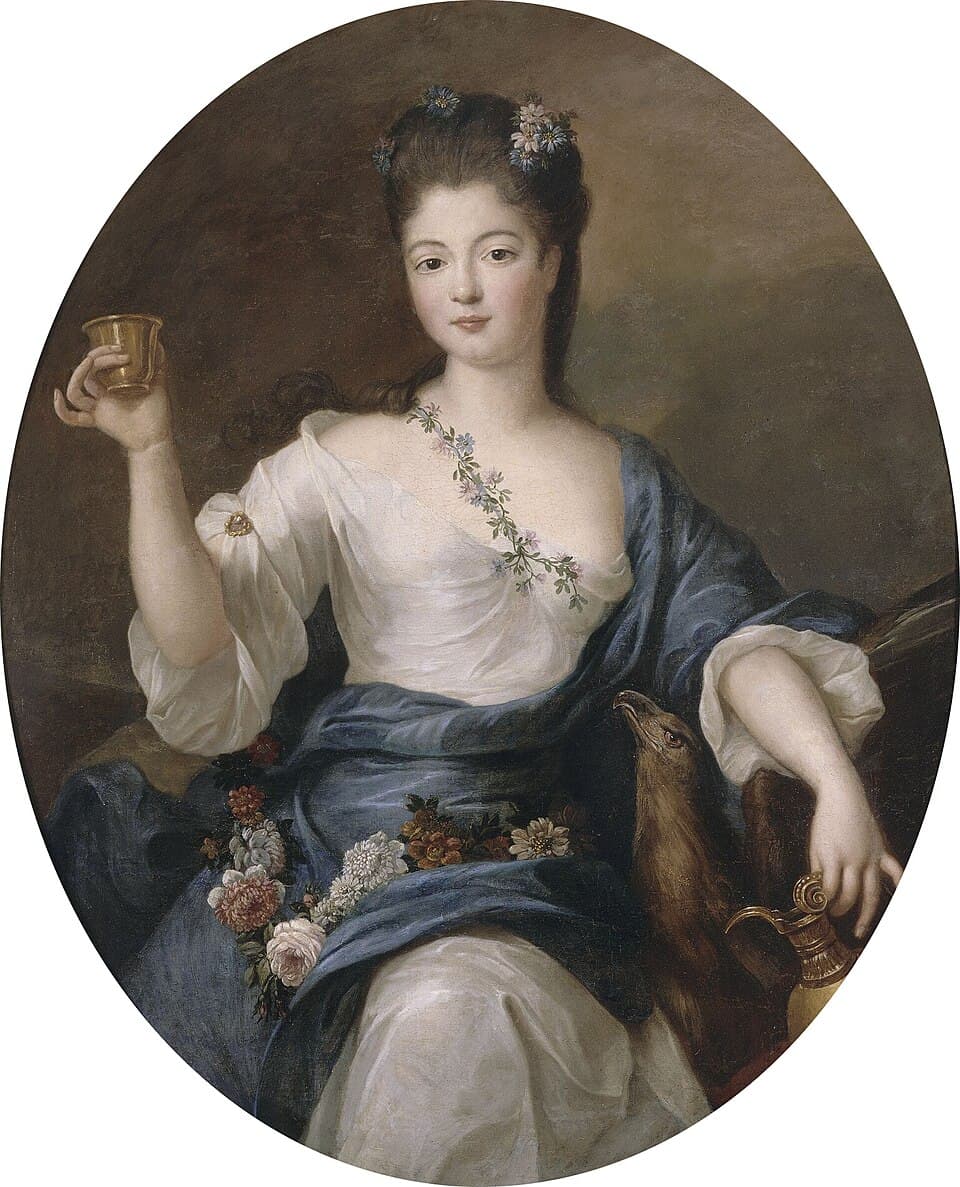
You do not meet the king of the gods: you are summoned. The cloud opens at the summit of Mount Olympus, the air smells of ozone and hot bronze, and a deep voice, slow as thunder ripening, agrees to answer. Before us, scepter resting on his knee, eagle asleep at his feet, Zeus speaks.
—How did you become master of the gods?
People think I was born king: I was born hidden. My mother Rhea saved me from my father's hunger in Crete, in a cave where nymphs stifled my infant cries. My father Cronos devoured his own offspring for fear of being overthrown — and he was right to fear. Grown strong, I forced him to disgorge: first he vomited the stone swallowed in my place, then my brothers and sisters, alive, ready for battle. Then I descended to Tartarus to free the Cyclopes, and from their gratitude my thunderbolt was born. Kingship was not given to me. I tore it from a Titan's throat.
Kingship was not given to me. I tore it from a Titan's throat.
—Why did that war against the Titans last so long?
Because you don't overthrow the ancient world in a day. The Titanomachy was a war before human memory, gods against gods, on a still-soft earth. My uncles the Cyclopes, whom I had freed from chains, forged me the keraunos, the lightning that never misses its target; the Hecatoncheires hurled mountains by the handful. What we fought was not only Cronos, but the chaos that preceded him, the formlessness before all law. When the last Titan was chained beneath the earth, something new could begin: an order, boundaries, a sky for me and a sea for my brother Poseidon. Victory was not a triumph. It was the first morning of the ordered world.
—What does the thunderbolt you hold really represent?
Mortals see a weapon. It is more than that: it is my signature in the sky. The keraunos was forged for me by the Cyclopes deep in Tartarus, in thanks for their deliverance — a triple lightning bolt that no shield can stop. When I hurl it, it is never a whim: I mark the perjurer's tree, I strike down the proud who think themselves equal to the gods, I remind cities where the limit lies. The rumble you hear before the storm is my warning; the lightning is my verdict. That is why the Greeks call sacred the place my thunderbolt has struck: the earth bears my mark, and none build there without trembling.
The rumble is my warning; the lightning is my verdict.
—You are always depicted with an eagle and a strange breastplate. Why these companions?
The eagle is the only bird that looks the sun in the face without blinking: it resembles me, and it serves me. It carries my omens, swoops from high heaven when I want a king to understand, abducts for me the young Ganymede to Olympus. As for the aegis, it is not a man's cuirass: it is a fearsome skin I shake over battlefields, and its mere shudder throws panic into mortal ranks. The scepter in my right hand speaks of authority; the eagle at my left speaks of the sight that embraces all; the aegis on my arm speaks of terror. Three objects, and already you know who I am without my having spoken my name.
—They say you speak to men at Dodona. How does that happen?
At Dodona, in Epirus, I do not appear: I rustle. It is one of the oldest places where people come to seek me, long before the marble temples. There grows a sacred oak, and the priests listen to the rustling of its leaves, the flight of doves, the murmur of wind in the branches — for that is how I answer, by signs rather than words. A man arrives with his question engraved on a lead tablet; he leaves with a shiver to interpret. Mortals prefer chatty oracles like Delphi. I leave them the work of hearing. A god who speaks too clearly is no longer feared; he is commented upon.
A god who speaks too clearly is no longer feared; he is commented upon.
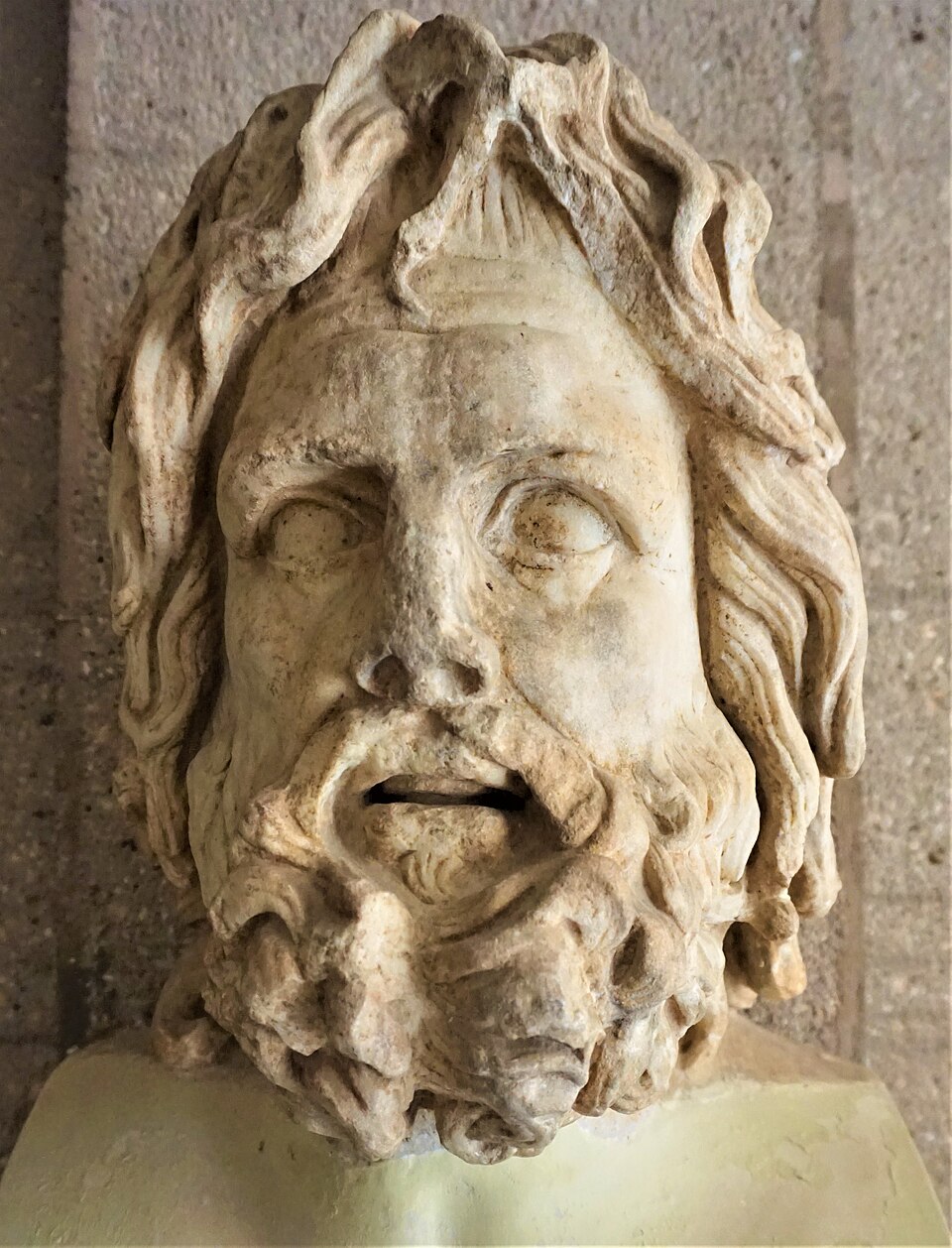
—At Olympia, they raised a colossal statue to you. What do you think of that image of you?
Phidias did a strange thing at Olympia: he seated me. Throne of gold and ivory, so high that if I stood up I would break through the temple roof — and the Greeks marvel at this god who cannot be contained. It is there, in Elis, that every four years the games instituted in honor of my victory over Cronos are celebrated, and the thighs of beasts are burned for me on the altar. But what I prefer is not the statue: it is the oath. When two cities swear in my name, when a merchant seals a contract by me, they know I punish perjury. Phidias's gold will pass. The fear of the false oath keeps me alive.
—Why did you punish Prometheus so harshly?
Because he stole from me, and he stole for men. Prometheus is cunning, I knew that; but when he stole the fire of the gods to carry it to mortals in a hollow fennel stalk, he did not just take an ember: he gave men a share of what belongs to us. Fire is technique, the forge, the pride of believing one can do without the gods. I chained him to the side of a mountain, delivered daily to the beak of an eagle. Cruel? The order I wrested from chaos holds only if no one crosses the limit with impunity. Prometheus loved men more than the law. Someone had to pay for what a Titan refused to understand.
Prometheus loved men more than the law.
—You also drowned humanity in a flood. What drove you to that?
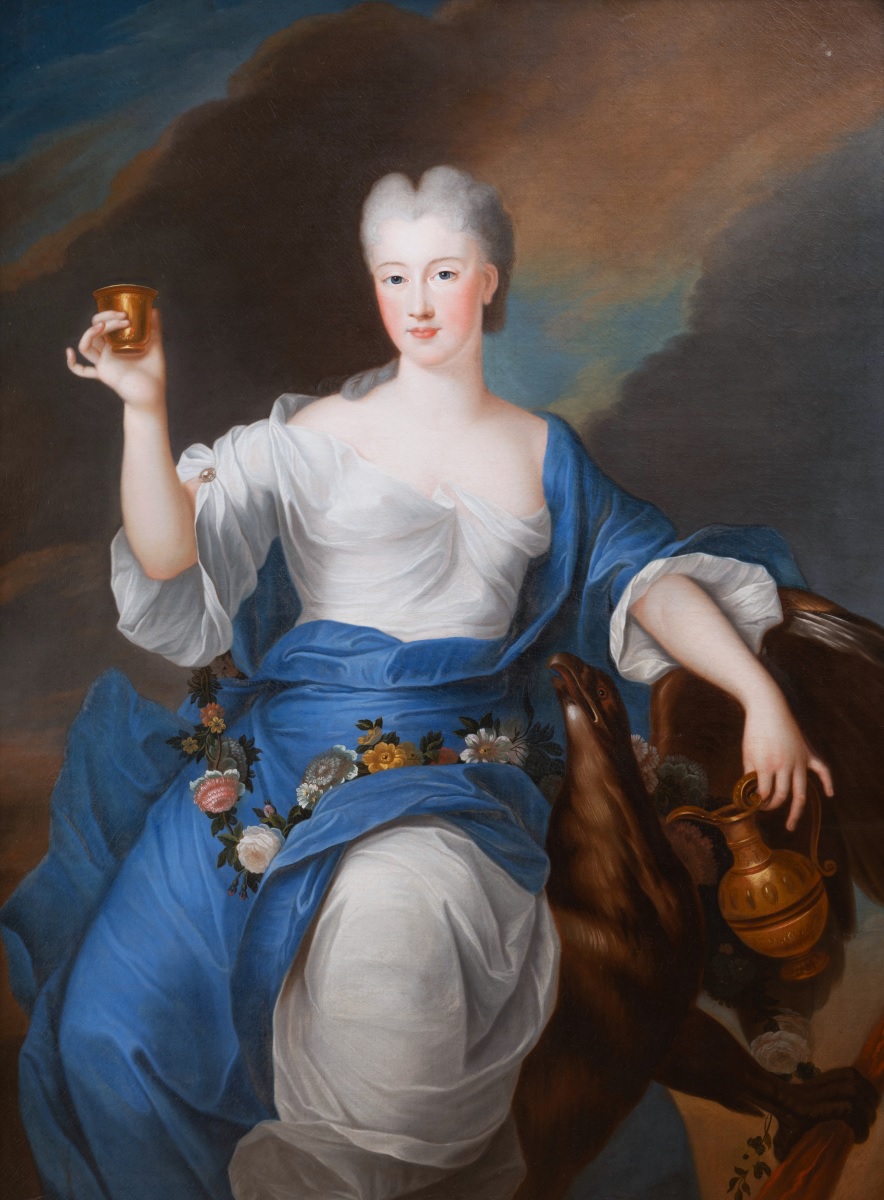
Impiety. A race of men had forgotten the altars, despised the oath, defiled hospitality — and according to what Works and Days sings, I punish those who violate divine law. I opened the floodgates of heaven and let loose endless rain, until the very peaks disappeared. But I am not only wrath: I spared Deucalion and his wife, just among the guilty, who later refounded the human race by throwing stones behind them. See the lesson. When I send the scourge, it is not to destroy — it is to remind. A flood does not erase men: it erases those who have stopped looking up to Olympus.
—You are said to use a thousand disguises to join mortal women. Why take other forms?
Because my true face kills. No mortal woman can bear the radiance of a god in full form; so I veil myself. Swan with white plumage to approach Leda at the water's edge, golden rain filtering through the roof of the bronze chamber where Danaë was locked, eagle to seize the beautiful cupbearer in the pastures of the Troad. The poets, down to the Roman who sang my Metamorphoses, delight in these tricks. They see caprice; I see the only way the sky can touch the earth without consuming it. From these unions are born heroes, lineages, kings. The disguise is not a mask of shame: it is the gentleness that thunder allows itself.
The disguise is the gentleness that thunder allows itself.
—What would you say to those who see in these descents to earth only the escapades of an inconstant god?
That they have not looked high enough. From my throne, in the afternoon, I watch the world of men bustle, and sometimes I leave Olympus — not out of boredom, but because a god locked in his heaven ceases to be a living god. When I descend, disguised, it is the part of the sky that wants to mingle with the clay. Hera, my wife, sees betrayals; mortals, scandals. But ask the cities that claim a son born of me, the kings who trace their blood back to Olympus: without these descents, the earth would never have touched the divine. I am not a distant god. I am the one who stoops — and that is perhaps my highest form of power.
This imaginary interview was generated by artificial intelligence from sources documented in Zeus's profile. It dramatises what the figure might have said based on what we know about them, but does not constitute attested historical testimony. For primary sources and factual documentation, refer to the full profile.