Imaginary dialogue between Héra and Zeus
by Charactorium · Zeus · Mythology · 5 min read
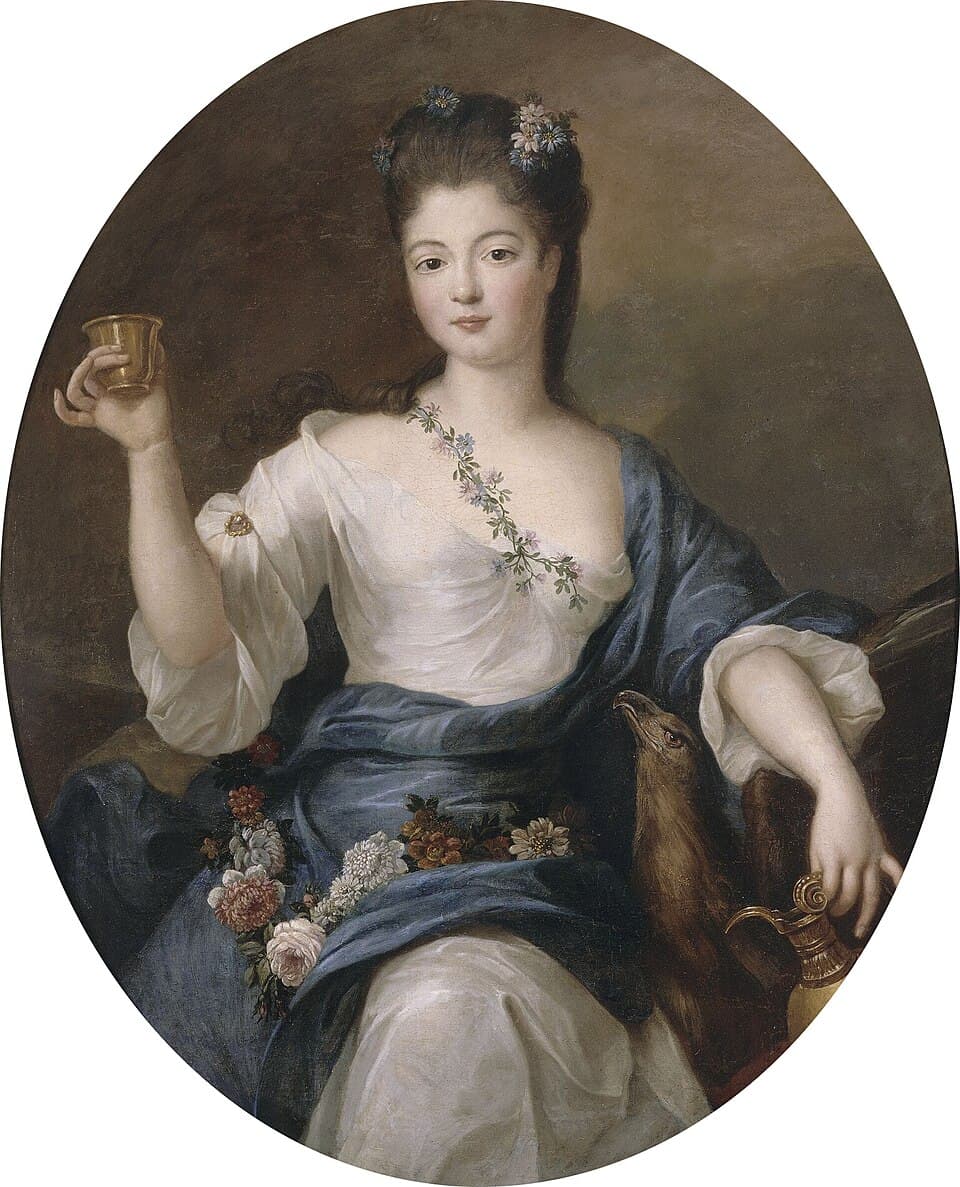
It is at dusk, in the great golden hall of the palace of Olympus, that Hera joins her husband after the feast of the gods. The cups of nectar still rest on the ivory table, and outside rumbles a distant storm that the queen knows to recognize as her master's mood. They have reigned together since Zeus overthrew the ancient order, and tonight, weary of the silences between decrees, she wants to hear the husband behind the king of the gods. She sits near the throne, where no mortal approaches.
—My husband, before you took me as queen, you were but a child hidden in Crete. Tell me how you dared to rise against your own father.
You touch there, Hera, upon the first of my audacities. Our father Cronus, who feared his own offspring, swallowed his children one after another. My mother Rhea hid me in a cave in Crete and gave him a swaddled stone which he swallowed in my place. Grown strong, I forced him to disgorge: he first vomited that stone, then my living brothers and sisters. I freed the Cyclopes from Tartarus, and with them I waged against the Titans that war called the Titanomachy. Primordial chaos had to yield before the order I imposed. You see, one does not receive the kingship of the sky: one seizes it.
One does not receive the kingship of the sky: one seizes it.
—You speak of order, but it was a war of blood between divine generations. Did you never fear that one day you would suffer the fate you dealt to Cronus?
Fear, Hera, I know better than you think. It is precisely because I overthrew my father, as he himself had mutilated his own, that I know how fragile power is. This law of succession is the very heart of our lineage: the son defeats the father. That is why I watch, why I weigh every omen. I established on Olympus a firm hierarchy so that no one might do against me what I did against Cronus. My authority is not peaceful: it is held. You who share my throne, you know that I never fully sleep.
My authority is not peaceful: it is held.
—When you rise in anger, the whole sky answers you. That thunderbolt you brandish, where do you get it, my king?
My thunderbolt, the keraunos, I owe to those I saved. When I freed the Cyclopes from the chains of Tartarus, they forged it for me as a token of gratitude—a weapon of fire that no other can hold. When I hurl it, thunder rolls and mortals tremble, for they know that the master of the sky has spoken. At my side watches the eagle, my sacred bird, who carries my majesty on his wings. And on my arm rests the aegis, that breastplate that nothing pierces. The scepter declares my kingship, but the thunderbolt makes it felt. A sky god does not prove himself by words: he proves himself by the storm.
A sky god does not prove himself by words: he proves himself by the storm.
—Mortals always depict you armed, terrible. But beneath the aegis and the scepter, do you ever have a moment when you set aside these attributes?
You ask there a wife's question, not a mortal's, Hera. Yes, there are hours when I leave the thunderbolt at rest and the eagle perches without a mission. These attributes are the weight of my office as much as its glory: the aegis protects, but it weighs; the scepter commands, but it isolates. At the evening feast, near you, I become for a moment the one who does not have to judge. Men know me only standing in the storm, for that is how they need me. But the king of the gods also has his twilights, where majesty becomes simply presence. You are the only one to see that.
The aegis protects, but it weighs; the scepter commands, but it isolates.
—The mortals of Elis have built for you, at Olympia, a sanctuary like no other. How do you feel when they gather there in your name?
Olympia is the place where men render me what is due. There, in memory of my victory over Cronus, they instituted games that they celebrate every four years: they run, they wrestle, they offer their strength as a prayer. This pleases me, for the man who strives honors the order I founded better than he who merely fears. They have raised a temple, set up altars where the smoke of sacrifices rises. When all Greece suspends its wars to come to me, I see that my reign holds not by fear alone, but by shared respect. That is what a cult is worth: a truce that men impose on themselves in my name.
The man who strives honors me better than he who merely fears.
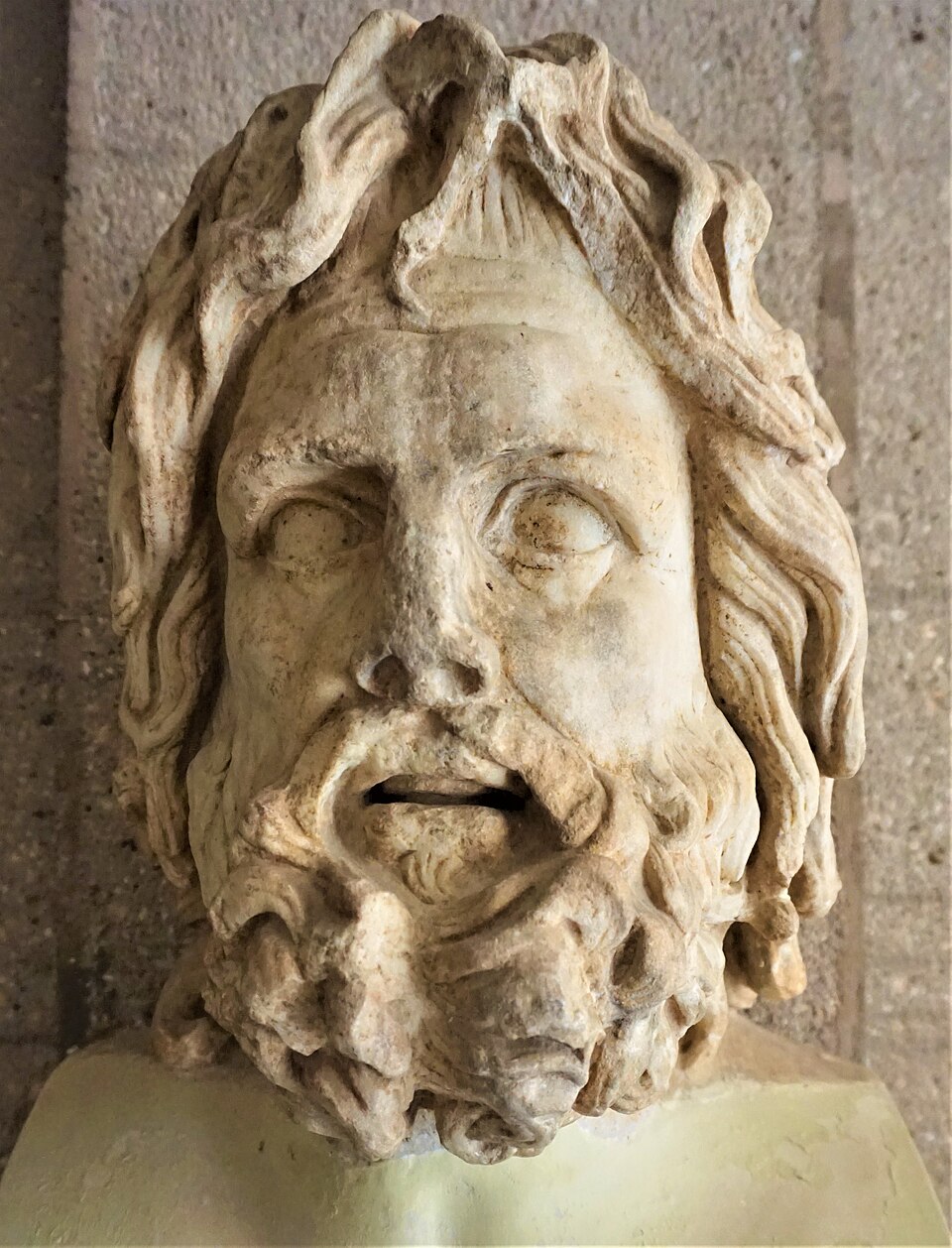
—It is said that a mortal named Phidias claims to fix your image in gold and ivory. That a man dares to depict you, does it not offend you?
That the mortal Phidias attempts to fashion me in gold and ivory, I see no offense in it, Hera, but an admission. Man cannot contain me: he grasps only a reflection of my majesty, seated on my throne, scepter in hand and eagle at my side. And yet, by trying, he proclaims that I am the greatest of gods, the one whose image deserves to be colossal and imperishable. Mortals need to see to believe; I leave them this image as one leaves a shadow to tell of the sun. What they set up in the temple is not me—it is their effort to look me in the face without perishing.
They grasp only a reflection, as one leaves a shadow to tell of the sun.
—You condemned the Titan Prometheus to endless torment for a simple theft of fire. Was that not vengeance rather than justice, my husband?
You call vengeance what was necessity, Hera. Prometheus did not merely steal fire: he broke the order I had established between gods and men. Giving mortals what belongs to the sky blurs the boundary that holds the world in place. Had I left him unpunished, anyone else would have thought themselves free to undo my decrees. His eternal torment is not my satisfied anger: it is the boundary marker I set so that no one forgets where audacity ends. I see all, I know all, and I punish the unjust—not for pleasure, but because without punishment, there is no law. To reign is also to know how to be harsh.
His torment is not my satisfied anger: it is the boundary marker I set.
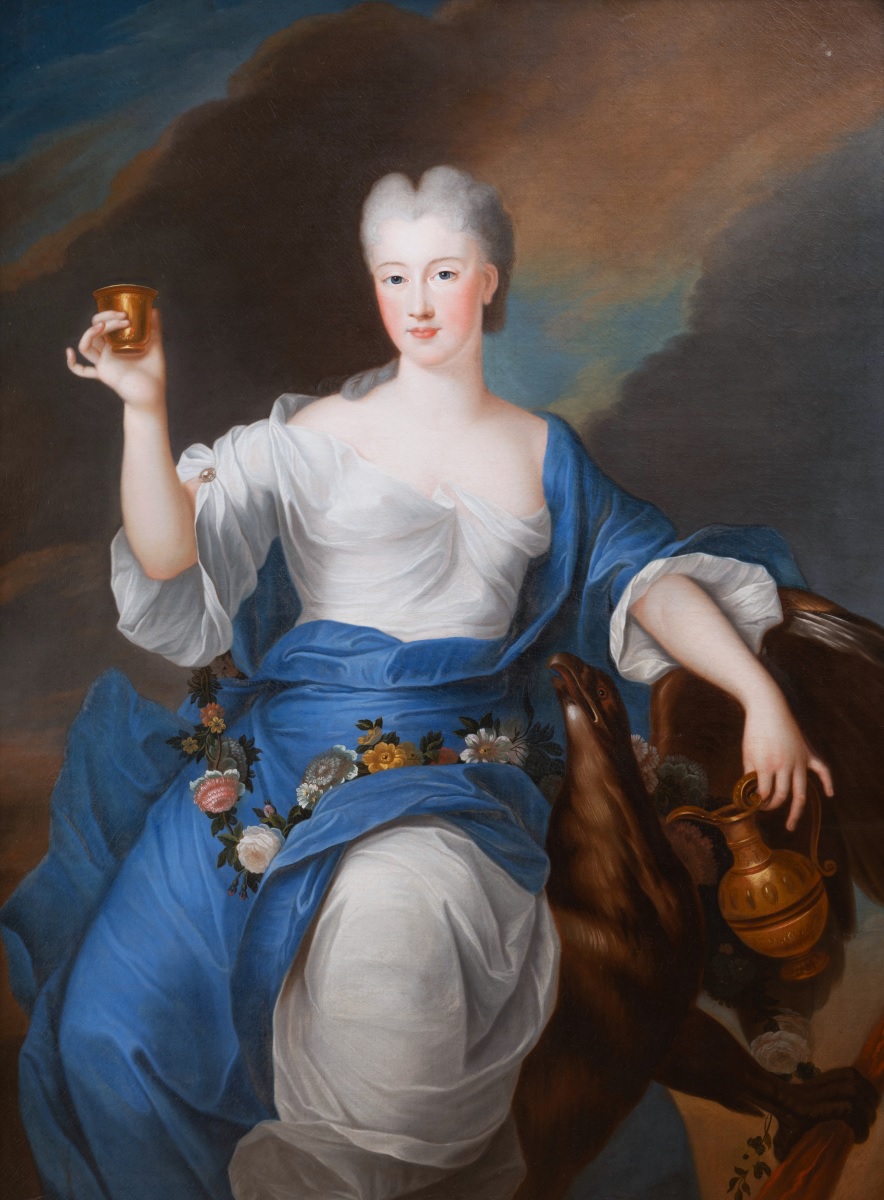
—And when you drowned the race of men in the flood, sparing only Deucalion, did you not hesitate to annihilate your own creation?
The flood was my heaviest judgment, I grant you. Mankind had become corrupt, impiety rose to Olympus like a foul smoke, and the sky could no longer bear it. So I opened the waters and let the world wash away its own fault. But see: I did not destroy everything. I spared Deucalion and his wife, righteous among the guilty, so that a seed of better men might be reborn. A god who only knows how to destroy is but a storm without purpose. Mine was to begin again, not to annihilate. Heavenly justice cuts, but it always keeps a means to refound. Without that, over whom would I reign?
A god who only knows how to destroy is but a storm without purpose.
—Far from Olympus, at Dodona, men say they hear your voice in the rustling of an oak. Why speak through leaves rather than through the thunderbolt?
Dodona is one of my most ancient sanctuaries, Hera, and its sacred oak serves as my mouth. The thunderbolt commands, but it does not advise; men who come to Dodona seek not an order, but to know my will before acting. So I answer them through the murmur of the leaves, which the priests know how to interpret. This is another form of my reign: no longer the terror of the sky, but patient revelation. The mortal who knows how to listen to the trembling of the tree understands that I am present even in silence. Thunder makes itself heard once; the oracle, however, accompanies a whole life of decisions.
Thunder makes itself heard once; the oracle accompanies a whole life.
—Mortals swear by your name to seal their treaties and contracts. Why did they choose your name rather than another to guarantee their word?
Because they know, Hera, that I punish those who betray me. The oath sworn in my name is the most solemn there is: from the merchant sealing his contract to the cities signing peace, all invoke me as witness and judge. The one who swears falsely by me brings my thunderbolt upon his head, and no one is ignorant of that. That is why my protection extends beyond temples: it holds men's words together where no human law reaches. Guarantor of cosmic order, I am also guarantor of order among mortals. A world where one swears in my name is a world where trust can exist. That, perhaps, is my deepest reign.
A world where one swears in my name is a world where trust can exist.
This imaginary interview was generated by artificial intelligence from sources documented in Zeus's profile. It dramatises what the figure might have said based on what we know about them, but does not constitute attested historical testimony. For primary sources and factual documentation, refer to the full profile.